
What's inside
What's inside
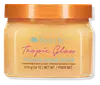 Key Ingredients
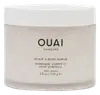
Benefits
Concerns
Ingredients Side-by-side
Sucrose
Humectant
Glycerin
Humectant

Polysorbate 20
Emulsifying

Silica
Abrasive


Pistacia Vera Seed Oil
Skin Conditioning
Theobroma Grandiflorum Seed Butter
Skin Conditioning
Psidium Guajava Fruit Extract
AstringentPrunus Amygdalus Dulcis Oil
Skin Conditioning

Oenothera Biennis Oil
Emollient

Macadamia Ternifolia Seed Oil
Emollient
Persea Gratissima Oil
Skin Conditioning
Citrus Aurantium Dulcis Oil
Masking
Butyrospermum Parkii Butter
Skin Conditioning
Carthamus Tinctorius Seed Oil
Masking
Helianthus Annuus Seed Oil
Emollient
Ascorbic Acid
Antioxidant





Retinyl Palmitate
Skin Conditioning
Parfum
Masking


Phenoxyethanol
Preservative
Microcrystalline Wax
Emulsion StabilisingCaprylyl Glycol
Emollient
Sorbic Acid
Preservative
Benzyl Alcohol
Perfuming

Benzyl Salicylate
Perfuming
Mica
Cosmetic ColorantCI 77891
Cosmetic ColorantCI 73360
Cosmetic ColorantCI 77499
Cosmetic ColorantSucrose, Glycerin, Polysorbate 20, Silica, Pistacia Vera Seed Oil, Theobroma Grandiflorum Seed Butter, Psidium Guajava Fruit Extract, Prunus Amygdalus Dulcis Oil, Oenothera Biennis Oil, Macadamia Ternifolia Seed Oil, Persea Gratissima Oil, Citrus Aurantium Dulcis Oil, Butyrospermum Parkii Butter, Carthamus Tinctorius Seed Oil, Helianthus Annuus Seed Oil, Ascorbic Acid, Retinyl Palmitate, Parfum, Phenoxyethanol, Microcrystalline Wax, Caprylyl Glycol, Sorbic Acid, Benzyl Alcohol, Benzyl Salicylate, Mica, CI 77891, CI 73360, CI 77499
Sucrose
Humectant
Water
Skin ConditioningSodium Lauroyl Methyl Isethionate
CleansingGlycerin
Humectant
Cocamide Mea
Emulsifying
Sodium Lauroamphoacetate
CleansingPropanediol
Solvent
PEG-100 Stearate
Surfactant
Glyceryl Stearate
Emollient
Silica
Abrasive
Prunus Amygdalus Dulcis Oil
Skin Conditioning
C12-15 Alkyl Benzoate
AntimicrobialCocos Nucifera Oil
Masking
Menthyl Lactate
Masking
Epilobium Angustifolium Flower/Leaf/Stem Extract
Skin ConditioningHydrolyzed Hibiscus Esculentus Extract
Skin ConditioningApium Graveolens Seed Extract
Antioxidant
Biotinoyl Tripeptide-1

Panthenol
Skin Conditioning
Aloe Barbadensis Leaf Juice
Skin Conditioning
Capryloyl Glycine
CleansingXylitylglucoside
Humectant
Saccharide Isomerate
Humectant
Apigenin
Antioxidant
Oleanolic Acid
Skin ConditioningHexylene Glycol
EmulsifyingPPG-26-Buteth-26
Skin ConditioningPEG-40 Hydrogenated Castor Oil
Emulsifying
Caprylyl Glycol
Emollient
Caprylic/Capric Triglyceride
Masking
PEG-150 Distearate
Emulsifying
Parfum
Masking
Cocamide Mipa
Emulsifying
Sodium Benzoate
Masking
Trisodium Ethylenediamine Disuccinate
ChelatingLactobacillus Ferment Lysate
Skin Conditioning
BHT
Antioxidant
Butylene Glycol
Humectant
Leuconostoc/Radish Root Ferment Filtrate
Antimicrobial
Phenoxyethanol
Preservative
Sodium Citrate
BufferingCitric Acid
Buffering
Sodium Metabisulfite
Antioxidant
Sodium Hydroxide
BufferingLinalool
Perfuming
Benzyl Salicylate
Perfuming
Citronellol
Perfuming
Geraniol
Perfuming
Butylphenyl Methylpropional
Perfuming
Sucrose, Water, Sodium Lauroyl Methyl Isethionate, Glycerin, Cocamide Mea, Sodium Lauroamphoacetate, Propanediol, PEG-100 Stearate, Glyceryl Stearate, Silica, Prunus Amygdalus Dulcis Oil, C12-15 Alkyl Benzoate, Cocos Nucifera Oil, Menthyl Lactate, Epilobium Angustifolium Flower/Leaf/Stem Extract, Hydrolyzed Hibiscus Esculentus Extract, Apium Graveolens Seed Extract, Biotinoyl Tripeptide-1, Panthenol, Aloe Barbadensis Leaf Juice, Capryloyl Glycine, Xylitylglucoside, Saccharide Isomerate, Apigenin, Oleanolic Acid, Hexylene Glycol, PPG-26-Buteth-26, PEG-40 Hydrogenated Castor Oil, Caprylyl Glycol, Caprylic/Capric Triglyceride, PEG-150 Distearate, Parfum, Cocamide Mipa, Sodium Benzoate, Trisodium Ethylenediamine Disuccinate, Lactobacillus Ferment Lysate, BHT, Butylene Glycol, Leuconostoc/Radish Root Ferment Filtrate, Phenoxyethanol, Sodium Citrate, Citric Acid, Sodium Metabisulfite, Sodium Hydroxide, Linalool, Benzyl Salicylate, Citronellol, Geraniol, Butylphenyl Methylpropional
Reviews
Ingredients Explained
These ingredients are found in both products.
Ingredients higher up in an ingredient list are typically present in a larger amount.
Benzyl Salicylate is a solvent and fragrance additive. It is an ester of benzyl alcohol and salicylic acid. This ingredient can be naturally found in some plants and plant extracts.
In fragrances, Benzyl Salicylate may be a solvent or a fragrance component. In synthetic musk scents, it is used as a solvent. For floral fragrances such as lilac and jasmine, it is used as a fragrance component. The natural scent of Benzyl Salicylate is described as "lightly-sweet, slightly balsamic".
While Benzyl Salicylate has been associated with contact dermatitis and allergies, emerging studies show it may not be caused by this ingredient alone.
However, this ingredient is often used with fragrances and other components that may cause allergies. It is still listed as a known allergen in the EU. We recommend speaking with a professional if you have concerns.
Another study from 2021 shows Benzyl Salicylate may have anti-inflammatory properties.
Learn more about Benzyl SalicylateCaprylyl Glycol is a humectant, skin conditioner, emollient, and preservative booster derived from either caprylic acid or synthetically created.
Typical use levels vary from 0.3-1% as a preservative booster and go up to 2% to condition skin.
Because it is not a free-fatty acid, this ingredient is fungal acne safe (there's nothing for Malassezia to feed on).
Learn more about Caprylyl GlycolGlycerin (or glycerol) is a compound naturally found in your skin. It's a powerhouse humectant that pulls water into the stratum corneum.
Topically, glycerin does several things at once:
Your skin makes glycerin on its own (mostly from sebaceous oil breakdown) and shuttles it to your outermost layer of skin, or your epidermis, via aquaporin-3.
Aquaporin-3 is a transporter that is essential for normal skin hydration, elasticity, and repair. Interestingly, mice lacking in AQP3 have dry and less elastic skin that can be fully corrected with glycerin.
This ingredient is non-irritating, plays well with almost every ingredient, and works across all skin types. Typical use is anywhere between 3-10% but can go up to 79% in some leave-on products.
Just know very high concentrations (>40%) can feel tacky in low humidity.
Glycerin is the name for this ingredient in American English. British English uses Glycerol/Glycerine.
Learn more about GlycerinParfum is a catch-all term for an ingredient or more that is used to give a scent to products.
Also called "fragrance", this ingredient can be a blend of hundreds of chemicals or plant oils. This means every product with "fragrance" or "parfum" in the ingredients list is a different mixture.
For instance, Habanolide is a proprietary trade name for a specific aroma chemical. When used as a fragrance ingredient in cosmetics, most aroma chemicals fall under the broad labeling category of “FRAGRANCE” or “PARFUM” according to EU and US regulations.
The term 'parfum' or 'fragrance' is not regulated in many countries. In many cases, it is up to the brand to define this term.
For instance, many brands choose to label themselves as "fragrance-free" because they are not using synthetic fragrances. However, their products may still contain ingredients such as essential oils that are considered a fragrance by INCI standards.
One example is Calendula flower extract. Calendula is an essential oil that still imparts a scent or 'fragrance'.
Depending on the blend, the ingredients in the mixture can cause allergies and sensitivities on the skin. Some ingredients that are known EU allergens include linalool and citronellol.
Parfum can also be used to mask or cover an unpleasant scent.
The bottom line is: not all fragrances/parfum/ingredients are created equally. If you are worried about fragrances, we recommend taking a closer look at an ingredient. And of course, we always recommend speaking with a professional.
Learn more about ParfumPhenoxyethanol is one of the most widely used preservatives in skincare (and for good reason!).
It has a large spectrum of antimicrobial activity and especially effective bacteria, yeast, and mold while only having a weak effect on your skin's natural microbiome.
On a cellular level, it disrupts the cell membranes of microbes by poking holes that make the cell leak. This shuts down the chemical reactions the microbe needs to make energy so it can no longer survive.
Another perk of this ingredient is that it stays functional across a wide pH range (3-10).
You'll often see it paired with boosters like Ethylhexylglycerin; one study showed that a 1:9 ratio of Ethylhexylglycerin to Phenoxyethanol damages bacterial membranes as effectively as doubling the Phenoxyethanol concentration on its own.
Typical use concentrations range from 0.3-1% depending on the formula, and this ingredient is capped at 1% int the EU.
Safety-wise, the fear mongering does not hold up to the evidence. The EU's Scientific Committee on Consumer Safety and FDA consider it safe as a preservative at up to 1%, including for children of all ages.
Adverse systemic effects only showed up in animal studies at exposures roughly 200x higher than what people get from cosmetics. And despite its very widespread use, this ingredient is a rare sensitizer and allergic reactions are uncommon.
Learn more about PhenoxyethanolThis ingredient is also known as sweet almond oil. It is a lightweight, cold-pressed oil from the ripe seeds of the sweet almond tree.
Sweet almond oil is rich in skin-nourishing fatty acids such as oleic acid (55-86%) and linolenic acid (7-35%).
As an emollient, it softens and hydrates skin by forming a thin barrier that locks in moisture.
Clinical studies have found it to be non-irritating and non-sensitizing. The CIR Expert Panel has evaluated the available safety data and concluded it is safe for topical use.
Because of the oleic acid content, this ingredient may not be fungal acne safe.
This ingredient does have a comedogenic rating of 3, but this doesn't mean a formula with this ingredient will clog pores.
Human testing has proved that any finished product with a comedogenic ingredient won't automatically make you break out; it really comes down to concentration, formula, and your skin.
Learn more about Prunus Amygdalus Dulcis OilSilica, also known as silicon dioxide, is a naturally occurring mineral. It is used as a fine, spherical, and porous powder in cosmetics.
Though it has exfoliant properties, the function of silica varies depending on the product.
The unique structure of silica enhances the spreadability and adds smoothness, making it a great texture enhancer.
It is also used as an active carrier, emulsifier, and mattifier due to its ability to absorb excess oil.
In some products, tiny microneedles called spicules are made from silica or hydrolyzed sponge. When you rub them in, they lightly polish away dead skin layers and enhance the penetration of active ingredients.
Learn more about SilicaSucrose is a natural sugar found in fruits, vegetables, and nuts. It is the main constituent of white sugar.
In skincare, sucrose is a humectant and can be a mild exfoliant.
Sucrose is hydrophilic, meaning it attracts water. This makes it an effective humectant and helps hydrate the skin.
Studies show sugars may worsen acne-prone skin due to it disrupting the skin's natural biome. We recommend speaking with a professional if you have any concerns.
In some products such as body scrubs, sucrose is used as an gentle exfoliant.
The term 'sucrose' comes from the french word for sugar, 'sucre'.
Learn more about Sucrose

