

What's inside
What's inside
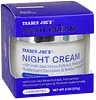 Key Ingredients
Benefits
Concerns
Ingredients Side-by-side
Water
Skin ConditioningButyrospermum Parkii Butter
Skin Conditioning




Cetyl Alcohol
Emollient

Glycerin
Humectant
Glyceryl Stearate
Emollient
PEG-100 Stearate
Caprylic Acid
CleansingCaprylic/Capric Triglyceride
Masking
Dicaprylyl Carbonate
EmollientSimmondsia Chinensis Seed Oil
Emollient
Chamomilla Recutita Flower Extract
Masking

Chondrus Crispus Extract
Skin Conditioning
Glycine Soja Sterols
Emollient
Helichrysum Italicum Extract
AntiseborrhoeicPhaseolus Angularis Seed Extract
Antioxidant
Argania Spinosa Kernel Oil
Emollient

Vetiveria Zizanoides Root Oil
Masking

Helianthus Annuus Seed Oil
Emollient
Macadamia Ternifolia Seed Oil
Emollient
Olea Europaea Fruit Oil
Masking
Sclerocarya Birrea Seed Oil
Humectant
Bacillus
Skin ConditioningCordyceps Sinensis Extract
Antioxidant
Ganoderma Lucidum Extract
Skin Protecting
Inonotus Obliquus Extract
Skin ConditioningLentinus Edodes Extract
Skin ConditioningPhellinus Linteus Ferment Filtrate
Schizophyllum Commune Mycelium
EmollientTricholoma Matsutake Mycelium Ferment Extract
HumectantLactobacillus Ferment
Skin Conditioning
Lactobacillus
Skin ConditioningCentella Asiatica Extract
Cleansing

Gleditsia Australis Thorn Extract
Skin ConditioningHouttuynia Cordata Extract
Skin Conditioning
Phellodendron Amurense Bark
Abrasive
Polygonum Cuspidatum Root Extract
Antioxidant
Prunella Vulgaris
Skin ConditioningTorilis Japonica Extract
Antimicrobial
Rice Ferment Filtrate
Skin Conditioning
Saccharomyces Lysate
Skin Conditioning
Saccharomyces/Camellia Sinensis Extract Ferment Filtrate
Skin Conditioning
Tocopheryl Acetate
Antioxidant

Phenoxyethanol
Preservative
Bisabolol
Antioxidant
Xylitylglucoside
Humectant
Acrylates Copolymer
Acrylates/C10-30 Alkyl Acrylate Crosspolymer
Emulsion StabilisingAnhydroxylitol
Humectant
Pentylene Glycol
Skin Conditioning
Ethylhexylglycerin
Skin ConditioningCaffeine
Skin Conditioning
Dipotassium Glycyrrhizate
Humectant
Sodium Hyaluronate
Humectant
Xanthan Gum
EmulsifyingButylene Glycol
Humectant
Xylitol
Humectant
Phospholipids
Skin Conditioning
Sodium Hydroxide
BufferingDisodium EDTA
Tetrahexyldecyl Ascorbate
Antioxidant

Sphingolipids
Emollient
Linoleic Acid
Cleansing
Acetic Acid
BufferingPotassium Sorbate
Preservative
Acetyl Hexapeptide-8
Humectant
Water, Butyrospermum Parkii Butter, Cetyl Alcohol, Glycerin, Glyceryl Stearate, PEG-100 Stearate, Caprylic Acid, Caprylic/Capric Triglyceride, Dicaprylyl Carbonate, Simmondsia Chinensis Seed Oil, Chamomilla Recutita Flower Extract, Chondrus Crispus Extract, Glycine Soja Sterols, Helichrysum Italicum Extract, Phaseolus Angularis Seed Extract, Argania Spinosa Kernel Oil, Vetiveria Zizanoides Root Oil, Helianthus Annuus Seed Oil, Macadamia Ternifolia Seed Oil, Olea Europaea Fruit Oil, Sclerocarya Birrea Seed Oil, Bacillus, Cordyceps Sinensis Extract, Ganoderma Lucidum Extract, Inonotus Obliquus Extract, Lentinus Edodes Extract, Phellinus Linteus Ferment Filtrate, Schizophyllum Commune Mycelium, Tricholoma Matsutake Mycelium Ferment Extract, Lactobacillus Ferment, Lactobacillus, Centella Asiatica Extract, Gleditsia Australis Thorn Extract, Houttuynia Cordata Extract, Phellodendron Amurense Bark, Polygonum Cuspidatum Root Extract, Prunella Vulgaris, Torilis Japonica Extract, Rice Ferment Filtrate, Saccharomyces Lysate, Saccharomyces/Camellia Sinensis Extract Ferment Filtrate, Tocopheryl Acetate, Phenoxyethanol, Bisabolol, Xylitylglucoside, Acrylates Copolymer, Acrylates/C10-30 Alkyl Acrylate Crosspolymer, Anhydroxylitol, Pentylene Glycol, Ethylhexylglycerin, Caffeine, Dipotassium Glycyrrhizate, Sodium Hyaluronate, Xanthan Gum, Butylene Glycol, Xylitol, Phospholipids, Sodium Hydroxide, Disodium EDTA, Tetrahexyldecyl Ascorbate, Sphingolipids, Linoleic Acid, Acetic Acid, Potassium Sorbate, Acetyl Hexapeptide-8
Water
Skin ConditioningGlycerin
Humectant
Butyrospermum Parkii Butter
Skin Conditioning
Isopropyl Palmitate
Emollient
Panthenol
Skin Conditioning
Caprylic/Capric Triglyceride
Masking
Hydrogenated Coco-Glycerides
Emollient
Octyldodecanol
Emollient
Butylene Glycol
Humectant
Glyceryl Stearate Citrate
Emollient
Stearyl Alcohol
Emollient
Cetyl Alcohol
Emollient
Glycine Soja Germ Extract
EmollientSodium Hyaluronate
Humectant
Tocopherol
Antioxidant
Methyl Methacrylate Crosspolymer
Acrylates/C10-30 Alkyl Acrylate Crosspolymer
Emulsion StabilisingDimethicone
Emollient
Carbomer
Emulsion StabilisingCaprylyl Glycol
Emollient
Trisodium EDTA
1,2-Hexanediol
Skin Conditioning
Phenoxyethanol
Preservative
Parfum
Masking


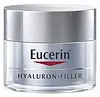
Water, Glycerin, Butyrospermum Parkii Butter, Isopropyl Palmitate, Panthenol, Caprylic/Capric Triglyceride, Hydrogenated Coco-Glycerides, Octyldodecanol, Butylene Glycol, Glyceryl Stearate Citrate, Stearyl Alcohol, Cetyl Alcohol, Glycine Soja Germ Extract, Sodium Hyaluronate, Tocopherol, Methyl Methacrylate Crosspolymer, Acrylates/C10-30 Alkyl Acrylate Crosspolymer, Dimethicone, Carbomer, Caprylyl Glycol, Trisodium EDTA, 1,2-Hexanediol, Phenoxyethanol, Parfum
Reviews
Ingredients Explained
These ingredients are found in both products.
Ingredients higher up in an ingredient list are typically present in a larger amount.
Acrylates/C10-30 Alkyl Acrylate Crosspolymer is a synthetic polymer. It is used to thicken, emulsify, and improve the texture of products.
As an emulsifier, it helps stabilize oil-in-water emulsions to give products an elegant feel when applied.
It can also form a thin protective film on skin. One study found that a formula using this polymer helped slow down how quickly other ingredients (like DEET) were absorbed through skin.
A 2024 study of over 1,300 patients confirmed that sensitization to this ingredient is rare. It is also non-mutagenic and has a clean track record.
Learn more about Acrylates/C10-30 Alkyl Acrylate CrosspolymerButylene Glycol (or BG) is used within cosmetic products for a few different reasons:
Overall, Butylene Glycol is a safe and well-rounded ingredient that works well with other ingredients.
Though this ingredient works well with most skin types, some people with sensitive skin may experience a reaction such as allergic rashes, closed comedones, or itchiness.
Learn more about Butylene GlycolThis ingredient is also known as shea butter. It is a plant-derived extract from the nuts of the Africa shea tree and one of the most well-studied emollients.
Because it has a high concentration of fatty acids (primarily oleic, stearic, and linoleic) it is able to form a protective barrier on the skin's surface. This helps seal in moisture and prevents transepidermal water loss (TEWL).
In vitro research found an increase in skin hydration by 58% and a decrease in TEWL by 37.8% after 24 hours of applying this ingredient (pretty impressive for a single ingredient!).
Besides hydration, shea butter also contains triterpenes that have anti-inflammatory potential. In particule, lupeol cinnamate has shown the highest anti-inflammatory activity in vivo.
Shea butter also contains vitamins A and E which may contribute to antioxidant activity.
While Shea Butter has an SPF rating of about 3-4, it is not a sunscreen replacement.
This ingredient may not be fungal acne safe because its fatty acids fall within the C11-C24 range that the Malassezia yeast can metabolize.
Learn more about Butyrospermum Parkii ButterThis ingredient is a lightweight emollient, solvent, and texture enhancer. It is considered a skin-softener by helping the skin prevent moisture loss.
It helps thicken a product's formula and makes it easier to spread by dissolving clumping compounds.
Caprylic Triglyceride is made by combining glycerin with coconut oil, forming a clear liquid. Though it behaves like an oil, it is not technically one due to its chemical composition. It is very stable, resistant to oxidation, and unlikely to go rancid. In practice, that translates to a long shelf life and a consistently elegant skin feel.
While there is an assumption Caprylic Triglyceride can clog pores due to it being derived from coconut oil, there is no research supporting this. Be sure to patch test if you have concerns.
Fractionated coconut oil and MCT Oil are both listed as Caprylic/Capric Triglyceride according to INCI. This is because INCI names are based on the ingredient’s final chemical composition and not its marketing name or source.
Learn more about Caprylic/Capric TriglycerideCetyl Alcohol is a fatty alcohol. Fatty Alcohols are most often used as an emollient or to thicken a product.
Its main roles are:
Though it has "alcohol" in the name, it is not related to denatured alcohol or ethyl alcohol.
The FDA allows products labeled "alcohol-free" to have fatty alcohols.
Learn more about Cetyl AlcoholGlycerin (or glycerol) is a compound naturally found in your skin. It's a powerhouse humectant that pulls water into the stratum corneum.
Topically, glycerin does several things at once:
Your skin makes glycerin on its own (mostly from sebaceous oil breakdown) and shuttles it to your outermost layer of skin, or your epidermis, via aquaporin-3.
Aquaporin-3 is a transporter that is essential for normal skin hydration, elasticity, and repair. Interestingly, mice lacking in AQP3 have dry and less elastic skin that can be fully corrected with glycerin.
This ingredient is non-irritating, plays well with almost every ingredient, and works across all skin types. Typical use is anywhere between 3-10% but can go up to 79% in some leave-on products.
Just know very high concentrations (>40%) can feel tacky in low humidity.
Glycerin is the name for this ingredient in American English. British English uses Glycerol/Glycerine.
Learn more about GlycerinPhenoxyethanol is a preservative that has germicide, antimicrobial, and aromatic properties. Studies show that phenoxyethanol can prevent microbial growth. By itself, it has a scent that is similar to that of a rose.
It's often used in formulations along with Caprylyl Glycol to preserve the shelf life of products.
Sodium Hyaluronate is the salt form of hyaluronic acid. It is a long sugar chain that is naturally found in your skin, joints, and connective tissue that maintains hydration and elasticity.
In skincare, it works as a humectant. It pulls water from the environment and deeper layers of skin and binds it to the surface.
Interestingly, the size of the molecule affects its behavior:
Some clinical evidence links low molecular weight versions to improved wrinkle depth, elasticity, anti-inflammatory effects, and barrier repair.
Many serums use a blend of both weights so you can get surface hydration plus longer-lasting and deeper effects.
You'll typically see concentrations between 0.1-2% for this ingredient.
Learn more about Sodium HyaluronateWater. It's the most common cosmetic ingredient of all. You'll usually see it at the top of ingredient lists, meaning that it makes up the largest part of the product.
So why is it so popular? Water most often acts as a solvent - this means that it helps dissolve other ingredients into the formulation.
You'll also recognize water as that liquid we all need to stay alive. If you see this, drink a glass of water. Remember to stay hydrated!
Learn more about Water
