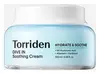
This calming moisturizer is formulated around Panthenol and Sodium Hyaluronate to calm redness and hydrate skin.
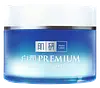
This brightening moisturizer is formulated around Saccharomyces Ferment Filtrate and Niacinamide to fade the look of dark spots and brighten dull-looking skin.


What's inside
What's inside
 Key Ingredients
Benefits
Concerns
Ingredients Side-by-side
Water
Skin ConditioningButylene Glycol
Humectant

Glycerin
Humectant
1,2-Hexanediol
Skin Conditioning
Hydrogenated Didecene
Skin ConditioningCaprylic/Capric Triglyceride
Masking
Panthenol
Skin Conditioning

Sodium Hyaluronate
Humectant

Sodium Hyaluronate Crosspolymer
Humectant
Hydrolyzed Sodium Hyaluronate
Skin Conditioning
Sodium Acetylated Hyaluronate
Humectant
Hydrolyzed Hyaluronic Acid
Humectant
Allantoin
Skin Conditioning
Ectoin
Skin Conditioning
Glycyrrhiza Glabra Root Extract
Bleaching

Trehalose
Humectant
Hamamelis Virginiana Extract
Antiseborrhoeic



Glyceryl Acrylate/Acrylic Acid Copolymer
HumectantPvm/Ma Copolymer
Emulsion StabilisingHydroxyethyl Acrylate/Sodium Acryloyldimethyl Taurate Copolymer
Emulsion Stabilising2,3-Butanediol
HumectantCetearyl Alcohol
Emollient



C14-22 Alcohols
Emulsion Stabilising
C12-20 Alkyl Glucoside
EmulsifyingPentylene Glycol
Skin Conditioning
Sorbitan Isostearate
Emulsifying
Caprylyl Methicone
Skin Conditioning
Salvia Sclarea Extract
AntiseborrhoeicLavandula Angustifolia Flower Extract
Cleansing
Hyacinthus Orientalis Extract
Skin ConditioningChamomilla Recutita Extract
Skin Conditioning
Centaurea Cyanus Flower Extract
Astringent
Borago Officinalis Extract
Emollient
Disodium EDTA
Carbomer
Emulsion StabilisingTromethamine
BufferingXanthan Gum
EmulsifyingGlutathione
Malachite Extract
Antioxidant
Gluconic Acid


Ethylhexylglycerin
Skin ConditioningWater, Butylene Glycol, Glycerin, 1,2-Hexanediol, Hydrogenated Didecene, Caprylic/Capric Triglyceride, Panthenol, Sodium Hyaluronate, Sodium Hyaluronate Crosspolymer, Hydrolyzed Sodium Hyaluronate, Sodium Acetylated Hyaluronate, Hydrolyzed Hyaluronic Acid, Allantoin, Ectoin, Glycyrrhiza Glabra Root Extract, Trehalose, Hamamelis Virginiana Extract, Glyceryl Acrylate/Acrylic Acid Copolymer, Pvm/Ma Copolymer, Hydroxyethyl Acrylate/Sodium Acryloyldimethyl Taurate Copolymer, 2,3-Butanediol, Cetearyl Alcohol, C14-22 Alcohols, C12-20 Alkyl Glucoside, Pentylene Glycol, Sorbitan Isostearate, Caprylyl Methicone, Salvia Sclarea Extract, Lavandula Angustifolia Flower Extract, Hyacinthus Orientalis Extract, Chamomilla Recutita Extract, Centaurea Cyanus Flower Extract, Borago Officinalis Extract, Disodium EDTA, Carbomer, Tromethamine, Xanthan Gum, Glutathione, Malachite Extract, Gluconic Acid, Ethylhexylglycerin
Water
Skin ConditioningSaccharomyces Ferment Filtrate
Humectant
Glycerin
Humectant
Niacinamide
Smoothing


Butylene Glycol
Humectant
Cyclopentasiloxane
Emollient
1,2-Hexanediol
Skin Conditioning
Dimethicone
Emollient
Hydroxyacetophenone
Antioxidant
PEG-32
HumectantIsononyl Isononanoate
EmollientBis-Diglyceryl Polyacyladipate-2
Emollient
Ammonium Acryloyldimethyltaurate/Vp Copolymer
Sodium Polyacryloyldimethyl Taurate
Emulsion StabilisingHydrogenated Polydecene
EmollientDimethiconol
Emollient
Alpha-Arbutin
Antioxidant
Styrene/Acrylates Copolymer
Centella Asiatica Extract
Cleansing
Honey Extract
Humectant
Urea
Buffering
Trehalose
Humectant
Scutellaria Baicalensis Root Extract
Astringent
Polygonum Cuspidatum Root Extract
Antioxidant
Helianthus Annuus Seed Oil
Emollient
Tocopherol
Antioxidant
Glyceryl Acrylate/Acrylic Acid Copolymer
HumectantTrideceth-10
CleansingGlycyrrhiza Glabra Root Extract
Bleaching
Camellia Sinensis Leaf Extract
Antimicrobial
Pvm/Ma Copolymer
Emulsion StabilisingSerine
Masking
Pentylene Glycol
Skin Conditioning
Chamomilla Recutita Flower Extract
Masking
Rosmarinus Officinalis Leaf Extract
AntimicrobialPhenoxyethanol
Preservative
Candida Bombicola/Glucose/Methyl Rapeseedate Ferment
AntimicrobialAlgin
Masking
Caprylyl Glycol
Emollient
Sodium Hyaluronate
Humectant
Disodium Phosphate
BufferingGlyceryl Polyacrylate
Pullulan
3-O-Ethyl Ascorbic Acid
Skin Conditioning
Propylene Glycol
Humectant
Potassium Phosphate
BufferingHydrolyzed Sodium Hyaluronate
Skin Conditioning
Potassium Sorbate
Preservative
Hamamelis Virginiana Leaf Extract
Skin Conditioning
Sebacic Acid
Buffering10-Hydroxydecanoic Acid
Skin Conditioning1,10-Decanediol
SolventWater, Saccharomyces Ferment Filtrate, Glycerin, Niacinamide, Butylene Glycol, Cyclopentasiloxane, 1,2-Hexanediol, Dimethicone, Hydroxyacetophenone, PEG-32, Isononyl Isononanoate, Bis-Diglyceryl Polyacyladipate-2, Ammonium Acryloyldimethyltaurate/Vp Copolymer, Sodium Polyacryloyldimethyl Taurate, Hydrogenated Polydecene, Dimethiconol, Alpha-Arbutin, Styrene/Acrylates Copolymer, Centella Asiatica Extract, Honey Extract, Urea, Trehalose, Scutellaria Baicalensis Root Extract, Polygonum Cuspidatum Root Extract, Helianthus Annuus Seed Oil, Tocopherol, Glyceryl Acrylate/Acrylic Acid Copolymer, Trideceth-10, Glycyrrhiza Glabra Root Extract, Camellia Sinensis Leaf Extract, Pvm/Ma Copolymer, Serine, Pentylene Glycol, Chamomilla Recutita Flower Extract, Rosmarinus Officinalis Leaf Extract, Phenoxyethanol, Candida Bombicola/Glucose/Methyl Rapeseedate Ferment, Algin, Caprylyl Glycol, Sodium Hyaluronate, Disodium Phosphate, Glyceryl Polyacrylate, Pullulan, 3-O-Ethyl Ascorbic Acid, Propylene Glycol, Potassium Phosphate, Hydrolyzed Sodium Hyaluronate, Potassium Sorbate, Hamamelis Virginiana Leaf Extract, Sebacic Acid, 10-Hydroxydecanoic Acid, 1,10-Decanediol
Reviews
Ingredients Explained
These ingredients are found in both products.
Ingredients higher up in an ingredient list are typically present in a larger amount.
1,2-Hexanediol is a synthetic liquid and another multi-functional powerhouse.
It is a:
- Humectant, drawing moisture into the skin
- Emollient, helping to soften skin
- Solvent, dispersing and stabilizing formulas
- Preservative booster, enhancing the antimicrobial activity of other preservatives
Butylene Glycol (or BG) is used within cosmetic products for a few different reasons:
Overall, Butylene Glycol is a safe and well-rounded ingredient that works well with other ingredients.
Though this ingredient works well with most skin types, some people with sensitive skin may experience a reaction such as allergic rashes, closed comedones, or itchiness.
Learn more about Butylene GlycolGlycerin (or glycerol) is a compound naturally found in your skin. It's a powerhouse humectant that pulls water into the stratum corneum.
Topically, glycerin does several things at once:
Your skin makes glycerin on its own (mostly from sebaceous oil breakdown) and shuttles it to your outermost layer of skin, or your epidermis, via aquaporin-3.
Aquaporin-3 is a transporter that is essential for normal skin hydration, elasticity, and repair. Interestingly, mice lacking in AQP3 have dry and less elastic skin that can be fully corrected with glycerin.
This ingredient is non-irritating, plays well with almost every ingredient, and works across all skin types. Typical use is anywhere between 3-10% but can go up to 79% in some leave-on products.
Just know very high concentrations (>40%) can feel tacky in low humidity.
Glycerin is the name for this ingredient in American English. British English uses Glycerol/Glycerine.
Learn more about GlycerinGlyceryl Acrylate/Acrylic Acid Copolymer is made up of glycerin and polyacrylic acid. It helps hydrate your skin as a humectant.
This ingredient forms a hydrogel that delivers moisturizing, water-based ingredients to the skin. It is also used to thicken a product and to give it a smooth texture.
Acrylic acid itself is toxic, but the polymer form (this ingredient) is too large to penetrate skin, making it non-toxic.
Learn more about Glyceryl Acrylate/Acrylic Acid CopolymerGlycyrrhiza Glabra Root Extract is an extract of the roots of Licorice. It has been found to have several benefits such as skin hydrating, conditioning, and soothing.
One component, glabridin, has extra potent antioxidant and soothing properties. It has also been found to block pigmentation from UVB rays in guinea pigs.
Licorice Root also contains a flavonoid. Flavonoids are a natural substance from in plants. Flavonoids also have antioxidant properties.
Another component, glycyrrhizin, has been found to have anti-inflammatory and antimicrobial benefits. This may make licorice root extract effective at treating acne. However, more research is needed to support this.
Liquiritin is one of the flavone compounds found in licorice. It has been found to help lighten skin by preventing tyrosinase from reacting with tyrosine. When the two react, protein is converted to melanin. Melanin is the substance in your body that gives your features pigmentation.
Learn more about Glycyrrhiza Glabra Root ExtractThis ingredient is created by putting sodium hyaluronate through hydrolysis.
You might know this as 'mini' or 'ultra low-molecular weight' hyaluronic acid. The small molecule size means it is able to travel deeper in the skin.
According to studies, low molecular-weight hyaluronic acid can:
One study from 2011 found ultra-low weight HA to show pro-inflammatory properties. Another study from 2022 found it to downregulate UV-B induced inflammation.
Hydrolysis is a process of changing a molecule using water or enzymes.
This ingredient is water-soluble.
Learn more about Hydrolyzed Sodium HyaluronatePentylene Glycol (1,2-pentanediol) is a multitasking little diol with three main roles in a formula:
Research on alkanediols (the family pentylene glycol belongs to) show they work by disrupting microbial cell membranes. This disruption helps the primary preservative system in a product work more effectively at lower doses.
On the safety side, the Cosmetic Ingredient Review Expert Panel has concluded this ingredient to be safe as used in current cosmetic practices + concentrations.
Typical use levels in a formula run about 1-5%.
Learn more about Pentylene GlycolPVM/MA Copolymer is a synthetic and high-molecular weight polymer. It is used to create a flexible film that helps ingredients "stick together" on hair or skin. It also helps reduce static, help emulsions behave, and tweaks the thickness and flow of a product.
You'll most likely find this ingredient in hair styling products because that film is what helps styles last.
Sodium Hyaluronate is the salt form of hyaluronic acid. It is a long sugar chain that is naturally found in your skin, joints, and connective tissue that maintains hydration and elasticity.
In skincare, it works as a humectant. It pulls water from the environment and deeper layers of skin and binds it to the surface.
Interestingly, the size of the molecule affects its behavior:
Some clinical evidence links low molecular weight versions to improved wrinkle depth, elasticity, anti-inflammatory effects, and barrier repair.
Many serums use a blend of both weights so you can get surface hydration plus longer-lasting and deeper effects.
You'll typically see concentrations between 0.1-2% for this ingredient.
Learn more about Sodium HyaluronateTrehalose is a disaccharide made of two glucose molecules (glucose is sugar!). Trehalose is used to help moisturize skin. It also has antioxidant properties.
As a humectant, trehalose helps draw moisture from the air to your skin. This helps keep your skin hydrated.
Due to its antioxidant properties, trehalose may help with signs of aging. Antioxidants help fight free-radical molecules, unstable molecules that may damage your skin.
In medicine, trehalose and hyaluronic acid are used to help treat dry eyes.
Some animals, plants, and bacteria create trehalose as a source of energy to survive freeze or lack of water.
Learn more about TrehaloseWater. It's the most common cosmetic ingredient of all. You'll usually see it at the top of ingredient lists, meaning that it makes up the largest part of the product.
So why is it so popular? Water most often acts as a solvent - this means that it helps dissolve other ingredients into the formulation.
You'll also recognize water as that liquid we all need to stay alive. If you see this, drink a glass of water. Remember to stay hydrated!
Learn more about Water

