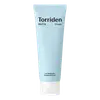
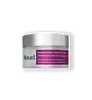
This barrier-repair moisturizer is formulated around Sodium Hyaluronate and Ceramide NP to strengthen the skin barrier and hydrate skin.
This barrier-repair moisturizer is formulated around Urea and Sodium Hyaluronate to strengthen the skin barrier and hydrate skin.


What's inside
What's inside
 Key Ingredients
Benefits
Concerns
Ingredients Side-by-side
Water
Skin ConditioningButylene Glycol
Humectant

Glycerin
Humectant
Dipropylene Glycol
HumectantCaprylic/Capric Triglyceride
Masking
1,2-Hexanediol
Skin Conditioning
C14-22 Alcohols
Emulsion Stabilising
Glyceryl Stearate
Emollient

Ethylhexyl Palmitate
Emollient


Cetearyl Alcohol
Emollient
Sodium Hyaluronate
Humectant


Hydrolyzed Hyaluronic Acid
Humectant
Sodium Acetylated Hyaluronate
Humectant
Sodium Hyaluronate Crosspolymer
Humectant
Hydrolyzed Sodium Hyaluronate
Skin Conditioning
Simmondsia Chinensis Seed Oil
Emollient
Macadamia Integrifolia Seed Oil
Skin Conditioning
Argania Spinosa Kernel Oil
Emollient

Trehalose
Humectant
Sh-Oligopeptide-1
Skin Conditioning
Allantoin
Skin Conditioning
Propanediol
Solvent
Betaine
Humectant
Beta-Glucan
Skin Conditioning
Ceramide NP
Skin Conditioning
Portulaca Oleracea Extract
Skin Conditioning
Hamamelis Virginiana Extract
Antiseborrhoeic

Morus Nigra Fruit Extract
Skin ConditioningLycium Chinense Fruit Extract
Antioxidant
Fragaria Chiloensis Fruit Extract
Skin Conditioning
Berberis Vulgaris Root Extract
AntimicrobialMadecassoside
Antioxidant
Madecassic Acid
Skin Conditioning
Cetearyl Olivate
Sorbitan Olivate
Emulsifying
Malachite Extract
Antioxidant
Pentylene Glycol
Skin Conditioning
Dimethicone/Vinyl Dimethicone Crosspolymer
Skin Conditioning
C12-20 Alkyl Glucoside
EmulsifyingPolyglyceryl-10 Myristate
Skin Conditioning
Glyceryl Acrylate/Acrylic Acid Copolymer
HumectantXanthan Gum
EmulsifyingArginine
Masking
Carbomer
Emulsion StabilisingTromethamine
BufferingEthylhexylglycerin
Skin ConditioningScutellaria Baicalensis Root Extract
Astringent
Paeonia Suffruticosa Root Extract
Skin ProtectingWater, Butylene Glycol, Glycerin, Dipropylene Glycol, Caprylic/Capric Triglyceride, 1,2-Hexanediol, C14-22 Alcohols, Glyceryl Stearate, Ethylhexyl Palmitate, Cetearyl Alcohol, Sodium Hyaluronate, Hydrolyzed Hyaluronic Acid, Sodium Acetylated Hyaluronate, Sodium Hyaluronate Crosspolymer, Hydrolyzed Sodium Hyaluronate, Simmondsia Chinensis Seed Oil, Macadamia Integrifolia Seed Oil, Argania Spinosa Kernel Oil, Trehalose, Sh-Oligopeptide-1, Allantoin, Propanediol, Betaine, Beta-Glucan, Ceramide NP, Portulaca Oleracea Extract, Hamamelis Virginiana Extract, Morus Nigra Fruit Extract, Lycium Chinense Fruit Extract, Fragaria Chiloensis Fruit Extract, Berberis Vulgaris Root Extract, Madecassoside, Madecassic Acid, Cetearyl Olivate, Sorbitan Olivate, Malachite Extract, Pentylene Glycol, Dimethicone/Vinyl Dimethicone Crosspolymer, C12-20 Alkyl Glucoside, Polyglyceryl-10 Myristate, Glyceryl Acrylate/Acrylic Acid Copolymer, Xanthan Gum, Arginine, Carbomer, Tromethamine, Ethylhexylglycerin, Scutellaria Baicalensis Root Extract, Paeonia Suffruticosa Root Extract
Water
Skin ConditioningTrimethylolpropane Tricaprylate/Tricaprate
EmollientGlycerin
Humectant
Cetearyl Alcohol
Emollient
Dicaprylyl Carbonate
EmollientIsopentyldiol
Humectant
Cocos Nucifera Fruit Extract
Emollient
Dimethyl Isosorbide
SolventButyrospermum Parkii Butter
Skin Conditioning
Urea
Buffering
Yeast Amino Acids
HumectantTrehalose
Humectant
Inositol
Humectant
Taurine
BufferingBetaine
Humectant
Helianthus Annuus Seed Oil
Emollient
Sodium Hyaluronate
Humectant
Dipotassium Glycyrrhizate
Humectant
Laminaria Digitata Extract
Skin Protecting
Saccharomyces Cerevisiae Extract
Skin Conditioning
Beta-Glucan
Skin Conditioning
Xylitylglucoside
Humectant
Anhydroxylitol
Humectant
Xylitol
Humectant
Allantoin
Skin Conditioning
Bisabolol
Antioxidant
Tocopheryl Acetate
Antioxidant

Tocopherol
Antioxidant
Ethylhexylglycerin
Skin ConditioningCaprylyl Glycol
Emollient
Cetearyl Glucoside
Emulsifying
Polyacrylate Crosspolymer-6
Emulsion StabilisingSodium Acrylate/Sodium Acryloyldimethyl Taurate Copolymer
Emulsion StabilisingAcrylates/C10-30 Alkyl Acrylate Crosspolymer
Emulsion StabilisingPolyisobutene
Xanthan Gum
EmulsifyingCaprylyl/Capryl Glucoside
Cleansing1,2-Hexanediol
Skin Conditioning
Leuconostoc/Radish Root Ferment Filtrate
Antimicrobial
Glucose
Humectant
Sorbitan Oleate
Emulsifying
Tetrasodium Glutamate Diacetate
ChelatingGlucosamine Hcl
Citric Acid
Buffering
Sodium Hydroxide
BufferingChlorphenesin
Antimicrobial
Sodium Benzoate
Masking
Phenethyl Alcohol
MaskingWater, Trimethylolpropane Tricaprylate/Tricaprate, Glycerin, Cetearyl Alcohol, Dicaprylyl Carbonate, Isopentyldiol, Cocos Nucifera Fruit Extract, Dimethyl Isosorbide, Butyrospermum Parkii Butter, Urea, Yeast Amino Acids, Trehalose, Inositol, Taurine, Betaine, Helianthus Annuus Seed Oil, Sodium Hyaluronate, Dipotassium Glycyrrhizate, Laminaria Digitata Extract, Saccharomyces Cerevisiae Extract, Beta-Glucan, Xylitylglucoside, Anhydroxylitol, Xylitol, Allantoin, Bisabolol, Tocopheryl Acetate, Tocopherol, Ethylhexylglycerin, Caprylyl Glycol, Cetearyl Glucoside, Polyacrylate Crosspolymer-6, Sodium Acrylate/Sodium Acryloyldimethyl Taurate Copolymer, Acrylates/C10-30 Alkyl Acrylate Crosspolymer, Polyisobutene, Xanthan Gum, Caprylyl/Capryl Glucoside, 1,2-Hexanediol, Leuconostoc/Radish Root Ferment Filtrate, Glucose, Sorbitan Oleate, Tetrasodium Glutamate Diacetate, Glucosamine Hcl, Citric Acid, Sodium Hydroxide, Chlorphenesin, Sodium Benzoate, Phenethyl Alcohol
Reviews
Ingredients Explained
These ingredients are found in both products.
Ingredients higher up in an ingredient list are typically present in a larger amount.
1,2-Hexanediol is a synthetic liquid and another multi-functional powerhouse.
It is a:
- Humectant, drawing moisture into the skin
- Emollient, helping to soften skin
- Solvent, dispersing and stabilizing formulas
- Preservative booster, enhancing the antimicrobial activity of other preservatives
Allantoin is a soothing ingredient known for its protective and moisturizing properties; it's basically a quiet workhorse ingredient you can find in a huge range of cosmetics.
Though it can be derived from the comfrey plant, allantoin is produced synthetically for cosmetic products to ensure purity.
Research shows it can encourage your skin cells to turn over and renew by stimulating keratinocyte and fibroblast proliferation.
It also has mild keratolytic properties to help loosen and shed dead skin cells without being harsh.
Studies also suggest allantoin can help calm inflammation by dialing down some of the chemical signals your skin sends out when it is irritated.
This ingredient is typically used in the 0.1-0.5% range, and the FDA recognizes it as a skin protectant in OTC products up to 2%.
Overall, allantoin is a wonderful addition to most routines; it is stable across a wide pH range (~4-8), works well with other ingredients, and is considered non-sensitizing/non-irritating.
Fun fact: Allantoin is naturally occurring in comfrey root, beets, chamomile, and wheat sprouts. Our bodies even produce it as a byproduct of uric acid metabolism.
Learn more about AllantoinBeta-Glucan is a soluble polysaccharide (a chain of glucose sugars) sourced from the cells walls of oats, baker's yeast, mushrooms, and seaweed.
It's a rare ingredient that pulls double-duty as a heavy-duty hydrator and skin-soothing repair agent.
On the surface, it acts as a humectant that holds water in place and reduces moisture loss for a plumper, smoother feel, while its anti-inflammatory and antioxidant properties make it a great pick for calming redness or sensitive skin
The more interesting story is underneath:
Despite its large molecular size, oat beta-glucan has been shown to penetrate the epidermis and reach the dermis by slipping between skin cells. Here, it interacts with fibroblasts and macrophages to nudge collagen synthesis and support wound repair.
A small 2005 split-face clinical study of 27 subjects found topical beta-glucan produced measurable reductions in wrinkle depth, height, and roughness after 8 weeks of use.
It is worth noting the trial was small and the penetration testing used frozen, irradiated skin so the anti-aging data is encouraging rather than definitive.
This ingredient gets along with pretty much everything and is typically used around 0.1-1%.
Fungal acne: This ingredient is not a food source for the Malassezia yeast because it is a glucose polysaccharide with no fatty acid or ester component.
Learn more about Beta-GlucanBetaine is a humectant. Like hyaluronic acid, it helps attract and retain moisture in the skin. It’s known for being gentle and for helping the skin maintain balanced hydration.
Betaine is mainly used to improve hydration and support calmer skin. It helps skin cells regulate water balance because it functions as an osmolyte.
Some studies suggest betaine may support making skin tone more even.
Fun fact: Betaine naturally exists in the skin and the body. In cosmetic products, it can be either plant-derived (most commonly from sugar beets) or synthetically produced for consistency and stability.
Betaine is also known as trimethylglycine.
Learn more about BetaineCetearyl alcohol is a waxy mixture of two fatty alcohols: cetyl alcohol and stearyl alcohol. It is an emollient and emulsifier.
Despite having "alcohol" in its name, it has nothing to do with drying solvent alcohols; the FDA also allows "alcohol-free" products to contain fatty alcohols like this ingredient.
It plays several roles in a formula:
Typical use levels for this ingredient sit around 1-10% and the Cosmetic Ingredient Review Expert Panel has affirmed safety at concentrations up to 25% in leave-on products.
Multiple assessments have found it to be non-irritating and non-sensitizing to most people.
However, there have been some cases of allergic contact dermatitis in patients with chronically compromised skin barriers.
Cetearyl alcohol has a comedogenic rating of 2 and irritancy rating of 1. Both of these numbers come from the 1989 study that used rabbit ears; a "2" means mildly comedogenic and a "1" means low irritancy.
Here's the catch: rabbit skin is more sensitive than human skin and throws a lot of false positives. A 1996 reappraisal found that ingredients rated 1-2 in the rabbit ear tests are generally safe for humans.
Remember comedogenic ratings are unable to assess the entire formula of a product or how it will react on your skin. Just be sure to patch test if you are unsure about certain ingredients.
This ingredient is not fungal acne safe. Cetearyl alcohol is a fatty alcohol with chain lengths that fall within the range that Malassezia can metabolize.
A 2019 study has also observed Malassezia growth in the presence of this ingredient, confirming it to be not-fungal acne safe.
Learn more about Cetearyl AlcoholEthylhexylglycerin is created from glycerin. It is a multitasker ingredient that:
The CIR Expert Panel found minimal skin absorption or sensitization of any kind in a safety assessment. Though this ingredient is considered well-tolerated, a small number of cases of allergic dermatitis have been published since 2002. Just be sure to patch test if you are unsure.
Industry-reported use ranges from 8% in rinse-off products and 2% in leave-on formulations.
Learn more about EthylhexylglycerinGlycerin (or glycerol) is a compound naturally found in your skin. It's a powerhouse humectant that pulls water into the stratum corneum.
Topically, glycerin does several things at once:
Your skin makes glycerin on its own (mostly from sebaceous oil breakdown) and shuttles it to your outermost layer of skin, or your epidermis, via aquaporin-3.
Aquaporin-3 is a transporter that is essential for normal skin hydration, elasticity, and repair. Interestingly, mice lacking in AQP3 have dry and less elastic skin that can be fully corrected with glycerin.
This ingredient is non-irritating, plays well with almost every ingredient, and works across all skin types. Typical use is anywhere between 3-10% but can go up to 79% in some leave-on products.
Just know very high concentrations (>40%) can feel tacky in low humidity.
Glycerin is the name for this ingredient in American English. British English uses Glycerol/Glycerine.
Learn more about GlycerinSodium Hyaluronate is the salt form of hyaluronic acid. It is a long sugar chain that is naturally found in your skin, joints, and connective tissue that maintains hydration and elasticity.
In skincare, it works as a humectant. It pulls water from the environment and deeper layers of skin and binds it to the surface.
Interestingly, the size of the molecule affects its behavior:
Some clinical evidence links low molecular weight versions to improved wrinkle depth, elasticity, anti-inflammatory effects, and barrier repair.
Many serums use a blend of both weights so you can get surface hydration plus longer-lasting and deeper effects.
You'll typically see concentrations between 0.1-2% for this ingredient.
Learn more about Sodium HyaluronateTrehalose is a disaccharide made of two glucose molecules (glucose is sugar!). Trehalose is used to help moisturize skin. It also has antioxidant properties.
As a humectant, trehalose helps draw moisture from the air to your skin. This helps keep your skin hydrated.
Due to its antioxidant properties, trehalose may help with signs of aging. Antioxidants help fight free-radical molecules, unstable molecules that may damage your skin.
In medicine, trehalose and hyaluronic acid are used to help treat dry eyes.
Some animals, plants, and bacteria create trehalose as a source of energy to survive freeze or lack of water.
Learn more about TrehaloseWater. It's the most common cosmetic ingredient of all. You'll usually see it at the top of ingredient lists, meaning that it makes up the largest part of the product.
So why is it so popular? Water most often acts as a solvent - this means that it helps dissolve other ingredients into the formulation.
You'll also recognize water as that liquid we all need to stay alive. If you see this, drink a glass of water. Remember to stay hydrated!
Learn more about WaterXanthan gum is used as a stabilizer and thickener within cosmetic products. It helps give products a sticky, thick feeling - preventing them from being too runny.
On the technical side of things, xanthan gum is a polysaccharide - a combination consisting of multiple sugar molecules bonded together.
Xanthan gum is a pretty common and great ingredient. It is a natural, non-toxic, non-irritating ingredient that is also commonly used in food products.
Learn more about Xanthan Gum

