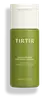
This smoothing exfoliator is formulated around Niacinamide and Gluconolactone to refine skin texture and balance excess oil.
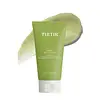
This glycolic acid gel cleanser is formulated around Glycolic Acid to exfoliate and smooth skin.

What's inside
What's inside
 Key Ingredients
Benefits
Concerns
Ingredients Side-by-side
Zea Mays Starch
Absorbent
Sodium Cocoyl Isethionate
Cleansing
Camellia Sinensis Leaf Powder 10%
Niacinamide
Smoothing










Water
Skin ConditioningDipotassium Glycyrrhizate
Humectant
Ceramide NP
Skin Conditioning

Citric Acid
Buffering

Allantoin
Skin Conditioning
Zinc PCA
Humectant
Gluconolactone
Chelating
Capryloyl Salicylic Acid
Exfoliating
CI 77220
Cosmetic ColorantMannitol
Humectant
Ethoxydiglycol
HumectantPapain
Skin Conditioning
Butylene Glycol
Humectant
1,2-Hexanediol
Skin Conditioning
Protease
Exfoliating
Octyldodecanol
Emollient
Asiaticoside
Antioxidant
Madecassic Acid
Skin Conditioning
Asiatic Acid
Skin Conditioning
Hydrogenated Lecithin
Emulsifying
Glycolipids
Skin ConditioningBromelain
Skin Conditioning
C12-13 Alketh-9
EmulsifyingCamellia Sinensis Leaf Extract
Antimicrobial
Sodium DNA
Skin Conditioning
Sodium Hyaluronate
Humectant
Ethylhexylglycerin
Skin ConditioningCyamopsis Tetragonoloba Gum
Emulsion StabilisingZea Mays Starch, Sodium Cocoyl Isethionate, Camellia Sinensis Leaf Powder 10%, Niacinamide, Water, Dipotassium Glycyrrhizate, Ceramide NP, Citric Acid, Allantoin, Zinc PCA, Gluconolactone, Capryloyl Salicylic Acid, CI 77220, Mannitol, Ethoxydiglycol, Papain, Butylene Glycol, 1,2-Hexanediol, Protease, Octyldodecanol, Asiaticoside, Madecassic Acid, Asiatic Acid, Hydrogenated Lecithin, Glycolipids, Bromelain, C12-13 Alketh-9, Camellia Sinensis Leaf Extract, Sodium DNA, Sodium Hyaluronate, Ethylhexylglycerin, Cyamopsis Tetragonoloba Gum
Glycerin
Humectant
Water
Skin ConditioningSodium Cocoyl Isethionate
Cleansing
Prunus Amygdalus Dulcis Shell Powder
Abrasive
Potassium Cocoyl Glycinate
Surfactant
Coco-Betaine
Cleansing
Sodium Methyl Cocoyl Taurate
Cleansing
Hydroxypropyl Starch Phosphate
Tromethamine
BufferingDipropylene Glycol
HumectantAcrylates/C10-30 Alkyl Acrylate Crosspolymer
Emulsion StabilisingHydroxyacetophenone
Antioxidant
Polyquaternium-7
Caprylyl Glycol
Emollient
Citric Acid
Buffering
Butylene Glycol
Humectant
Gardenia Florida Fruit Extract
Skin ConditioningHouttuynia Cordata Powder
Skin ConditioningSodium Phytate
ChelatingMelaleuca Alternifolia Leaf Powder
Abrasive
Carthamus Tinctorius Flower Extract
Skin ConditioningDextrin
AbsorbentSodium Polyacrylate
Absorbent
Sodium Benzoate
Masking
1,2-Hexanediol
Skin Conditioning
Panthenol
Skin Conditioning
Camellia Sinensis Leaf Powder
Decyl Glucoside
Cleansing
Dipotassium Glycyrrhizate
Humectant
Lactic Acid
Buffering

Glycolic Acid
Buffering
Malic Acid
Buffering
Tartaric Acid
Buffering
Propanediol
Solvent
Camellia Sinensis Leaf Extract
Antimicrobial
Sodium DNA
Skin Conditioning
Ethylhexylglycerin
Skin ConditioningSalix Alba Bark Extract
Astringent
Centella Asiatica Leaf Extract
Skin Conditioning
Cladosiphon Okamuranus Extract
Skin Conditioning
Jasminum Officinale Extract
Masking
Solanum Melongena Fruit Extract
Skin ConditioningBenzyl Glycol
SolventCoffea Arabica Seed Extract
Masking
Hydrolyzed Glycosaminoglycans
HumectantSodium Hyaluronate
Humectant
Beta-Glucan
Skin Conditioning
Madecassoside
Antioxidant
Asiaticoside
Antioxidant
Citrus Aurantium Bergamia Leaf Extract
AstringentCoriandrum Sativum Extract
Skin ConditioningChaenomeles Sinensis Fruit Extract
Antioxidant
Elettaria Cardamomum Seed Extract
Perfuming
Foeniculum Vulgare Seed Extract
Skin ConditioningPunica Granatum Fruit Extract
Antioxidant
Crocus Sativus Flower Extract
MaskingSodium Hyaluronate Crosspolymer
Humectant
Cornus Officinalis Fruit Extract
Skin ConditioningPyrus Malus Fruit Extract
Skin Conditioning
Prunus Mume Fruit Extract
Humectant
Pinus Densiflora Leaf Extract
Antimicrobial
Hydrolyzed Hyaluronic Acid
Humectant
Asiatic Acid
Skin Conditioning
Madecassic Acid
Skin Conditioning
Hydroxypropyltrimonium Hyaluronate
Hyaluronic Acid
Humectant
Sodium Acetylated Hyaluronate
Humectant
Glycerin, Water, Sodium Cocoyl Isethionate, Prunus Amygdalus Dulcis Shell Powder, Potassium Cocoyl Glycinate, Coco-Betaine, Sodium Methyl Cocoyl Taurate, Hydroxypropyl Starch Phosphate, Tromethamine, Dipropylene Glycol, Acrylates/C10-30 Alkyl Acrylate Crosspolymer, Hydroxyacetophenone, Polyquaternium-7, Caprylyl Glycol, Citric Acid, Butylene Glycol, Gardenia Florida Fruit Extract, Houttuynia Cordata Powder, Sodium Phytate, Melaleuca Alternifolia Leaf Powder, Carthamus Tinctorius Flower Extract, Dextrin, Sodium Polyacrylate, Sodium Benzoate, 1,2-Hexanediol, Panthenol, Camellia Sinensis Leaf Powder, Decyl Glucoside, Dipotassium Glycyrrhizate, Lactic Acid, Glycolic Acid, Malic Acid, Tartaric Acid, Propanediol, Camellia Sinensis Leaf Extract, Sodium DNA, Ethylhexylglycerin, Salix Alba Bark Extract, Centella Asiatica Leaf Extract, Cladosiphon Okamuranus Extract, Jasminum Officinale Extract, Solanum Melongena Fruit Extract, Benzyl Glycol, Coffea Arabica Seed Extract, Hydrolyzed Glycosaminoglycans, Sodium Hyaluronate, Beta-Glucan, Madecassoside, Asiaticoside, Citrus Aurantium Bergamia Leaf Extract, Coriandrum Sativum Extract, Chaenomeles Sinensis Fruit Extract, Elettaria Cardamomum Seed Extract, Foeniculum Vulgare Seed Extract, Punica Granatum Fruit Extract, Crocus Sativus Flower Extract, Sodium Hyaluronate Crosspolymer, Cornus Officinalis Fruit Extract, Pyrus Malus Fruit Extract, Prunus Mume Fruit Extract, Pinus Densiflora Leaf Extract, Hydrolyzed Hyaluronic Acid, Asiatic Acid, Madecassic Acid, Hydroxypropyltrimonium Hyaluronate, Hyaluronic Acid, Sodium Acetylated Hyaluronate
Reviews
Ingredients Explained
These ingredients are found in both products.
Ingredients higher up in an ingredient list are typically present in a larger amount.
1,2-Hexanediol is a synthetic liquid and another multi-functional powerhouse.
It is a:
- Humectant, drawing moisture into the skin
- Emollient, helping to soften skin
- Solvent, dispersing and stabilizing formulas
- Preservative booster, enhancing the antimicrobial activity of other preservatives
Asiatic Acid is one of the four main actives found in Centella Asiatica. Its headline job is stimulating collagen.
Lab tests on human skin cells show Asiatic Acid tells your skin to make more collagen, the protein that keeps skin firm and bouncy.
It also calms inflammation and acts as an antioxidant so it can help skin heal faster, rebuild itself, and repair a damaged barrier.
And on naming, even though "acid" is in the name, it's nothing like an AHA or BHA exfoliant. It's a gentle firming and soothing ingredient that supports your skin barrier.
Concentration-wise, Asiatic Acid is potent at very low doses and usually shows up as a small fraction of a broader centella extract.
Analyses of centella material put Asiatic Acid reported in the range of 0.2-3% of the extract.
This ingredient is non-sensitizing and guinea pig sensitization testing also found it to be a weak sensitizer. That means the risk of acquiring contact sensitivty is quite low.
Allergic contact dermatitis does exist but is also very rare; documented cases tend to involve prolonged use on broken skin plus co-sensitization to fragrance ingredients.
Learn more about Asiatic AcidAsiaticoside comes from the super popular skin-soothing ingredient, Centella asiatica. It's the reason centella-based products have a strong reputation for repairing and calming skin, along with its sibling compound Madecassoside.
Research from 2016-2025 supports its role in:
You'll usually find this in concentrations between 0.2-5%.
Learn more about AsiaticosideButylene Glycol (or BG) is used within cosmetic products for a few different reasons:
Overall, Butylene Glycol is a safe and well-rounded ingredient that works well with other ingredients.
Though this ingredient works well with most skin types, some people with sensitive skin may experience a reaction such as allergic rashes, closed comedones, or itchiness.
Learn more about Butylene GlycolCamellia Sinensis Leaf Extract (tea extract) is one of the most well-researched plant extracts in skincare with an impressive resume.
Black tea, green tea, and oolong tea are all harvested from the Camellia Sinensis plant.
Studies show green tea extract and its catechins (like epigallocatechin gallate (EGCG)) help your skin cells product energy more efficiently and reducing the number of free-radicals that can damage your skin from the inside.
In lab-grown skin models, this translated to younger, healthier, and stronger skin.
There's also good sun protection data; researchers saw less DNA damage and redness on human skin when green tea was applied before UVB exposure. And the more they applied, the better the protection.
Needless to say, this ingredient shouldn't replace your sunscreen. But it is a great supportive ingredient that you can already find in many sunscreens and antioxidant serums.
A 2009 study found a 2% green tea lotion was effective for mild-to-moderate acne thanks to its anti-inflammatory and mild antimicrobial activity.
The quality of the extract matters a lot here:
Good extracts contain 50-90% catechins while lower quality ones are mostly there for marketing. We recommend reaching out to the brand if you have questions about the quality or source of their ingredients.
Human Repeated Insult Patch Testing showed no irritation or sensitization at use concentrations (0.86% in leave-on products and up to 30% as leaf water).
Learn more about Camellia Sinensis Leaf ExtractCitric Acid is an alpha hydroxy acid (AHA) naturally found in citrus fruits like oranges, lemons, and limes.
Like other AHAs, citric acid can exfoliate skin by breaking down the bonds that hold dead skin cells together. This helps reveal smoother and brighter skin underneath.
However, this exfoliating effect only happens at high concentrations (20%) which can be hard to find in cosmetic products.
Due to this, citric acid is usually included in small amounts as a pH adjuster. This helps keep products slightly more acidic and compatible with skin's natural pH.
In skincare formulas, citric acid can:
While it can provide some skin benefits, research shows lactic acid and glycolic acid are generally more effective and less irritating exfoliants.
Most citric acid used in skincare today is made by fermenting sugars (usually from molasses). This synthetic version is identical to the natural citrus form but easier to stabilize and use in formulations.
Rosacea skin has a lower threshold for acids generally, with 62.5% of rosacea subjects in one study reacting to lactic acid in a sting test. This is why we mark citric acid as a potential rosacea trigger.
However, this ingredient shows up as a pH adjuster or chelator at roughly 0.1-1% in many products. These low levels are unlikely to be an issue for rosacea skin and becomes a potential trigger at exfoliating concentrations (20%). Because everybody's skin is unique, we recommend a patch test if you are unsure.
Learn more about Citric AcidDipotassium Glycyrrhizate comes from licorice root.
Extracts of licorice have demonstrated to have antibacterial, anti‐inflammatory, antiviral, antioxidant properties.
One component, glabridin, has extra potent antioxidant and soothing properties. It has also been found to block pigmentation from UVB rays in guinea pigs.
Licorice Root also contains a flavonoid. Flavonoids are a natural substance from in plants. Flavonoids also have antioxidant properties.
Another component, glycyrrhizin, has been found to have anti-inflammatory and antimicrobial benefits. This may make licorice root extract effective at treating acne. However, more research is needed to support this.
Liquiritin is one of the flavone compounds found in licorice. It has been found to help lighten skin by preventing tyrosinase from reacting with tyrosine. When the two react, protein is converted to melanin. Melanin is the substance in your body that gives your features pigmentation.
Licorice root is native to Southern Europe and Asia. It has been used in traditional Chinese medicine to help with respiratory issues.
Learn more about Dipotassium GlycyrrhizateEthylhexylglycerin is created from glycerin. It is a multitasker ingredient that:
The CIR Expert Panel found minimal skin absorption or sensitization of any kind in a safety assessment. Though this ingredient is considered well-tolerated, a small number of cases of allergic dermatitis have been published since 2002. Just be sure to patch test if you are unsure.
Industry-reported use ranges from 8% in rinse-off products and 2% in leave-on formulations.
Learn more about EthylhexylglycerinMadecassic Acid is one of the four star actives in Centella Asiatica. In skincare, it earns its keep as a calming and repairing ingredient.
It works through the same core pathways as the rest of the centella family.
First, it turns down inflammation so it helps with things like redness and general upset skin.
Second, it acts as an antioxidant which means it helps protect skin from daily stress and damage.
And third, it nudges the skin to make more collagen and rebuild its support structure.
That combination is why the whole Centella family is known for calming skin, strengthening the barrier, fading redness, and giving anti-aging benefits.
It's worth being honest about the evidence here; a lot of the strongest data is on the full extract or a Madecassoside/Asiaticoside rather than Madecassic Acid alone. Reviewers also note more long-term clinical trials are needed to confirm the full potential.
Concentration-wise, this ingredient is rarely used pure and usually shows up as part of a standardized centella extract where reported content ranges from 0.02-3.06%.
Finished products typically run somewhere in the 0.1-10% range depending on the format.
In real-world tolerance tests, a repeat-insult patch test on an eye lotion with 0.2% Centella extract showed no irritation or allergic contact dermatitis in 54 subjects. And a mascara with 0.5% Madecassoside caused neither irritation nor sensitization in 109 subjects.
Allergy risk is very low, but not zero. Centella and its constituents are classified as weak contact sensitizers and some rare cases of allergic contact dermatitis exist.
Learn more about Madecassic AcidSodium cocoyl isethionate is a natural ingredient from coconut oil. It is an ultra gentle cleanser that gives a nice foam without drying the skin or impacting the skin barrier.
The amount of foam created depends on the amount of sodium cocoyl isethionate used in the product.
This ingredient also helps improve the spreadability of a product.
This ingredient hasn’t been shown in studies to feed fungal acne yeast.
Learn more about Sodium Cocoyl IsethionateSodium DNA is an emerging anti-aging ingredient.
It is created by taking deoxyribonucleic acid (DNA) and purifying it with sodium hydroxide.
The DNA is extracted from several different animal sources, including: calf thymus, the gonadic tissue of a male sturgeon, or herring / salmon sperm.
You have probably seen this ingredient in anti-aging skincare. But what is it?
DNA is composed of nucleotides, or chemical building blocks. Nucleotides include adenine (A), thymine (T), guanine (G), and cytosine (C). Talk about a flashback to biology! Nucleosides are formed from these nucleotides.
The science behind Sodium DNA is based on an ingredient called Polydeoxyribonucleotide or PDRN.
PDRN are DNA fragments mainly extracted from the sperm cells of trout or salmon. Meaning, PDRN can be derived from Sodium DNA.
PDRN consists of chains of nucleotides and nucleosides mentioned above. They can range anywhere from 80 - 2000 pairs.
Studies show PDRN has the following properties:
Most of the research on PDRN has been done using injectable forms. That’s important, because PDRN is a large molecule and doesn’t absorb well through the skin. So if you’re applying it topically, the effects are likely to be much milder.
Still, topical Sodium DNA is emerging as a trendy anti-aging ingredient. It’s generally well-tolerated and offers good biocompatibility with human skin, making it a low-risk addition to most routines.
Further studies are needed to truly confirm this ingredients anti-aging ability (Remember, retinol has decades of research!).
Sodium DNA may be sourced from fish, animal tissue, or plants. Since this isn’t always disclosed, we recommend asking the brand directly if the ingredient’s origin is important to you.
Learn more about Sodium DNASodium Hyaluronate is the salt form of hyaluronic acid. It is a long sugar chain that is naturally found in your skin, joints, and connective tissue that maintains hydration and elasticity.
In skincare, it works as a humectant. It pulls water from the environment and deeper layers of skin and binds it to the surface.
Interestingly, the size of the molecule affects its behavior:
Some clinical evidence links low molecular weight versions to improved wrinkle depth, elasticity, anti-inflammatory effects, and barrier repair.
Many serums use a blend of both weights so you can get surface hydration plus longer-lasting and deeper effects.
You'll typically see concentrations between 0.1-2% for this ingredient.
Learn more about Sodium HyaluronateWater. It's the most common cosmetic ingredient of all. You'll usually see it at the top of ingredient lists, meaning that it makes up the largest part of the product.
So why is it so popular? Water most often acts as a solvent - this means that it helps dissolve other ingredients into the formulation.
You'll also recognize water as that liquid we all need to stay alive. If you see this, drink a glass of water. Remember to stay hydrated!
Learn more about WaterWe don't have a description for Camellia Sinensis Leaf Powder yet.


