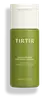
This smoothing exfoliator is formulated around Niacinamide and Gluconolactone to refine skin texture and balance excess oil.
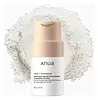
This tartaric acid powder cleanser is formulated around Tartaric Acid to exfoliate and smooth skin.

What's inside
What's inside
 Key Ingredients
Benefits
Concerns
Ingredients Side-by-side
Zea Mays Starch
Absorbent
Sodium Cocoyl Isethionate
Cleansing
Camellia Sinensis Leaf Powder 10%
Niacinamide
Smoothing










Water
Skin ConditioningDipotassium Glycyrrhizate
Humectant
Ceramide NP
Skin Conditioning

Citric Acid
Buffering

Allantoin
Skin Conditioning
Zinc PCA
Humectant
Gluconolactone
Chelating
Capryloyl Salicylic Acid
Exfoliating
CI 77220
Cosmetic ColorantMannitol
Humectant
Ethoxydiglycol
HumectantPapain
Skin Conditioning
Butylene Glycol
Humectant
1,2-Hexanediol
Skin Conditioning
Protease
Exfoliating
Octyldodecanol
Emollient
Asiaticoside
Antioxidant
Madecassic Acid
Skin Conditioning
Asiatic Acid
Skin Conditioning
Hydrogenated Lecithin
Emulsifying
Glycolipids
Skin ConditioningBromelain
Skin Conditioning
C12-13 Alketh-9
EmulsifyingCamellia Sinensis Leaf Extract
Antimicrobial
Sodium DNA
Skin Conditioning
Sodium Hyaluronate
Humectant
Ethylhexylglycerin
Skin ConditioningCyamopsis Tetragonoloba Gum
Emulsion StabilisingZea Mays Starch, Sodium Cocoyl Isethionate, Camellia Sinensis Leaf Powder 10%, Niacinamide, Water, Dipotassium Glycyrrhizate, Ceramide NP, Citric Acid, Allantoin, Zinc PCA, Gluconolactone, Capryloyl Salicylic Acid, CI 77220, Mannitol, Ethoxydiglycol, Papain, Butylene Glycol, 1,2-Hexanediol, Protease, Octyldodecanol, Asiaticoside, Madecassic Acid, Asiatic Acid, Hydrogenated Lecithin, Glycolipids, Bromelain, C12-13 Alketh-9, Camellia Sinensis Leaf Extract, Sodium DNA, Sodium Hyaluronate, Ethylhexylglycerin, Cyamopsis Tetragonoloba Gum
Zea Mays Starch
Absorbent
CI 77004
Cosmetic ColorantSodium Bicarbonate
Abrasive
Sodium Cocoyl Isethionate
Cleansing
Sodium Lauroyl Glutamate
SurfactantCitric Acid
Buffering
Sodium Polyacrylate
Absorbent
Diglycerin
Humectant
Allantoin
Skin Conditioning
Water
Skin ConditioningMaltodextrin
Absorbent
Papain
Skin Conditioning
Oryza Sativa Powder
Oryza Sativa Lees Extract
Skin ConditioningOryza Sativa Bran Water
Masking
Butylene Glycol
Humectant
1,2-Hexanediol
Skin Conditioning
Ceramide NP
Skin Conditioning
Ascorbic Acid
Antioxidant
Alpha-Arbutin
Antioxidant
Glucose
Humectant
Oryza Sativa Extract
Absorbent
Protease
Exfoliating
Dipropylene Glycol
HumectantGlycerin
Humectant
Tartaric Acid
Buffering
Lactic Acid
Buffering
Oryza Sativa Seed Protein
Antioxidant
Hydrolyzed Rice Protein
Skin ConditioningCaprylyl Glycol
Emollient
Zea Mays Starch, CI 77004, Sodium Bicarbonate, Sodium Cocoyl Isethionate, Sodium Lauroyl Glutamate, Citric Acid, Sodium Polyacrylate, Diglycerin, Allantoin, Water, Maltodextrin, Papain, Oryza Sativa Powder, Oryza Sativa Lees Extract, Oryza Sativa Bran Water, Butylene Glycol, 1,2-Hexanediol, Ceramide NP, Ascorbic Acid, Alpha-Arbutin, Glucose, Oryza Sativa Extract, Protease, Dipropylene Glycol, Glycerin, Tartaric Acid, Lactic Acid, Oryza Sativa Seed Protein, Hydrolyzed Rice Protein, Caprylyl Glycol
Reviews
Ingredients Explained
These ingredients are found in both products.
Ingredients higher up in an ingredient list are typically present in a larger amount.
1,2-Hexanediol is a synthetic liquid and another multi-functional powerhouse.
It is a:
- Humectant, drawing moisture into the skin
- Emollient, helping to soften skin
- Solvent, dispersing and stabilizing formulas
- Preservative booster, enhancing the antimicrobial activity of other preservatives
Allantoin is a soothing ingredient known for its protective and moisturizing properties; it's basically a quiet workhorse ingredient you can find in a huge range of cosmetics.
Though it can be derived from the comfrey plant, allantoin is produced synthetically for cosmetic products to ensure purity.
Research shows it can encourage your skin cells to turn over and renew by stimulating keratinocyte and fibroblast proliferation.
It also has mild keratolytic properties to help loosen and shed dead skin cells without being harsh.
Studies also suggest allantoin can help calm inflammation by dialing down some of the chemical signals your skin sends out when it is irritated.
This ingredient is typically used in the 0.1-0.5% range, and the FDA recognizes it as a skin protectant in OTC products up to 2%.
Overall, allantoin is a wonderful addition to most routines; it is stable across a wide pH range (~4-8), works well with other ingredients, and is considered non-sensitizing/non-irritating.
Fun fact: Allantoin is naturally occurring in comfrey root, beets, chamomile, and wheat sprouts. Our bodies even produce it as a byproduct of uric acid metabolism.
Learn more about AllantoinButylene Glycol (or BG) is used within cosmetic products for a few different reasons:
Overall, Butylene Glycol is a safe and well-rounded ingredient that works well with other ingredients.
Though this ingredient works well with most skin types, some people with sensitive skin may experience a reaction such as allergic rashes, closed comedones, or itchiness.
Learn more about Butylene GlycolCeramide NP (formerly known as Ceramide 3) is one of the skin's naturally occurring lipids.
Since ceramides are the major lipid components of the skin, they are crucial for maintaining skin barrier and hydration. Ceramide NP most closely mirrors the dominant kind in human skin amongst ceramide subtypes.
This ceramide works by slotting into gaps within the stratum corneum's lipid matrix to limit trans-epidermal water loss (TEWL) and shield the skin against external irritants.
A study with 312 patients found that using a ceramide-containing routine for 4 weeks reduced the severity of atopic dermatitis by over 61%.
Another clinical study in subjects aged 60 and older found that a ceramide body wash and moisturizer improved skin dryness and itchy skin in 15 days.
Overall, ceramides are considered non-irritating and safety tests have found little to no observable adverse effects from using this ingredient.
Ceramide NP is usually sourced from plants (like soybean or rice bran), or produced synthetically.
Learn more about Ceramide NPCitric Acid is an alpha hydroxy acid (AHA) naturally found in citrus fruits like oranges, lemons, and limes.
Like other AHAs, citric acid can exfoliate skin by breaking down the bonds that hold dead skin cells together. This helps reveal smoother and brighter skin underneath.
However, this exfoliating effect only happens at high concentrations (20%) which can be hard to find in cosmetic products.
Due to this, citric acid is usually included in small amounts as a pH adjuster. This helps keep products slightly more acidic and compatible with skin's natural pH.
In skincare formulas, citric acid can:
While it can provide some skin benefits, research shows lactic acid and glycolic acid are generally more effective and less irritating exfoliants.
Most citric acid used in skincare today is made by fermenting sugars (usually from molasses). This synthetic version is identical to the natural citrus form but easier to stabilize and use in formulations.
Rosacea skin has a lower threshold for acids generally, with 62.5% of rosacea subjects in one study reacting to lactic acid in a sting test. This is why we mark citric acid as a potential rosacea trigger.
However, this ingredient shows up as a pH adjuster or chelator at roughly 0.1-1% in many products. These low levels are unlikely to be an issue for rosacea skin and becomes a potential trigger at exfoliating concentrations (20%). Because everybody's skin is unique, we recommend a patch test if you are unsure.
Learn more about Citric AcidPapain is a proteolytic enzyme extracted from unripe papaya fruit. It is a gentle exfoliator that helps remove the dead skin cells from your outermost layer of skin.
Basically, papain works by dissolving the "glue" holding dead skin cells to your skin's surface. This also promotes cell turnover and smooths texture.
Unlike other exfoliants, papain can work without causing significant irritation.
Beyond exfoliation, its proteolytic action also helps soothe irritated skin and supports the healing of minor wounds.
A 2024 in vivo/in vitro study confirmed its potential to suppress skin inflammation and improve transepidermal water loss (TEWL) in atopic dermatitis models.
Just one thing worth noting: there are reports of allergic responses in individuals with a papaya or latex sensitivity. Be sure to patch test if you're in this camp.
Learn more about PapainProtease is an enzyme that works as a gentle exfoliant by mimicking something your skin already does naturally.
Your skin uses proteolytic enzymes to carry out desquamation; this is the process of shedding dead skin cells from the stratum corneum.
In skincare, proteases act as biological catalysts that mimic this natural desquamation process. You can think of it as giving your skin's own renewal system a nudge.
By breaking down the bonds that hold dead skin cells together, proteases help accelerate cell turnover to:
One reason they're becoming a popular AHA alternative is because proteases are considered effective while also being well-tolerated on skin. Because they work at a protein level rather than by lowering the skin pH, they can be a good option for those sensitive to AHAs.
Available in vitro and in vivo studies show positive exfoliant results but clinical (human) trials specifically on enzymatic exfoliation are still limited at this time.
Just one thing worth noting: temperature, pH, and stabilization are important factors that affect enzyme activity. The formulation quality definitely matters with this ingredient.
This ingredient can be either microbial sourced or plant-derived (papain from papaya, bromelain from pineapple).
Learn more about ProteaseSodium cocoyl isethionate is a natural ingredient from coconut oil. It is an ultra gentle cleanser that gives a nice foam without drying the skin or impacting the skin barrier.
The amount of foam created depends on the amount of sodium cocoyl isethionate used in the product.
This ingredient also helps improve the spreadability of a product.
This ingredient hasn’t been shown in studies to feed fungal acne yeast.
Learn more about Sodium Cocoyl IsethionateWater. It's the most common cosmetic ingredient of all. You'll usually see it at the top of ingredient lists, meaning that it makes up the largest part of the product.
So why is it so popular? Water most often acts as a solvent - this means that it helps dissolve other ingredients into the formulation.
You'll also recognize water as that liquid we all need to stay alive. If you see this, drink a glass of water. Remember to stay hydrated!
Learn more about WaterZea Mays Starch is starch made from corn. You might know this as cornstarch . It is used to thicken a product. It can replace talc as an absorbent.
The pH of cornstarch is 5.92.
Cornstarch is a common food ingredient used to thicken soups or to make corn syrup.
Learn more about Zea Mays Starch

