The Sun People Sun Seeker Face And Body Sunscreen SPF 50+ Versus Luxe Organix High Protection PDRN+Cera Soft Glow Serum Sunscreen SPF 50+
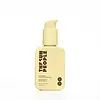
This hybrid sunscreen covers the full UV range and blocks ~98% of UVB at SPF 50.
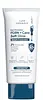
This chemical sunscreen covers the full UV range and blocks ~98% of UVB at SPF 50.

What's inside
What's inside
 Key Ingredients
Benefits
Concerns
Ingredients Side-by-side
Water
Skin ConditioningSodium Acrylate/Sodium Acryloyldimethyl Taurate Copolymer
Emulsion StabilisingC15-19 Alkane
SolventLauryl Glucoside
CleansingDipentaerythrityl Pentaisononanoate
EmollientCoco-Caprylate/Caprate
Emollient
Isostearyl Alcohol
Emollient


Ceramide NP
Skin Conditioning





Glycerin
Humectant
Xanthan Gum
EmulsifyingPropanediol
Solvent
Titanium Dioxide
Cosmetic Colorant

C12-15 Alkyl Benzoate
AntimicrobialDiethylamino Hydroxybenzoyl Hexyl Benzoate
UV Filter
Bis-Ethylhexyloxyphenol Methoxyphenyl Triazine
UV Absorber
Lecithin
Emollient
Butylene Glycol
Humectant
Phenoxyethanol
Preservative
Allantoin
Skin Conditioning
Lactobacillus/Arundinaria Gigantea Ferment Filtrate
Skin ConditioningPolyurethane-34
Avena Sativa Kernel Extract
Abrasive

Hyaluronic Acid
Humectant
Chamomilla Recutita Extract
Skin Conditioning
Centella Asiatica Extract
Cleansing
Water, Sodium Acrylate/Sodium Acryloyldimethyl Taurate Copolymer, C15-19 Alkane, Lauryl Glucoside, Dipentaerythrityl Pentaisononanoate, Coco-Caprylate/Caprate, Isostearyl Alcohol, Ceramide NP, Glycerin, Xanthan Gum, Propanediol, Titanium Dioxide, C12-15 Alkyl Benzoate, Diethylamino Hydroxybenzoyl Hexyl Benzoate, Bis-Ethylhexyloxyphenol Methoxyphenyl Triazine, Lecithin, Butylene Glycol, Phenoxyethanol, Allantoin, Lactobacillus/Arundinaria Gigantea Ferment Filtrate, Polyurethane-34, Avena Sativa Kernel Extract, Hyaluronic Acid, Chamomilla Recutita Extract, Centella Asiatica Extract
Water
Skin ConditioningDibutyl Adipate
EmollientCoco-Caprylate/Caprate
Emollient
Butylene Glycol
Humectant
Ethylhexyl Triazone
UV Absorber
Bis-Ethylhexyloxyphenol Methoxyphenyl Triazine
UV Absorber
Diethylamino Hydroxybenzoyl Hexyl Benzoate
UV Filter
Methylene Bis-Benzotriazolyl Tetramethylbutylphenol
UV Filter
Niacinamide
Smoothing





Polyglyceryl-3 Methylglucose Distearate
Emulsifying
Isotridecyl Isononanoate
EmollientBehenyl Alcohol
Emollient
Diisostearyl Malate
EmollientPhenoxyethanol
Preservative
Polyglyceryl-10 Pentastearate
Skin Conditioning
Propanediol
Solvent
Acrylates/C10-30 Alkyl Acrylate Crosspolymer
Emulsion StabilisingDecyl Glucoside
Cleansing
Adipic Acid/Diglycol Crosspolymer
Silica
Abrasive
Propylene Carbonate
SolventSodium Stearoyl Lactylate
EmulsifyingAminomethyl Propanol
BufferingPolyacrylate Crosspolymer-6
Emulsion StabilisingCaprylhydroxamic Acid
ChelatingAcacia Senegal Gum
MaskingXanthan Gum
EmulsifyingO-Cymen-5-Ol
Antimicrobial
Trisodium Ethylenediamine Disuccinate
ChelatingPropylene Glycol
Humectant
Sodium DNA
Skin Conditioning
Ceramide NP
Skin Conditioning
Cholesterol
Emollient
Phospholipids
Skin Conditioning
Phytosphingosine
Skin Conditioning
Ceramide Ag
Humectant
Ceramide AP
Skin Conditioning
Ceramide EOP
Skin Conditioning
Ceramide Ng
Skin Conditioning
Panthenol
Skin Conditioning
Saccharide Isomerate
Humectant
Glycerin
Humectant
1,2-Hexanediol
Skin Conditioning
Tocopherol
Antioxidant
Octyldodecanol
Emollient
Hydrolyzed Collagen
Emollient
Hydrogenated Lecithin
Emulsifying
Oryza Sativa Bran Oil
Emollient
Disodium EDTA
ChelatingTocotrienols
Skin Conditioning
Polyglyceryl-10 Dioleate
Emulsifying
Citric Acid
Buffering
Sodium Citrate
BufferingWater, Dibutyl Adipate, Coco-Caprylate/Caprate, Butylene Glycol, Ethylhexyl Triazone, Bis-Ethylhexyloxyphenol Methoxyphenyl Triazine, Diethylamino Hydroxybenzoyl Hexyl Benzoate, Methylene Bis-Benzotriazolyl Tetramethylbutylphenol, Niacinamide, Polyglyceryl-3 Methylglucose Distearate, Isotridecyl Isononanoate, Behenyl Alcohol, Diisostearyl Malate, Phenoxyethanol, Polyglyceryl-10 Pentastearate, Propanediol, Acrylates/C10-30 Alkyl Acrylate Crosspolymer, Decyl Glucoside, Adipic Acid/Diglycol Crosspolymer, Silica, Propylene Carbonate, Sodium Stearoyl Lactylate, Aminomethyl Propanol, Polyacrylate Crosspolymer-6, Caprylhydroxamic Acid, Acacia Senegal Gum, Xanthan Gum, O-Cymen-5-Ol, Trisodium Ethylenediamine Disuccinate, Propylene Glycol, Sodium DNA, Ceramide NP, Cholesterol, Phospholipids, Phytosphingosine, Ceramide Ag, Ceramide AP, Ceramide EOP, Ceramide Ng, Panthenol, Saccharide Isomerate, Glycerin, 1,2-Hexanediol, Tocopherol, Octyldodecanol, Hydrolyzed Collagen, Hydrogenated Lecithin, Oryza Sativa Bran Oil, Disodium EDTA, Tocotrienols, Polyglyceryl-10 Dioleate, Citric Acid, Sodium Citrate
Reviews
Ingredients Explained
These ingredients are found in both products.
Ingredients higher up in an ingredient list are typically present in a larger amount.
This ingredient is better known as bemotrizinol or Tinosorb S and is one of the best broad-spectrum UV filters in modern sunscreen.
It works by absorbing UV light across a whole range (280-400 nm) with peaks around 310 nm (UVB) and 340-345 nm (UVA). This means it covers UVB plus the deeper UVA wavelengths that drive photoaging and pigmentation.
Another pro?
It's exceptionally photostable, barely degrades in sunlight, and acts as a "bodyguard" for less stable filters.
That's why you'll see it paired with avobenzone or octinoxate; this team up ensures they keep working through sun exposure.
Safety reviews have been reassuring across the board. This ingredient shows low absorption through the skin, rarely irritates, and lab studies found it doesn't act like a hormone in the body (a concern that's been raised about some older sunscreen filters).
On maximum concentrations:
In 2026, the US F.D.A finally added it as an OTC sunscreen ingredient at concentrations up to 6% for adults / children 6 months and older
Learn more about Bis-Ethylhexyloxyphenol Methoxyphenyl TriazineButylene Glycol (or BG) is used within cosmetic products for a few different reasons:
Overall, Butylene Glycol is a safe and well-rounded ingredient that works well with other ingredients.
Though this ingredient works well with most skin types, some people with sensitive skin may experience a reaction such as allergic rashes, closed comedones, or itchiness.
Learn more about Butylene GlycolCeramide NP (formerly known as Ceramide 3) is one of the skin's naturally occurring lipids.
Since ceramides are the major lipid components of the skin, they are crucial for maintaining skin barrier and hydration. Ceramide NP most closely mirrors the dominant kind in human skin amongst ceramide subtypes.
This ceramide works by slotting into gaps within the stratum corneum's lipid matrix to limit trans-epidermal water loss (TEWL) and shield the skin against external irritants.
A study with 312 patients found that using a ceramide-containing routine for 4 weeks reduced the severity of atopic dermatitis by over 61%.
Another clinical study in subjects aged 60 and older found that a ceramide body wash and moisturizer improved skin dryness and itchy skin in 15 days.
Overall, ceramides are considered non-irritating and safety tests have found little to no observable adverse effects from using this ingredient.
Ceramide NP is usually sourced from plants (like soybean or rice bran), or produced synthetically.
Learn more about Ceramide NPCoco-Caprylate/Caprate is a lightweight ester created from coconut oil fatty acids, caprylic acid, and capric acid.
It is an emollient that helps soften skin and reduce transepidermal water loss (TEWL). What sets it apart from heavier emollients is its ultralight, non-greasy feel.
Once applied, this ingredient dries down quickly and leaves a dry, silky finish behind. This also helps improve spreadability and texture.
This ingredient has an excellent safety-record and is non-irritating.
Typical concentrations for cosmetics range from 0.5-62%.
Research on Malassezia growth found no growth on fatty acid esters with chain lengths shorter than 12 carbons (it prefers C11-24).
Since Coco-Caprylate/Caprate is built on C8 and C10 fatty acids, it is out of the range that Malassezia metabolizes, and therefore safe for fungal acne.
Learn more about Coco-Caprylate/CaprateDiethylamino Hydroxybenzoyl Hexyl Benzoate (DHHB) is a chemical UV-A absorber. It is formulated for high UVA protection (320-400 nm).
DHHB is well-liked for:
DHHB has been approved by the EU, Japan, Taiwan, and South America for use up to 10%. Unfortunately, it has not been approved for use in the US or Canada due to slow regulatory processes.
This ingredient is soluble in oils, fats, and lipids.
Learn more about Diethylamino Hydroxybenzoyl Hexyl BenzoateGlycerin (or glycerol) is a compound naturally found in your skin. It's a powerhouse humectant that pulls water into the stratum corneum.
Topically, glycerin does several things at once:
Your skin makes glycerin on its own (mostly from sebaceous oil breakdown) and shuttles it to your outermost layer of skin, or your epidermis, via aquaporin-3.
Aquaporin-3 is a transporter that is essential for normal skin hydration, elasticity, and repair. Interestingly, mice lacking in AQP3 have dry and less elastic skin that can be fully corrected with glycerin.
This ingredient is non-irritating, plays well with almost every ingredient, and works across all skin types. Typical use is anywhere between 3-10% but can go up to 79% in some leave-on products.
Just know very high concentrations (>40%) can feel tacky in low humidity.
Glycerin is the name for this ingredient in American English. British English uses Glycerol/Glycerine.
Learn more about GlycerinPhenoxyethanol is one of the most widely used preservatives in skincare (and for good reason!).
It has a large spectrum of antimicrobial activity and especially effective bacteria, yeast, and mold while only having a weak effect on your skin's natural microbiome.
On a cellular level, it disrupts the cell membranes of microbes by poking holes that make the cell leak. This shuts down the chemical reactions the microbe needs to make energy so it can no longer survive.
Another perk of this ingredient is that it stays functional across a wide pH range (3-10).
You'll often see it paired with boosters like Ethylhexylglycerin; one study showed that a 1:9 ratio of Ethylhexylglycerin to Phenoxyethanol damages bacterial membranes as effectively as doubling the Phenoxyethanol concentration on its own.
Typical use concentrations range from 0.3-1% depending on the formula, and this ingredient is capped at 1% int the EU.
Safety-wise, the fear mongering does not hold up to the evidence. The EU's Scientific Committee on Consumer Safety and FDA consider it safe as a preservative at up to 1%, including for children of all ages.
Adverse systemic effects only showed up in animal studies at exposures roughly 200x higher than what people get from cosmetics. And despite its very widespread use, this ingredient is a rare sensitizer and allergic reactions are uncommon.
Learn more about PhenoxyethanolPropanediol is an all-star ingredient. It softens, hydrates, and smooths the skin.
It’s often used to:
Propanediol is not likely to cause sensitivity and considered safe to use. It is derived from corn or petroleum with a clear color and no scent.
Learn more about PropanediolWater. It's the most common cosmetic ingredient of all. You'll usually see it at the top of ingredient lists, meaning that it makes up the largest part of the product.
So why is it so popular? Water most often acts as a solvent - this means that it helps dissolve other ingredients into the formulation.
You'll also recognize water as that liquid we all need to stay alive. If you see this, drink a glass of water. Remember to stay hydrated!
Learn more about WaterXanthan gum is used as a stabilizer and thickener within cosmetic products. It helps give products a sticky, thick feeling - preventing them from being too runny.
On the technical side of things, xanthan gum is a polysaccharide - a combination consisting of multiple sugar molecules bonded together.
Xanthan gum is a pretty common and great ingredient. It is a natural, non-toxic, non-irritating ingredient that is also commonly used in food products.
Learn more about Xanthan Gum

