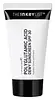
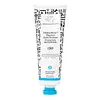
The INKEY List Polyglutamic Acid Dewy Sunscreen SPF 30 Versus Drunk Elephant Umbra Sheer Physical Daily Defense Broad Spectrum Sunscreen SPF 30
This chemical sunscreen covers most of the UV range, lighter on the deep UVA that drives aging.
This mineral sunscreen covers the full UV range and blocks ~97% of UVB at SPF 30.


What's inside
What's inside
 Key Ingredients
Benefits
Concerns
Ingredients Side-by-side
Water
Skin ConditioningOctocrylene
UV Absorber



Glycerin
Humectant


Ethylhexyl Salicylate
UV Absorber
Coco-Caprylate/Caprate
Emollient
Butyl Methoxydibenzoylmethane
UV Absorber
Phenylbenzimidazole Sulfonic Acid
UV Absorber
Triheptanoin
Skin ConditioningSaccharomyces Ferment
Skin Conditioning

Cetearyl Alcohol
Emollient


Glyceryl Stearate Se
Emulsifying
Tromethamine
BufferingGlyceryl Caprylate
EmollientPropanediol
Solvent
C9-12 Alkane
SolventDilinoleic Acid/Butanediol Copolymer
Sodium Stearoyl Glutamate
CleansingHydroxyethyl Acrylate/Sodium Acryloyldimethyl Taurate Copolymer
Emulsion StabilisingDimethicone
Emollient
Squalane
Emollient
Hectorite
AbsorbentLauroyl Lysine
Skin Conditioning
Hydroxyethylcellulose
Emulsion StabilisingCaprylhydroxamic Acid
ChelatingDimethiconol
Emollient
Polysorbate 60
Emulsifying
Acrylates/C10-30 Alkyl Acrylate Crosspolymer
Emulsion StabilisingOryza Sativa Hull Extract
MoisturisingCastor Oil/Ipdi Copolymer

Phenoxyethanol
Preservative
Polyglutamic Acid
Skin Conditioning
Sorbitan Isostearate
Emulsifying
Camellia Sinensis Leaf Extract
Antimicrobial



Ipomoea Batatas Root Extract
Skin ConditioningHydroxyacetophenone
Antioxidant
Sodium Benzoate
Masking
1,2-Hexanediol
Skin Conditioning
Caprylyl Glycol
Emollient
Lactobacillus Ferment Lysate
Skin Conditioning
Saccharomyces Lysate
Skin Conditioning
Water, Octocrylene, Glycerin, Ethylhexyl Salicylate, Coco-Caprylate/Caprate, Butyl Methoxydibenzoylmethane, Phenylbenzimidazole Sulfonic Acid, Triheptanoin, Saccharomyces Ferment, Cetearyl Alcohol, Glyceryl Stearate Se, Tromethamine, Glyceryl Caprylate, Propanediol, C9-12 Alkane, Dilinoleic Acid/Butanediol Copolymer, Sodium Stearoyl Glutamate, Hydroxyethyl Acrylate/Sodium Acryloyldimethyl Taurate Copolymer, Dimethicone, Squalane, Hectorite, Lauroyl Lysine, Hydroxyethylcellulose, Caprylhydroxamic Acid, Dimethiconol, Polysorbate 60, Acrylates/C10-30 Alkyl Acrylate Crosspolymer, Oryza Sativa Hull Extract, Castor Oil/Ipdi Copolymer, Phenoxyethanol, Polyglutamic Acid, Sorbitan Isostearate, Camellia Sinensis Leaf Extract, Ipomoea Batatas Root Extract, Hydroxyacetophenone, Sodium Benzoate, 1,2-Hexanediol, Caprylyl Glycol, Lactobacillus Ferment Lysate, Saccharomyces Lysate
Zinc Oxide 20%
Cosmetic Colorant
Water
Skin ConditioningCaprylic/Capric Triglyceride
Masking
Dicaprylyl Carbonate
EmollientPentylene Glycol
Skin Conditioning
Glycerin
Humectant
Steareth-2
EmulsifyingPropanediol
Solvent
Steareth-21
CleansingPolyhydroxystearic Acid
Emulsifying
Cetearyl Alcohol
Emollient
Silica
Abrasive
Sclerocarya Birrea Seed Oil
Humectant
Aloe Barbadensis Leaf Extract
Emollient
Chondrus Crispus Extract
Skin Conditioning
Haematococcus Pluvialis Extract
Antioxidant
Helianthus Annuus Sprout Extract
Skin ConditioningVitis Vinifera Juice Extract
Antioxidant
Helianthus Annuus Seed Oil
Emollient
Simmondsia Chinensis Seed Oil
Emollient
Raspberry Seed Oil/Tocopheryl Succinate Aminopropanediol Esters
Skin Conditioning
Hydrolyzed Wheat Protein
Skin ConditioningTocopheryl Acetate
Antioxidant
Tocopherol
Antioxidant
Sea Water
HumectantAcetyl Glucosamine
Skin Conditioning
Cetearyl Glucoside
Emulsifying
Sodium Stearoyl Glutamate
CleansingTetrahexyldecyl Ascorbate
Antioxidant

Glycine
Buffering
Sucrose
Humectant
Lecithin
Emollient
Triethoxycaprylylsilane
Xanthan Gum
EmulsifyingTrisodium Ethylenediamine Disuccinate
ChelatingCaprylhydroxamic Acid
ChelatingCaprylyl Glycol
Emollient
Phenoxyethanol
Preservative
Chlorphenesin
Antimicrobial
Sodium Dehydroacetate
Preservative
CI 77491
Cosmetic ColorantZinc Oxide 20%, Water, Caprylic/Capric Triglyceride, Dicaprylyl Carbonate, Pentylene Glycol, Glycerin, Steareth-2, Propanediol, Steareth-21, Polyhydroxystearic Acid, Cetearyl Alcohol, Silica, Sclerocarya Birrea Seed Oil, Aloe Barbadensis Leaf Extract, Chondrus Crispus Extract, Haematococcus Pluvialis Extract, Helianthus Annuus Sprout Extract, Vitis Vinifera Juice Extract, Helianthus Annuus Seed Oil, Simmondsia Chinensis Seed Oil, Raspberry Seed Oil/Tocopheryl Succinate Aminopropanediol Esters, Hydrolyzed Wheat Protein, Tocopheryl Acetate, Tocopherol, Sea Water, Acetyl Glucosamine, Cetearyl Glucoside, Sodium Stearoyl Glutamate, Tetrahexyldecyl Ascorbate, Glycine, Sucrose, Lecithin, Triethoxycaprylylsilane, Xanthan Gum, Trisodium Ethylenediamine Disuccinate, Caprylhydroxamic Acid, Caprylyl Glycol, Phenoxyethanol, Chlorphenesin, Sodium Dehydroacetate, CI 77491
Reviews
Ingredients Explained
These ingredients are found in both products.
Ingredients higher up in an ingredient list are typically present in a larger amount.
Caprylhydroxamic Acid is a chelating agent that helps cosmetics stay fresh, stable, and consistent over time.
Chelating agents help prevent metal ions from binding to other ingredients. This helps prevent unwanted reactions and effects from using the product. It also helps prevent the growth of unwanted microbes in products that contain water.
Caprylhydroxamic Acid is often used with natural antimicrobial products as an alternative to preservatives.
Learn more about Caprylhydroxamic AcidCaprylyl Glycol is a humectant, skin conditioner, emollient, and preservative booster derived from either caprylic acid or synthetically created.
Typical use levels vary from 0.3-1% as a preservative booster and go up to 2% to condition skin.
Because it is not a free-fatty acid, this ingredient is fungal acne safe (there's nothing for Malassezia to feed on).
Learn more about Caprylyl GlycolCetearyl alcohol is a waxy mixture of two fatty alcohols: cetyl alcohol and stearyl alcohol. It is an emollient and emulsifier.
Despite having "alcohol" in its name, it has nothing to do with drying solvent alcohols; the FDA also allows "alcohol-free" products to contain fatty alcohols like this ingredient.
It plays several roles in a formula:
Typical use levels for this ingredient sit around 1-10% and the Cosmetic Ingredient Review Expert Panel has affirmed safety at concentrations up to 25% in leave-on products.
Multiple assessments have found it to be non-irritating and non-sensitizing to most people.
However, there have been some cases of allergic contact dermatitis in patients with chronically compromised skin barriers.
Cetearyl alcohol has a comedogenic rating of 2 and irritancy rating of 1. Both of these numbers come from the 1989 study that used rabbit ears; a "2" means mildly comedogenic and a "1" means low irritancy.
Here's the catch: rabbit skin is more sensitive than human skin and throws a lot of false positives. A 1996 reappraisal found that ingredients rated 1-2 in the rabbit ear tests are generally safe for humans.
Remember comedogenic ratings are unable to assess the entire formula of a product or how it will react on your skin. Just be sure to patch test if you are unsure about certain ingredients.
This ingredient is not fungal acne safe. Cetearyl alcohol is a fatty alcohol with chain lengths that fall within the range that Malassezia can metabolize.
A 2019 study has also observed Malassezia growth in the presence of this ingredient, confirming it to be not-fungal acne safe.
Learn more about Cetearyl AlcoholGlycerin (or glycerol) is a compound naturally found in your skin. It's a powerhouse humectant that pulls water into the stratum corneum.
Topically, glycerin does several things at once:
Your skin makes glycerin on its own (mostly from sebaceous oil breakdown) and shuttles it to your outermost layer of skin, or your epidermis, via aquaporin-3.
Aquaporin-3 is a transporter that is essential for normal skin hydration, elasticity, and repair. Interestingly, mice lacking in AQP3 have dry and less elastic skin that can be fully corrected with glycerin.
This ingredient is non-irritating, plays well with almost every ingredient, and works across all skin types. Typical use is anywhere between 3-10% but can go up to 79% in some leave-on products.
Just know very high concentrations (>40%) can feel tacky in low humidity.
Glycerin is the name for this ingredient in American English. British English uses Glycerol/Glycerine.
Learn more about GlycerinPhenoxyethanol is one of the most widely used preservatives in skincare (and for good reason!).
It has a large spectrum of antimicrobial activity and especially effective bacteria, yeast, and mold while only having a weak effect on your skin's natural microbiome.
On a cellular level, it disrupts the cell membranes of microbes by poking holes that make the cell leak. This shuts down the chemical reactions the microbe needs to make energy so it can no longer survive.
Another perk of this ingredient is that it stays functional across a wide pH range (3-10).
You'll often see it paired with boosters like Ethylhexylglycerin; one study showed that a 1:9 ratio of Ethylhexylglycerin to Phenoxyethanol damages bacterial membranes as effectively as doubling the Phenoxyethanol concentration on its own.
Typical use concentrations range from 0.3-1% depending on the formula, and this ingredient is capped at 1% int the EU.
Safety-wise, the fear mongering does not hold up to the evidence. The EU's Scientific Committee on Consumer Safety and FDA consider it safe as a preservative at up to 1%, including for children of all ages.
Adverse systemic effects only showed up in animal studies at exposures roughly 200x higher than what people get from cosmetics. And despite its very widespread use, this ingredient is a rare sensitizer and allergic reactions are uncommon.
Learn more about PhenoxyethanolPropanediol is an all-star ingredient. It softens, hydrates, and smooths the skin.
It’s often used to:
Propanediol is not likely to cause sensitivity and considered safe to use. It is derived from corn or petroleum with a clear color and no scent.
Learn more about PropanediolSodium Stearoyl Glutamate is an amino-acid based emulsifier. It is made by combining stearic acid with L-glutamic acid and neutralizing it to a sodium salt.
As an emulsifier, it works mainly as an oil-in-water one and helps keep the oil and water in your formulas blended. It also contributes to a smooth, non-greasy skin feel.
This ingredient is biodegradable and commonly available in natural/COSMOS-certified grades.
Learn more about Sodium Stearoyl GlutamateWater. It's the most common cosmetic ingredient of all. You'll usually see it at the top of ingredient lists, meaning that it makes up the largest part of the product.
So why is it so popular? Water most often acts as a solvent - this means that it helps dissolve other ingredients into the formulation.
You'll also recognize water as that liquid we all need to stay alive. If you see this, drink a glass of water. Remember to stay hydrated!
Learn more about Water

