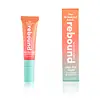
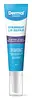
The Breakout Hack Rebound Stay The Night Tri-Peptide Lip Treatment Versus Dermal Therapy Overnight Lip Repair
This hydrating lip mask is formulated around Palmitoyl Tripeptide-38 and Tripeptide-1 to hydrate lips and soften the look of wrinkles.
This hydrating lip mask is formulated around Ricinus Communis Seed Oil and Urea to hydrate lips and strengthen the lip barrier.

What's inside
What's inside
 Key Ingredients
Benefits
Concerns
Ingredients Side-by-side
Triisostearin
Skin Conditioning

Polyglyceryl-2 Triisostearate
Emulsifying
Ricinus Communis Seed Oil
Masking


Helianthus Annuus Seed Oil
Emollient
Copernicia Cerifera Wax
Persea Gratissima Oil
Skin Conditioning

Glyceryl Behenate
Emollient
Squalane
Emollient

Punica Granatum Seed Oil
Emollient
Cocos Nucifera Oil
Masking

Magnesium Stearate
Cosmetic ColorantCalendula Officinalis Flower
Skin Conditioning
Isohexadecane
EmollientSimmondsia Chinensis Seed Oil
Emollient
Palmitoyl Tripeptide-38
Skin Conditioning

Tripeptide-1
Skin Conditioning
Portulaca Pilosa Extract
Skin ConditioningSodium Hyaluronate
Humectant
Ceramide NP
Skin Conditioning
Punica Granatum Flower Extract
Skin Conditioning
Tocopherol
Antioxidant



Bisabolol
Antioxidant
Sucrose Cocoate
Emulsifying
Cetearyl Ethylhexanoate
Emollient
Sorbitan Isostearate
Emulsifying
Polyglyceryl-3 Diisostearate
Emulsifying
Ethylene/Propylene/Styrene Copolymer
Butylene/Ethylene/Styrene Copolymer
Xanthan Gum
EmulsifyingPhenoxyethanol
Preservative
Triisostearin, Polyglyceryl-2 Triisostearate, Ricinus Communis Seed Oil, Helianthus Annuus Seed Oil, Copernicia Cerifera Wax, Persea Gratissima Oil, Glyceryl Behenate, Squalane, Punica Granatum Seed Oil, Cocos Nucifera Oil, Magnesium Stearate, Calendula Officinalis Flower, Isohexadecane, Simmondsia Chinensis Seed Oil, Palmitoyl Tripeptide-38, Tripeptide-1, Portulaca Pilosa Extract, Sodium Hyaluronate, Ceramide NP, Punica Granatum Flower Extract, Tocopherol, Bisabolol, Sucrose Cocoate, Cetearyl Ethylhexanoate, Sorbitan Isostearate, Polyglyceryl-3 Diisostearate, Ethylene/Propylene/Styrene Copolymer, Butylene/Ethylene/Styrene Copolymer, Xanthan Gum, Phenoxyethanol
Octyldodecanol
Emollient
Ricinus Communis Seed Oil
Masking
Water
Skin ConditioningVp/Eicosene Copolymer
Bis-Diglyceryl Polyacyladipate-2
Emollient
PEG-30 Dipolyhydroxystearate
Emulsifying
Glycerin
Humectant
Hydrogenated Castor Oil
Emollient
Urea
Buffering
Glycolic Acid
Buffering





Cera Alba
Emollient
Silica
Abrasive
Cetearyl Ethylhexanoate
Emollient
Sodium Hyaluronate
Humectant
Bakuchiol
Antimicrobial
Parfum
Masking
Hydroxyacetophenone
Antioxidant
Sodium Lactate
Buffering
Sodium PCA
Humectant
Tocopheryl Acetate
Antioxidant
Hydrolyzed Collagen
Emollient
Ascorbyl Tetraisopalmitate
Antioxidant
Ceramide NP
Skin Conditioning
Portulaca Pilosa Extract
Skin ConditioningCeramide AP
Skin Conditioning
Phytosphingosine
Skin Conditioning
Lactic Acid
Buffering
Carbomer
Emulsion StabilisingPalmitoyl Tripeptide-38
Skin Conditioning
Ceramide EOP
Skin Conditioning
Sucrose Cocoate
Emulsifying
Xanthan Gum
EmulsifyingRebaudioside A
Skin ConditioningSorbitan Isostearate
Emulsifying
Sodium Lauroyl Lactylate
EmulsifyingCholesterol
Emollient
Sodium Hydroxide
BufferingPhenoxyethanol
Preservative
Ethylhexylglycerin
Skin ConditioningBenzyl Alcohol
Perfuming

Potassium Sorbate
Preservative
Sodium Benzoate
Masking
Benzyl Salicylate
Perfuming
Citronellol
Perfuming
Geraniol
Perfuming
Linalool
Perfuming
Octyldodecanol, Ricinus Communis Seed Oil, Water, Vp/Eicosene Copolymer, Bis-Diglyceryl Polyacyladipate-2, PEG-30 Dipolyhydroxystearate, Glycerin, Hydrogenated Castor Oil, Urea, Glycolic Acid, Cera Alba, Silica, Cetearyl Ethylhexanoate, Sodium Hyaluronate, Bakuchiol, Parfum, Hydroxyacetophenone, Sodium Lactate, Sodium PCA, Tocopheryl Acetate, Hydrolyzed Collagen, Ascorbyl Tetraisopalmitate, Ceramide NP, Portulaca Pilosa Extract, Ceramide AP, Phytosphingosine, Lactic Acid, Carbomer, Palmitoyl Tripeptide-38, Ceramide EOP, Sucrose Cocoate, Xanthan Gum, Rebaudioside A, Sorbitan Isostearate, Sodium Lauroyl Lactylate, Cholesterol, Sodium Hydroxide, Phenoxyethanol, Ethylhexylglycerin, Benzyl Alcohol, Potassium Sorbate, Sodium Benzoate, Benzyl Salicylate, Citronellol, Geraniol, Linalool
Reviews
Ingredients Explained
These ingredients are found in both products.
Ingredients higher up in an ingredient list are typically present in a larger amount.
Ceramide NP (formerly known as Ceramide 3) is one of the skin's naturally occurring lipids.
Since ceramides are the major lipid components of the skin, they are crucial for maintaining skin barrier and hydration. Ceramide NP most closely mirrors the dominant kind in human skin amongst ceramide subtypes.
This ceramide works by slotting into gaps within the stratum corneum's lipid matrix to limit trans-epidermal water loss (TEWL) and shield the skin against external irritants.
A study with 312 patients found that using a ceramide-containing routine for 4 weeks reduced the severity of atopic dermatitis by over 61%.
Another clinical study in subjects aged 60 and older found that a ceramide body wash and moisturizer improved skin dryness and itchy skin in 15 days.
Overall, ceramides are considered non-irritating and safety tests have found little to no observable adverse effects from using this ingredient.
Ceramide NP is usually sourced from plants (like soybean or rice bran), or produced synthetically.
Learn more about Ceramide NPCetearyl Ethylhexanoate is derived from cetearyl alcohol and sorbic acid.
It is an emollient and helps hydrate the skin. Emollients form a barrier on the skin to prevent water from escaping.
This synthetic, signal peptide has unique skin conditioning properties in that is a matrikine-mimetic compound.
First of all, Palmitoyl Tripeptide-38 is a signal peptide; signal peptides tell the body to create more collagen.
What is a matrikine-mimetic compound?
This peptide has the ability to mimic matrikines in skin. Our skin created matrikines by breaking down matrix proteins into peptides.
Matrikines play a role in:
Though further research is needed, this ingredient seems pretty promising. In one study, women over the age of 40 with visible photoaging used a vitamin C serum with this ingredient for 56 days (15% ascorbid acid, 5 ppm palmitoyl tripeptide‐38). The results found improvement in skin roughness and skin tone.
This peptide is also part of the famous Matrixyl synthe’6, a blend of ingredients that also includes glycerin, water, and hydroxypropyl cyclodextrin.
Learn more about Palmitoyl Tripeptide-38Phenoxyethanol is one of the most widely used preservatives in skincare (and for good reason!).
It has a large spectrum of antimicrobial activity and especially effective bacteria, yeast, and mold while only having a weak effect on your skin's natural microbiome.
On a cellular level, it disrupts the cell membranes of microbes by poking holes that make the cell leak. This shuts down the chemical reactions the microbe needs to make energy so it can no longer survive.
Another perk of this ingredient is that it stays functional across a wide pH range (3-10).
You'll often see it paired with boosters like Ethylhexylglycerin; one study showed that a 1:9 ratio of Ethylhexylglycerin to Phenoxyethanol damages bacterial membranes as effectively as doubling the Phenoxyethanol concentration on its own.
Typical use concentrations range from 0.3-1% depending on the formula, and this ingredient is capped at 1% int the EU.
Safety-wise, the fear mongering does not hold up to the evidence. The EU's Scientific Committee on Consumer Safety and FDA consider it safe as a preservative at up to 1%, including for children of all ages.
Adverse systemic effects only showed up in animal studies at exposures roughly 200x higher than what people get from cosmetics. And despite its very widespread use, this ingredient is a rare sensitizer and allergic reactions are uncommon.
Learn more about PhenoxyethanolWe don't have a description for Portulaca Pilosa Extract yet.
This ingredient is also known as castor oil. It is a skin conditioning ingredient.
The star component of castor oil is ricinoleic acid, an unusual fatty acid that makes up ~80-92% of its composition.
In skincare, it is an emollient that dries down to a solid film with water-binding properties. This helps keep skin hydrated and helps reduce transepidermal water loss (TEWL).
A 2026 dermatology review pulls together its broader uses:
Human clinical testing found this ingredient to be non-irritating and non-sensitizing.
Because castor oil contains fatty acids in the C11-24 range, this ingredient may not be fungal acne safe.
At this time, the literature does not support castor oil in regrowing hair. A 2022 systematic review found no strong evidence that it supports hair growth and only weak evidence that it improves hair shine.
Castor oil itself carries "perfuming" and "masking" function tags according to the official CosIng database. This is because of its mild odor and odor-dampening properties.
Learn more about Ricinus Communis Seed OilSodium Hyaluronate is the salt form of hyaluronic acid. It is a long sugar chain that is naturally found in your skin, joints, and connective tissue that maintains hydration and elasticity.
In skincare, it works as a humectant. It pulls water from the environment and deeper layers of skin and binds it to the surface.
Interestingly, the size of the molecule affects its behavior:
Some clinical evidence links low molecular weight versions to improved wrinkle depth, elasticity, anti-inflammatory effects, and barrier repair.
Many serums use a blend of both weights so you can get surface hydration plus longer-lasting and deeper effects.
You'll typically see concentrations between 0.1-2% for this ingredient.
Learn more about Sodium HyaluronateSorbitan Isostearate is an emulsifer. It is created from isostearic acid and sorbitol.
As an emulsifier, it keeps the water and oil ingredients from separating. This keeps formulas stable and smooth.
In a 24 hour occlusive patch test on 56 subjects, 10% sorbitan isostearate was completely non-irritating. Most formulas use less than 10%.
Because it's a fatty acid ester, it may not be fungal acne safe since the Malassezia yeast can utilize it as a nutrient source.
Learn more about Sorbitan IsostearateSucrose cocoate is a mild multitasking ingredient made by esterifying sugar with the fatty acids of coconut oil.
It functions as a surfactant, emulsifier, and skin-conditioning ingredient all in one.
Typical use concentrations range from:
This ingredient is well-tolerated across skin types and has been classified safe for use in cosmetic products by the Cosmetic Ingredient Review Expert Panel. It's even considered gentle enough for use in baby care products like shampoos and lotions.
Fungal acne note: Sucrose cocoate is a fatty acid ester derived from coconut oil that contains fatty acids in the C12-18 range. This is the range that Malassezia can metabolize, meaning this ingredient may not be fungal acne safe.
Learn more about Sucrose CocoateXanthan gum is used as a stabilizer and thickener within cosmetic products. It helps give products a sticky, thick feeling - preventing them from being too runny.
On the technical side of things, xanthan gum is a polysaccharide - a combination consisting of multiple sugar molecules bonded together.
Xanthan gum is a pretty common and great ingredient. It is a natural, non-toxic, non-irritating ingredient that is also commonly used in food products.
Learn more about Xanthan Gum

