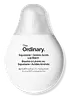
This barrier-repair lip moisturizer is formulated around Squalane and Sodium PCA to strengthen the lip barrier and hydrate lips.
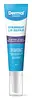
This hydrating lip mask is formulated around Ricinus Communis Seed Oil and Urea to hydrate lips and strengthen the lip barrier.


What's inside
What's inside
 Key Ingredients
Benefits
Concerns
Ingredients Side-by-side
Squalane
Emollient


Sorbitan Olivate
Emulsifying

Water
Skin ConditioningTrihydroxystearin
Skin Conditioning
Betaine
Humectant
Jojoba Esters
Emollient
Helianthus Annuus Seed Wax
Skin Conditioning
Sodium PCA
Humectant
PCA
Humectant
Serine
Masking
Alanine
Masking
Arginine
Masking
Proline
Skin Conditioning
Glycine
Buffering
Glutamic Acid
Humectant
Lysine Hcl
Skin Conditioning
Threonine
Sodium Lactate
Buffering
Adansonia Digitata Seed Oil
Emollient
Caprylic/Capric Triglyceride
Masking
Acacia Decurrens Flower Wax
Emollient
Polyglycerin-3
Humectant
Hydroxymethoxyphenyl Decanone
Skin ConditioningTocopherol
Antioxidant




Calcium Gluconate
HumectantGluconolactone
Chelating




Sodium Benzoate
Masking
Squalane, Sorbitan Olivate, Water, Trihydroxystearin, Betaine, Jojoba Esters, Helianthus Annuus Seed Wax, Sodium PCA, PCA, Serine, Alanine, Arginine, Proline, Glycine, Glutamic Acid, Lysine Hcl, Threonine, Sodium Lactate, Adansonia Digitata Seed Oil, Caprylic/Capric Triglyceride, Acacia Decurrens Flower Wax, Polyglycerin-3, Hydroxymethoxyphenyl Decanone, Tocopherol, Calcium Gluconate, Gluconolactone, Sodium Benzoate
Octyldodecanol
Emollient
Ricinus Communis Seed Oil
Masking
Water
Skin ConditioningVp/Eicosene Copolymer
Bis-Diglyceryl Polyacyladipate-2
Emollient
PEG-30 Dipolyhydroxystearate
Emulsifying
Glycerin
Humectant
Hydrogenated Castor Oil
Emollient
Urea
Buffering
Glycolic Acid
Buffering


Cera Alba
Emollient


Silica
Abrasive
Cetearyl Ethylhexanoate
Emollient
Sodium Hyaluronate
Humectant
Bakuchiol
Antimicrobial
Parfum
Masking
Hydroxyacetophenone
Antioxidant
Sodium Lactate
Buffering
Sodium PCA
Humectant
Tocopheryl Acetate
Antioxidant
Hydrolyzed Collagen
Emollient
Ascorbyl Tetraisopalmitate
Antioxidant
Ceramide NP
Skin Conditioning
Portulaca Pilosa Extract
Skin ConditioningCeramide AP
Skin Conditioning
Phytosphingosine
Skin Conditioning
Lactic Acid
Buffering
Carbomer
Emulsion StabilisingPalmitoyl Tripeptide-38
Skin Conditioning
Ceramide EOP
Skin Conditioning
Sucrose Cocoate
Emulsifying
Xanthan Gum
EmulsifyingRebaudioside A
Skin ConditioningSorbitan Isostearate
Emulsifying
Sodium Lauroyl Lactylate
EmulsifyingCholesterol
Emollient
Sodium Hydroxide
BufferingPhenoxyethanol
Preservative
Ethylhexylglycerin
Skin ConditioningBenzyl Alcohol
Perfuming

Potassium Sorbate
Preservative
Sodium Benzoate
Masking
Benzyl Salicylate
Perfuming
Citronellol
Perfuming
Geraniol
Perfuming
Linalool
Perfuming
Octyldodecanol, Ricinus Communis Seed Oil, Water, Vp/Eicosene Copolymer, Bis-Diglyceryl Polyacyladipate-2, PEG-30 Dipolyhydroxystearate, Glycerin, Hydrogenated Castor Oil, Urea, Glycolic Acid, Cera Alba, Silica, Cetearyl Ethylhexanoate, Sodium Hyaluronate, Bakuchiol, Parfum, Hydroxyacetophenone, Sodium Lactate, Sodium PCA, Tocopheryl Acetate, Hydrolyzed Collagen, Ascorbyl Tetraisopalmitate, Ceramide NP, Portulaca Pilosa Extract, Ceramide AP, Phytosphingosine, Lactic Acid, Carbomer, Palmitoyl Tripeptide-38, Ceramide EOP, Sucrose Cocoate, Xanthan Gum, Rebaudioside A, Sorbitan Isostearate, Sodium Lauroyl Lactylate, Cholesterol, Sodium Hydroxide, Phenoxyethanol, Ethylhexylglycerin, Benzyl Alcohol, Potassium Sorbate, Sodium Benzoate, Benzyl Salicylate, Citronellol, Geraniol, Linalool
Reviews
Ingredients Explained
These ingredients are found in both products.
Ingredients higher up in an ingredient list are typically present in a larger amount.
Sodium Benzoate is a preservative. It's used in both cosmetic and food products to inhibit the growth of mold and bacteria. It is typically produced synthetically.
Both the US FDA and EU Health Committee have approved the use of sodium benzoate. In the US, levels of 0.1% (of the total product) are allowed.
Sodium benzoate works as a preservative by inhibiting the growth of bacteria inside of cells. It prevents the cell from fermenting a type of sugar using an enzyme called phosphofructokinase.
It is the salt of benzoic acid. Foods containing sodium benzoate include soda, salad dressings, condiments, fruit juices, wines, and snack foods.
Studies for using ascorbic acid and sodium benzoate in cosmetics are lacking, especially in skincare routines with multiple steps.
We always recommend speaking with a professional, such as a dermatologist, if you have any concerns.
Learn more about Sodium BenzoateSodium Lactate is the sodium salt of lactic acid, an AHA. It is a humectant and sometimes used to adjust the pH of a product.
This ingredient is part of our skin's NMF, or natural moisturizing factor. Our NMF is essential for the hydration of our top skin layers and plasticity of skin. NMF also influences our skin's natural acid mantle and pH, which protects our skin from harmful bacteria.
High percentages of Sodium Lactate can have an exfoliating effect.
Fun fact: Sodium Lactate is produced from fermented sugar.
Learn more about Sodium LactateSodium PCA (the salt of PCA) is one of the most well-established humectants in skincare.
Why is it so special? Your skin already makes it naturally; it's a natural component of your skin's Natural Moisturizing Factor (NMF), or the mix of water-binding compounds inside your skin cells that keeps things soft and hydrated.
As a cosmetic ingredient, it grabs water and holds it in the upper layers of skin to smooth roughness and ease dehydration.
There's some clinical support for the NMF approach with a study showing that a cream built to mimic the skin's NMF significantly boosted hydration.
Safety-wise, this ingredient non-irritating, non-comedogenic, and non-phototoxic in testing, with minimal skin absorption.
It also works really well with other hydrators like glycerin or hyaluronic acid, and typical usage is somewhere between 0.2-4%.
Learn more about Sodium PCAWater. It's the most common cosmetic ingredient of all. You'll usually see it at the top of ingredient lists, meaning that it makes up the largest part of the product.
So why is it so popular? Water most often acts as a solvent - this means that it helps dissolve other ingredients into the formulation.
You'll also recognize water as that liquid we all need to stay alive. If you see this, drink a glass of water. Remember to stay hydrated!
Learn more about Water

