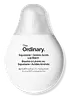
This barrier-repair lip moisturizer is formulated around Squalane and Sodium PCA to strengthen the lip barrier and hydrate lips.
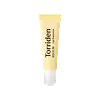
This barrier-repair lip moisturizer is formulated around Ceramide NP and Simmondsia Chinensis Seed Oil to strengthen the lip barrier and hydrate lips.


What's inside
What's inside
 Key Ingredients
Benefits
Concerns
Ingredients Side-by-side
Squalane
Emollient


Sorbitan Olivate
Emulsifying

Water
Skin ConditioningTrihydroxystearin
Skin Conditioning
Betaine
Humectant
Jojoba Esters
Emollient
Helianthus Annuus Seed Wax
Skin Conditioning
Sodium PCA
Humectant
PCA
Humectant
Serine
Masking
Alanine
Masking
Arginine
Masking
Proline
Skin Conditioning
Glycine
Buffering
Glutamic Acid
Humectant
Lysine Hcl
Skin Conditioning
Threonine
Sodium Lactate
Buffering
Adansonia Digitata Seed Oil
Emollient
Caprylic/Capric Triglyceride
Masking
Acacia Decurrens Flower Wax
Emollient
Polyglycerin-3
Humectant
Hydroxymethoxyphenyl Decanone
Skin ConditioningTocopherol
Antioxidant




Calcium Gluconate
HumectantGluconolactone
Skin Conditioning




Sodium Benzoate
Masking
Squalane, Sorbitan Olivate, Water, Trihydroxystearin, Betaine, Jojoba Esters, Helianthus Annuus Seed Wax, Sodium PCA, PCA, Serine, Alanine, Arginine, Proline, Glycine, Glutamic Acid, Lysine Hcl, Threonine, Sodium Lactate, Adansonia Digitata Seed Oil, Caprylic/Capric Triglyceride, Acacia Decurrens Flower Wax, Polyglycerin-3, Hydroxymethoxyphenyl Decanone, Tocopherol, Calcium Gluconate, Gluconolactone, Sodium Benzoate
Polyisobutene
Petrolatum
Emollient

Diisostearyl Malate
EmollientSimmondsia Chinensis Seed Oil
Emollient
Butyrospermum Parkii Butter
Skin Conditioning

Sorbitan Sesquioleate
Emulsifying
Macadamia Ternifolia Seed Oil
Emollient
Olea Europaea Fruit Oil
Masking
Adansonia Digitata Seed Oil
Emollient
Ceramide NP
Skin Conditioning
Ceramide Ns
Skin Conditioning
Ceramide As
Skin Conditioning
Ceramide EOP
Skin Conditioning
Ceramide AP
Skin Conditioning
Stearic Acid
Cleansing
Cholesterol
Emollient
Vinegar
Sodium Hyaluronate
Humectant
Panthenol
Skin Conditioning
Trehalose
Humectant
Hydrogenated Lecithin
Emulsifying
Microcrystalline Wax
Emulsion StabilisingSargassum Fusiforme Extract
Skin Protecting
Glycerin
Humectant
Butylene Glycol
Humectant
Water
Skin ConditioningCaprylic/Capric Triglyceride
Masking
1,2-Hexanediol
Skin Conditioning
Polyisobutene, Petrolatum, Diisostearyl Malate, Simmondsia Chinensis Seed Oil, Butyrospermum Parkii Butter, Sorbitan Sesquioleate, Macadamia Ternifolia Seed Oil, Olea Europaea Fruit Oil, Adansonia Digitata Seed Oil, Ceramide NP, Ceramide Ns, Ceramide As, Ceramide EOP, Ceramide AP, Stearic Acid, Cholesterol, Vinegar, Sodium Hyaluronate, Panthenol, Trehalose, Hydrogenated Lecithin, Microcrystalline Wax, Sargassum Fusiforme Extract, Glycerin, Butylene Glycol, Water, Caprylic/Capric Triglyceride, 1,2-Hexanediol
Reviews
Ingredients Explained
These ingredients are found in both products.
Ingredients higher up in an ingredient list are typically present in a larger amount.
This ingredient is also known as Baobab Seed Oil. Like most plant oils, it works by sitting on the skin's surface to slow water loss and keep skin soft.
The fatty acid content of this oil is roughly 25-36% linoleic acid, 20-30% oleic acid, and 25-30% palmitic acid. Plus, it has smaller amounts of stearic and linolenic acid.
Linoleic acid is the most abundant fatty acid naturally found in your epidermis and your skin uses it to build ceramides.
Baobab seed oil also brings some Vitamin E that provides mild antioxidant activity and helps keep the oil itself stable.
An actual human study that ran a 48-hour occlusive patch test found this ingredient caused no significant irritation.
Because this ingredient is full of C16-18 fatty acids that Malassezia feeds on, this ingredient may not be fungal acne safe.
Learn more about Adansonia Digitata Seed OilCaprylic/Capric Triglyceride (aka MCT Oil) is a lightweight emollient, solvent, and texture enhancer. It is considered a skin-softener by helping to prevent moisture loss.
Though it behaves like an oil, it is not technically one due to its chemical composition. One perk of this ingredient is that it is very stable, resistant to oxidation, and unlikely to go rancid.
In practice, that translates to a long shelf life and a consistently elegant skin feel.
While there is an assumption Caprylic Triglyceride can clog pores due to it being derived from coconut oil, there is no research supporting this. Just patch test if you have concerns.
Fractionated coconut oil and MCT Oil are both listed as Caprylic/Capric Triglyceride according to INCI. This is because INCI names are based on the ingredient’s final chemical composition and not its marketing name or source.
This ingredient is treated as the gold standard fungal acne safe oil. Even though it is coconut derived, the problematic lauric acid is stripped out.
This leaves just caprylic (C8) and capric (C10) acid. These chain lengths actually trend antifungal; a 2020 study found caprylic acid was enough to disrupt Malassezia furfur cell membrane, with a caprylic acid derivative damaging membrane structures at concentrations as low as 0.2%.
Learn more about Caprylic/Capric TriglycerideWater. It's the most common cosmetic ingredient of all. You'll usually see it at the top of ingredient lists, meaning that it makes up the largest part of the product.
So why is it so popular? Water most often acts as a solvent - this means that it helps dissolve other ingredients into the formulation.
You'll also recognize water as that liquid we all need to stay alive. If you see this, drink a glass of water. Remember to stay hydrated!
Learn more about Water

