

What's inside
What's inside
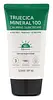 Key Ingredients
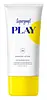
Benefits
Concerns
Ingredients Side-by-side
Water
Skin ConditioningCetyl Ethylhexanoate
EmollientButylene Glycol
Humectant

Glycerin
Humectant
Dipropylene Glycol
HumectantZinc Oxide
Cosmetic Colorant


Silica
Abrasive

1,2-Hexanediol
Skin Conditioning
Niacinamide
Smoothing







Polyglyceryl-3 Methylglucose Distearate
Emulsifying
Melaleuca Alternifolia Leaf Water
AntimicrobialCI 77891
Cosmetic ColorantSodium Polyacryloyldimethyl Taurate
Emulsion StabilisingCetearyl Olivate
Sorbitan Olivate
Emulsifying
Stearic Acid
Cleansing
Citrus Aurantium Dulcis Peel Oil
Masking


Lauroyl Lysine
Skin Conditioning
Disodium EDTA
Acrylates/C10-30 Alkyl Acrylate Crosspolymer
Emulsion StabilisingMelaleuca Alternifolia Leaf Oil
Antioxidant


Lavandula Angustifolia Oil
Masking
Adenosine
Skin Conditioning
Centella Asiatica Extract
Cleansing
Artemisia Vulgaris Extract
Skin Conditioning
Caprylyl Glycol
Emollient
Madecassoside
Antioxidant
Asiaticoside
Antioxidant
Asiatic Acid
Skin Conditioning
Madecassic Acid
Skin Conditioning
Water, Cetyl Ethylhexanoate, Butylene Glycol, Glycerin, Dipropylene Glycol, Zinc Oxide, Silica, 1,2-Hexanediol, Niacinamide, Polyglyceryl-3 Methylglucose Distearate, Melaleuca Alternifolia Leaf Water, CI 77891, Sodium Polyacryloyldimethyl Taurate, Cetearyl Olivate, Sorbitan Olivate, Stearic Acid, Citrus Aurantium Dulcis Peel Oil, Lauroyl Lysine, Disodium EDTA, Acrylates/C10-30 Alkyl Acrylate Crosspolymer, Melaleuca Alternifolia Leaf Oil, Lavandula Angustifolia Oil, Adenosine, Centella Asiatica Extract, Artemisia Vulgaris Extract, Caprylyl Glycol, Madecassoside, Asiaticoside, Asiatic Acid, Madecassic Acid
Butyl Methoxydibenzoylmethane 3%
UV Absorber
Homosalate 10%
Skin Conditioning
Ethylhexyl Salicylate 5%
UV Absorber
Water
Skin ConditioningPolyester-8
Skin Conditioning
Acrylates Copolymer
Diisopropyl Sebacate
EmollientGlycerin
Humectant
Isodecyl Neopentanoate
EmollientIsododecane
EmollientLauryl Lactate
EmollientCetyl Alcohol
Emollient
Potassium Cetyl Phosphate
EmulsifyingBrassica Campestris/Aleurites Fordi Oil Copolymer
Skin Conditioning
Oryza Sativa Bran Extract
Skin Conditioning
Cetearyl Olivate
Ammonium Acryloyldimethyltaurate/Vp Copolymer
Hydroxyacetophenone
Antioxidant
Sorbitan Olivate
Emulsifying
Diethylhexyl Syringylidenemalonate
Skin ProtectingAniba Rosaeodora Wood Oil
Astringent
Chlorphenesin
Antimicrobial
Citrus Aurantium Dulcis Peel Oil
Masking
Citrus Limon Peel Oil
Masking
Ethylhexylglycerin
Skin ConditioningEucalyptus Globulus Leaf Oil
Perfuming
Ocimum Basilicum Flower/Leaf Extract
TonicPelargonium Graveolens Flower Oil
Masking
Pogostemon Cablin Leaf Oil
Masking
Pentylene Glycol
Skin Conditioning
1,2-Hexanediol
Skin Conditioning
Caprylyl Glycol
Emollient
Xanthan Gum
EmulsifyingHelianthus Annuus Extract
Emollient
Behenic Acid
Cleansing
Cetyl Behenate
Isostearyl Isostearate
Emollient
Trisodium Ethylenediamine Disuccinate
Tocopherol
Antioxidant
Allantoin
Skin Conditioning
Rosmarinus Officinalis Leaf Extract
AntimicrobialCaprylic/Capric Triglyceride
Masking
Panthenol
Skin Conditioning
Pentasodium Triphosphate
BufferingCitric Acid
Buffering
Butyl Methoxydibenzoylmethane 3%, Homosalate 10%, Ethylhexyl Salicylate 5%, Water, Polyester-8, Acrylates Copolymer, Diisopropyl Sebacate, Glycerin, Isodecyl Neopentanoate, Isododecane, Lauryl Lactate, Cetyl Alcohol, Potassium Cetyl Phosphate, Brassica Campestris/Aleurites Fordi Oil Copolymer, Oryza Sativa Bran Extract, Cetearyl Olivate, Ammonium Acryloyldimethyltaurate/Vp Copolymer, Hydroxyacetophenone, Sorbitan Olivate, Diethylhexyl Syringylidenemalonate, Aniba Rosaeodora Wood Oil, Chlorphenesin, Citrus Aurantium Dulcis Peel Oil, Citrus Limon Peel Oil, Ethylhexylglycerin, Eucalyptus Globulus Leaf Oil, Ocimum Basilicum Flower/Leaf Extract, Pelargonium Graveolens Flower Oil, Pogostemon Cablin Leaf Oil, Pentylene Glycol, 1,2-Hexanediol, Caprylyl Glycol, Xanthan Gum, Helianthus Annuus Extract, Behenic Acid, Cetyl Behenate, Isostearyl Isostearate, Trisodium Ethylenediamine Disuccinate, Tocopherol, Allantoin, Rosmarinus Officinalis Leaf Extract, Caprylic/Capric Triglyceride, Panthenol, Pentasodium Triphosphate, Citric Acid
Reviews
Ingredients Explained
These ingredients are found in both products.
Ingredients higher up in an ingredient list are typically present in a larger amount.
1,2-Hexanediol is a synthetic liquid and another multi-functional powerhouse.
It is a:
- Humectant, drawing moisture into the skin
- Emollient, helping to soften skin
- Solvent, dispersing and stabilizing formulas
- Preservative booster, enhancing the antimicrobial activity of other preservatives
Caprylyl Glycol is a humectant, skin conditioner, emollient, and preservative booster derived from either caprylic acid or synthetically created.
Typical use levels vary from 0.3-1% as a preservative booster and go up to 2% to condition skin.
Because it is not a free-fatty acid or alcohol, this ingredient is fungal acne safe (there's nothing for Malassezia to feed on).
Learn more about Caprylyl GlycolCetearyl Olivate is a plant-derived emulsifier and texture enhancer. It helps keep the oil and water phases from separating so your formulas stay stable.
You'll likely see it combined with Sorbitan Olivate (together sold as the trade name Olivem 1000). This combination generates a liquid crystal structure that closely resemble the lipid organization of the stratum corneum.
These "skin-like" liquid crystals improve skin barrier integrity and promote the delivery of actives into the skin.
This ingredient is well-tolerated and has no significant sensitization data.
Because it is derived from the fatty acids in olive oil, this ingredient may not be fungal acne safe.
Learn more about Cetearyl OlivateCitrus Aurantium Dulcis Peel Oil is oil from the peel of an orange fruit.
Limonene and linalool make up the majority of oils from citrus peels. Limonene has a "citrus" fragrance. Citrus peels also contain flavonoids, which have anti-inflammatory properties.
Citrus peel is also a rich source of flavonoids. Flavonoids are natural antioxidants and help protect your skin against damage. Flavonoids are a group of compounds naturally found in vegetables and fruits.
The term 'fragrance' is not regulated in many countries. In many cases, it is up to the brand to define this term. For instance, many brands choose to label themselves as "fragrance-free" because they are not using synthetic fragrances. However, their products may still contain ingredients such as essential oils that are considered a fragrance.
Learn more about Citrus Aurantium Dulcis Peel OilGlycerin (or glycerol) is a compound naturally found in your skin. It's a powerhouse humectant that pulls water into the stratum corneum.
Topically, glycerin does several things at once:
Your skin makes glycerin on its own (mostly from sebaceous oil breakdown) and shuttles it to your outermost layer of skin, or your epidermis, via aquaporin-3.
Aquaporin-3 is a transporter that is essential for normal skin hydration, elasticity, and repair. Interestingly, mice lacking in AQP3 have dry and less elastic skin that can be fully corrected with glycerin.
This ingredient is non-irritating, plays well with almost every ingredient, and works across all skin types. Typical use is anywhere between 3-10% but can go up to 79% in some leave-on products.
Just know very high concentrations (>40%) can feel tacky in low humidity.
Glycerin is the name for this ingredient in American English. British English uses Glycerol/Glycerine.
Learn more about GlycerinSorbitan Olivate is created from the fatty acids in olive oil and sorbitol.
This ingredient is an oil in water emulsifier. It helps stabilize a product by preventing oils and waters from separating. Sorbitan Olivate also helps hydrate the skin.
This ingredient is also known as part of Olivem 1000, with Cetearyl Olivate being the other part.
According to a manufacturer, this ingredient helps preserve the natural microbiome of skin. Having a healthy microbiome helps keep our skin healthy and protects against harmful bacteria.
Please note, having a healthy microbiome is different from fungal acne; a healthy microbiome includes small amounts of yeast that normally live on your skin without causing problems.
Fungal acne happens when one type of yeast (Malassezia) grows out of control. This is usually because it's feeding on certain oils or fatty acids. Due to the olive oil base, this ingredient may not be fungal acne safe.
Learn more about Sorbitan OlivateWater. It's the most common cosmetic ingredient of all. You'll usually see it at the top of ingredient lists, meaning that it makes up the largest part of the product.
So why is it so popular? Water most often acts as a solvent - this means that it helps dissolve other ingredients into the formulation.
You'll also recognize water as that liquid we all need to stay alive. If you see this, drink a glass of water. Remember to stay hydrated!
Learn more about Water
