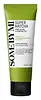
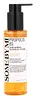
Some By Mi Super Matcha Pore Clean Cleansing Gel Versus Some By Mi Propolis B5 Glow Barrier Calming Oil To Foam
This mild gel cleanser is mild enough to cleanse without leaving skin feeling tight or stripped.
This foaming makeup remover is made to dissolve makeup, sunscreen, and daily buildup.

What's inside
What's inside
 Key Ingredients
Benefits
Concerns
Ingredients Side-by-side
Camellia Sinensis Leaf Water 62%
Masking
Glycerin
Humectant


Water
Skin ConditioningPotassium Cocoyl Glycinate
Surfactant
Lauryl Glucoside
CleansingCoco-Glucoside
Cleansing
Acrylates Copolymer
Sodium Cocoyl Isethionate
Cleansing
1,2-Hexanediol
Skin Conditioning
Salix Alba Bark Water
Astringent
Salix Alba Bark Extract
Astringent

Centella Asiatica Extract
Cleansing


Centella Asiatica Leaf Extract
Skin Conditioning
Melia Azadirachta Leaf Extract
Skin ConditioningMelia Azadirachta Flower Extract
Skin ConditioningCalamine
AbsorbentCamellia Sinensis Leaf Powder
Melaleuca Alternifolia Leaf Powder
Abrasive
Butylene Glycol
Humectant
Sodium
Hyaluronic Acid
Humectant
Allantoin
Skin Conditioning
Madecassic Acid
Skin Conditioning
Asiaticoside
Antioxidant
Asiatic Acid
Skin Conditioning
Madecassoside
Antioxidant
Cocos Nucifera Oil
Masking





Coco-Caprylate/Caprate
Emollient
Caprylyl Glycol
Emollient
Glyceryl Undecylenate
Emollient
Polyglyceryl-10 Myristate
Skin Conditioning
Potassium Cetyl Phosphate
EmulsifyingLauric Acid
Cleansing
Mannan
Lactobionic Acid
Buffering



Citric Acid
Buffering
Triethoxycaprylylsilane

Methylpropanediol
SolventBenzyl Glycol
SolventEthylhexylglycerin
Skin ConditioningRaspberry Ketone
Masking
Parfum
Masking
Camellia Sinensis Leaf Water 62%, Glycerin, Water, Potassium Cocoyl Glycinate, Lauryl Glucoside, Coco-Glucoside, Acrylates Copolymer, Sodium Cocoyl Isethionate, 1,2-Hexanediol, Salix Alba Bark Water, Salix Alba Bark Extract, Centella Asiatica Extract, Centella Asiatica Leaf Extract, Melia Azadirachta Leaf Extract, Melia Azadirachta Flower Extract, Calamine, Camellia Sinensis Leaf Powder, Melaleuca Alternifolia Leaf Powder, Butylene Glycol, Sodium, Hyaluronic Acid, Allantoin, Madecassic Acid, Asiaticoside, Asiatic Acid, Madecassoside, Cocos Nucifera Oil, Coco-Caprylate/Caprate, Caprylyl Glycol, Glyceryl Undecylenate, Polyglyceryl-10 Myristate, Potassium Cetyl Phosphate, Lauric Acid, Mannan, Lactobionic Acid, Citric Acid, Triethoxycaprylylsilane, Methylpropanediol, Benzyl Glycol, Ethylhexylglycerin, Raspberry Ketone, Parfum
Honey
Humectant
Royal Jelly Extract
Skin Conditioning
Ceramide NP
Skin Conditioning
Vitis Vinifera Seed Oil
Emollient
Saponaria Officinalis Leaf Extract
AntimicrobialQuillaja Saponaria Bark Extract
CleansingSapindus Mukorossi Fruit Extract
Skin ConditioningOlea Europaea Leaf Extract
Perfuming
Oenothera Biennis Oil
Emollient
Lactobacillus/Soybean Ferment Extract
Skin ConditioningPortulaca Oleracea Extract
Skin Conditioning
Cinnamomum Cassia Bark Extract
Masking
Scutellaria Baicalensis Root Extract
Astringent
Origanum Vulgare Leaf Extract
Skin ConditioningChamaecyparis Obtusa Leaf Extract
Skin ConditioningSalix Alba Bark Extract
Astringent
Glycolipids
Skin ConditioningPhytosphingosine
Skin Conditioning
Sodium Cocoyl Glycinate
Cleansing
Sodium Cocoyl Apple Amino Acids
Foam Boosting
Potassium Cocoyl Hydrolyzed Oat Protein
Skin Conditioning
Babassuamidopropyl Betaine
CleansingCoco-Glucoside
Cleansing
Potassium Stearate
CleansingPotassium Myristate
EmulsifyingTromethamine
BufferingSodium Surfactin
CleansingGlyceryl Laurate
Emollient
Hydrogenated Lecithin
Emulsifying
Erythritol
Humectant
Caprylic/Capric Triglyceride
Masking
Butylene Glycol
Humectant
Dipropylene Glycol
HumectantC12-15 Alkyl Benzoate
AntimicrobialCaprylyl Glycol
Emollient
Hexylene Glycol
EmulsifyingEthylhexylglycerin
Skin ConditioningGlyceryl Caprylate
EmollientSodium Benzoate
Masking
Pentylene Glycol
Skin Conditioning
CI 17200
Cosmetic ColorantCI 19140
Cosmetic ColorantTetrasodium Glutamate Diacetate
ChelatingDisodium EDTA
ChelatingParfum
Masking
Honey, Royal Jelly Extract, Ceramide NP, Vitis Vinifera Seed Oil, Saponaria Officinalis Leaf Extract, Quillaja Saponaria Bark Extract, Sapindus Mukorossi Fruit Extract, Olea Europaea Leaf Extract, Oenothera Biennis Oil, Lactobacillus/Soybean Ferment Extract, Portulaca Oleracea Extract, Cinnamomum Cassia Bark Extract, Scutellaria Baicalensis Root Extract, Origanum Vulgare Leaf Extract, Chamaecyparis Obtusa Leaf Extract, Salix Alba Bark Extract, Glycolipids, Phytosphingosine, Sodium Cocoyl Glycinate, Sodium Cocoyl Apple Amino Acids, Potassium Cocoyl Hydrolyzed Oat Protein, Babassuamidopropyl Betaine, Coco-Glucoside, Potassium Stearate, Potassium Myristate, Tromethamine, Sodium Surfactin, Glyceryl Laurate, Hydrogenated Lecithin, Erythritol, Caprylic/Capric Triglyceride, Butylene Glycol, Dipropylene Glycol, C12-15 Alkyl Benzoate, Caprylyl Glycol, Hexylene Glycol, Ethylhexylglycerin, Glyceryl Caprylate, Sodium Benzoate, Pentylene Glycol, CI 17200, CI 19140, Tetrasodium Glutamate Diacetate, Disodium EDTA, Parfum
Reviews
Ingredients Explained
These ingredients are found in both products.
Ingredients higher up in an ingredient list are typically present in a larger amount.
Butylene Glycol (or BG) is used within cosmetic products for a few different reasons:
Overall, Butylene Glycol is a safe and well-rounded ingredient that works well with other ingredients.
Though this ingredient works well with most skin types, some people with sensitive skin may experience a reaction such as allergic rashes, closed comedones, or itchiness.
Learn more about Butylene GlycolCaprylyl Glycol is a humectant, skin conditioner, emollient, and preservative booster derived from either caprylic acid or synthetically created.
Typical use levels vary from 0.3-1% as a preservative booster and go up to 2% to condition skin.
Because it is not a free-fatty acid, this ingredient is fungal acne safe (there's nothing for Malassezia to feed on).
Learn more about Caprylyl GlycolCoco-Glucoside is a surfactant, or a cleansing ingredient. It is made from glucose and coconut oil.
Surfactants help gather dirt, oil, and other pollutants from your skin to be rinsed away.
This ingredient is considered gentle and non-comedogenic. However, it may still be irritating for some.
Learn more about Coco-GlucosideEthylhexylglycerin is created from glycerin. It is a multitasker ingredient that:
The CIR Expert Panel found minimal skin absorption or sensitization of any kind in a safety assessment. Though this ingredient is considered well-tolerated, a small number of cases of allergic dermatitis have been published since 2002. Just be sure to patch test if you are unsure.
Industry-reported use ranges from 8% in rinse-off products and 2% in leave-on formulations.
Learn more about EthylhexylglycerinParfum is a catch-all term for an ingredient or more that is used to give a scent to products.
Also called "fragrance", this ingredient can be a blend of hundreds of chemicals or plant oils. This means every product with "fragrance" or "parfum" in the ingredients list is a different mixture.
For instance, Habanolide is a proprietary trade name for a specific aroma chemical. When used as a fragrance ingredient in cosmetics, most aroma chemicals fall under the broad labeling category of “FRAGRANCE” or “PARFUM” according to EU and US regulations.
The term 'parfum' or 'fragrance' is not regulated in many countries. In many cases, it is up to the brand to define this term.
For instance, many brands choose to label themselves as "fragrance-free" because they are not using synthetic fragrances. However, their products may still contain ingredients such as essential oils that are considered a fragrance by INCI standards.
One example is Calendula flower extract. Calendula is an essential oil that still imparts a scent or 'fragrance'.
Depending on the blend, the ingredients in the mixture can cause allergies and sensitivities on the skin. Some ingredients that are known EU allergens include linalool and citronellol.
Parfum can also be used to mask or cover an unpleasant scent.
The bottom line is: not all fragrances/parfum/ingredients are created equally. If you are worried about fragrances, we recommend taking a closer look at an ingredient. And of course, we always recommend speaking with a professional.
Learn more about ParfumSalix Alba Bark Extract comes from the bark of the white willow tree. The official CosIng listing states this ingredient to have astringent, skin conditioning, soothing, and tonic properties.
Its star compound is salicin, a natural glucoside that is chemically related to salicylic acid. That's why you'll often see it marketed as a "natural BHA alternative" but that's a bit of a stretch.
Your skin can't convert salicin to salicylic acid because it needs specific enzymes that aren't present on the skin's surface. It won't behave like true salicylic acid, especially at the concentrations used in cosmetics.
However, this ingredient has its own perks. It contains flavonoids, polyphenols, and tannins that give it proven antioxidant and soothing properties.
An 8-week clinical study found a cream with 2% of this extract improved skin microcirculation, elasticity, and dark circles. This is most likely due to its role in increasing hyaluronic acid synthesis in fibroblasts and improved vascular integrity.
Another study found a topical serum with 0.5% salicin showed improvements in visible signs of aging, hyperpigmentation, and texture.
Just be careful if you have a known aspirin/salicylate allergy and be sure to consult with a medical professional about using this ingredient if you do.
Fun fact: Willow Bark extract has been used for thousands of years and ancient civilizations used white willow to help treat pain and fevers.
Learn more about Salix Alba Bark Extract

