

What's inside
What's inside
 Key Ingredients
Benefits
Concerns
Ingredients Side-by-side
Water
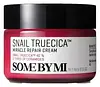
Skin ConditioningSnail Secretion Filtrate 40%
Skin Conditioning





Propanediol
Solvent
Dicaprylyl Carbonate
EmollientPolyglyceryl-3 Methylglucose Distearate
Emulsifying

Niacinamide
Smoothing







1,2-Hexanediol
Skin Conditioning
Melaleuca Alternifolia Leaf Extract
Perfuming
Centella Asiatica Extract
Cleansing
Butylene Glycol
Humectant
Cyclomethicone
Emollient
Cetearyl Alcohol
Emollient




Squalene
Emollient
Glyceryl Stearate
Emollient
Carbomer
Emulsion StabilisingTromethamine
BufferingCitrus Aurantium Bergamia Fruit Oil
Masking


Sodium Polyacrylate
Absorbent
Madecassoside
Antioxidant
Ethylhexylglycerin
Skin ConditioningArtemisia Princeps Leaf Extract
Skin ConditioningHydrolyzed Collagen
Emollient
Glycerin
Humectant
Adenosine
Skin Conditioning
Disodium EDTA
Salvia Officinalis Oil
Masking
Tocopherol
Antioxidant
Hydrolyzed Vegetable Protein
Skin ConditioningHydrogenated Lecithin
Emulsifying
Asiaticoside
Antioxidant
Madecassic Acid
Skin Conditioning
Asiatic Acid
Skin Conditioning
Stearic Acid
Cleansing
Ceramide NP
Skin Conditioning
Ceramide Ns
Skin Conditioning
Phytosphingosine
Skin Conditioning
Cholesterol
Emollient
Ceramide As
Skin Conditioning
Ceramide AP
Skin Conditioning
Ceramide EOP
Skin Conditioning
Limonene
Perfuming
Linalool
Perfuming
Water, Snail Secretion Filtrate 40%, Propanediol, Dicaprylyl Carbonate, Polyglyceryl-3 Methylglucose Distearate, Niacinamide, 1,2-Hexanediol, Melaleuca Alternifolia Leaf Extract, Centella Asiatica Extract, Butylene Glycol, Cyclomethicone, Cetearyl Alcohol, Squalene, Glyceryl Stearate, Carbomer, Tromethamine, Citrus Aurantium Bergamia Fruit Oil, Sodium Polyacrylate, Madecassoside, Ethylhexylglycerin, Artemisia Princeps Leaf Extract, Hydrolyzed Collagen, Glycerin, Adenosine, Disodium EDTA, Salvia Officinalis Oil, Tocopherol, Hydrolyzed Vegetable Protein, Hydrogenated Lecithin, Asiaticoside, Madecassic Acid, Asiatic Acid, Stearic Acid, Ceramide NP, Ceramide Ns, Phytosphingosine, Cholesterol, Ceramide As, Ceramide AP, Ceramide EOP, Limonene, Linalool
Water
Skin ConditioningDicaprylyl Carbonate
EmollientDiethylamino Hydroxybenzoyl Hexyl Benzoate
UV Filter
Diethylhexyl Butamido Triazone
UV Absorber
Diisopropyl Adipate
EmollientSilica
Abrasive
Cetearyl Alcohol
Emollient
Bis-Ethylhexyloxyphenol Methoxyphenyl Triazine
Skin Conditioning
Ceteareth-20
CleansingEthylhexyl Triazone
UV Absorber
Dimethicone
Emollient
Niacinamide
Smoothing
Polymethyl Methacrylate
Pentylene Glycol
Skin Conditioning
Polyester-7
Skin ConditioningAminomethyl Propanol
BufferingBeta-Carotene
Skin ConditioningBeta-Sitosterol
Emulsion Stabilising
Cetearyl Dimethicone Crosspolymer
Daucus Carota Sativa Root Extract
Skin Conditioning
Glycine Soja Oil
Emollient
Hydrogenated Phosphatidylcholine
Emulsifying
Lecithin
Emollient
Lepidium Sativum Sprout Extract
Skin ConditioningSqualene
Emollient
Alpha-Glucan Oligosaccharide
Cleansing
Caffeyl Glucoside
Antioxidant
Disodium Acetyl Glucosamine Phosphate
Skin ConditioningGlucose
Humectant
Glycerin
Humectant
Phytic Acid

Rhamnose
HumectantTocopherol
Antioxidant
Tocopheryl Acetate
Antioxidant
1,2-Hexanediol
Skin Conditioning
Caprylic/Capric Triglyceride
Masking
Caprylyl Glycol
Emollient
Citric Acid
Buffering
Glucuronic Acid
Buffering
Hydroxyethyl Acrylate/Sodium Acryloyldimethyl Taurate Copolymer
Emulsion StabilisingLysolecithin
EmulsifyingNeopentyl Glycol Diheptanoate
EmollientPolysorbate 60
Emulsifying
Propanediol
Solvent
Sodium Laureth Sulfate
Cleansing

Sorbitan Isostearate
Emulsifying
Xanthan Gum
EmulsifyingPotassium Sorbate
Preservative
Sodium Benzoate
Masking
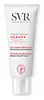
Water, Dicaprylyl Carbonate, Diethylamino Hydroxybenzoyl Hexyl Benzoate, Diethylhexyl Butamido Triazone, Diisopropyl Adipate, Silica, Cetearyl Alcohol, Bis-Ethylhexyloxyphenol Methoxyphenyl Triazine, Ceteareth-20, Ethylhexyl Triazone, Dimethicone, Niacinamide, Polymethyl Methacrylate, Pentylene Glycol, Polyester-7, Aminomethyl Propanol, Beta-Carotene, Beta-Sitosterol, Cetearyl Dimethicone Crosspolymer, Daucus Carota Sativa Root Extract, Glycine Soja Oil, Hydrogenated Phosphatidylcholine, Lecithin, Lepidium Sativum Sprout Extract, Squalene, Alpha-Glucan Oligosaccharide, Caffeyl Glucoside, Disodium Acetyl Glucosamine Phosphate, Glucose, Glycerin, Phytic Acid, Rhamnose, Tocopherol, Tocopheryl Acetate, 1,2-Hexanediol, Caprylic/Capric Triglyceride, Caprylyl Glycol, Citric Acid, Glucuronic Acid, Hydroxyethyl Acrylate/Sodium Acryloyldimethyl Taurate Copolymer, Lysolecithin, Neopentyl Glycol Diheptanoate, Polysorbate 60, Propanediol, Sodium Laureth Sulfate, Sorbitan Isostearate, Xanthan Gum, Potassium Sorbate, Sodium Benzoate
Reviews
Ingredients Explained
These ingredients are found in both products.
Ingredients higher up in an ingredient list are typically present in a larger amount.
1,2-Hexanediol is a synthetic liquid and another multi-functional powerhouse.
It is a:
- Humectant, drawing moisture into the skin
- Emollient, helping to soften skin
- Solvent, dispersing and stabilizing formulas
- Preservative booster, enhancing the antimicrobial activity of other preservatives
Cetearyl alcohol is a waxy mixture of two fatty alcohols: cetyl alcohol and stearyl alcohol. It is an emollient and emulsifier.
Despite having "alcohol" in its name, it has nothing to do with drying solvent alcohols; the FDA also allows "alcohol-free" products to contain fatty alcohols like this ingredient.
It plays several roles in a formula:
Typical use levels for this ingredient sit around 1-10% and the Cosmetic Ingredient Review Expert Panel has affirmed safety at concentrations up to 25% in leave-on products.
Multiple assessments have found it to be non-irritating and non-sensitizing to most people.
However, there have been some cases of allergic contact dermatitis in patients with chronically compromised skin barriers.
Cetearyl alcohol has a comedogenic rating of 2 and irritancy rating of 1. Both of these numbers come from the 1989 study that used rabbit ears; a "2" means mildly comedogenic and a "1" means low irritancy.
Here's the catch: rabbit skin is more sensitive than human skin and throws a lot of false positives. A 1996 reappraisal found that ingredients rated 1-2 in the rabbit ear tests are generally safe for humans.
Remember comedogenic ratings are unable to assess the entire formula of a product or how it will react on your skin. Just be sure to patch test if you are unsure about certain ingredients.
This ingredient is not fungal acne safe. Cetearyl alcohol is a fatty alcohol with chain lengths that fall within the range that Malassezia can metabolize.
A 2019 study has also observed Malassezia growth in the presence of this ingredient, confirming it to be not-fungal acne safe.
Learn more about Cetearyl AlcoholDicaprylyl Carbonate comes from carbonic acid and caprylyl alcohol, a fatty alcohol. It is an emollient and gives skin a velvet feel. The sources of Dicaprylyl Carbonate may be synthetic or from animals.
As an emollient, Dicaprylyl Carbonate creates a film on the skin. This film traps moisture in, keeping your skin soft and hydrated.
Glycerin (or glycerol) is a compound naturally found in your skin. It's a powerhouse humectant that pulls water into the stratum corneum.
Topically, glycerin does several things at once:
Your skin makes glycerin on its own (mostly from sebaceous oil breakdown) and shuttles it to your outermost layer of skin, or your epidermis, via aquaporin-3.
Aquaporin-3 is a transporter that is essential for normal skin hydration, elasticity, and repair. Interestingly, mice lacking in AQP3 have dry and less elastic skin that can be fully corrected with glycerin.
This ingredient is non-irritating, plays well with almost every ingredient, and works across all skin types. Typical use is anywhere between 3-10% but can go up to 79% in some leave-on products.
Just know very high concentrations (>40%) can feel tacky in low humidity.
Glycerin is the name for this ingredient in American English. British English uses Glycerol/Glycerine.
Learn more about GlycerinNiacinamide is a multitasking form of vitamin B3 that strengthens the skin barrier, reduces pores and dark spots, regulates oil, and improves signs of aging.
And the best part? It's gentle and well-tolerated by most skin types, including sensitive and reactive skin.
You might have heard of "niacin flush", or the reddening of skin that causes itchiness. Niacinamide has not been found to cause this.
In very rare cases, some individuals may not be able to tolerate niacinamide at all or experience an allergic reaction to it.
If you are experiencing flaking, irritation, and dryness with this ingredient, be sure to double check all your products as this ingredient can be found in all categories of skincare.
When incorporating niacinamide into your routine, look out for concentration amounts. Typically, 5% niacinamide provides benefits such as fading dark spots. However, if you have sensitive skin, it is better to begin with a smaller concentration.
When you apply niacinamide to your skin, your body converts it into nicotinamide adenine dinucleotide (NAD). NAD is an essential coenzyme that is already found in your cells as "fuel" and powers countless biological processes.
In your skin, NAD helps repair cell damage, produce new healthy cells, support collagen production, strengthen the skin barrier, and fight environmental stressors (like UV and pollution).
Our natural NAD levels start to decline with age, leading to slower skin repair, visible aging, and a weaker skin barrier. By providing your skin niacinamide, you're recharging your skin's NAD levels. This leads to stronger, healthier, and younger looking skin.
Another name for vitamin B3 is nicotinamide. This vitamin is water-soluble and our bodies don't store it. We obtain Vitamin B3 from either food or skincare. Meat, fish, wheat, yeast, and leafy greens contain vitamin B3.
The type of niacinamide used in skincare is synthetically created.
Learn more about NiacinamidePropanediol is an all-star ingredient. It softens, hydrates, and smooths the skin.
It’s often used to:
Propanediol is not likely to cause sensitivity and considered safe to use. It is derived from corn or petroleum with a clear color and no scent.
Learn more about PropanediolSqualene is one of the main components of skin surface lipids. It is naturally found in our skin and makes up about 13% of sebum.
Topically, it is an emollient and skin conditioning agent.
Research highlights its role in antioxidant activity, anti-inflammatory effects, skin barrier protection, and wound healing support.
In vivo research has shown that transepidermal water loss (TEWL) caused by irritant exposure can be reverse with squalene supplementation (pointing to barrier recovery support).
Its antioxidant activity is backed by ex vivo and cell-based evidence showing it can scavenge free radicals but large-scale human clinical trials isolating this effect remain limited.
One study found squalene regulated proinflammatory behavior in ways relevant to wound healing, and in vitro fibroblast studies also shows it stimulates cell migration which is a key step in skin repair.
There's just one nuance to know about this ingredient:
Squalene is particularly vulnerable to oxidation; it breaks down from UV exposure 10x faster than the other lipids on your skin's surface. The byproducts of that breakdown can clog pores and trigger inflammation, potentially worsening acne.
This is why squalene is often hydrogenated into its stable counterpart: squalane (with an "a"). Most great formulations will have alreadu kept this in mind.
Squalene has shown no significant clinical evidence of sensitization and is a great hydrating ingredient.
Learn more about SqualeneTocopherol is a fat-soluble antioxidant known as Vitamin E.
You'll find this ingredient in the vast majority of skincare (for good reason). It works to neutralize free radicals, or unstable molecules generated by UV exposure, pollution, and other environmental stressors, before they can cause oxidative damage to your skin cells.
Topically applied tocopherol has been shown to protect against UV damage by ramping up the skin's own natural defense enzymes.
It also acts as a skin conditioning agent; some studies show that regular topical use can improve the skin's water-binding capacity over 2-4 weeks.
This ingredient is especially loved for being a team player. When combined with Vitamin C, the photoprotective effect of both ingredients roughly doubles and the combo also helps reduce UV-induced DNA damage.
This ingredient has some brightening potential but it's more of a prevention ingredient than spot-fader. Cell studies show it can slow down melanin production but it's worth noting that it's not the most powerful brightener out there.
In formulations, it also serves as a stabilizer that helps protect other oxidation-prone ingredients from degrading.
Concentrations usually range from 0.1-1% in most leave-on products.
Learn more about TocopherolWater. It's the most common cosmetic ingredient of all. You'll usually see it at the top of ingredient lists, meaning that it makes up the largest part of the product.
So why is it so popular? Water most often acts as a solvent - this means that it helps dissolve other ingredients into the formulation.
You'll also recognize water as that liquid we all need to stay alive. If you see this, drink a glass of water. Remember to stay hydrated!
Learn more about Water

