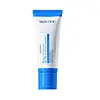
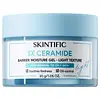
Skintific 5% B5 Ceramide Barrier Relief Moisturizer Versus Skintific 5X Ceramide Barrier Moisture Gel - Light Texture
This barrier-repair moisturizer is formulated around Panthenol and Ceramide NP to strengthen the skin barrier and calm redness.
This barrier-repair moisturizer is formulated around Ceramide NP and Bisabolol to strengthen the skin barrier and hydrate skin.

What's inside
What's inside
 Key Ingredients
Benefits
Concerns
Ingredients Side-by-side
Water
Skin ConditioningPanthenol
Skin Conditioning




PEG-8
HumectantErythritol
Humectant
Butylene Glycol
Humectant
Dimethicone
Emollient
Ceramide NP
Skin Conditioning

Ceramide AP
Skin Conditioning
Ceramide Ns
Skin Conditioning
Ceramide As
Skin Conditioning
Ceramide EOP
Skin Conditioning
Centella Asiatica Extract
Cleansing
Madecassoside
Antioxidant
Asiatic Acid
Skin Conditioning
Madecassic Acid
Skin Conditioning
Hyaluronic Acid
Humectant
Urea
Buffering
Trehalose
Humectant
PCA
Humectant
Sodium PCA
Humectant
Ammonium Acryloyldimethyltaurate/Beheneth-25 Methacrylate Crosspolymer
Emulsion Stabilising1,2-Hexanediol
Skin Conditioning
Hydroxyacetophenone
Antioxidant
Sodium Polyacryloyldimethyl Taurate
Emulsion StabilisingGlycerin
Humectant
Xanthan Gum
EmulsifyingBisabolol
Antioxidant
Lactic Acid
Buffering







Hydroxyphenyl Propamidobenzoic Acid
Skin ConditioningPotassium Sorbate
Preservative
Zingiber Officinale Root Extract
Masking
Ascorbyl Palmitate
Antioxidant

Dimethicone/Vinyl Dimethicone Crosspolymer
Skin Conditioning
Sodium Lauroyl Lactylate
EmulsifyingOctyldodecanol
Emollient
Diglucosyl Gallic Acid
Hydrolyzed Algae Extract
Skin ConditioningHydrogenated Lecithin
Emulsifying
Bioflavonoids
Skin ConditioningPPG-26-Buteth-26
Skin ConditioningPEG-40 Hydrogenated Castor Oil
Emulsifying
Diisostearyl Malate
EmollientEpigallocatechin Gallatyl Glucoside
Antioxidant
Ethoxydiglycol
HumectantLecithin
Emollient
Sodium Benzoate
Masking
Polyglyceryl-10 Stearate
Skin Conditioning
Disodium EDTA
ChelatingSucrose Stearate
EmollientPhytosphingosine
Skin Conditioning
Hexyldecanol
Emollient
Caprylic/Capric Triglyceride
Masking
Water, Panthenol, PEG-8, Erythritol, Butylene Glycol, Dimethicone, Ceramide NP, Ceramide AP, Ceramide Ns, Ceramide As, Ceramide EOP, Centella Asiatica Extract, Madecassoside, Asiatic Acid, Madecassic Acid, Hyaluronic Acid, Urea, Trehalose, PCA, Sodium PCA, Ammonium Acryloyldimethyltaurate/Beheneth-25 Methacrylate Crosspolymer, 1,2-Hexanediol, Hydroxyacetophenone, Sodium Polyacryloyldimethyl Taurate, Glycerin, Xanthan Gum, Bisabolol, Lactic Acid, Hydroxyphenyl Propamidobenzoic Acid, Potassium Sorbate, Zingiber Officinale Root Extract, Ascorbyl Palmitate, Dimethicone/Vinyl Dimethicone Crosspolymer, Sodium Lauroyl Lactylate, Octyldodecanol, Diglucosyl Gallic Acid, Hydrolyzed Algae Extract, Hydrogenated Lecithin, Bioflavonoids, PPG-26-Buteth-26, PEG-40 Hydrogenated Castor Oil, Diisostearyl Malate, Epigallocatechin Gallatyl Glucoside, Ethoxydiglycol, Lecithin, Sodium Benzoate, Polyglyceryl-10 Stearate, Disodium EDTA, Sucrose Stearate, Phytosphingosine, Hexyldecanol, Caprylic/Capric Triglyceride
Water
Skin ConditioningPEG-8
HumectantErythritol
Humectant
Butylene Glycol
Humectant
Dimethicone
Emollient
Pentylene Glycol
Skin Conditioning
Propanediol
Solvent
Glycerin
Humectant
Ammonium Acryloyldimethyltaurate/Beheneth-25 Methacrylate Crosspolymer
Emulsion Stabilising1,2-Hexanediol
Skin Conditioning
Hydroxyacetophenone
Antioxidant
Sodium Polyacryloyldimethyl Taurate
Emulsion StabilisingCeramide NP
Skin Conditioning
Xanthan Gum
EmulsifyingBisabolol
Antioxidant
Tetraselmis Suecica Extract
Skin ConditioningHydroxyphenyl Propamidobenzoic Acid
Skin ConditioningCeramide AP
Skin Conditioning
Ceramide Ns
Skin Conditioning
Lactic Acid
Buffering
Potassium Sorbate
Preservative
Zingiber Officinale Root Extract
Masking
Ascorbyl Palmitate
Antioxidant
Ceramide As
Skin Conditioning
Ceramide EOP
Skin Conditioning
Dimethicone/Vinyl Dimethicone Crosspolymer
Skin Conditioning
Arginine
Masking
Sodium Lauroyl Lactylate
EmulsifyingOctyldodecanol
Emollient
Diglucosyl Gallic Acid
Hydrolyzed Algae Extract
Skin ConditioningHydrogenated Lecithin
Emulsifying
Bioflavonoids
Skin ConditioningPPG-26-Buteth-26
Skin ConditioningPEG-40 Hydrogenated Castor Oil
Emulsifying
Diisostearyl Malate
EmollientEpigallocatechin Gallatyl Glucoside
Antioxidant
Ethoxydiglycol
HumectantLecithin
Emollient
Sodium Benzoate
Masking
Polyglyceryl-10 Stearate
Skin Conditioning
Disodium EDTA
ChelatingSucrose Stearate
EmollientPhytosphingosine
Skin Conditioning
Hexyldecanol
Emollient
Caprylic/Capric Triglyceride
Masking
Water, PEG-8, Erythritol, Butylene Glycol, Dimethicone, Pentylene Glycol, Propanediol, Glycerin, Ammonium Acryloyldimethyltaurate/Beheneth-25 Methacrylate Crosspolymer, 1,2-Hexanediol, Hydroxyacetophenone, Sodium Polyacryloyldimethyl Taurate, Ceramide NP, Xanthan Gum, Bisabolol, Tetraselmis Suecica Extract, Hydroxyphenyl Propamidobenzoic Acid, Ceramide AP, Ceramide Ns, Lactic Acid, Potassium Sorbate, Zingiber Officinale Root Extract, Ascorbyl Palmitate, Ceramide As, Ceramide EOP, Dimethicone/Vinyl Dimethicone Crosspolymer, Arginine, Sodium Lauroyl Lactylate, Octyldodecanol, Diglucosyl Gallic Acid, Hydrolyzed Algae Extract, Hydrogenated Lecithin, Bioflavonoids, PPG-26-Buteth-26, PEG-40 Hydrogenated Castor Oil, Diisostearyl Malate, Epigallocatechin Gallatyl Glucoside, Ethoxydiglycol, Lecithin, Sodium Benzoate, Polyglyceryl-10 Stearate, Disodium EDTA, Sucrose Stearate, Phytosphingosine, Hexyldecanol, Caprylic/Capric Triglyceride
Ingredients Explained
These ingredients are found in both products.
Ingredients higher up in an ingredient list are typically present in a larger amount.
1,2-Hexanediol is a synthetic liquid and another multi-functional powerhouse.
It is a:
- Humectant, drawing moisture into the skin
- Emollient, helping to soften skin
- Solvent, dispersing and stabilizing formulas
- Preservative booster, enhancing the antimicrobial activity of other preservatives
We don't have a description for Ammonium Acryloyldimethyltaurate/Beheneth-25 Methacrylate Crosspolymer yet.
Ascorbyl Palmitate is a fat-soluble form of vitamin C (Ascorbic Acid) made by combining it with palmitic acid.
It is able to blend easily into creams and oil-based formulas because it dissolves in oils rather than water.
As you may know, regular vitamin C is notorious for breaking down when exposed to sunlight and air. Ascorbyl Palmitate is more stable and degrades at a slower rate.
Research on whether it converts efficiently into active vitamin C once it's applied on your skin is still limited.
Some in-vitro studies suggest it may support collagen production, but it is not considered one of the stronger vitamin C derivatives, like:
Due to the palmitic acid base, this ingredient may not be fungal acne safe. Comedogenic studies have also shown this ingredient to have a rating of 2.
It's also worth keeping in mind that comedogenic and irritancy ratings are tested on individual ingredients, not finished formulas. The final product's formulation, concentration, and other ingredients all play a role in how something actually behaves on your skin.
Learn more about Ascorbyl PalmitateBioflavonoids are secondary metabolites found in plants. They contain antioxidants.
Antioxidants help fight free-radicals. Free-radicals are molecules that may damage your skin cells, such as pollution.
Foods containing high amounts of bioflavonoids include celery, peppers, berries, grapes, citrus fruits, cocoa, and more.
Learn more about BioflavonoidsBisabolol is a gentle skin conditioner, antioxidant, and soothing ingredient.
It's primary claim to fame is soothing and research shows topically applied bisabolol can quiet the chemical messengers that cause your skin to become inflamed, helping to sooth any irritation.
A clinical study found that applying 0.5% bisabolol daily for 8 weeks produced an average 9% decrease in skin pigmentation. Researchers found it can also suppress the process that leads to excess melanin production in skin.
In vitro studies found that bisabolol combined with propylene glycol significantly increased skin permeability by increasing lipid fluidity in the stratum corneum.
You'll likely see use concentrations quite low, usually 0.1-0.2%.
Overall, this is a well-tolerated ingredient that works well in formulas designed for sensitive, reactive, or post-procedure skin.
Learn more about BisabololButylene Glycol (or BG) is used within cosmetic products for a few different reasons:
Overall, Butylene Glycol is a safe and well-rounded ingredient that works well with other ingredients.
Though this ingredient works well with most skin types, some people with sensitive skin may experience a reaction such as allergic rashes, closed comedones, or itchiness.
Learn more about Butylene GlycolCaprylic/Capric Triglyceride (aka MCT Oil) is a lightweight emollient, solvent, and texture enhancer. It is considered a skin-softener by helping to prevent moisture loss.
Though it behaves like an oil, it is not technically one due to its chemical composition. One perk of this ingredient is that it is very stable, resistant to oxidation, and unlikely to go rancid.
In practice, that translates to a long shelf life and a consistently elegant skin feel.
While there is an assumption Caprylic Triglyceride can clog pores due to it being derived from coconut oil, there is no research supporting this. Just patch test if you have concerns.
Fractionated coconut oil and MCT Oil are both listed as Caprylic/Capric Triglyceride according to INCI. This is because INCI names are based on the ingredient’s final chemical composition and not its marketing name or source.
This ingredient is treated as the gold standard fungal acne safe oil. Even though it is coconut derived, the problematic lauric acid is stripped out.
This leaves just caprylic (C8) and capric (C10) acid. These chain lengths actually trend antifungal; a 2020 study found caprylic acid was enough to disrupt Malassezia furfur cell membrane, with a caprylic acid derivative damaging membrane structures at concentrations as low as 0.2%.
Learn more about Caprylic/Capric TriglycerideCeramide AP is is a skin-identical lipid that mimics what your skin already makes naturally. Ceramides help maintain epidermal integrity and barrier function.
You'll often see this ingredient paired with other ceramides (like ceramide NP), cholesterol, or fatty acids because this combination best mimics the natural lipid mix your skin already has.
The skin's ability to produce ceramides gets disrupted in skin conditions like eczema. This in turn weakens the skin barrier and applying ceramides topically has been shown to replenish what's been lost to restore barrier function.
Most of the studies with Ceramide AP test it as part of a multi-ceramide complex; studies reinforce ceramide AP's role in rebalancing ceramides in skin and improving skin hydration.
Learn more about Ceramide APCeramide AS is formally known as Ceramides 4 and 5.
Ceramides are intercellular lipids naturally found in our skin that bonds dead skin cells together to create a barrier. They are known for their ability to hold water and thus are a great ingredient for dry skin.
Ceramide EOP is formally known as Ceramide 1.
It is naturally found in skin and part of the intercellular "mortar" holding everything together in your outermost layer.
EOP stands for a linked Ester fatty acid, a linked Omega hydroxy fatty acid, and the Phytosphingosine base.
What makes Ceramide EOP special is its ultra-long fatty acid chain; this unique structure allows it to bridge the lipid layers in your skin barrier to prevent water loss (something no other ceramide can do).
Low levels of Ceramide EOP have been found in people with eczema and psoriasis.
Using it together with other ceramides, cholesterol, and linoleic acid have been shown to meaningfully improve hydration and reduce water loss.
In one clinical study, a regimen using Ceramide EOP, NP, and AP led to significant symptom improvements in patients with eczema, psoriasis, and dry skin in just 4 weeks.
You'll usually see concentrations between 0.1-0.5% in formulations. Overall, this is a well-tolerated and safe ingredient for cosmetic use.
Learn more about Ceramide EOPCeramide NP (formerly known as Ceramide 3) is one of the skin's naturally occurring lipids.
Since ceramides are the major lipid components of the skin, they are crucial for maintaining skin barrier and hydration. Ceramide NP most closely mirrors the dominant kind in human skin amongst ceramide subtypes.
This ceramide works by slotting into gaps within the stratum corneum's lipid matrix to limit trans-epidermal water loss (TEWL) and shield the skin against external irritants.
A study with 312 patients found that using a ceramide-containing routine for 4 weeks reduced the severity of atopic dermatitis by over 61%.
Another clinical study in subjects aged 60 and older found that a ceramide body wash and moisturizer improved skin dryness and itchy skin in 15 days.
Overall, ceramides are considered non-irritating and safety tests have found little to no observable adverse effects from using this ingredient.
Ceramide NP is usually sourced from plants (like soybean or rice bran), or produced synthetically.
Learn more about Ceramide NPCeramide NS is formally known as Ceramide 2. It is one of the major ceramides in the stratum corneum (outermost layer of skin) plays a role in forming a protective barrier.
Due to its structure, skin lipids can be packed tightly and in turn, this strengthens the barrier and reduces water loss.
Studies show conditions like atopic dermatitis can worsen when ceramide NS levels are low.
Learn more about Ceramide NsWe don't have a description for Diglucosyl Gallic Acid yet.
Diisostearyl Malate is an emollient and most often used in lip products. It comes from isostearyl alcohol, a fatty acid, and malic acid, an AHA.
As an emollient, Diisostearyl Malate helps create a thin film on your skin to trap moisture in. This helps keep your skin soft and smooth.
Dimethicone is a type of synthetic silicone created from natural materials such as quartz. It is also known as polydimethylsiloxane.
What it does:
Dimethicone comes in different viscosities:
Depending on the viscosity, dimethicone has different properties.
Ingredients lists don't always show which type is used, so we recommend reaching out to the brand if you have questions about the viscosity.
This ingredient is unlikely to cause irritation because it does not get absorbed into skin. However, people with silicone allergies should be careful about using this ingredient.
Note: Dimethicone may contribute to pilling. This is because it is not oil or water soluble, so pilling may occur when layered with products. When mixed with heavy oils in a formula, the outcome is also quite greasy.
Learn more about DimethiconeThis ingredient is a silicone elastomer that works as a texture enhancer, adds a silky slip, and also helps absorb excess oil.
Because it's a large macromolecule that's insoluble in water and chemically inert, it's not expected to penetrate or be absorbed into skin.
Human patch tests with a facial lotion containing 1% of this ingredient found no sensitization.
Learn more about Dimethicone/Vinyl Dimethicone CrosspolymerDisodium EDTA is a chelating agent. It grabs onto and deactivates metal ions that sneak into your products from water, packaging, or air.
This ingredient mainly works behind the scenes and helps with:
On top of that, this ingredient can counteract the effects of hard water by binding to the minerals in it.
One thing worth knowing is that Disodium EDTA has been shown to be a mild penetration enhancer. It can help other ingredients absorb into skin more effectively which can be a double-edged sword (great for actives, but can also make the active too strong if you have sensitive skin).
Clinical patch testing showed no significant skin irritation at typical use concentrations and minimal dermal absorption.
You'll most likely see this ingredient near the end of an ingredient list. It's typically found in concentrations less than 1%.
Learn more about Disodium EDTAThis ingredient is a modified version of the famous antioxidant found in green tea, EGCG.
EGCG has antioxidant and anti-inflammatory properties. It has been shown to protect skin from UV-induced damage.
Since this ingredient is modified to attach to a glucose molecule, it also has great hydrating properties.
Learn more about Epigallocatechin Gallatyl GlucosideYou might know this ingredient as a sugar substitute in foods. It is a sugar alcohol with humectant properties.
Humectants attract water to your skin (like glycerin or hyaluronic acid).
Fun fact: Erythritol can be naturally found in some fermented foods.
Learn more about ErythritolEthoxydiglycol (aka Diethylene Glycol Monoethyl Ether) is one of the cosmetic world's quiet problem solvers.
In a formula, it is a solvent that dissolves tricky ingredients that don't want to mix in and helps spread ingredients evenly across your skin without leaving a greasy or sticky feeling
This makes it great for hard-to-dissolve actives like vitamin C, benzoyl peroxide, and self-tanner DHA.
It also has mild humectant and penetration enhancer abilities so it can help some actives absorb a little deeper.
The penetration boost is backed by lab research: studies using human skin samples found it improved how well an active dissolves into the upper layer of skin rather than tearing down your skin barrier. Reviews of its mechanism also describe it interacting gently with the lipids and water in your outermost layer of skin.
Just know this penetration-enhancing effect is not universal. It helps a lot in some formulas and did very little in others (so the benefit really depends on the specific product).
Safety-wise, the evidence is reassuring. The Cosmetic Ingredient Review Expert Panel reviewed it and concluded it's safe for use in cosmetics and recognized it as non-irritating, non-sensitizing, and non-comedogenic in skincare.
Typical leave-on skincare usage lands around 1-10%. The EU has sets caps of 2.6% in non-spray products, 10% in rinse-offs, 7% in oxidative hair dye, and 5% in non-oxidative hair dye.
Learn more about EthoxydiglycolGlycerin (or glycerol) is a compound naturally found in your skin. It's a powerhouse humectant that pulls water into the stratum corneum.
Topically, glycerin does several things at once:
Your skin makes glycerin on its own (mostly from sebaceous oil breakdown) and shuttles it to your outermost layer of skin, or your epidermis, via aquaporin-3.
Aquaporin-3 is a transporter that is essential for normal skin hydration, elasticity, and repair. Interestingly, mice lacking in AQP3 have dry and less elastic skin that can be fully corrected with glycerin.
This ingredient is non-irritating, plays well with almost every ingredient, and works across all skin types. Typical use is anywhere between 3-10% but can go up to 79% in some leave-on products.
Just know very high concentrations (>40%) can feel tacky in low humidity.
Glycerin is the name for this ingredient in American English. British English uses Glycerol/Glycerine.
Learn more about GlycerinHexyldecanol is a fatty alcohol that is basically the "light" version of cetyl alcohol. It is an emollient and skin conditioning agent that leaves a silky feeling on skin without tackiness.
Because it is stable across a wide pH range, it plays nicely with most actives. Typical use concentrations range from 1-10% and it can be either plant derived or synthetically created.
Overall, this is a well-tolerated ingredient and only a few cases of contact dermatitis have been reported.
The closest tested cousin of this ingredient, Octyldodecanol, did not support Malassezia growth in vitro. The Malassezia yeast responsible for fungal acne prefers straight-chain substrates whereas Hexyldecanol and Octyldodecanol are branched. While this ingredient is unlikely to cause fungal acne, be sure to patch test if you're unsure.
Learn more about HexyldecanolHydrogenated Lecithin is a more stable version of lecithin.
It's made by taking lecithin (a phospholipid commonly found in soybeans and egg yolks) and hydrogenating it. This just means the unsaturated fatty acids are turned into saturated ones so they don't go bad as easily.
This ingredient is an emollient, emulsifier, and penetration enhancer. As an emollient, it helps soften and hydrate skin by trapping moisture within. As an emulsifier, it prevents oil and water ingredients from separating.
Hydrogenated Lecithin can form tiny spherical structures made of phospholipid bilayers called liposomes. These liposomes are able to capture compounds inside their structure and deliver them through the skin barrier.
Because phospholipids are a natural component of our cell membranes, this ingredient is inherently compatible with skin.
A 2021 study found lecithin-based surfactants were less harsh and more tolerable comared to Sodium Lauryl Sulfate (SLS).
Learn more about Hydrogenated LecithinWe don't have a description for Hydrolyzed Algae Extract yet.
Hydroxyacetophenone is a small phenolic molecule that earns its place in a formulas as an antioxidant and preservative booster.
As a phenol, it is able to neutralize free radicals to protect both the product and the skin from oxidative stress.
Though it can't kill microbes on its own, it works as a good supporting agent when combined with other preservatives like Phenoxyethanol or 1,2-Hexanediol.
This ingredient naturally occurs as piceol in Norwegian spruce needles (~0.4-1.1% dry weight and in cloudberries). Though the cosmetic-grade material is synthesized for purity and consistency.
You'll usually see it used at low levels and suppliers recommend up to 1% added to a water phase.
Safety testing was done at concentrations like 0.05% in SPF products and 0.5% in a Human Repeated Insult Patch Test. The safety evidence is assuring; this ingredient is safe for cosmetics in current use and also holds safety status as a food flavoring as well.
An honest caveat: the "soothing" and "anti-inflammatory" claims come mostly from supplier marketing rather than published clinical trials. The Cosmetic Ingredient Review's own literature search found no useful efficacy studies on this ingredient.
So the antioxidant and preservative-boosting roles are the well supported ones while the calming benefit is plausible but thinly evidenced.
Overall, this is a well-tolerated, low-irritation multitasker that quietly helps a formula stay fresh and stable.
Learn more about HydroxyacetophenoneWe don't have a description for Hydroxyphenyl Propamidobenzoic Acid yet.
Lactic Acid is another well-loved alpha hydroxy acid (AHA). It is gentler than glycolic acid but still highly effective.
Its main role is to exfoliate the surface of the skin by loosening the “glue” that holds dead skin cells together. Shedding those old cells leads to smoother, softer, and more even-toned skin.
Because lactic acid molecules are larger than glycolic acid, they don’t penetrate as deeply. This means they’re less likely to sting or irritate, making it a great choice for beginners or those with sensitive skin.
Like glycolic acid, it can:
Lactic acid also acts as a humectant (like hyaluronic acid). It can draw water into the skin to improve hydration and also plays a role in the skin's natural moisturizing factor (NMF) in the form of sodium lactate.
Studies show it can boost ceramide production to strengthen the skin barrier and even help balance the skin’s microbiome.
To get results, choose products with a pH between 3-4.
Lower strengths (5-12%) focus on surface exfoliation; higher strengths (12% and up) can reach deeper in the dermis (deeper, supportive layer) to improve skin texture and firmness over time.
Though it was originally derived from milk, most modern lactic acid used in skincare is vegan. It is made through non-dairy fermentation to create a bio-identical and stable form suitable for all formulations.
When lactic acid shows up near the end of an ingredient list, it usually means the brand added just a tiny amount to adjust the product’s pH.
Legend has it that Cleopatra used to bathe in sour milk to help reduce wrinkles.
Lactic acid is truly a gentle multitasker: it exfoliates, hydrates, strengthens, and brightens. It's a great ingredient for giving your skin a smooth, glowing, and healthy look without the harshness of stronger acids.
Read more about some other popular AHA's here:
Learn more about Lactic AcidLecithin is a term for a group of substances found in the cell membranes of plants, animals, and humans. They are made up of phospholipids.
Thanks to its amphiphilic structure (water-loving head and oil-loving tail), it is a true multitasker:
It plays well with most ingredients and is typically used at 0.1-1%. However, concentrations up to 50% have been reported in moisturizers.
Learn more about LecithinOctyldodecanol is a fatty alcohol sourced from plant oils like coconut or palm (or made synthetically).
It is:
You'll likely see this in many BHA products because this is the go-to solvent for salicylic acid.
This ingredient is typically used at levels between 2-20%.
Regarding fungal acne:
In 2019, this ingredient was tested against multiple Malassezia species (the yeast that causes fungal acne) and showed no growth.
PEG-40 Hydrogenated Castor Oil is an emulsifier derived from castor oil.
As an emulsifying agent, it helps other ingredients like fragrances and fat-soluble vitamins dissolve cohesively.
Due to its large molecule size, it doesn't penetrate beyond the skin's surface.
This ingredient has a solid regulatory track record; the CIR Expert Panel first concluded it was safe for use in cosmetics at concentrations up to 100% in 1997. A 2012 reassessment reaffirmed that finding. Safety studies have also found no irritation or evidence of toxicity.
A 2019 study did find this ingredient to grow Malassezia, so this ingredient may not be fungal acne safe.
Learn more about PEG-40 Hydrogenated Castor OilPEG-8 is a synthetic polymer used as a humectant and solvent.
This ingredient is able to help dissolve active ingredients, including water. This gives it humectant properties.
It is soluble in water. The number '8' stands for the molecular weight of the ingredient.
Learn more about PEG-8Phytosphingosine is a phospholipid naturally found in our skin as a building block for ceramides.. It helps moisturize, soothe, and protect skin.
Phytosphingosine contributes to your skin's natural moisturizing factor (NMF). The NMF is responsible for hydration, a strong barrier, and plasticity. Our NMF decreases with age. Increasing NMF leads to more healthy and hydrated skin.
Studies show products formulated with NMF ingredients help strengthen our skin's barrier. Having a healthy skin barrier reduces irritation and increases hydration. Our skin barrier is responsible for having plump and firm skin. It also helps protect our skin against infection, allergies, and inflammation.
Fun fact: Phytosphingosine is abundant in plants and fungi.
More ingredients that help boost collagen in skin:
Learn more about PhytosphingosinePolyglyceryl-10 Stearate is a skin conditioner that is basically a fatty acid (stearic acid) hooked up to a chain of glycerin units.
It is a skin conditioning agent that helps skin feel soft, smooth, and hydrated.
Beyond that, it also helps emulsify and cleanse: it helps oil and water phases stay blended in moisturizers, serums, and cleansers.
This ingredient has been found to be safe in cosmetics at present concentrations and practices of use.
Research on Malassezia shows the yeast can metabolize stearic acid as a growth substrate; this ingredient is not fungal acne safe.
Learn more about Polyglyceryl-10 StearatePotassium Sorbate is a preservative used to prevent yeast and mold in products. It is commonly found in both cosmetic and food products.
This ingredient comes from potassium salt derived from sorbic acid. Sorbic acid is a natural antibiotic and effective against fungus.
Both potassium sorbate and sorbic acid can be found in baked goods, cheeses, dried meats, dried fruit, ice cream, pickles, wine, yogurt, and more.
You'll often find this ingredient used with other preservatives.
Learn more about Potassium SorbateWe don't have a description for PPG-26-Buteth-26 yet.
Sodium Benzoate is a preservative. It's used in both cosmetic and food products to inhibit the growth of mold and bacteria. It is typically produced synthetically.
Both the US FDA and EU Health Committee have approved the use of sodium benzoate. In the US, levels of 0.1% (of the total product) are allowed.
Sodium benzoate works as a preservative by inhibiting the growth of bacteria inside of cells. It prevents the cell from fermenting a type of sugar using an enzyme called phosphofructokinase.
It is the salt of benzoic acid. Foods containing sodium benzoate include soda, salad dressings, condiments, fruit juices, wines, and snack foods.
Studies for using ascorbic acid and sodium benzoate in cosmetics are lacking, especially in skincare routines with multiple steps.
We always recommend speaking with a professional, such as a dermatologist, if you have any concerns.
Learn more about Sodium BenzoateSodium Lauroyl Lactylate (SLL) is a mild, plant-derived surfactant made by combining lauric acid with lactic acid.
It has two main jobs in a formula:
A perk of this ingredient is that it leaves skin feeling soft and silky after rinsing. This is why you'll even see it in baby washes.
Another perk?
The lauric acid backbone gives it mild antimicrobial activity and lauric acid itself has been shown to suppress acne-causing bacteria in lab studies.
In 2023, scientists took a close look at how SLL behaves and found it can break apart the fatty outer layers of cells. This is basically why it cleans well and can fight off certain microbes.
The Cosmetic Ingredient Review (CIR) Expert Panel has reviewed it and concluded it's safe as used.
A 2017 survey showed concentrations up to 10% are used in rinse-off cleansers and roughly 0.5-5% being typical in skincare.
Animal and reconstructed-skin testing found it to be non-irritating at 10%, and it's well tolerated even on sensitive skin. The only caveat is to patch test if you have a lactic acid allergy.
As a lactylate salt used at low co-emulsifier concentrations, this ingredient is less likely to break down and release free lauric acid on skin. This ingredient is fungal acne safe.
Learn more about Sodium Lauroyl LactylateThis is a lab-made ingredient that plays a huge role in improving the texture of a formula.
It's used to thicken watery gel-creams, prevent water + oil from separating, and give products a silky, non-greasy glide.
Safety-wise, a panel of independent toxicologists reviewed this ingredient and concluded it to be safe in cosmetics in the present practices of use and concentration.
A separate sensitization patch test on humans also showed no evidence of allergic reactivity, and a true allergy to this ingredient is considered rare.
Typical usage levels range from 0.015%-3% in leave-on products and 0.078%-3.2% in rinse-off products.
Learn more about Sodium Polyacryloyldimethyl TaurateSucrose Stearate is derived from stearic acid and sucrose (sugar). It is an emollient and emulsifier.
As an emulsifier, it prevents oils and water from separating in a product. This property also makes it a surfactant and therefore a cleansing agent.
Water. It's the most common cosmetic ingredient of all. You'll usually see it at the top of ingredient lists, meaning that it makes up the largest part of the product.
So why is it so popular? Water most often acts as a solvent - this means that it helps dissolve other ingredients into the formulation.
You'll also recognize water as that liquid we all need to stay alive. If you see this, drink a glass of water. Remember to stay hydrated!
Learn more about WaterXanthan gum is used as a stabilizer and thickener within cosmetic products. It helps give products a sticky, thick feeling - preventing them from being too runny.
On the technical side of things, xanthan gum is a polysaccharide - a combination consisting of multiple sugar molecules bonded together.
Xanthan gum is a pretty common and great ingredient. It is a natural, non-toxic, non-irritating ingredient that is also commonly used in food products.
Learn more about Xanthan GumZingiber Officinale is more commonly known as ginger.
Ginger root has antioxidant, anti-inflammation, and antimicrobial properties.
The antioxidant properties help protect your body from free-radicals. Free-radicals are molecules that may damage your skin cells. As a result, ginger may help slow down signs of aging such as hyperpigmentation and wrinkles.
Studies show ginger inhibits the enzyme that breaks down collagen. It also helps with:
This ingredient has no negative side-effects and is safe to use unless one has a specific allergy to it.
Ginger originates from Southeast Asia but has spread throughout the world. It is now a common spice used in many cultures.
Learn more about Zingiber Officinale Root Extract

