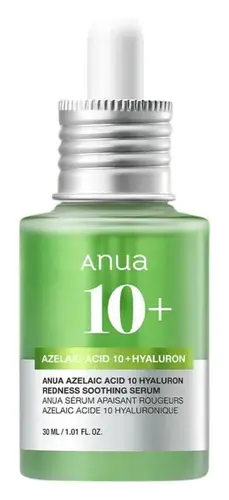
This hydrating serum is formulated around Aloe Barbadensis Leaf Juice and Niacinamide to hydrate skin and soften the look of wrinkles.
This acne serum is formulated around Benzoyl Peroxide and Glycolic Acid to clear breakouts and fade the look of dark spots.

What's inside
What's inside
 Key Ingredients
Benefits
Concerns
Ingredients Side-by-side
Aloe Barbadensis Leaf Juice
Skin Conditioning


Water
Skin ConditioningGlycerin
Humectant

Methyl Gluceth-20
Humectant
Caprylyl Methicone
Skin Conditioning
Hydrolyzed Quinoa
Skin ConditioningNiacinamide
Smoothing







Biosaccharide Gum-1
Humectant
Isosteareth-200 Linoleate
EmollientLeontopodium Alpinum Callus Culture Extract
Antioxidant
Oligopeptide-68
Bleaching
Hydrogenated Lecithin
Emulsifying
Sodium Oleate
CleansingVibrio Alginolyticus Ferment Filtrate
Abrasive
Globularia Cordifolia Callus Culture Extract
Skin ConditioningPropanediol
Solvent
Vitis Vinifera Juice Extract
Antioxidant
Hydrolyzed Rice Protein
Skin ConditioningTuber Magnatum Extract
Skin ConditioningTuber Aestivum Extract
Skin ProtectingAlpha-Glucan Oligosaccharide
Cleansing
Polymnia Sonchifolia Root Juice
Skin ConditioningMaltodextrin
Absorbent
Lactobacillus Ferment
Skin Conditioning
Helianthus Annuus Seed Oil
Emollient


Lavandula Angustifolia Oil
Masking



Lavandula Hybrida Oil
Emollient
Pelargonium Graveolens Flower Oil
Masking
Anthemis Nobilis Flower Oil
Masking
Cananga Odorata Flower Oil
Masking
Citrus Limon Peel Oil
Masking
Citrus Aurantium Bergamia Fruit Oil
Masking
Rosa Damascena Flower Oil
Masking
Eucalyptus Globulus Leaf Oil
Perfuming
Rosa Gallica Flower Extract
AstringentRibes Nigrum Fruit Extract
Astringent
Sodium Polyacrylate
Absorbent
Dimethicone
Emollient
Cyclopentasiloxane
Emollient
Trideceth-6
EmulsifyingPEG/PPG-18/18 Dimethicone
Emulsifying
Sodium Acrylates Copolymer
Lecithin
Emollient
Disodium EDTA
ChelatingXanthan Gum
EmulsifyingButylene Glycol
Humectant
Glycine Soja Oil
Emollient

Caramel
Cosmetic ColorantCitronellol
Perfuming
Sorbic Acid
Preservative
Benzyl Alcohol
Perfuming

Propylene Glycol
Humectant
Potassium Sorbate
Preservative
Citric Acid
Buffering
Limonene
Perfuming
Linalool
Perfuming
Sodium Benzoate
Masking
Phenoxyethanol
Preservative
Chlorphenesin
Antimicrobial
Caprylyl Glycol
Emollient
Aloe Barbadensis Leaf Juice, Water, Glycerin, Methyl Gluceth-20, Caprylyl Methicone, Hydrolyzed Quinoa, Niacinamide, Biosaccharide Gum-1, Isosteareth-200 Linoleate, Leontopodium Alpinum Callus Culture Extract, Oligopeptide-68, Hydrogenated Lecithin, Sodium Oleate, Vibrio Alginolyticus Ferment Filtrate, Globularia Cordifolia Callus Culture Extract, Propanediol, Vitis Vinifera Juice Extract, Hydrolyzed Rice Protein, Tuber Magnatum Extract, Tuber Aestivum Extract, Alpha-Glucan Oligosaccharide, Polymnia Sonchifolia Root Juice, Maltodextrin, Lactobacillus Ferment, Helianthus Annuus Seed Oil, Lavandula Angustifolia Oil, Lavandula Hybrida Oil, Pelargonium Graveolens Flower Oil, Anthemis Nobilis Flower Oil, Cananga Odorata Flower Oil, Citrus Limon Peel Oil, Citrus Aurantium Bergamia Fruit Oil, Rosa Damascena Flower Oil, Eucalyptus Globulus Leaf Oil, Rosa Gallica Flower Extract, Ribes Nigrum Fruit Extract, Sodium Polyacrylate, Dimethicone, Cyclopentasiloxane, Trideceth-6, PEG/PPG-18/18 Dimethicone, Sodium Acrylates Copolymer, Lecithin, Disodium EDTA, Xanthan Gum, Butylene Glycol, Glycine Soja Oil, Caramel, Citronellol, Sorbic Acid, Benzyl Alcohol, Propylene Glycol, Potassium Sorbate, Citric Acid, Limonene, Linalool, Sodium Benzoate, Phenoxyethanol, Chlorphenesin, Caprylyl Glycol
Benzoyl Peroxide 5%

Water
Skin ConditioningGlycolic Acid
Buffering
Propanediol
Solvent
Glycerin
Humectant
Sodium Acrylates Copolymer
Oligopeptide-68
Bleaching
Alpha-Arbutin
Antioxidant
Glutathione
Kojic Acid
Antioxidant
Retinyl Palmitate
Skin Conditioning
Tall Oil Sterol
Emollient
Aloe Barbadensis Leaf Juice
Skin Conditioning
Salix Nigra Bark Extract
Skin ProtectingHamamelis Virginiana Water
Astringent
Arnica Montana Extract
Skin ConditioningNiacinamide
Smoothing
Azelaic Acid
Buffering
Zinc Oxide
Cosmetic Colorant

Echinacea Purpurea Adventitious Root
EmollientOpuntia Ficus-Indica Stem Extract
Skin Conditioning
Alcohol
Antimicrobial
Citric Acid
Buffering
Lecithin
Emollient
Sodium Phytate
ChelatingButylene Glycol
Humectant
Hydrogenated Lecithin
Emulsifying
Sodium Oleate
CleansingDisodium EDTA
ChelatingSodium Hydroxide
BufferingPolyacrylate-13
Polyisobutene
Polysorbate 20
Emulsifying
Ammonium Acryloyldimethyltaurate/Vp Copolymer
Phenoxyethanol
Preservative
Ethylhexylglycerin
Skin ConditioningCarbomer
Emulsion StabilisingDimethicone
Emollient
PEG-40 Stearate
Emulsifying
Silica
Abrasive
Sodium Citrate
BufferingDiheptyl Sodium Sulfosuccinate
CleansingSorbitan Stearate
Emulsifying
Xanthan Gum
EmulsifyingSorbitan Isostearate
Emulsifying
Benzoic Acid
Masking
Glycine Soja Oil
Emollient
Benzoyl Peroxide 5%, Water, Glycolic Acid, Propanediol, Glycerin, Sodium Acrylates Copolymer, Oligopeptide-68, Alpha-Arbutin, Glutathione, Kojic Acid, Retinyl Palmitate, Tall Oil Sterol, Aloe Barbadensis Leaf Juice, Salix Nigra Bark Extract, Hamamelis Virginiana Water, Arnica Montana Extract, Niacinamide, Azelaic Acid, Zinc Oxide, Echinacea Purpurea Adventitious Root, Opuntia Ficus-Indica Stem Extract, Alcohol, Citric Acid, Lecithin, Sodium Phytate, Butylene Glycol, Hydrogenated Lecithin, Sodium Oleate, Disodium EDTA, Sodium Hydroxide, Polyacrylate-13, Polyisobutene, Polysorbate 20, Ammonium Acryloyldimethyltaurate/Vp Copolymer, Phenoxyethanol, Ethylhexylglycerin, Carbomer, Dimethicone, PEG-40 Stearate, Silica, Sodium Citrate, Diheptyl Sodium Sulfosuccinate, Sorbitan Stearate, Xanthan Gum, Sorbitan Isostearate, Benzoic Acid, Glycine Soja Oil
Ingredients Explained
These ingredients are found in both products.
Ingredients higher up in an ingredient list are typically present in a larger amount.
Aloe Barbadensis Leaf Juice is the filtered, stabilized liquid pressed from the inner gel of the aloe vera leaf.
In cosmetics, it shows up as either soothing active or a water-replacement base. It is roughly 98-99% water and the last 1-2% is an interesting mix of polysaccharides, amino acids, vitamins, minerals, and enzymes.
The polysaccharides do most of the work: they bind water at the skin surface for a light, non-greasy hydration boost. And one of the polysaccharides, glycomannan, is linked to fibroblast stimulation + collagen synthesis. This is also why aloe has such a long track record in wound and burn healing.
This ingredient is also calming with anti-inflammatory and mild antimicrobial activity, making it a great pick for sensitive, irritated, or post-sun skin.
Realistic expectations matter though; the solid evidence is mostly limited to hydration, soothing, and wound support. Deeper claims about anti-aging or sun protection are not well backed, and science reviews note it does not prevent radiation-induced skin injury.
Because it plays well with almost everything, it's commonly used as a base alongside other actives like niacinamide or vitamin C.
Typical usage concentrations range from 0.5% (where hydration benefits already show up) all the way to 90%+ (where it replaces water as the main base).
The safety for this ingredient is well-establish as well. Overall, this is a great supporting ingredient for those who want a boost in hydration.
Learn more about Aloe Barbadensis Leaf JuiceButylene Glycol (or BG) is used within cosmetic products for a few different reasons:
Overall, Butylene Glycol is a safe and well-rounded ingredient that works well with other ingredients.
Though this ingredient works well with most skin types, some people with sensitive skin may experience a reaction such as allergic rashes, closed comedones, or itchiness.
Learn more about Butylene GlycolCitric Acid is an alpha hydroxy acid (AHA) naturally found in citrus fruits like oranges, lemons, and limes.
Like other AHAs, citric acid can exfoliate skin by breaking down the bonds that hold dead skin cells together. This helps reveal smoother and brighter skin underneath.
However, this exfoliating effect only happens at high concentrations (20%) which can be hard to find in cosmetic products.
Due to this, citric acid is usually included in small amounts as a pH adjuster. This helps keep products slightly more acidic and compatible with skin's natural pH.
In skincare formulas, citric acid can:
While it can provide some skin benefits, research shows lactic acid and glycolic acid are generally more effective and less irritating exfoliants.
Most citric acid used in skincare today is made by fermenting sugars (usually from molasses). This synthetic version is identical to the natural citrus form but easier to stabilize and use in formulations.
Rosacea skin has a lower threshold for acids generally, with 62.5% of rosacea subjects in one study reacting to lactic acid in a sting test. This is why we mark citric acid as a potential rosacea trigger.
However, this ingredient shows up as a pH adjuster or chelator at roughly 0.1-1% in many products. These low levels are unlikely to be an issue for rosacea skin and becomes a potential trigger at exfoliating concentrations (20%). Because everybody's skin is unique, we recommend a patch test if you are unsure.
Learn more about Citric AcidDimethicone is a type of synthetic silicone created from natural materials such as quartz. It is also known as polydimethylsiloxane.
What it does:
Dimethicone comes in different viscosities:
Depending on the viscosity, dimethicone has different properties.
Ingredients lists don't always show which type is used, so we recommend reaching out to the brand if you have questions about the viscosity.
This ingredient is unlikely to cause irritation because it does not get absorbed into skin. However, people with silicone allergies should be careful about using this ingredient.
Note: Dimethicone may contribute to pilling. This is because it is not oil or water soluble, so pilling may occur when layered with products. When mixed with heavy oils in a formula, the outcome is also quite greasy.
Learn more about DimethiconeDisodium EDTA is a chelating agent. It grabs onto and deactivates metal ions that sneak into your products from water, packaging, or air.
This ingredient mainly works behind the scenes and helps with:
On top of that, this ingredient can counteract the effects of hard water by binding to the minerals in it.
One thing worth knowing is that Disodium EDTA has been shown to be a mild penetration enhancer. It can help other ingredients absorb into skin more effectively which can be a double-edged sword (great for actives, but can also make the active too strong if you have sensitive skin).
Clinical patch testing showed no significant skin irritation at typical use concentrations and minimal dermal absorption.
You'll most likely see this ingredient near the end of an ingredient list. It's typically found in concentrations less than 1%.
Learn more about Disodium EDTAGlycerin (or glycerol) is a compound naturally found in your skin. It's a powerhouse humectant that pulls water into the stratum corneum.
Topically, glycerin does several things at once:
Your skin makes glycerin on its own (mostly from sebaceous oil breakdown) and shuttles it to your outermost layer of skin, or your epidermis, via aquaporin-3.
Aquaporin-3 is a transporter that is essential for normal skin hydration, elasticity, and repair. Interestingly, mice lacking in AQP3 have dry and less elastic skin that can be fully corrected with glycerin.
This ingredient is non-irritating, plays well with almost every ingredient, and works across all skin types. Typical use is anywhere between 3-10% but can go up to 79% in some leave-on products.
Just know very high concentrations (>40%) can feel tacky in low humidity.
Glycerin is the name for this ingredient in American English. British English uses Glycerol/Glycerine.
Learn more about GlycerinGlycine Soja Oil is a plant-derived oil from soybean seeds. Like other oils, it is rich in essential fatty acids (mostly linoleic and oleic) that support skin hydration and barrier function.
The fatty acids are able to integrate into the lipid matrix of the stratum corneum to help soften skin and reduce water loss.
On top of that, soybean oil is rich in vitamins like vitamin E, a potent antioxidant.
Research on soybean's active components also point to anti-inflammatory, collagen-stimulating, antioxidant activity, and protection against UV-induced oxidative damage.
Most of this research applies to the broader soybean plant and not just the oil fraction alone.
This ingredient does carry a comedogenic rating of 3 from the old rabbit-ear assay. Just remember testing finished products in humans showed that formulas built with "comedogenic" ingredients are not necessarily comedogenic themselves. It's worth patch testing if you're breakout prone, and always listen to your skin.
This ingredient may not be fungal acne safe due to the oleic acid content.
Learn more about Glycine Soja OilHydrogenated Lecithin is a more stable version of lecithin.
It's made by taking lecithin (a phospholipid commonly found in soybeans and egg yolks) and hydrogenating it. This just means the unsaturated fatty acids are turned into saturated ones so they don't go bad as easily.
This ingredient is an emollient, emulsifier, and penetration enhancer. As an emollient, it helps soften and hydrate skin by trapping moisture within. As an emulsifier, it prevents oil and water ingredients from separating.
Hydrogenated Lecithin can form tiny spherical structures made of phospholipid bilayers called liposomes. These liposomes are able to capture compounds inside their structure and deliver them through the skin barrier.
Because phospholipids are a natural component of our cell membranes, this ingredient is inherently compatible with skin.
A 2021 study found lecithin-based surfactants were less harsh and more tolerable comared to Sodium Lauryl Sulfate (SLS).
Learn more about Hydrogenated LecithinLecithin is a term for a group of substances found in the cell membranes of plants, animals, and humans. They are made up of phospholipids.
Thanks to its amphiphilic structure (water-loving head and oil-loving tail), it is a true multitasker:
It plays well with most ingredients and is typically used at 0.1-1%. However, concentrations up to 50% have been reported in moisturizers.
Learn more about LecithinNiacinamide is a multitasking form of vitamin B3 that strengthens the skin barrier, reduces pores and dark spots, regulates oil, and improves signs of aging.
And the best part? It's gentle and well-tolerated by most skin types, including sensitive and reactive skin.
You might have heard of "niacin flush", or the reddening of skin that causes itchiness. Niacinamide has not been found to cause this.
In very rare cases, some individuals may not be able to tolerate niacinamide at all or experience an allergic reaction to it.
If you are experiencing flaking, irritation, and dryness with this ingredient, be sure to double check all your products as this ingredient can be found in all categories of skincare.
When incorporating niacinamide into your routine, look out for concentration amounts. Typically, 5% niacinamide provides benefits such as fading dark spots. However, if you have sensitive skin, it is better to begin with a smaller concentration.
When you apply niacinamide to your skin, your body converts it into nicotinamide adenine dinucleotide (NAD). NAD is an essential coenzyme that is already found in your cells as "fuel" and powers countless biological processes.
In your skin, NAD helps repair cell damage, produce new healthy cells, support collagen production, strengthen the skin barrier, and fight environmental stressors (like UV and pollution).
Our natural NAD levels start to decline with age, leading to slower skin repair, visible aging, and a weaker skin barrier. By providing your skin niacinamide, you're recharging your skin's NAD levels. This leads to stronger, healthier, and younger looking skin.
Another name for vitamin B3 is nicotinamide. This vitamin is water-soluble and our bodies don't store it. We obtain Vitamin B3 from either food or skincare. Meat, fish, wheat, yeast, and leafy greens contain vitamin B3.
The type of niacinamide used in skincare is synthetically created.
Learn more about NiacinamideOligopeptide-68 is a peptide.
Phenoxyethanol is one of the most widely used preservatives in skincare (and for good reason!).
It has a large spectrum of antimicrobial activity and especially effective bacteria, yeast, and mold while only having a weak effect on your skin's natural microbiome.
On a cellular level, it disrupts the cell membranes of microbes by poking holes that make the cell leak. This shuts down the chemical reactions the microbe needs to make energy so it can no longer survive.
Another perk of this ingredient is that it stays functional across a wide pH range (3-10).
You'll often see it paired with boosters like Ethylhexylglycerin; one study showed that a 1:9 ratio of Ethylhexylglycerin to Phenoxyethanol damages bacterial membranes as effectively as doubling the Phenoxyethanol concentration on its own.
Typical use concentrations range from 0.3-1% depending on the formula, and this ingredient is capped at 1% int the EU.
Safety-wise, the fear mongering does not hold up to the evidence. The EU's Scientific Committee on Consumer Safety and FDA consider it safe as a preservative at up to 1%, including for children of all ages.
Adverse systemic effects only showed up in animal studies at exposures roughly 200x higher than what people get from cosmetics. And despite its very widespread use, this ingredient is a rare sensitizer and allergic reactions are uncommon.
Learn more about PhenoxyethanolPropanediol is an all-star ingredient. It softens, hydrates, and smooths the skin.
It’s often used to:
Propanediol is not likely to cause sensitivity and considered safe to use. It is derived from corn or petroleum with a clear color and no scent.
Learn more about PropanediolThis ingredient is a synthetic, salt form polymer built from acrylic acid, ethacrylic acid, or their simple esters. It works as a binder, film former, and viscosity increasing agent.
Typical concentrations start at around 0.5% but can go up to 25% for film-forming or binding.
The CIR Expert Panel assessed the safety of 126 acrylates copolymers and concluded they are safe in cosmetics at current use levels when formulated to be non-irritating. They also noted the levels present in finished cosmetic products are not considered a safety risk and Genotoxicity testing (Ames tests, chromosomal aberration assays) has come back negative across the board.
Though the raw building blocks (like acrylic acid) can be irritating on their own, cosmetic-grade versions go through purification to keep levels extremely low.
Sodium Acrylates Copolymer is a large molecule that doesn't penetrate skin barrier in any meaningful way.
Learn more about Sodium Acrylates CopolymerWe don't have a description for Sodium Oleate yet.
Water. It's the most common cosmetic ingredient of all. You'll usually see it at the top of ingredient lists, meaning that it makes up the largest part of the product.
So why is it so popular? Water most often acts as a solvent - this means that it helps dissolve other ingredients into the formulation.
You'll also recognize water as that liquid we all need to stay alive. If you see this, drink a glass of water. Remember to stay hydrated!
Learn more about WaterXanthan gum is used as a stabilizer and thickener within cosmetic products. It helps give products a sticky, thick feeling - preventing them from being too runny.
On the technical side of things, xanthan gum is a polysaccharide - a combination consisting of multiple sugar molecules bonded together.
Xanthan gum is a pretty common and great ingredient. It is a natural, non-toxic, non-irritating ingredient that is also commonly used in food products.
Learn more about Xanthan Gum