This acne treatment is formulated around Benzoyl Peroxide to clear breakouts.
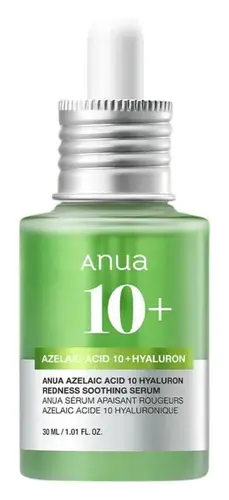
This acne serum is formulated around Benzoyl Peroxide and Glycolic Acid to clear breakouts and fade the look of dark spots.

What's inside
What's inside
 Key Ingredients
Benefits
Concerns
Ingredients Side-by-side
Benzoyl Peroxide





Water
Skin ConditioningEthoxydiglycol
HumectantCyclopentasiloxane
Emollient
Methylpropanediol
SolventSteareth-2
EmulsifyingCyclohexasiloxane
Emollient
Steareth-21
CleansingPolyquaternium-37
Propylene Glycol Dicaprylate/Dicaprate
EmollientPropylene Glycol
Humectant
PPG-1 Trideceth-6
Skin ConditioningPanthenol
Skin Conditioning



Allantoin
Skin Conditioning
Diazolidinyl Urea
Preservative
Methylparaben
Preservative

Propylparaben
Preservative
Parfum
Masking

Benzoyl Peroxide 5%
Water
Skin ConditioningGlycolic Acid
Buffering







Propanediol
Solvent
Glycerin
Humectant
Sodium Acrylates Copolymer
Oligopeptide-68
Bleaching
Alpha-Arbutin
Antioxidant

Glutathione
Kojic Acid
Antioxidant
Retinyl Palmitate
Skin Conditioning

Tall Oil Sterol
Emollient
Aloe Barbadensis Leaf Juice
Skin Conditioning
Salix Nigra Bark Extract
Skin ProtectingHamamelis Virginiana Water
Astringent
Arnica Montana Extract
Skin ConditioningNiacinamide
Smoothing
Azelaic Acid
Buffering
Zinc Oxide
Cosmetic Colorant
Echinacea Purpurea Adventitious Root
EmollientOpuntia Ficus-Indica Stem Extract
Skin Conditioning
Alcohol
Antimicrobial
Citric Acid
Buffering
Lecithin
Emollient
Sodium Phytate
ChelatingButylene Glycol
Humectant
Hydrogenated Lecithin
Emulsifying
Sodium Oleate
CleansingDisodium EDTA
ChelatingSodium Hydroxide
BufferingPolyacrylate-13
Polyisobutene
Polysorbate 20
Emulsifying
Ammonium Acryloyldimethyltaurate/Vp Copolymer
Phenoxyethanol
Preservative
Ethylhexylglycerin
Skin ConditioningCarbomer
Emulsion StabilisingDimethicone
Emollient
PEG-40 Stearate
Emulsifying
Silica
Abrasive
Sodium Citrate
BufferingDiheptyl Sodium Sulfosuccinate
CleansingSorbitan Stearate
Emulsifying
Xanthan Gum
EmulsifyingSorbitan Isostearate
Emulsifying
Benzoic Acid
Masking
Glycine Soja Oil
Emollient

Benzoyl Peroxide 5%, Water, Glycolic Acid, Propanediol, Glycerin, Sodium Acrylates Copolymer, Oligopeptide-68, Alpha-Arbutin, Glutathione, Kojic Acid, Retinyl Palmitate, Tall Oil Sterol, Aloe Barbadensis Leaf Juice, Salix Nigra Bark Extract, Hamamelis Virginiana Water, Arnica Montana Extract, Niacinamide, Azelaic Acid, Zinc Oxide, Echinacea Purpurea Adventitious Root, Opuntia Ficus-Indica Stem Extract, Alcohol, Citric Acid, Lecithin, Sodium Phytate, Butylene Glycol, Hydrogenated Lecithin, Sodium Oleate, Disodium EDTA, Sodium Hydroxide, Polyacrylate-13, Polyisobutene, Polysorbate 20, Ammonium Acryloyldimethyltaurate/Vp Copolymer, Phenoxyethanol, Ethylhexylglycerin, Carbomer, Dimethicone, PEG-40 Stearate, Silica, Sodium Citrate, Diheptyl Sodium Sulfosuccinate, Sorbitan Stearate, Xanthan Gum, Sorbitan Isostearate, Benzoic Acid, Glycine Soja Oil
Ingredients Explained
These ingredients are found in both products.
Ingredients higher up in an ingredient list are typically present in a larger amount.
Benzoyl Peroxide (BPO) is one of the most studied and widely used acne-fighting ingredients on the market for over five decades.
It works by releasing oxygen into your pores to kill Cutibacterium acne, or the bacteria closely linked to acne breakouts. This bacteria has a hard time surviving in an oxygen-rich environment.
On top of that, BPO has keratolytic properties to help shed dead skin cells and keep pores from getting clogged.
One of the coolest things about BPO is that bacteria do not develop resistance to it the way they can with antibiotics. That's why dermatologists recommend pairing it with topical antibiotics to keep resistance at bay.
BPO is usually available in 2.5%, 5%, and 10% concentrations. Research has shown that 2.5% tends to be just as effective as the higher strengths while being more gentle on the skin.
The FDA has classified BPO as a safe and effective acne treatment. You'll be able to find this ingredient in over-the-counter products in many countries.
Just so you know, BPO is a known mild irritant. It's common to see dryness, peeling, and some redness when you first start using it. This usually goes away as your skin adjusts.
A very small number of people might develop allergic contact dermatitis from it as patch test studies show positive reactions in about 1-5% of patients.
Once BPO is absorbed into the skin, our bodies turn it into benzoic acid and quickly exits in urine. It's also worth noting that BPO will bleach fabrics and hair, so watch your towels and pillowcases!
Learn more about Benzoyl PeroxideWater. It's the most common cosmetic ingredient of all. You'll usually see it at the top of ingredient lists, meaning that it makes up the largest part of the product.
So why is it so popular? Water most often acts as a solvent - this means that it helps dissolve other ingredients into the formulation.
You'll also recognize water as that liquid we all need to stay alive. If you see this, drink a glass of water. Remember to stay hydrated!
Learn more about Water