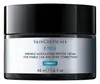
This anti-aging moisturizer is formulated around Niacinamide and Dipeptide Diaminobutyroyl Benzylamide Diacetate to soften the look of wrinkles and refine skin texture.
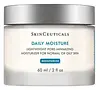
This barrier-repair moisturizer is formulated around Tocopherol and Sodium Hyaluronate to strengthen the skin barrier and hydrate skin.

What's inside
What's inside
 Key Ingredients
Benefits
Concerns
Ingredients Side-by-side
Water
Skin ConditioningButylene Glycol
Humectant

Niacinamide
Smoothing










Glycerin
Humectant
Dicaprylyl Carbonate
EmollientPentylene Glycol
Skin Conditioning
Cetearyl Alcohol
Emollient






1,2-Hexanediol
Skin Conditioning
Isododecane
EmollientC14-22 Alcohols
Emulsion Stabilising
Caprylic/Capric Triglyceride
Masking
Vinyldimethicone

Macadamia Integrifolia Seed Oil
Skin Conditioning
Glyceryl Stearate Se
Emulsifying
C12-20 Alkyl Glucoside
EmulsifyingNymphaea Alba Flower Extract
Skin ConditioningAcrylates/C10-30 Alkyl Acrylate Crosspolymer
Emulsion StabilisingButyrospermum Parkii Butter
Skin Conditioning
C12-16 Alcohols
EmollientTromethamine
BufferingPsidium Guajava Fruit Extract
AstringentCamellia Sinensis Leaf Extract
Antimicrobial
Allium Sativum Bulb Extract
Skin ConditioningZinc PCA
Humectant
Capryloyl Salicylic Acid
Exfoliating
Psidium Guajava Leaf Extract
AstringentLuffa Cylindrica Fruit Extract
Skin ConditioningHydrogenated Lecithin
Emulsifying
Palmitic Acid
Emollient
Cetyl Palmitate
Emollient
Ethylhexylglycerin
Skin ConditioningAdenosine
Skin Conditioning
Sorbitan Stearate
Emulsifying
Polysorbate 80
Emulsifying
Tocopherol
Antioxidant
Ceramide NP
Skin Conditioning
Dipeptide Diaminobutyroyl Benzylamide Diacetate
Skin Conditioning
Sodium Benzoate
Masking
Citric Acid
Buffering
Palmitoyl Tetrapeptide-10
Skin Conditioning
Water, Butylene Glycol, Niacinamide, Glycerin, Dicaprylyl Carbonate, Pentylene Glycol, Cetearyl Alcohol, 1,2-Hexanediol, Isododecane, C14-22 Alcohols, Caprylic/Capric Triglyceride, Vinyldimethicone, Macadamia Integrifolia Seed Oil, Glyceryl Stearate Se, C12-20 Alkyl Glucoside, Nymphaea Alba Flower Extract, Acrylates/C10-30 Alkyl Acrylate Crosspolymer, Butyrospermum Parkii Butter, C12-16 Alcohols, Tromethamine, Psidium Guajava Fruit Extract, Camellia Sinensis Leaf Extract, Allium Sativum Bulb Extract, Zinc PCA, Capryloyl Salicylic Acid, Psidium Guajava Leaf Extract, Luffa Cylindrica Fruit Extract, Hydrogenated Lecithin, Palmitic Acid, Cetyl Palmitate, Ethylhexylglycerin, Adenosine, Sorbitan Stearate, Polysorbate 80, Tocopherol, Ceramide NP, Dipeptide Diaminobutyroyl Benzylamide Diacetate, Sodium Benzoate, Citric Acid, Palmitoyl Tetrapeptide-10
Water
Skin ConditioningGlycerin
Humectant
Cetyl Palmitate
Emollient
Stearic Acid
Cleansing
Butylene Glycol
Humectant
Palmitic Acid
Emollient
Tocopherol
Antioxidant
Dimethicone
Emollient
Polymethylsilsesquioxane
Glyceryl Stearate
Emollient
Sorbitol
Humectant
CI 77163
Cosmetic Colorant
Phenoxyethanol
Preservative
PEG-100 Stearate
Surfactant
Sodium Hyaluronate
Humectant
Hamamelis Virginiana Water
Astringent

PEG-75 Stearate
Surfactant
Cetyl Alcohol
Emollient
Carbomer
Emulsion StabilisingEthylhexyl Hydroxystearate
Emollient
Allantoin
Skin Conditioning
Panthenol
Skin Conditioning
Ceteth-20
CleansingTriethanolamine
BufferingCaprylyl Glycol
Emollient
Xanthan Gum
EmulsifyingPropylene Glycol
Humectant
Steareth-20
CleansingDisodium EDTA
Myristic Acid
Cleansing
Betaine
Humectant
Chlorella Vulgaris Extract
Skin ConditioningLaminaria Saccharina Extract
Skin Protecting
Glucose
Humectant
Chamomilla Recutita Flower Extract
Masking
Chamomilla Recutita Extract
Skin Conditioning
Zingiber Officinale Root Extract
Masking
Sanguisorba Officinalis Root Extract
CleansingCinnamomum Cassia Bark Extract
Masking
Thymus Vulgaris Flower/Leaf Extract
MaskingRetinyl Palmitate
Skin Conditioning
Helianthus Annuus Seed Oil
Emollient
Sodium Benzoate
Masking
Zinc Sulfate
Antimicrobial
Laminaria Ochroleuca Extract
Skin Conditioning
Glycyrrhiza Glabra Root Extract
Bleaching
Urtica Dioica Extract
AstringentEquisetum Arvense Extract
AstringentBetula Alba Leaf Extract
AstringentCitric Acid
Buffering
Potassium Sorbate
Preservative
Cinnamal
Perfuming


Pyridoxine Hcl
Skin ConditioningWater, Glycerin, Cetyl Palmitate, Stearic Acid, Butylene Glycol, Palmitic Acid, Tocopherol, Dimethicone, Polymethylsilsesquioxane, Glyceryl Stearate, Sorbitol, CI 77163, Phenoxyethanol, PEG-100 Stearate, Sodium Hyaluronate, Hamamelis Virginiana Water, PEG-75 Stearate, Cetyl Alcohol, Carbomer, Ethylhexyl Hydroxystearate, Allantoin, Panthenol, Ceteth-20, Triethanolamine, Caprylyl Glycol, Xanthan Gum, Propylene Glycol, Steareth-20, Disodium EDTA, Myristic Acid, Betaine, Chlorella Vulgaris Extract, Laminaria Saccharina Extract, Glucose, Chamomilla Recutita Flower Extract, Chamomilla Recutita Extract, Zingiber Officinale Root Extract, Sanguisorba Officinalis Root Extract, Cinnamomum Cassia Bark Extract, Thymus Vulgaris Flower/Leaf Extract, Retinyl Palmitate, Helianthus Annuus Seed Oil, Sodium Benzoate, Zinc Sulfate, Laminaria Ochroleuca Extract, Glycyrrhiza Glabra Root Extract, Urtica Dioica Extract, Equisetum Arvense Extract, Betula Alba Leaf Extract, Citric Acid, Potassium Sorbate, Cinnamal, Pyridoxine Hcl
Ingredients Explained
These ingredients are found in both products.
Ingredients higher up in an ingredient list are typically present in a larger amount.
Butylene Glycol (or BG) is used within cosmetic products for a few different reasons:
Overall, Butylene Glycol is a safe and well-rounded ingredient that works well with other ingredients.
Though this ingredient works well with most skin types, some people with sensitive skin may experience a reaction such as allergic rashes, closed comedones, or itchiness.
Learn more about Butylene GlycolCetyl Palmitate is a wax-ester that pulls triple duty as an emollient, thickener, and emulsion enhancer.
It helps enhance the texture of products by giving a smooth, silky feel while helping to stabilize the formula. The emollient action softens skin and reduces moisture loss.
This ingredient is considered safe and human testing of concentrations between 2.5-2.7% were found minimal irritation. Just know, there have been very rare cases of the palmitate family causing contact dermatitis.
This ingredient may not be fungal acne safe because it contains a C16 ester (palmitic acid) that falls into the C11-24 range that Malassezia can feed on.
Learn more about Cetyl PalmitateCitric Acid is an alpha hydroxy acid (AHA) naturally found in citrus fruits like oranges, lemons, and limes.
Like other AHAs, citric acid can exfoliate skin by breaking down the bonds that hold dead skin cells together. This helps reveal smoother and brighter skin underneath.
However, this exfoliating effect only happens at high concentrations (20%) which can be hard to find in cosmetic products.
Due to this, citric acid is usually included in small amounts as a pH adjuster. This helps keep products slightly more acidic and compatible with skin's natural pH.
In skincare formulas, citric acid can:
While it can provide some skin benefits, research shows lactic acid and glycolic acid are generally more effective and less irritating exfoliants.
Most citric acid used in skincare today is made by fermenting sugars (usually from molasses). This synthetic version is identical to the natural citrus form but easier to stabilize and use in formulations.
Rosacea skin has a lower threshold for acids generally, with 62.5% of rosacea subjects in one study reacting to lactic acid in a sting test. This is why we mark citric acid as a potential rosacea trigger.
However, this ingredient shows up as a pH adjuster or chelator at roughly 0.1-1% in many products. These low levels are unlikely to be an issue for rosacea skin and becomes a potential trigger at exfoliating concentrations (20%). Because everybody's skin is unique, we recommend a patch test if you are unsure.
Learn more about Citric AcidGlycerin (or glycerol) is a compound naturally found in your skin. It's a powerhouse humectant that pulls water into the stratum corneum.
Topically, glycerin does several things at once:
Your skin makes glycerin on its own (mostly from sebaceous oil breakdown) and shuttles it to your outermost layer of skin, or your epidermis, via aquaporin-3.
Aquaporin-3 is a transporter that is essential for normal skin hydration, elasticity, and repair. Interestingly, mice lacking in AQP3 have dry and less elastic skin that can be fully corrected with glycerin.
This ingredient is non-irritating, plays well with almost every ingredient, and works across all skin types. Typical use is anywhere between 3-10% but can go up to 79% in some leave-on products.
Just know very high concentrations (>40%) can feel tacky in low humidity.
Glycerin is the name for this ingredient in American English. British English uses Glycerol/Glycerine.
Learn more about GlycerinPalmitic Acid is a fatty acid naturally found in our skin and in many plant and animal sources.
In cosmetics, it is usually derived from palm oil. It serves many purposes in skincare, acting as a cleanser, emollient, and emulsifier.
Interestingly, topically applied Palmitic Acid can be elongated into longer chain fatty acids and ceramides. A 2019 study found low levels of Palmitic Acid lead to slower development of cells, suggesting it plays a role in keeping your skin's renewal process on track.
The CIR (Cosmetic Ingredient Review) panel determined it safe as used in cosmetics at concentrations up to 13%. It is non-irritating and non-sensitizing in clinical studies.
The culprit behind fungal acne, the Malassezia yeast, feeds on fatty acids with carbon chain lengths between C11-C24. Palmitic Acid, at C16, falls right into that sweet spot.
In vitro studies have shown that Palmitic Acid is one of the fatty acids that induce rapid Malassezia growth in lab settings.
It's worth noting that what feeds yeast in a lab doesn't necessarily feed it on your face since formulation and your skin's chemistry play a bigger role.
Learn more about Palmitic AcidSodium Benzoate is a preservative. It's used in both cosmetic and food products to inhibit the growth of mold and bacteria. It is typically produced synthetically.
Both the US FDA and EU Health Committee have approved the use of sodium benzoate. In the US, levels of 0.1% (of the total product) are allowed.
Sodium benzoate works as a preservative by inhibiting the growth of bacteria inside of cells. It prevents the cell from fermenting a type of sugar using an enzyme called phosphofructokinase.
It is the salt of benzoic acid. Foods containing sodium benzoate include soda, salad dressings, condiments, fruit juices, wines, and snack foods.
Studies for using ascorbic acid and sodium benzoate in cosmetics are lacking, especially in skincare routines with multiple steps.
We always recommend speaking with a professional, such as a dermatologist, if you have any concerns.
Learn more about Sodium BenzoateTocopherol is a fat-soluble antioxidant known as Vitamin E.
You'll find this ingredient in the vast majority of skincare (for good reason). It works to neutralize free radicals, or unstable molecules generated by UV exposure, pollution, and other environmental stressors, before they can cause oxidative damage to your skin cells.
Topically applied tocopherol has been shown to protect against UV damage by ramping up the skin's own natural defense enzymes.
It also acts as a skin conditioning agent; some studies show that regular topical use can improve the skin's water-binding capacity over 2-4 weeks.
This ingredient is especially loved for being a team player. When combined with Vitamin C, the photoprotective effect of both ingredients roughly doubles and the combo also helps reduce UV-induced DNA damage.
This ingredient has some brightening potential but it's more of a prevention ingredient than spot-fader. Cell studies show it can slow down melanin production but it's worth noting that it's not the most powerful brightener out there.
In formulations, it also serves as a stabilizer that helps protect other oxidation-prone ingredients from degrading.
Concentrations usually range from 0.1-1% in most leave-on products.
Learn more about TocopherolWater. It's the most common cosmetic ingredient of all. You'll usually see it at the top of ingredient lists, meaning that it makes up the largest part of the product.
So why is it so popular? Water most often acts as a solvent - this means that it helps dissolve other ingredients into the formulation.
You'll also recognize water as that liquid we all need to stay alive. If you see this, drink a glass of water. Remember to stay hydrated!
Learn more about Water

