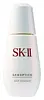
This brightening serum is formulated around Galactomyces Ferment Filtrate and Niacinamide to fade the look of dark spots and brighten dull-looking skin.
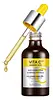
This brightening ampoule is formulated around Niacinamide and 3-O-Ethyl Ascorbic Acid to fade the look of dark spots and soften the look of wrinkles.


What's inside
What's inside
 Key Ingredients
Benefits
Concerns
Ingredients Side-by-side
Water
Skin ConditioningGalactomyces Ferment Filtrate
Humectant







Butylene Glycol
Humectant
Cyclopentasiloxane
Emollient
Niacinamide
Smoothing






Triethylhexanoin
MaskingGlycerin
Humectant
Pentylene Glycol
Skin Conditioning
Nylon-12

Phytosteryl/Octyldodecyl Lauroyl Glutamate
Skin ConditioningInositol
Humectant
Polymethylsilsesquioxane
Boron Nitride
Absorbent
Caprylic/Capric Triglyceride
Masking
Panthenol
Skin Conditioning
PEG-20 Sorbitan Cocoate
Emulsifying

Dimethicone/Vinyl Dimethicone Crosspolymer
Skin Conditioning
Acrylates/C10-30 Alkyl Acrylate Crosspolymer
Emulsion StabilisingPhenoxyethanol
Preservative
PEG-11 Methyl Ether Dimethicone
Emulsifying
Polyacrylamide
Laureth-7
EmulsifyingBenzyl Alcohol
Perfuming




Aminomethyl Propanol
BufferingC13-14 Isoparaffin
Emollient
Disodium EDTA
Methylparaben
Preservative
Hexyldecanol
Emollient
Sodium Benzoate
Masking
Xanthan Gum
EmulsifyingAscorbyl Glucoside
Antioxidant

Laminaria Saccharina Extract
Skin Protecting
Tocopherol
Antioxidant
Zea Mays Oil
Emulsifying
Methicone
Emollient
CI 77492
Cosmetic ColorantCI 75130
Cosmetic ColorantWater, Galactomyces Ferment Filtrate, Butylene Glycol, Cyclopentasiloxane, Niacinamide, Triethylhexanoin, Glycerin, Pentylene Glycol, Nylon-12, Phytosteryl/Octyldodecyl Lauroyl Glutamate, Inositol, Polymethylsilsesquioxane, Boron Nitride, Caprylic/Capric Triglyceride, Panthenol, PEG-20 Sorbitan Cocoate, Dimethicone/Vinyl Dimethicone Crosspolymer, Acrylates/C10-30 Alkyl Acrylate Crosspolymer, Phenoxyethanol, PEG-11 Methyl Ether Dimethicone, Polyacrylamide, Laureth-7, Benzyl Alcohol, Aminomethyl Propanol, C13-14 Isoparaffin, Disodium EDTA, Methylparaben, Hexyldecanol, Sodium Benzoate, Xanthan Gum, Ascorbyl Glucoside, Laminaria Saccharina Extract, Tocopherol, Zea Mays Oil, Methicone, CI 77492, CI 75130
Glycyrrhiza Uralensis Root Extract
Skin Conditioning
Hippophae Rhamnoides Water
Masking
Glycerin
Humectant
Methylpropanediol
SolventButylene Glycol
Humectant
Niacinamide
Smoothing
Diethoxyethyl Succinate
Solvent1,2-Hexanediol
Skin Conditioning
Tocopheryl Acetate
Antioxidant
Water
Skin Conditioning3-O-Ethyl Ascorbic Acid
Skin Conditioning
Bifida Ferment Lysate
Skin Conditioning
Tranexamic Acid
Astringent
Sodium Polyacryloyldimethyl Taurate
Emulsion StabilisingChlorella Vulgaris Extract
Skin ConditioningGlucose
Humectant
Caprylic/Capric Triglyceride
Masking
Glycine Soja Oil
Emollient
Fructooligosaccharides
Humectant
Fructose
Humectant
Arbutin
Antioxidant
Hydrogenated Lecithin
Emulsifying
Panthenol
Skin Conditioning
Citrus Aurantium Dulcis Peel Oil
Masking
Xanthan Gum
EmulsifyingAdenosine
Skin Conditioning
Ethylhexylglycerin
Skin ConditioningCitric Acid
Buffering
Polyquaternium-51
Skin Conditioning
Ceramide NP
Skin Conditioning
Citrus Grandis Peel Oil
Masking
Sodium Phytate
Eucalyptus Globulus Leaf Oil
Perfuming
Lavandula Angustifolia Oil
Masking
Sodium Citrate
BufferingDaucus Carota Sativa Root Extract
Skin Conditioning
Beta-Carotene
Skin ConditioningTocopherol
Antioxidant
Hydrolyzed Collagen
Emollient
Allantoin
Skin Conditioning
Glyceryl Glucoside
Humectant
Dipropylene Glycol
HumectantPalmitoyl Tripeptide-5
Skin Conditioning
Caprylyl Glycol
Emollient
Ascorbic Acid
Antioxidant
Hyaluronic Acid
Humectant
Acetyl Hexapeptide-8
Humectant
Pentylene Glycol
Skin Conditioning
Pvp
Emulsion StabilisingLaurdimonium Hydroxypropyl Hydrolyzed Wheat Protein
Hydrolyzed Hyaluronic Acid
Humectant
Sodium Hyaluronate
Humectant
Phytosterols
Skin Conditioning
Ascorbyl Glucoside
Antioxidant
Fullerenes
AntimicrobialLimonene
Perfuming
Linalool
Perfuming
Glycyrrhiza Uralensis Root Extract, Hippophae Rhamnoides Water, Glycerin, Methylpropanediol, Butylene Glycol, Niacinamide, Diethoxyethyl Succinate, 1,2-Hexanediol, Tocopheryl Acetate, Water, 3-O-Ethyl Ascorbic Acid, Bifida Ferment Lysate, Tranexamic Acid, Sodium Polyacryloyldimethyl Taurate, Chlorella Vulgaris Extract, Glucose, Caprylic/Capric Triglyceride, Glycine Soja Oil, Fructooligosaccharides, Fructose, Arbutin, Hydrogenated Lecithin, Panthenol, Citrus Aurantium Dulcis Peel Oil, Xanthan Gum, Adenosine, Ethylhexylglycerin, Citric Acid, Polyquaternium-51, Ceramide NP, Citrus Grandis Peel Oil, Sodium Phytate, Eucalyptus Globulus Leaf Oil, Lavandula Angustifolia Oil, Sodium Citrate, Daucus Carota Sativa Root Extract, Beta-Carotene, Tocopherol, Hydrolyzed Collagen, Allantoin, Glyceryl Glucoside, Dipropylene Glycol, Palmitoyl Tripeptide-5, Caprylyl Glycol, Ascorbic Acid, Hyaluronic Acid, Acetyl Hexapeptide-8, Pentylene Glycol, Pvp, Laurdimonium Hydroxypropyl Hydrolyzed Wheat Protein, Hydrolyzed Hyaluronic Acid, Sodium Hyaluronate, Phytosterols, Ascorbyl Glucoside, Fullerenes, Limonene, Linalool
Reviews
Ingredients Explained
These ingredients are found in both products.
Ingredients higher up in an ingredient list are typically present in a larger amount.
Ascorbyl Glucoside (AA-2G) is one of the most stable vitamin C derivatives out there.
It's made by attaching a glucose molecule to ascorbic acid; this glucose "cap" shields the vitamin C from air, light, heat, and metal ions that normally cause pure ascorbic acid to oxidize.
Once on your skin, the enzyme alpha-glucosidase snips off the glucose and gradually releases active ascorbic acid right where it's needed. Basically, it behaves like a slow-release pro-vitamin C with less of a stinging that high-strength ascorbic acid can cause.
The research supports the classic vitamin C benefits as well. In lab and human studies, AA-2G slowed down the skin's production of melanin (the pigment behind dark spots) and helped shield skin cells against sun damage better than ascorbyl phosphate.
These studies also showed AA-2G released vitamin C over a longer period.
A frequently cited manufacturer trial found that a 2% AA-2G face cream significantly improved wrinkle depth and skin roughness after 45 days.
And in 2009, a clinical trial showed it meaningfully lightened dark patches on the gums compared to a placebo.
There's also collagen-synthesis support (since vitamin C is a required cofactor for that) and an antioxidant effect too.
Typical usage is usually between 0.5-5% and most studies/products land around 2%.
AA-2G performs best when formulated at a mildly acidic pH (~5-7) which is much gentler than the pH that pure vitamin C demands (~2.5-3.5).
Just one thing worth knowing: the in-skin conversation rate is only about 55-60% by weight. So a 5% AA-2G product delivers roughly 2.75-3% of actual active vitamin C. On top of that, skin absorption is relatively low because the ingredient is water-soluble.
Learn more about Ascorbyl GlucosideButylene Glycol (or BG) is used within cosmetic products for a few different reasons:
Overall, Butylene Glycol is a safe and well-rounded ingredient that works well with other ingredients.
Though this ingredient works well with most skin types, some people with sensitive skin may experience a reaction such as allergic rashes, closed comedones, or itchiness.
Learn more about Butylene GlycolCaprylic/Capric Triglyceride (aka MCT Oil) is a lightweight emollient, solvent, and texture enhancer. It is considered a skin-softener by helping to prevent moisture loss.
Though it behaves like an oil, it is not technically one due to its chemical composition. One perk of this ingredient is that it is very stable, resistant to oxidation, and unlikely to go rancid.
In practice, that translates to a long shelf life and a consistently elegant skin feel.
While there is an assumption Caprylic Triglyceride can clog pores due to it being derived from coconut oil, there is no research supporting this. Just patch test if you have concerns.
Fractionated coconut oil and MCT Oil are both listed as Caprylic/Capric Triglyceride according to INCI. This is because INCI names are based on the ingredient’s final chemical composition and not its marketing name or source.
This ingredient is treated as the gold standard fungal acne safe oil. Even though it is coconut derived, the problematic lauric acid is stripped out.
This leaves just caprylic (C8) and capric (C10) acid. These chain lengths actually trend antifungal; a 2020 study found caprylic acid was enough to disrupt Malassezia furfur cell membrane, with a caprylic acid derivative damaging membrane structures at concentrations as low as 0.2%.
Learn more about Caprylic/Capric TriglycerideGlycerin (or glycerol) is a compound naturally found in your skin. It's a powerhouse humectant that pulls water into the stratum corneum.
Topically, glycerin does several things at once:
Your skin makes glycerin on its own (mostly from sebaceous oil breakdown) and shuttles it to your outermost layer of skin, or your epidermis, via aquaporin-3.
Aquaporin-3 is a transporter that is essential for normal skin hydration, elasticity, and repair. Interestingly, mice lacking in AQP3 have dry and less elastic skin that can be fully corrected with glycerin.
This ingredient is non-irritating, plays well with almost every ingredient, and works across all skin types. Typical use is anywhere between 3-10% but can go up to 79% in some leave-on products.
Just know very high concentrations (>40%) can feel tacky in low humidity.
Glycerin is the name for this ingredient in American English. British English uses Glycerol/Glycerine.
Learn more about GlycerinNiacinamide is a multitasking form of vitamin B3 that strengthens the skin barrier, reduces pores and dark spots, regulates oil, and improves signs of aging.
And the best part? It's gentle and well-tolerated by most skin types, including sensitive and reactive skin.
You might have heard of "niacin flush", or the reddening of skin that causes itchiness. Niacinamide has not been found to cause this.
In very rare cases, some individuals may not be able to tolerate niacinamide at all or experience an allergic reaction to it.
If you are experiencing flaking, irritation, and dryness with this ingredient, be sure to double check all your products as this ingredient can be found in all categories of skincare.
When incorporating niacinamide into your routine, look out for concentration amounts. Typically, 5% niacinamide provides benefits such as fading dark spots. However, if you have sensitive skin, it is better to begin with a smaller concentration.
When you apply niacinamide to your skin, your body converts it into nicotinamide adenine dinucleotide (NAD). NAD is an essential coenzyme that is already found in your cells as "fuel" and powers countless biological processes.
In your skin, NAD helps repair cell damage, produce new healthy cells, support collagen production, strengthen the skin barrier, and fight environmental stressors (like UV and pollution).
Our natural NAD levels start to decline with age, leading to slower skin repair, visible aging, and a weaker skin barrier. By providing your skin niacinamide, you're recharging your skin's NAD levels. This leads to stronger, healthier, and younger looking skin.
Another name for vitamin B3 is nicotinamide. This vitamin is water-soluble and our bodies don't store it. We obtain Vitamin B3 from either food or skincare. Meat, fish, wheat, yeast, and leafy greens contain vitamin B3.
The type of niacinamide used in skincare is synthetically created.
Learn more about NiacinamidePanthenol is a common ingredient that helps hydrate and soothe the skin. It is found naturally in our skin and hair.
There are two forms of panthenol: D and L.
D-panthenol is also known as dexpanthenol. Most cosmetics use dexpanthenol or a mixture of D and L-panthenol.
Panthenol is famous due to its ability to go deeper into the skin's layers. Using this ingredient has numerous pros (and no cons):
Like hyaluronic acid, panthenol is a humectant. Humectants are able to bind and hold large amounts of water to keep skin hydrated.
This ingredient works well for wound healing. It works by increasing tissue in the wound and helps close open wounds.
Once oxidized, panthenol converts to pantothenic acid. Panthothenic acid is found in all living cells.
This ingredient is also referred to as pro-vitamin B5.
Learn more about PanthenolPentylene Glycol (1,2-pentanediol) is a multitasking little diol with three main roles in a formula:
Research on alkanediols (the family pentylene glycol belongs to) show they work by disrupting microbial cell membranes. This disruption helps the primary preservative system in a product work more effectively at lower doses.
On the safety side, the Cosmetic Ingredient Review Expert Panel has concluded this ingredient to be safe as used in current cosmetic practices + concentrations.
Typical use levels in a formula run about 1-5%.
Learn more about Pentylene GlycolTocopherol is a fat-soluble antioxidant known as Vitamin E.
You'll find this ingredient in the vast majority of skincare (for good reason). It works to neutralize free radicals, or unstable molecules generated by UV exposure, pollution, and other environmental stressors, before they can cause oxidative damage to your skin cells.
Topically applied tocopherol has been shown to protect against UV damage by ramping up the skin's own natural defense enzymes.
It also acts as a skin conditioning agent; some studies show that regular topical use can improve the skin's water-binding capacity over 2-4 weeks.
This ingredient is especially loved for being a team player. When combined with Vitamin C, the photoprotective effect of both ingredients roughly doubles and the combo also helps reduce UV-induced DNA damage.
This ingredient has some brightening potential but it's more of a prevention ingredient than spot-fader. Cell studies show it can slow down melanin production but it's worth noting that it's not the most powerful brightener out there.
In formulations, it also serves as a stabilizer that helps protect other oxidation-prone ingredients from degrading.
Concentrations usually range from 0.1-1% in most leave-on products.
Learn more about TocopherolWater. It's the most common cosmetic ingredient of all. You'll usually see it at the top of ingredient lists, meaning that it makes up the largest part of the product.
So why is it so popular? Water most often acts as a solvent - this means that it helps dissolve other ingredients into the formulation.
You'll also recognize water as that liquid we all need to stay alive. If you see this, drink a glass of water. Remember to stay hydrated!
Learn more about WaterXanthan gum is used as a stabilizer and thickener within cosmetic products. It helps give products a sticky, thick feeling - preventing them from being too runny.
On the technical side of things, xanthan gum is a polysaccharide - a combination consisting of multiple sugar molecules bonded together.
Xanthan gum is a pretty common and great ingredient. It is a natural, non-toxic, non-irritating ingredient that is also commonly used in food products.
Learn more about Xanthan Gum

