Shiseido Sports BB Cream SPF 50+ Sunscreen Versus Laboratoires Noreva ACTIPUR Toned BB Face Cream SPF50+


What's inside
What's inside
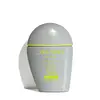 Key Ingredients
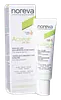
Benefits
Concerns
Ingredients Side-by-side
Ethylhexyl Methoxycinnamate 4.9%
UV Absorber


Titanium Dioxide 15%
Cosmetic Colorant
Dimethicone
Emollient

Silica
Abrasive


Bis-PEG-18 Methyl Ether Dimethyl Silane
EmollientIsododecane
EmollientTrimethylsiloxysilicate
Emollient
Sd Alcohol 40-B
Astringent

Trimethylsiloxysilicate/Dimethiconol Crosspolymer
Isopropyl Myristate
Emollient


Aluminum Hydroxide
EmollientPEG-9 Polydimethylsiloxyethyl Dimethicone
Emulsifying
Stearic Acid
Cleansing
Isostearic Acid
Cleansing
Dextrin Palmitate
Emulsifying
Disteardimonium Hectorite
StabilisingBis-Butyldimethicone Polyglyceryl-3
Cleansing
Lauroyl Lysine
Skin Conditioning
PEG/PPG-14/7 Dimethyl Ether
Skin ConditioningPCA Dimethicone
Skin Conditioning
Phytosteryl/Octyldodecyl Lauroyl Glutamate
Skin ConditioningPhytosteryl Macadamiate
Skin Conditioning
Lecithin
Emollient
Glycyrrhiza Glabra Root Extract
Bleaching



Sucrose Tetrastearate Triacetate
Emollient
Polymethylsilsesquioxane
Talc
Abrasive
Methyl Methacrylate Crosspolymer
Alumina
Abrasive
Polysilicone-2
Triethoxycaprylylsilane
Hydrogen Dimethicone
Tocopherol
Antioxidant


BHT
Antioxidant
Ethylparaben
Preservative

Parfum
Masking



Iron Oxides
Mica
Cosmetic ColorantEthylhexyl Methoxycinnamate 4.9%, Titanium Dioxide 15%, Dimethicone, Silica, Bis-PEG-18 Methyl Ether Dimethyl Silane, Isododecane, Trimethylsiloxysilicate, Sd Alcohol 40-B, Trimethylsiloxysilicate/Dimethiconol Crosspolymer, Isopropyl Myristate, Aluminum Hydroxide, PEG-9 Polydimethylsiloxyethyl Dimethicone, Stearic Acid, Isostearic Acid, Dextrin Palmitate, Disteardimonium Hectorite, Bis-Butyldimethicone Polyglyceryl-3, Lauroyl Lysine, PEG/PPG-14/7 Dimethyl Ether, PCA Dimethicone, Phytosteryl/Octyldodecyl Lauroyl Glutamate, Phytosteryl Macadamiate, Lecithin, Glycyrrhiza Glabra Root Extract, Sucrose Tetrastearate Triacetate, Polymethylsilsesquioxane, Talc, Methyl Methacrylate Crosspolymer, Alumina, Polysilicone-2, Triethoxycaprylylsilane, Hydrogen Dimethicone, Tocopherol, BHT, Ethylparaben, Parfum, Iron Oxides, Mica
Water
Skin ConditioningCyclopentasiloxane
Emollient
Titanium Dioxide
Cosmetic Colorant
Ethyl Methoxycinnamate
UV AbsorberCI 77891
Cosmetic ColorantZinc Oxide
Cosmetic Colorant
Propanediol
Solvent
Polysilicone-15
UV Filter
Dimethicone
Emollient
Cetyl PEG/PPG-10/1 Dimethicone
Emulsifying
Methyl Methacrylate Crosspolymer
Aluminum Hydroxide
EmollientDisteardimonium Hectorite
StabilisingBis-PEG/PPG-14/14 Dimethicone
Emollient
Bisabolol
Antioxidant
Larix Europaea Wood Extract
HumectantOenothera Biennis Oil
Emollient
Ceramide AP
Skin Conditioning
Phytosphingosine
Skin Conditioning
Cholesterol
Emollient
Ceramide NP
Skin Conditioning
Ceramide EOP
Skin Conditioning
Stearic Acid
Cleansing
CI 77492
Cosmetic ColorantMagnesium Sulfate
Parfum
Masking
Caprylyl Glycol
Emollient
Tocopheryl Acetate
Antioxidant
Sodium Benzoate
Masking
Propylene Carbonate
SolventBentonite
Absorbent
CI 77491
Cosmetic ColorantPotassium Sorbate
Preservative
Chlorphenesin
Antimicrobial
Disodium EDTA
CI 77499
Cosmetic ColorantXanthan Gum
EmulsifyingCaprylhydroxamic Acid
Glycerin
Humectant
Dimethiconol
Emollient
Triethoxycaprylylsilane
Sodium Polyacrylate
Absorbent
Disodium Stearoyl Glutamate
CleansingSodium Lauroyl Lactylate
EmulsifyingPhenylpropanol
Masking
Phenoxyethanol
Preservative
Carbomer
Emulsion StabilisingEthylhexylglycerin
Skin ConditioningPentaerythrityl Tetra-Di-T-Butyl Hydroxyhydrocinnamate
Antioxidant
Triisopropanolamine
BufferingTocopherol
Antioxidant
Water, Cyclopentasiloxane, Titanium Dioxide, Ethyl Methoxycinnamate, CI 77891, Zinc Oxide, Propanediol, Polysilicone-15, Dimethicone, Cetyl PEG/PPG-10/1 Dimethicone, Methyl Methacrylate Crosspolymer, Aluminum Hydroxide, Disteardimonium Hectorite, Bis-PEG/PPG-14/14 Dimethicone, Bisabolol, Larix Europaea Wood Extract, Oenothera Biennis Oil, Ceramide AP, Phytosphingosine, Cholesterol, Ceramide NP, Ceramide EOP, Stearic Acid, CI 77492, Magnesium Sulfate, Parfum, Caprylyl Glycol, Tocopheryl Acetate, Sodium Benzoate, Propylene Carbonate, Bentonite, CI 77491, Potassium Sorbate, Chlorphenesin, Disodium EDTA, CI 77499, Xanthan Gum, Caprylhydroxamic Acid, Glycerin, Dimethiconol, Triethoxycaprylylsilane, Sodium Polyacrylate, Disodium Stearoyl Glutamate, Sodium Lauroyl Lactylate, Phenylpropanol, Phenoxyethanol, Carbomer, Ethylhexylglycerin, Pentaerythrityl Tetra-Di-T-Butyl Hydroxyhydrocinnamate, Triisopropanolamine, Tocopherol
Reviews
Ingredients Explained
These ingredients are found in both products.
Ingredients higher up in an ingredient list are typically present in a larger amount.
Aluminum Hydroxide is a form of aluminum. It can be naturally found in nature as the mineral gibbsite. In cosmetics, Aluminum Hydroxide is used as a colorant, pH adjuster, and absorbent.
As a colorant, Aluminum Hydroxide may add opacity, or reduce the transparency. Aluminum hydroxide is contains both basic and acidic properties.
According to manufacturers, this ingredient is an emollient and humectant. This means it helps hydrate the skin.
In medicine, this ingredient is used to help relieve heartburn and help heal ulcers.
There is currently no credible scientific evidence linking aluminum hydroxide in cosmetics to increased cancer risk.
Major health organizations allow the use of aluminum hydroxide in personal care products and have not flagged it as a carcinogenic risk at typical usage levels.
Learn more about Aluminum HydroxideDimethicone is a type of synthetic silicone created from natural materials such as quartz. It is also known as polydimethylsiloxane.
What it does:
Dimethicone comes in different viscosities:
Depending on the viscosity, dimethicone has different properties.
Ingredients lists don't always show which type is used, so we recommend reaching out to the brand if you have questions about the viscosity.
This ingredient is unlikely to cause irritation because it does not get absorbed into skin. However, people with silicone allergies should be careful about using this ingredient.
Note: Dimethicone may contribute to pilling. This is because it is not oil or water soluble, so pilling may occur when layered with products. When mixed with heavy oils in a formula, the outcome is also quite greasy.
Learn more about DimethiconeDisteardimonium Hectorite comes from the clay mineral named hectorite. It is used to add thickness to a product.
It can also help stabilize a product by helping to disperse other ingredients.
Hectorite is a rare, white clay mineral.
Learn more about Disteardimonium HectoriteThis ingredient comes as a powder made up of small, porous, microbeads. It is used to add a silky feel to products and also helps absorb oil.
Parfum is a catch-all term for an ingredient or more that is used to give a scent to products.
Also called "fragrance", this ingredient can be a blend of hundreds of chemicals or plant oils. This means every product with "fragrance" or "parfum" in the ingredients list is a different mixture.
For instance, Habanolide is a proprietary trade name for a specific aroma chemical. When used as a fragrance ingredient in cosmetics, most aroma chemicals fall under the broad labeling category of “FRAGRANCE” or “PARFUM” according to EU and US regulations.
The term 'parfum' or 'fragrance' is not regulated in many countries. In many cases, it is up to the brand to define this term.
For instance, many brands choose to label themselves as "fragrance-free" because they are not using synthetic fragrances. However, their products may still contain ingredients such as essential oils that are considered a fragrance by INCI standards.
One example is Calendula flower extract. Calendula is an essential oil that still imparts a scent or 'fragrance'.
Depending on the blend, the ingredients in the mixture can cause allergies and sensitivities on the skin. Some ingredients that are known EU allergens include linalool and citronellol.
Parfum can also be used to mask or cover an unpleasant scent.
The bottom line is: not all fragrances/parfum/ingredients are created equally. If you are worried about fragrances, we recommend taking a closer look at an ingredient. And of course, we always recommend speaking with a professional.
Learn more about ParfumStearic Acid is a fatty acid that is already found in your skin. It's one of the free fatty acids that works alongside ceramides and cholesterols to maintain your barrier.
In cosmetics, it is a multitasker:
Safety-wise, the CIR Expert Panel has concluded it to be safe in cosmetics when formulated to be non-irritating and non-sensitizing.
Free stearic acid is a C18 fatty acid that the Malassezia yeast can substrate, so this ingredient may not be fungal acne safe.
Learn more about Stearic AcidTitanium dioxide is a mineral UV filter widely used in sunscreens and cosmetics.
It is one of only two UV filters officially classified as “mineral” by regulatory agencies, the other being zinc oxide.
Titanium dioxide provides broad-spectrum protection mostly in the UVB and UVAII range, with some protection in the UVAI range.
While its UVA protection isn’t as strong as zinc oxide’s, the difference is minor.
A common myth is that mineral UV filters reflect UV light. However, modern research shows titanium dioxide absorbs UV radiation like chemical filters (~95% absorption & 5% reflection).
Thanks to its non-irritating nature, titanium dioxide is suitable for sensitive, acne-prone, or redness-prone skin. It is unlikely to cause "eye sting" like other sunscreen ingredients.
A major drawback of this ingredient is its white cast and thick texture. This is why mineral sunscreens often leave a white cast and are less cosmetically elegant than chemical/hybrid sunscreens.
To improve white cast and spreadability, micronized or nano-sized titanium dioxide is often used.
There are ongoing concerns surrounding nano-titanium oxide's impact on marine ecosystems.
There is no conclusive evidence that any form of titanium oxide (or any other sunscreen ingredients) will cause harm to marine ecosystems or coral reefs. The science is still developing but many consumers are keeping a close eye on this issue.
Please note, many destinations have reef-safety sunscreen rules. For instance, the U.S. Virgin Islands advises all visitors to use non-nano mineral sunscreens.
Nano mineral sunscreens once raised safety concerns about absorption into skin.
Extensive research has shown that they do not penetrate healthy or damaged skin; they remain safely on the surface and the top layer of dead skin (stratum corneum).
You'll likely find titanium dioxide bundled with alumina, silica, or dimethicone. These ingredients help make titanium dioxide highly photostable; this prevents it from interacting with other formula components under UV light.
Learn more about Titanium DioxideTocopherol is a fat-soluble antioxidant known as Vitamin E.
You'll find this ingredient in the vast majority of skincare (for good reason). It works to neutralize free radicals, or unstable molecules generated by UV exposure, pollution, and other environmental stressors, before they can cause oxidative damage to your skin cells.
Topically applied tocopherol has been shown to protect against UV damage by ramping up the skin's own natural defense enzymes.
It also acts as a skin conditioning agent; some studies show that regular topical use can improve the skin's water-binding capacity over 2-4 weeks.
This ingredient is especially loved for being a team player. When combined with Vitamin C, the photoprotective effect of both ingredients roughly doubles and the combo also helps reduce UV-induced DNA damage.
This ingredient has some brightening potential but it's more of a prevention ingredient than spot-fader. Cell studies show it can slow down melanin production but it's worth noting that it's not the most powerful brightener out there.
In formulations, it also serves as a stabilizer that helps protect other oxidation-prone ingredients from degrading.
Concentrations usually range from 0.1-1% in most leave-on products.
Learn more about TocopherolTriethoxycaprylylsilane is a silicon-based surface modifier that makes sunscreens feel silky and makeup stay put.
Its main job is to coat mineral particles like titanium dioxide, zinc oxide, and color pigments in a thin, oily layer so they spread smoothly, don't clump, and stick to skin better.
This ingredient is typically used at low levels (up to 2.5% in eyeshadow and 1% in lipstick).
Learn more about Triethoxycaprylylsilane
