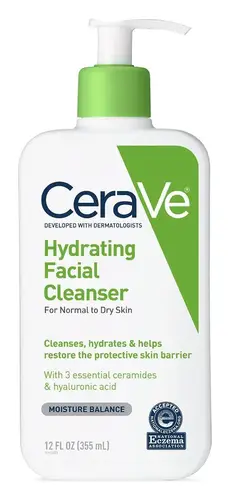
Shea Moisture Cannabis & Witch Hazel Skin Rescue Cream Cleanser Versus Milk Makeup Vegan Milk Cleanser
This mild cream cleanser is made to cleanse while respecting your skin barrier.
This mild cream cleanser is made to cleanse without leaving your skin tight or dry.

What's inside
What's inside
 Key Ingredients
Benefits
Concerns
Ingredients Side-by-side
Water
Skin ConditioningCetearyl Alcohol
Emollient






Decyl Glucoside
Cleansing
Cocamidopropyl Betaine
Cleansing
Stearyl Alcohol
Emollient
Olea Europaea Fruit Oil
Masking


Butyrospermum Parkii Butter
Skin Conditioning
Glycerin
Humectant
Cetyl Alcohol
Emollient
Glyceryl Stearate Citrate
Emollient
Sodium Lauroyl Lactylate
EmulsifyingGlyceryl Caprylate
EmollientXanthan Gum
EmulsifyingCannabis Sativa Seed Oil
Emollient
Hamamelis Virginiana Water
Astringent
Persea Gratissima Oil
Skin Conditioning
Aloe Barbadensis Leaf Juice
Skin Conditioning

Salicylic Acid
Masking






Panthenol
Skin Conditioning
Tocopherol
Antioxidant



Potassium Sorbate
Preservative
Sodium Chloride
MaskingGlycine Soja Oil
Emollient
Glyceryl Starch
AbsorbentWater, Cetearyl Alcohol, Decyl Glucoside, Cocamidopropyl Betaine, Stearyl Alcohol, Olea Europaea Fruit Oil, Butyrospermum Parkii Butter, Glycerin, Cetyl Alcohol, Glyceryl Stearate Citrate, Sodium Lauroyl Lactylate, Glyceryl Caprylate, Xanthan Gum, Cannabis Sativa Seed Oil, Hamamelis Virginiana Water, Persea Gratissima Oil, Aloe Barbadensis Leaf Juice, Salicylic Acid, Panthenol, Tocopherol, Potassium Sorbate, Sodium Chloride, Glycine Soja Oil, Glyceryl Starch
Glycerin
Humectant
Water
Skin ConditioningSodium Cocoyl Glycinate
Cleansing
Butylene Glycol
Humectant
Squalane
Emollient
Stearic Acid
Cleansing
Diheptyl Succinate
EmollientButyrospermum Parkii Butter
Skin Conditioning
Vitis Vinifera Seed Oil
Emollient
Shea Butter Ethyl Esters
Emollient
Capryloyl Glycerin/Sebacic Acid Copolymer
Skin ConditioningAvena Sativa Kernel Oil
Skin Conditioning
Simmondsia Chinensis Seed Oil
Emollient
Adansonia Digitata Seed Oil
Emollient
Citrullus Lanatus Seed Oil
Emollient
Argania Spinosa Kernel Oil
Emollient
Helianthus Annuus Seed Oil
Emollient
Rosmarinus Officinalis Leaf Extract
AntimicrobialFicus Carica Fruit Extract
Humectant
Agastache Mexicana Flower/Leaf/Stem Extract
Skin ConditioningAvena Sativa Kernel Extract
Abrasive
Adansonia Digitata Fruit Extract
EmollientAloe Barbadensis Leaf Juice
Skin Conditioning
Sodium Hyaluronate
Humectant
Polyglyceryl-10 Laurate
Skin Conditioning
Hydroxyethylcellulose
Emulsion StabilisingCocamidopropyl Betaine
Cleansing
Sodium Lauroyl Methyl Isethionate
CleansingSodium Methyl Oleoyl Taurate
CleansingPropanediol
Solvent
Gluconolactone
Chelating
Coco-Glucoside
Cleansing
Lauryl Glucoside
CleansingOctyldodecanol
Emollient
Propylene Glycol
Humectant
Octyldodecyl Xyloside
EmulsifyingGlyceryl Caprylate
EmollientGlyceryl Undecylenate
Emollient
Phospholipids
Skin Conditioning
Xanthan Gum
EmulsifyingPEG-30 Dipolyhydroxystearate
Emulsifying
Polyglyceryl-10 Dioleate
Emulsifying
Polyglyceryl-10 Oleate
Skin Conditioning
Polyglyceryl-2 Isostearate
Emulsifying
Calcium Gluconate
HumectantPEG-60 Hydrogenated Castor Oil
Emulsifying
Disodium Sebacoyl Bis-Lauramidolysine
Skin ConditioningDisodium Phosphate
BufferingPolysorbate 60
Emulsifying
Sodium Phosphate
BufferingSodium Citrate
BufferingSodium Benzoate
Masking
Potassium Sorbate
Preservative
Glycerin, Water, Sodium Cocoyl Glycinate, Butylene Glycol, Squalane, Stearic Acid, Diheptyl Succinate, Butyrospermum Parkii Butter, Vitis Vinifera Seed Oil, Shea Butter Ethyl Esters, Capryloyl Glycerin/Sebacic Acid Copolymer, Avena Sativa Kernel Oil, Simmondsia Chinensis Seed Oil, Adansonia Digitata Seed Oil, Citrullus Lanatus Seed Oil, Argania Spinosa Kernel Oil, Helianthus Annuus Seed Oil, Rosmarinus Officinalis Leaf Extract, Ficus Carica Fruit Extract, Agastache Mexicana Flower/Leaf/Stem Extract, Avena Sativa Kernel Extract, Adansonia Digitata Fruit Extract, Aloe Barbadensis Leaf Juice, Sodium Hyaluronate, Polyglyceryl-10 Laurate, Hydroxyethylcellulose, Cocamidopropyl Betaine, Sodium Lauroyl Methyl Isethionate, Sodium Methyl Oleoyl Taurate, Propanediol, Gluconolactone, Coco-Glucoside, Lauryl Glucoside, Octyldodecanol, Propylene Glycol, Octyldodecyl Xyloside, Glyceryl Caprylate, Glyceryl Undecylenate, Phospholipids, Xanthan Gum, PEG-30 Dipolyhydroxystearate, Polyglyceryl-10 Dioleate, Polyglyceryl-10 Oleate, Polyglyceryl-2 Isostearate, Calcium Gluconate, PEG-60 Hydrogenated Castor Oil, Disodium Sebacoyl Bis-Lauramidolysine, Disodium Phosphate, Polysorbate 60, Sodium Phosphate, Sodium Citrate, Sodium Benzoate, Potassium Sorbate
Reviews
Ingredients Explained
These ingredients are found in both products.
Ingredients higher up in an ingredient list are typically present in a larger amount.
Aloe Barbadensis Leaf Juice is the filtered, stabilized liquid pressed from the inner gel of the aloe vera leaf.
In cosmetics, it shows up as either soothing active or a water-replacement base. It is roughly 98-99% water and the last 1-2% is an interesting mix of polysaccharides, amino acids, vitamins, minerals, and enzymes.
The polysaccharides do most of the work: they bind water at the skin surface for a light, non-greasy hydration boost. And one of the polysaccharides, glycomannan, is linked to fibroblast stimulation + collagen synthesis. This is also why aloe has such a long track record in wound and burn healing.
This ingredient is also calming with anti-inflammatory and mild antimicrobial activity, making it a great pick for sensitive, irritated, or post-sun skin.
Realistic expectations matter though; the solid evidence is mostly limited to hydration, soothing, and wound support. Deeper claims about anti-aging or sun protection are not well backed, and science reviews note it does not prevent radiation-induced skin injury.
Because it plays well with almost everything, it's commonly used as a base alongside other actives like niacinamide or vitamin C.
Typical usage concentrations range from 0.5% (where hydration benefits already show up) all the way to 90%+ (where it replaces water as the main base).
The safety for this ingredient is well-establish as well. Overall, this is a great supporting ingredient for those who want a boost in hydration.
Learn more about Aloe Barbadensis Leaf JuiceThis ingredient is also known as shea butter. It is a plant-derived extract from the nuts of the Africa shea tree and one of the most well-studied emollients.
Because it has a high concentration of fatty acids (primarily oleic, stearic, and linoleic) it is able to form a protective barrier on the skin's surface. This helps seal in moisture and prevents transepidermal water loss (TEWL).
In vitro research found an increase in skin hydration by 58% and a decrease in TEWL by 37.8% after 24 hours of applying this ingredient (pretty impressive for a single ingredient!).
Besides hydration, shea butter also contains triterpenes that have anti-inflammatory potential. In particule, lupeol cinnamate has shown the highest anti-inflammatory activity in vivo.
Shea butter also contains vitamins A and E which may contribute to antioxidant activity.
While Shea Butter has an SPF rating of about 3-4, it is not a sunscreen replacement.
This ingredient may not be fungal acne safe because its fatty acids fall within the C11-C24 range that the Malassezia yeast can metabolize.
This ingredient shows up on a lot of "pore-clogging" lists but there's no real evidence behind that. It doesn't even have a comedogenic rating from an actual study; the numbers you'll find online come from blogs citing other blogs.
Ratings for other ingredients mostly come from a 1980s rabbit ear test. This test doesn't translate well to human skin or to real products because the ingredient sits at a much lower percentage.
Some people still find it breaks them out. So if that's you, definitely trust your skin. Just know this one's based on experience and not evidence.
Learn more about Butyrospermum Parkii ButterCocamidopropyl Betaine is a fatty acid created by mixing similar compounds in coconut oil and dimethylaminopropylamine, a compound with two amino groups.
This ingredient is a surfactant and cleanser. It helps gather the dirt, pollutants, and other impurities in your skin to be washed away. It also helps thicken a product and make the texture more creamy.
Being created from coconut oil means Cocamidopropyl Betaine is hydrating for the skin.
While Cocamidopropyl Betaine was believed to be an allergen, a study from 2012 disproved this. It found two compounds in unpure Cocamidopropyl Betaine to be the irritants: aminoamide and 3-dimethylaminopropylamine. High-grade and pure Cocamidopropyl Betaine did not induce allergic reactions during this study.
Learn more about Cocamidopropyl BetaineGlycerin (or glycerol) is a compound naturally found in your skin. It's a powerhouse humectant that pulls water into the stratum corneum.
Topically, glycerin does several things at once:
Your skin makes glycerin on its own (mostly from sebaceous oil breakdown) and shuttles it to your outermost layer of skin, or your epidermis, via aquaporin-3.
Aquaporin-3 is a transporter that is essential for normal skin hydration, elasticity, and repair. Interestingly, mice lacking in AQP3 have dry and less elastic skin that can be fully corrected with glycerin.
This ingredient is non-irritating, plays well with almost every ingredient, and works across all skin types. Typical use is anywhere between 3-10% but can go up to 79% in some leave-on products.
Just know very high concentrations (>40%) can feel tacky in low humidity.
Glycerin is the name for this ingredient in American English. British English uses Glycerol/Glycerine.
Learn more about GlycerinGlyceryl Caprylate comes from glycerin and caprylic acid. It is an emollient, co-emulsifier, and preservative booster.
Its short C8 fatty acid chain makes it behave differently from its longer-chain emollient cousins like Glyceryl Stearate. It feels more lightweight, fast-absorbing, and silky instead of rich and waxy.
As a co-emulsifier, its "head" and "tail" sit at the oil-water interface. But overall, the short C8 tail and not being water soluble means it doesn't really have the muscle to emulsify a formula on its own. That's why you'll often see it paired with a primary emulsifier like Cetearyl Glucoside.
Interestingly, Glyceryl Caprylate acts as a preservative booster. This is because its fatty-acid backbone disrupts microbial lipid membranes. It shows excellent activity against bacteria and yeast but is weaker against mold.
Typical concentrations range from 0.5-1% and this ingredient is generally non-irritating.
Because this ingredient has a C8 fatty acid chain, it is outside the range that the Malassezia yeast metabolizes (making it fungal acne safe).
Learn more about Glyceryl CaprylatePotassium Sorbate is a preservative used to prevent yeast and mold in products. It is commonly found in both cosmetic and food products.
This ingredient comes from potassium salt derived from sorbic acid. Sorbic acid is a natural antibiotic and effective against fungus.
Both potassium sorbate and sorbic acid can be found in baked goods, cheeses, dried meats, dried fruit, ice cream, pickles, wine, yogurt, and more.
You'll often find this ingredient used with other preservatives.
Learn more about Potassium SorbateWater. It's the most common cosmetic ingredient of all. You'll usually see it at the top of ingredient lists, meaning that it makes up the largest part of the product.
So why is it so popular? Water most often acts as a solvent - this means that it helps dissolve other ingredients into the formulation.
You'll also recognize water as that liquid we all need to stay alive. If you see this, drink a glass of water. Remember to stay hydrated!
Learn more about WaterXanthan gum is used as a stabilizer and thickener within cosmetic products. It helps give products a sticky, thick feeling - preventing them from being too runny.
On the technical side of things, xanthan gum is a polysaccharide - a combination consisting of multiple sugar molecules bonded together.
Xanthan gum is a pretty common and great ingredient. It is a natural, non-toxic, non-irritating ingredient that is also commonly used in food products.
Learn more about Xanthan Gum