

What's inside
What's inside
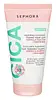 Key Ingredients
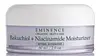
Benefits
Concerns
Ingredients Side-by-side
Water
Skin ConditioningGlycerin
Humectant


Butyrospermum Parkii Butter
Skin Conditioning




Panthenol
Skin Conditioning

Helianthus Annuus Seed Oil
Emollient
Propanediol
Solvent
Behenyl Alcohol
Emollient
Cocoglycerides
Emollient
Octyldodecanol
Emollient
Hydrogenated Vegetable Oil
Emollient
Undecane
EmollientOryza Sativa Starch
AbsorbentPentaerythrityl Distearate
Emulsifying
Zinc PCA
Humectant



Cetearyl Alcohol
Emollient
Sodium Stearoyl Glutamate
CleansingHydroxyethyl Acrylate/Sodium Acryloyldimethyl Taurate Copolymer
Emulsion StabilisingTridecane
Perfuming
Glyceryl Stearate
Emollient
Jojoba Esters
Emollient
Cetyl Alcohol
Emollient
Stearyl Alcohol
Emollient
Chlorphenesin
Antimicrobial
Centella Asiatica Extract
Cleansing

Cetearyl Glucoside
Emulsifying
Xanthan Gum
EmulsifyingHelianthus Annuus Seed Cera
Emollient
1,2-Hexanediol
Skin Conditioning
Caprylyl Glycol
Emollient
O-Cymen-5-Ol
Antimicrobial
Sorbitan Isostearate
Emulsifying
Tocopherol
Antioxidant



Polyglycerin-3
Humectant
Water, Glycerin, Butyrospermum Parkii Butter, Panthenol, Helianthus Annuus Seed Oil, Propanediol, Behenyl Alcohol, Cocoglycerides, Octyldodecanol, Hydrogenated Vegetable Oil, Undecane, Oryza Sativa Starch, Pentaerythrityl Distearate, Zinc PCA, Cetearyl Alcohol, Sodium Stearoyl Glutamate, Hydroxyethyl Acrylate/Sodium Acryloyldimethyl Taurate Copolymer, Tridecane, Glyceryl Stearate, Jojoba Esters, Cetyl Alcohol, Stearyl Alcohol, Chlorphenesin, Centella Asiatica Extract, Cetearyl Glucoside, Xanthan Gum, Helianthus Annuus Seed Cera, 1,2-Hexanediol, Caprylyl Glycol, O-Cymen-5-Ol, Sorbitan Isostearate, Tocopherol, Polyglycerin-3
Aloe Barbadensis Leaf Juice
Skin Conditioning
Helianthus Annuus Seed Oil
Emollient
Hippophae Rhamnoides Fruit Extract
Skin Conditioning
Citrus Limon Peel Extract
EmollientRubus Fruticosus Fruit Extract
AstringentCentella Asiatica Extract
Cleansing
Euterpe Oleracea Fruit Extract
Rubus Idaeus Fruit Extract
AstringentLycium Barbarum Fruit Extract
Astringent
Vaccinium Angustifolium Fruit Extract
Skin Protecting
Glycerin
Humectant
Caprylyl Caprylate/Caprate
Emollient
Water
Skin ConditioningCaprylic/Capric Triglyceride
Masking
Undecane
EmollientTridecane
Perfuming
Panthenol
Skin Conditioning
Bakuchiol
Antimicrobial
Niacinamide
Smoothing
Vaccinium Macrocarpon Fruit Extract
AstringentVaccinium Myrtillus Fruit Extract
Skin ConditioningGarcinia Mangostana Fruit Extract
Skin ConditioningHydrolyzed Caesalpinia Spinosa Gum
AbsorbentCaesalpinia Spinosa Gum
Skin ConditioningCetearyl Alcohol
Emollient
Cetearyl Glucoside
Emulsifying
Carbomer
Emulsion StabilisingBenzyl Alcohol
Perfuming


Dehydroacetic Acid
Preservative
Oenothera Biennis Oil
Emollient
Sodium Benzoate
Masking
Potassium Sorbate
Preservative
Arachidyl Alcohol
Emollient
Arachidyl Glucoside
EmulsifyingAlgin
Masking
Stearic Acid
Cleansing
Glyceryl Stearate
Emollient
Cetyl Palmitate
Emollient
Cocoglycerides
Emollient
Guaiazulene
Antimicrobial
Iron Oxides
1,2-Hexanediol
Skin Conditioning
Heptyl Glucoside
SurfactantCaprylyl Glycol
Emollient
Tropolone
Skin ConditioningPropanediol
Solvent
Tocopheryl Acetate
Antioxidant
Caramel
Cosmetic ColorantParfum
Masking
Citrus Limon Juice
Skin Conditioning
Malpighia Glabra Fruit Extract
Skin ConditioningEmblica Officinalis Fruit Extract
Skin ConditioningAdansonia Digitata Fruit Extract
EmollientMyrciaria Dubia Fruit Extract
Skin ConditioningDaucus Carota Sativa Root Extract
Skin Conditioning
Cocos Nucifera Water
Masking
Maltodextrin
Absorbent
Aloe Barbadensis Leaf Juice, Helianthus Annuus Seed Oil, Hippophae Rhamnoides Fruit Extract, Citrus Limon Peel Extract, Rubus Fruticosus Fruit Extract, Centella Asiatica Extract, Euterpe Oleracea Fruit Extract, Rubus Idaeus Fruit Extract, Lycium Barbarum Fruit Extract, Vaccinium Angustifolium Fruit Extract, Glycerin, Caprylyl Caprylate/Caprate, Water, Caprylic/Capric Triglyceride, Undecane, Tridecane, Panthenol, Bakuchiol, Niacinamide, Vaccinium Macrocarpon Fruit Extract, Vaccinium Myrtillus Fruit Extract, Garcinia Mangostana Fruit Extract, Hydrolyzed Caesalpinia Spinosa Gum, Caesalpinia Spinosa Gum, Cetearyl Alcohol, Cetearyl Glucoside, Carbomer, Benzyl Alcohol, Dehydroacetic Acid, Oenothera Biennis Oil, Sodium Benzoate, Potassium Sorbate, Arachidyl Alcohol, Arachidyl Glucoside, Algin, Stearic Acid, Glyceryl Stearate, Cetyl Palmitate, Cocoglycerides, Guaiazulene, Iron Oxides, 1,2-Hexanediol, Heptyl Glucoside, Caprylyl Glycol, Tropolone, Propanediol, Tocopheryl Acetate, Caramel, Parfum, Citrus Limon Juice, Malpighia Glabra Fruit Extract, Emblica Officinalis Fruit Extract, Adansonia Digitata Fruit Extract, Myrciaria Dubia Fruit Extract, Daucus Carota Sativa Root Extract, Cocos Nucifera Water, Maltodextrin
Reviews
Ingredients Explained
These ingredients are found in both products.
Ingredients higher up in an ingredient list are typically present in a larger amount.
1,2-Hexanediol is a synthetic liquid and another multi-functional powerhouse.
It is a:
- Humectant, drawing moisture into the skin
- Emollient, helping to soften skin
- Solvent, dispersing and stabilizing formulas
- Preservative booster, enhancing the antimicrobial activity of other preservatives
Caprylyl Glycol is a humectant, skin conditioner, emollient, and preservative booster derived from either caprylic acid or synthetically created.
Typical use levels vary from 0.3-1% as a preservative booster and go up to 2% to condition skin.
Because it is not a free-fatty acid, this ingredient is fungal acne safe (there's nothing for Malassezia to feed on).
Learn more about Caprylyl GlycolCentella Asiatica Extract (Centella) is one of the most researched botanical extracts in skincare with decades of studies backing its effects on inflammation, collagen, and the skin barrier.
That research keeps pointing back to the same four triterpenoid saponins: Asiaticoside, Madecassoside, Asiatic Acid, and Madecassic Acid.
These compounds allow centella to dial back inflammation, encourage the skin to build and hold onto collagen, support the barrier and hydration, and bring solid antioxidant activity to protect against signs of aging.
Centella also carries a nice supporting cast of Vitamin A, vitamin C, several B vitamins, and amino acids. Put it all together and you get an ingredient that soothes, hydrates, and protects, all at once.
Most of centella's magic comes from the four big compounds (Asiaticoside, Madecassoside, Asiatic Acid, and Madecassic Acid). These are the actives doing the heavy lifting in almost every centella study.
Here is the short version of what they do in the skin:
So it is not just soothing for the sake of soothing. Centella calms the skin AND helps it rebuild.
Just FYI, not all centella on an ingredient list is the same. What you are getting actually depends on the extract:
Fun fact on the ratios: the leaves tend to be richest in Madecassoside and Asiaticoside, and lower in the two acids. The exact amounts shift with where the plant is grown and how it is processed. This means purity really does vary brand to brand.
Centella is one of the most easygoing actives out there.
It layers well with basically everything: niacinamide, hyaluronic acid, peptides, and vitamin C, and also pairs nicely with stronger actives like retinoids and exfoliating acids where it can help take the edge off irritation.
On the safety side, centella and its triterpenes are classified as weak sensitizers, meaning allergic reactions are possible but uncommon.
Patch tests at 1% and 5% came back negative in test panels, and creams at typical use levels did not cause allergic reactions across large groups of people.
But as with any new active, a patch test is still a smart move for very reactive skin.
Centella is widely used because it is effective at low percentages. For context, human safety testing found no meaningful irritation from creams containing centella extract at everyday use levels (the tested amounts were well under 1%).
The irritancy threshold in animal testing was also above 30% (so real-world formulas sit far below anything concerning).
In collagen lab studies, higher concentrations drove more collagen synthesis, so serums built around centella tend to feature it more prominently.
Bottom line: you will find centella working nicely anywhere from a fraction of a percent up to hero-ingredient levels depending on whether it is a supporting soother or the main event.
Fun fact: Centella has been used as a medicine and in food for many centuries. As a medicine, it is used to treat burns, scratches, and wounds.
Learn more about Centella Asiatica ExtractCetearyl alcohol is a waxy mixture of two fatty alcohols: cetyl alcohol and stearyl alcohol. It is an emollient and emulsifier.
Despite having "alcohol" in its name, it has nothing to do with drying solvent alcohols; the FDA also allows "alcohol-free" products to contain fatty alcohols like this ingredient.
It plays several roles in a formula:
Typical use levels for this ingredient sit around 1-10% and the Cosmetic Ingredient Review Expert Panel has affirmed safety at concentrations up to 25% in leave-on products.
Multiple assessments have found it to be non-irritating and non-sensitizing to most people.
However, there have been some cases of allergic contact dermatitis in patients with chronically compromised skin barriers.
Cetearyl alcohol has a comedogenic rating of 2 and irritancy rating of 1. Both of these numbers come from the 1989 study that used rabbit ears; a "2" means mildly comedogenic and a "1" means low irritancy.
Here's the catch: rabbit skin is more sensitive than human skin and throws a lot of false positives. A 1996 reappraisal found that ingredients rated 1-2 in the rabbit ear tests are generally safe for humans.
Remember comedogenic ratings are unable to assess the entire formula of a product or how it will react on your skin. Just be sure to patch test if you are unsure about certain ingredients.
This ingredient is not fungal acne safe. Cetearyl alcohol is a fatty alcohol with chain lengths that fall within the range that Malassezia can metabolize.
A 2019 study has also observed Malassezia growth in the presence of this ingredient, confirming it to be not-fungal acne safe.
Learn more about Cetearyl AlcoholCetearyl Glucoside is a sugar-based emulsifier. It is usually made by combining cetearyl alcohol and glucose.
Belonging to the aklyl polyglucoside (APG) family, Cetearyl Glucoside has a sugar "head" that loves water and a fatty "tail" that loves oil. This means it can shuffle oil and water into a stable and smooth emulsion.
Typical use levels are between 1-5% and this ingredient is considered to be non-irritating by the CIR Expert Panel Review.
Once applied, your skin's glucoside hydrolases breaks it down to the parent fatty alcohol and glucose. This is why this ingredient may not be fungal acne safe.
Learn more about Cetearyl GlucosideCocoglycerides is made from the mono, di and triglycerides of coconut oil. It is an emollient and emulsifer.
Emollients are a type of moisturizer. They create a thin film on top of the skin. This film prevents moisture from escaping, keeping the skin hydrated.
Emulsifiers prevent ingredients from separating. Examples of this include oils and water, which naturally do not mix. Emulsifiers helps elongate the shelf life of a product. They also help the product stay consistent in texture.
Learn more about CocoglyceridesGlycerin (or glycerol) is a compound naturally found in your skin. It's a powerhouse humectant that pulls water into the stratum corneum.
Topically, glycerin does several things at once:
Your skin makes glycerin on its own (mostly from sebaceous oil breakdown) and shuttles it to your outermost layer of skin, or your epidermis, via aquaporin-3.
Aquaporin-3 is a transporter that is essential for normal skin hydration, elasticity, and repair. Interestingly, mice lacking in AQP3 have dry and less elastic skin that can be fully corrected with glycerin.
This ingredient is non-irritating, plays well with almost every ingredient, and works across all skin types. Typical use is anywhere between 3-10% but can go up to 79% in some leave-on products.
Just know very high concentrations (>40%) can feel tacky in low humidity.
Glycerin is the name for this ingredient in American English. British English uses Glycerol/Glycerine.
Learn more about GlycerinGlyceryl Stearate is made by reacting glycerin with stearic acid (typically sourced from plant oils like palm or coconut). It's an emulsifier, emollient, and mild occlusive.
Emulsifiers help ingredients like oil and water stay mixed so your formula stays nicely blended and uniform in texture.
This ingredient is typically used in concentrations between 1-10%. Studies have found it to be non-sensitizing, non-phototoxic, and non-photoallergenic.
A close cousin of this ingredient is Glyceryl Stearate SE ("self-emulsifying"). This just has a small amount of sodium or potassium stearate added so it can emulsify without a co-emulsifier.
Since this ingredient is an ester of a C18 fatty acid, it may not be fungal acne safe. The Malassezia yeast can potentially metabolize within the C11-C24 range.
Fun fact: The human body also creates Glyceryl Stearate naturally.
Learn more about Glyceryl StearateHelianthus Annuus Seed Oil is a plant oil derived from the seeds of a sunflower.
It is rich in fatty acids, primarily linoleic acid and oleic acid. This gives it emollient and skin conditioning properties.
The reason this ingredient is so effective is because it forms a thin film on the skin that reduces transepidermal water loss (TEWL) while supplying linoleic acid to the stratum corneum to improve barrier strength.
The high linoleic acid content is particularly noteworthy for acne-prone skin.
Research suggests that acne-prone skin tends to be deficient in linoleic acid in sebum. Topical application may help replenish this to support a healthier follicular environment and less comedone-promoting sebum.
One randomized study found sunflower seed oil preserved skin barrier integrity in adult volunteers with and without atopic dermatitis (outperforming olive oil).
This ingredient is well-studied, gentle, and an effective emollient suitable for most skin types.
On fungal acne: This ingredient may not be Fungal acne (Malassezia folliculitis) safe. This is because it contains fatty acids with carbon chain lengths in the C11-C24 range.
Learn more about Helianthus Annuus Seed OilPanthenol is a common ingredient that helps hydrate and soothe the skin. It is found naturally in our skin and hair.
There are two forms of panthenol: D and L.
D-panthenol is also known as dexpanthenol. Most cosmetics use dexpanthenol or a mixture of D and L-panthenol.
Panthenol is famous due to its ability to go deeper into the skin's layers. Using this ingredient has numerous pros (and no cons):
Like hyaluronic acid, panthenol is a humectant. Humectants are able to bind and hold large amounts of water to keep skin hydrated.
This ingredient works well for wound healing. It works by increasing tissue in the wound and helps close open wounds.
Once oxidized, panthenol converts to pantothenic acid. Panthothenic acid is found in all living cells.
This ingredient is also referred to as pro-vitamin B5.
Learn more about PanthenolPropanediol is an all-star ingredient. It softens, hydrates, and smooths the skin.
It’s often used to:
Propanediol is not likely to cause sensitivity and considered safe to use. It is derived from corn or petroleum with a clear color and no scent.
Learn more about PropanediolTridecane is a lightweight emollient and fragrancing ingredient. It is a paraffin and often called a silicone alternative.
According to official INCI guidelines, this ingredient is used to give a light odor to raw materials. It is often used as a starter ingredient to create parfum.
This ingredient can be derived from palm oil, or coconut oil. It is also naturally found in certain species of organisms.
According to the NOAA, this ingredient can cause skin sensitivity with prolonged use. However, this warning is taken from the Coast Guard and no studies have been done on this in relation to cosmetics.
Tridecane is not water soluble.
Learn more about TridecaneUndecane is an emollient and helps create a lightweight base for products.
Is is not soluble in water and naturally occurring in some species.
Water. It's the most common cosmetic ingredient of all. You'll usually see it at the top of ingredient lists, meaning that it makes up the largest part of the product.
So why is it so popular? Water most often acts as a solvent - this means that it helps dissolve other ingredients into the formulation.
You'll also recognize water as that liquid we all need to stay alive. If you see this, drink a glass of water. Remember to stay hydrated!
Learn more about Water

