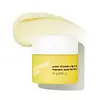
This hydrating lip mask is formulated around Ascorbic Acid and Ceramide NP to hydrate lips and brighten dull-looking skin.
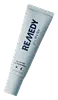
This barrier-repair lip moisturizer is formulated around Petrolatum and Butyrospermum Parkii Butter to strengthen the lip barrier and hydrate lips.


What's inside
What's inside
 Key Ingredients
Benefits
Concerns
Ingredients Side-by-side
Phytosteryl/Isostearyl/Cetyl/Stearyl/Behenyl Dimer Dilinoleate
Skin Conditioning

Diisostearyl Malate
EmollientHydrogenated Polyisobutene
EmollientPolybutene
Hydrogenated Poly(C6-14 Olefin)
EmollientMicrocrystalline Wax
Emulsion StabilisingEuphorbia Cerifera Wax
Polyglyceryl-2 Triisostearate
Emulsifying
Ethylene/Propylene/Styrene Copolymer
C12-15 Alkyl Benzoate
AntimicrobialCI 77891
Cosmetic ColorantCaprylyl Glycol
Emollient
Alumina
Abrasive
Aluminum Stearate
Cosmetic ColorantPolyhydroxystearic Acid
Emulsifying
Benzotriazolyl Dodecyl P-Cresol
UV AbsorberEthylhexylglycerin
Skin ConditioningButylene/Ethylene/Styrene Copolymer
Citrus Junos Peel Oil
Astringent
Pentaerythrityl Tetra-Di-T-Butyl Hydroxyhydrocinnamate
Antioxidant
Tocopherol
Antioxidant






Water
Skin ConditioningGlycerin
Humectant
Propanediol
Solvent
Hydrogenated Lecithin
Emulsifying
Ascorbic Acid
Antioxidant

Caprylic/Capric Triglyceride
Masking
Panthenol
Skin Conditioning
Octyldodecanol
Emollient
Ceramide NP
Skin Conditioning
Polyglyceryl-10 Stearate
Skin Conditioning
Pantolactone
Humectant
Cholesterol
Emollient
Stearic Acid
Cleansing
Sodium Ascorbyl Phosphate
Antioxidant
1,2-Hexanediol
Skin Conditioning
Niacinamide
Smoothing


Sh-Oligopeptide-1
Skin Conditioning
Sh-Polypeptide-1
Skin Conditioning
Biotin
AntiseborrhoeicPyridoxine
Skin ConditioningFolic Acid
Skin ConditioningSh-Polypeptide-9
Skin Conditioning
Sh-Polypeptide-7
Antiseborrhoeic
Sh-Oligopeptide-2
Skin Conditioning
Sh-Polypeptide-45
Skin Conditioning
Sh-Oligopeptide-14
Skin Conditioning
Cyanocobalamin
Skin ConditioningLinoleic Acid
Cleansing
Thiamine Hcl
MaskingBeta-Carotene
Skin ConditioningInositol
Humectant
Riboflavin
Cosmetic ColorantLimonene
Perfuming



Linalool
Perfuming
Phytosteryl/Isostearyl/Cetyl/Stearyl/Behenyl Dimer Dilinoleate, Diisostearyl Malate, Hydrogenated Polyisobutene, Polybutene, Hydrogenated Poly(C6-14 Olefin), Microcrystalline Wax, Euphorbia Cerifera Wax, Polyglyceryl-2 Triisostearate, Ethylene/Propylene/Styrene Copolymer, C12-15 Alkyl Benzoate, CI 77891, Caprylyl Glycol, Alumina, Aluminum Stearate, Polyhydroxystearic Acid, Benzotriazolyl Dodecyl P-Cresol, Ethylhexylglycerin, Butylene/Ethylene/Styrene Copolymer, Citrus Junos Peel Oil, Pentaerythrityl Tetra-Di-T-Butyl Hydroxyhydrocinnamate, Tocopherol, Water, Glycerin, Propanediol, Hydrogenated Lecithin, Ascorbic Acid, Caprylic/Capric Triglyceride, Panthenol, Octyldodecanol, Ceramide NP, Polyglyceryl-10 Stearate, Pantolactone, Cholesterol, Stearic Acid, Sodium Ascorbyl Phosphate, 1,2-Hexanediol, Niacinamide, Sh-Oligopeptide-1, Sh-Polypeptide-1, Biotin, Pyridoxine, Folic Acid, Sh-Polypeptide-9, Sh-Polypeptide-7, Sh-Oligopeptide-2, Sh-Polypeptide-45, Sh-Oligopeptide-14, Cyanocobalamin, Linoleic Acid, Thiamine Hcl, Beta-Carotene, Inositol, Riboflavin, Limonene, Linalool
Petrolatum
Emollient
Hydroxystearic/Linolenic/Oleic Polyglycerides
EmollientHelianthus Annuus Seed Wax
Skin Conditioning
Sucrose Acetate Isobutyrate
C18-38 Alkyl Hydroxystearoyl Stearate
EmollientDimethicone
Emollient
Ethylhexyl Palmitate
Emollient
Butyrospermum Parkii Butter
Skin Conditioning
C12-15 Alkyl Benzoate
AntimicrobialCapryloyl Glycerin/Sebacic Acid Copolymer
Skin ConditioningDiheptyl Succinate
EmollientTribehenin
Emollient
Squalane
Emollient
Sorbitan Isostearate
Emulsifying
Ceramide NP
Skin Conditioning
Helianthus Annuus Seed Oil
Emollient
Persea Gratissima Oil
Skin Conditioning
Simmondsia Chinensis Seed Oil
Emollient
Tetrahexyldecyl Ascorbate
Antioxidant
Tocopheryl Acetate
Antioxidant
Palmitoyl Tripeptide-1
Skin Conditioning
Aloe Barbadensis Leaf Extract
Emollient
Chamomilla Recutita Flower Extract
Masking
Lactic Acid
Buffering
Petrolatum, Hydroxystearic/Linolenic/Oleic Polyglycerides, Helianthus Annuus Seed Wax, Sucrose Acetate Isobutyrate, C18-38 Alkyl Hydroxystearoyl Stearate, Dimethicone, Ethylhexyl Palmitate, Butyrospermum Parkii Butter, C12-15 Alkyl Benzoate, Capryloyl Glycerin/Sebacic Acid Copolymer, Diheptyl Succinate, Tribehenin, Squalane, Sorbitan Isostearate, Ceramide NP, Helianthus Annuus Seed Oil, Persea Gratissima Oil, Simmondsia Chinensis Seed Oil, Tetrahexyldecyl Ascorbate, Tocopheryl Acetate, Palmitoyl Tripeptide-1, Aloe Barbadensis Leaf Extract, Chamomilla Recutita Flower Extract, Lactic Acid
Reviews
Ingredients Explained
These ingredients are found in both products.
Ingredients higher up in an ingredient list are typically present in a larger amount.
C12-15 Alkyl Benzoate is a lightweight emollient made by combinig benzoic acid with fatty alcohols that are 12-15 carbons long.
In cosmetics, it plays several roles:
The Cosmetic Review Expert Panel has concluded the alkyl benzoate group to be safe as used in cosmetics; it wasn't found to be a skin irritant and unlikely to be absorbed due to its low water solubility.
This report recorded almost 1000 reported uses with concentrations up to 59% in leave-on products but your cosmetics will typically use 0.5-15% depending on the product.
It's often called a "SPF booster": this is because it keeps UV filters properly dissolved and evenly distributed to support a sunscreen's performance. It doesn't actually raise SPF on its own.
Overall, this ingredient is well tolerated.
This ingredient is fungal acne safe because it is an ester of benzoic acid.
Think of this ingredient as two parts stuck together: an oily part and an acid part. Malassezia only gets a meal when it can snip off a fatty acid to eat. With C12-15 Alkyl Benzoate, the acid part is benzoic acid, which isn't a fatty acid and which the yeast can't use as food.
Benzoic acid is actually used as a preservative to stop yeast from growing.
The oily part is a blend of C12-15 fatty alcohols but fatty alcohols in this size range can support only a little Malassezia growth (mostly for one species of Malassezia as well).
In the ingredient, those alcohols stay locked inside the molecule. The yeast can only reach them by snipping the benzoate bond, and that type of bond is harder for it to cut than a normal fatty bond.
So not much gets released. And whatever does get snipped comes packaged with benzoic acid, which discourages yeast growth.
Learn more about C12-15 Alkyl BenzoateCeramide NP (formerly known as Ceramide 3) is one of the skin's naturally occurring lipids.
Since ceramides are the major lipid components of the skin, they are crucial for maintaining skin barrier and hydration. Ceramide NP most closely mirrors the dominant kind in human skin amongst ceramide subtypes.
This ceramide works by slotting into gaps within the stratum corneum's lipid matrix to limit trans-epidermal water loss (TEWL) and shield the skin against external irritants.
A study with 312 patients found that using a ceramide-containing routine for 4 weeks reduced the severity of atopic dermatitis by over 61%.
Another clinical study in subjects aged 60 and older found that a ceramide body wash and moisturizer improved skin dryness and itchy skin in 15 days.
Overall, ceramides are considered non-irritating and safety tests have found little to no observable adverse effects from using this ingredient.
Ceramide NP is usually sourced from plants (like soybean or rice bran), or produced synthetically.
Learn more about Ceramide NP

