
What's inside
What's inside
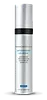 Key Ingredients
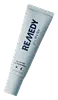
Benefits
Concerns
Ingredients Side-by-side
Water
Skin ConditioningHydrogenated Polyisobutene
EmollientGlycerin
Humectant


Cera Microcristallina
Emulsion StabilisingDimethicone
Emollient
Undecane
EmollientTridecane
Perfuming
PEG/PPG-18/18 Dimethicone
Emulsifying
Silica
Abrasive


Alcohol Denat.
Antimicrobial




Tocopheryl Acetate
Antioxidant


Polymethylsilsesquioxane
Ethylhexyl Palmitate
Emollient


Phenoxyethanol
Preservative
Lauryl PEG-9 Polydimethylsiloxyethyl Dimethicone
Skin Conditioning
Tocopherol
Antioxidant


Magnesium Sulfate
Disteardimonium Hectorite
StabilisingGlucosamine Hcl
Tribehenin
Emollient
Caprylyl Glycol
Emollient
Allantoin
Skin Conditioning
Disodium EDTA
Hydroxyethyl Urea
Humectant
Sorbitan Isostearate
Emulsifying
Sodium Hyaluronate
Humectant
Yeast Extract
Skin ConditioningBiosaccharide Gum-1
Humectant
Palmitoyl Oligopeptide
Cleansing
Silybum Marianum Extract
Skin Conditioning
Water, Hydrogenated Polyisobutene, Glycerin, Cera Microcristallina, Dimethicone, Undecane, Tridecane, PEG/PPG-18/18 Dimethicone, Silica, Alcohol Denat., Tocopheryl Acetate, Polymethylsilsesquioxane, Ethylhexyl Palmitate, Phenoxyethanol, Lauryl PEG-9 Polydimethylsiloxyethyl Dimethicone, Tocopherol, Magnesium Sulfate, Disteardimonium Hectorite, Glucosamine Hcl, Tribehenin, Caprylyl Glycol, Allantoin, Disodium EDTA, Hydroxyethyl Urea, Sorbitan Isostearate, Sodium Hyaluronate, Yeast Extract, Biosaccharide Gum-1, Palmitoyl Oligopeptide, Silybum Marianum Extract
Petrolatum
Emollient
Hydroxystearic/Linolenic/Oleic Polyglycerides
EmollientHelianthus Annuus Seed Wax
Skin Conditioning
Sucrose Acetate Isobutyrate
C18-38 Alkyl Hydroxystearoyl Stearate
EmollientDimethicone
Emollient
Ethylhexyl Palmitate
Emollient
Butyrospermum Parkii Butter
Skin Conditioning
C12-15 Alkyl Benzoate
AntimicrobialCapryloyl Glycerin/Sebacic Acid Copolymer
Skin ConditioningDiheptyl Succinate
EmollientTribehenin
Emollient
Squalane
Emollient
Sorbitan Isostearate
Emulsifying
Ceramide NP
Skin Conditioning
Helianthus Annuus Seed Oil
Emollient
Persea Gratissima Oil
Skin Conditioning
Simmondsia Chinensis Seed Oil
Emollient
Tetrahexyldecyl Ascorbate
Antioxidant

Tocopheryl Acetate
Antioxidant
Palmitoyl Tripeptide-1
Skin Conditioning
Aloe Barbadensis Leaf Extract
Emollient
Chamomilla Recutita Flower Extract
Masking
Lactic Acid
Buffering
Petrolatum, Hydroxystearic/Linolenic/Oleic Polyglycerides, Helianthus Annuus Seed Wax, Sucrose Acetate Isobutyrate, C18-38 Alkyl Hydroxystearoyl Stearate, Dimethicone, Ethylhexyl Palmitate, Butyrospermum Parkii Butter, C12-15 Alkyl Benzoate, Capryloyl Glycerin/Sebacic Acid Copolymer, Diheptyl Succinate, Tribehenin, Squalane, Sorbitan Isostearate, Ceramide NP, Helianthus Annuus Seed Oil, Persea Gratissima Oil, Simmondsia Chinensis Seed Oil, Tetrahexyldecyl Ascorbate, Tocopheryl Acetate, Palmitoyl Tripeptide-1, Aloe Barbadensis Leaf Extract, Chamomilla Recutita Flower Extract, Lactic Acid
Reviews
Ingredients Explained
These ingredients are found in both products.
Ingredients higher up in an ingredient list are typically present in a larger amount.
Dimethicone is a type of synthetic silicone created from natural materials such as quartz. It is also known as polydimethylsiloxane.
What it does:
Dimethicone comes in different viscosities:
Depending on the viscosity, dimethicone has different properties.
Ingredients lists don't always show which type is used, so we recommend reaching out to the brand if you have questions about the viscosity.
This ingredient is unlikely to cause irritation because it does not get absorbed into skin. However, people with silicone allergies should be careful about using this ingredient.
Note: Dimethicone may contribute to pilling. This is because it is not oil or water soluble, so pilling may occur when layered with products. When mixed with heavy oils in a formula, the outcome is also quite greasy.
Learn more about DimethiconeEthylhexyl Palmitate, also known as octyl palmitate, is created from 2-ethylhexyl alcohol and palmitic acid.
In cosmetics, it plays many roles:
One thing worth noting: a controlled study found this ingredient applied under occlusion to acne-prone subjects increased microcomedones. Just keep in mind this was under occlusive conditions and don't reflect how most products are used day-to-day.
For most people, this is a well-tolerated and lightweight ingredient.
This ingredient may not be fungal acne safe because it is an ester of palmitic acid, a C16 fatty acid that falls within the C11-24 range that Malassezia can metabolize.
Learn more about Ethylhexyl PalmitateSorbitan Isostearate is an emulsifer. It is created from isostearic acid and sorbitol.
As an emulsifier, it keeps the water and oil ingredients from separating. This keeps formulas stable and smooth.
In a 24 hour occlusive patch test on 56 subjects, 10% sorbitan isostearate was completely non-irritating. Most formulas use less than 10%.
Because it's a fatty acid ester, it may not be fungal acne safe since the Malassezia yeast can utilize it as a nutrient source.
Learn more about Sorbitan IsostearateTocopheryl Acetate is AKA Vitamin E. It is an antioxidant and protects your skin from free radicals. Free radicals damage the skin by breaking down collagen.
One study found using Tocopheryl Acetate with Vitamin C decreased the number of sunburned cells.
Tocopheryl Acetate is commonly found in both skincare and dietary supplements.
Learn more about Tocopheryl AcetateTribehenin is the triglyceride of glycerin and behenic acid. It is an emollient that helps soften and condition skin.
Safety-wise, this is a well-vetted ingredient. Repeated-insult patch tests of 0.38% tribehenin did not trigger sensitization.
This ingredient may not be fungal acne safe because behenic acid falls into the chain-length range that Malassezia yeasts can feed on.
Learn more about Tribehenin
