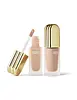
Sarah Creal Face Flex Concealer & Complexion Enhancer Versus Victoria Beckham Beauty The Concealer Pen

What's inside
What's inside
 Key Ingredients

Benefits
Concerns
Ingredients Side-by-side
Water
Skin ConditioningHydrogenated Ethylhexyl Olivate
EmollientUndecane
EmollientPropanediol
Solvent

Polyglyceryl-3 Polyricinoleate
Emulsifying

Tridecane
Perfuming

Trimethylsiloxysilicate
Emollient
Polyglyceryl-4 Isostearate
Emulsifying
Mica
Cosmetic ColorantPolyglyceryl-2 Triisostearate
Emulsifying
Disteardimonium Hectorite
StabilisingSorbitan Isostearate
Emulsifying
Jojoba Esters
Emollient
Helianthus Annuus Seed Wax
Skin Conditioning
Synthetic Fluorphlogopite
Camellia Sinensis Leaf Extract
Antimicrobial






Punica Granatum Flower Extract
Skin Conditioning
Sodium Hyaluronate
Humectant
Aloe Barbadensis Leaf Extract
Emollient
Caffeine
Skin Conditioning
Tocopherol
Antioxidant

Magnesium Sulfate
Glycerin
Humectant
Silica
Abrasive
Hydrogenated Olive Oil Unsaponifiables
Emollient
Aluminum Hydroxide
EmollientCaprylyl Glycol
Emollient
1,2-Hexanediol
Skin Conditioning
Sodium Dehydroacetate
Preservative
Sodium Lauroyl Glutamate
SurfactantXanthan Gum
EmulsifyingSodium Phytate
Lactobacillus Ferment Lysate
Skin Conditioning
Lysine
Skin ConditioningPolyglycerin-3
Humectant
Acacia Decurrens Flower Wax
Emollient
Triethoxycaprylylsilane
Magnesium Chloride
Lactobacillus Ferment
Skin Conditioning
Tin Oxide
Abrasive
CI 77891
Cosmetic ColorantCI 77491
Cosmetic ColorantCI 77499
Cosmetic ColorantWater, Hydrogenated Ethylhexyl Olivate, Undecane, Propanediol, Polyglyceryl-3 Polyricinoleate, Tridecane, Trimethylsiloxysilicate, Polyglyceryl-4 Isostearate, Mica, Polyglyceryl-2 Triisostearate, Disteardimonium Hectorite, Sorbitan Isostearate, Jojoba Esters, Helianthus Annuus Seed Wax, Synthetic Fluorphlogopite, Camellia Sinensis Leaf Extract, Punica Granatum Flower Extract, Sodium Hyaluronate, Aloe Barbadensis Leaf Extract, Caffeine, Tocopherol, Magnesium Sulfate, Glycerin, Silica, Hydrogenated Olive Oil Unsaponifiables, Aluminum Hydroxide, Caprylyl Glycol, 1,2-Hexanediol, Sodium Dehydroacetate, Sodium Lauroyl Glutamate, Xanthan Gum, Sodium Phytate, Lactobacillus Ferment Lysate, Lysine, Polyglycerin-3, Acacia Decurrens Flower Wax, Triethoxycaprylylsilane, Magnesium Chloride, Lactobacillus Ferment, Tin Oxide, CI 77891, CI 77491, CI 77499
Rosa Damascena Flower Water
Masking
Coco-Caprylate/Caprate
Emollient
Propanediol
Solvent
Sorbitan Isostearate
Emulsifying
Polyglyceryl-3 Polyricinoleate
Emulsifying
Squalane
Emollient
Synthetic Fluorphlogopite
Disteardimonium Hectorite
StabilisingWater
Skin ConditioningAvena Sativa Kernel Extract
Abrasive
Synthetic Beeswax
Emulsion Stabilising
Silica
Abrasive
Magnesium Sulfate
Ethylhexylglycerin
Skin ConditioningGlycerin
Humectant
Polyglutamic Acid
Skin Conditioning
Mica
Cosmetic ColorantTheobroma Cacao Seed Butter
Emollient


Lecithin
Emollient
Tocopherol
Antioxidant
Tocopheryl Acetate
Antioxidant
Pentylene Glycol
Skin Conditioning
Hydrolyzed Rice Protein
Skin ConditioningOpuntia Ficus-Indica Stem Extract
Skin Conditioning
Oligopeptide-4
Skin Conditioning
Oligopeptide-177
Acetyl Hexapeptide-8
Humectant
Caprylic/Capric Triglyceride
Masking
Xanthan Gum
EmulsifyingArginine
Masking
Phenylalanine
Masking
Glycine
Buffering
Lysine
Skin ConditioningDisodium Stearoyl Glutamate
CleansingMagnesium Stearate
Cosmetic ColorantSodium Phytate
Sodium Benzoate
Masking
Aluminum Hydroxide
EmollientPotassium Sorbate
Preservative
Butylene Glycol
Humectant
Sisymbrium Irio Seed Oil
Masking
Caprylyl Glycol
Emollient
Sodium Dehydroacetate
Preservative
Ethylene Brassylate
MaskingBenzyl Alcohol
Perfuming


Sodium Hydroxide
BufferingCitronellol
Perfuming
Geraniol
Perfuming
Linalool
Perfuming
CI 77891
Cosmetic ColorantIron Oxides
Rosa Damascena Flower Water, Coco-Caprylate/Caprate, Propanediol, Sorbitan Isostearate, Polyglyceryl-3 Polyricinoleate, Squalane, Synthetic Fluorphlogopite, Disteardimonium Hectorite, Water, Avena Sativa Kernel Extract, Synthetic Beeswax, Silica, Magnesium Sulfate, Ethylhexylglycerin, Glycerin, Polyglutamic Acid, Mica, Theobroma Cacao Seed Butter, Lecithin, Tocopherol, Tocopheryl Acetate, Pentylene Glycol, Hydrolyzed Rice Protein, Opuntia Ficus-Indica Stem Extract, Oligopeptide-4, Oligopeptide-177, Acetyl Hexapeptide-8, Caprylic/Capric Triglyceride, Xanthan Gum, Arginine, Phenylalanine, Glycine, Lysine, Disodium Stearoyl Glutamate, Magnesium Stearate, Sodium Phytate, Sodium Benzoate, Aluminum Hydroxide, Potassium Sorbate, Butylene Glycol, Sisymbrium Irio Seed Oil, Caprylyl Glycol, Sodium Dehydroacetate, Ethylene Brassylate, Benzyl Alcohol, Sodium Hydroxide, Citronellol, Geraniol, Linalool, CI 77891, Iron Oxides
Ingredients Explained
These ingredients are found in both products.
Ingredients higher up in an ingredient list are typically present in a larger amount.
Aluminum Hydroxide is a form of aluminum. It can be naturally found in nature as the mineral gibbsite. In cosmetics, Aluminum Hydroxide is used as a colorant, pH adjuster, and absorbent.
As a colorant, Aluminum Hydroxide may add opacity, or reduce the transparency. Aluminum hydroxide is contains both basic and acidic properties.
According to manufacturers, this ingredient is an emollient and humectant. This means it helps hydrate the skin.
In medicine, this ingredient is used to help relieve heartburn and help heal ulcers.
There is currently no credible scientific evidence linking aluminum hydroxide in cosmetics to increased cancer risk.
Major health organizations allow the use of aluminum hydroxide in personal care products and have not flagged it as a carcinogenic risk at typical usage levels.
Learn more about Aluminum HydroxideCaprylyl Glycol is a humectant, skin conditioner, emollient, and preservative booster derived from either caprylic acid or synthetically created.
Typical use levels vary from 0.3-1% as a preservative booster and go up to 2% to condition skin.
Because it is not a free-fatty acid, this ingredient is fungal acne safe (there's nothing for Malassezia to feed on).
Learn more about Caprylyl GlycolCi 77891 is a white pigment from Titanium dioxide. It is naturally found in minerals such as rutile and ilmenite.
It's main function is to add a white color to cosmetics. It can also be mixed with other colors to create different shades.
Ci 77891 is commonly found in sunscreens due to its ability to block UV rays.
Learn more about CI 77891Disteardimonium Hectorite comes from the clay mineral named hectorite. It is used to add thickness to a product.
It can also help stabilize a product by helping to disperse other ingredients.
Hectorite is a rare, white clay mineral.
Learn more about Disteardimonium HectoriteGlycerin (or glycerol) is a compound naturally found in your skin. It's a powerhouse humectant that pulls water into the stratum corneum.
Topically, glycerin does several things at once:
Your skin makes glycerin on its own (mostly from sebaceous oil breakdown) and shuttles it to your outermost layer of skin, or your epidermis, via aquaporin-3.
Aquaporin-3 is a transporter that is essential for normal skin hydration, elasticity, and repair. Interestingly, mice lacking in AQP3 have dry and less elastic skin that can be fully corrected with glycerin.
This ingredient is non-irritating, plays well with almost every ingredient, and works across all skin types. Typical use is anywhere between 3-10% but can go up to 79% in some leave-on products.
Just know very high concentrations (>40%) can feel tacky in low humidity.
Glycerin is the name for this ingredient in American English. British English uses Glycerol/Glycerine.
Learn more about GlycerinLysine is an essential amino acid (your body cannot make it on its own). It has skin conditioning properties and one of the key players in collagen synthesis.
When your body creates collagen, lysine is basically the glue that holds everything together. It helps collagen fibers lock into each other and stay strong, with vitamin C being its trusty sidekick. Without enough lysine, this glue gets flimsy and less firm, resulting in less bouncy skin.
In skincare, lysine is mostly there to help keep your skin moisturized. It carries water through your skin's layers so everything stays plump.
So will putting lysine on your face create bouncier skin?
It's hard to say; most of the exciting collagen research on lysine comes from oral supplements or lab studies on mice. Further research is needed to truly understand what role topical lysine plays in skincare and your skin.
However, there's no harm in adding lysine to your routine as a supportive and hydrating ingredient.
Learn more about LysineMagnesium Sulfate is a salt. More specifically, it is an epsom salt, or the bath salt used to help relieve muscle aches.
Despite having ‘sulfate’ in the name, it isn’t a surfactant or cleansing agent like sodium lauryl sulfate. Unlike those sulfates, magnesium sulfate doesn’t have the same cleansing or foaming properties (it's simply a type of salt).
In cosmetics, Magnesium Sulfate is used to thicken a product or help dilute other solids. It is a non-reactive and non-irritating ingredient.
One study shows magnesium deficiency may lead to inflammation of the skin. Applying magnesium topically may help reduce inflammation.
You can find this ingredient in sea water or mineral deposits.
Learn more about Magnesium SulfateMica is a naturally occurring mineral used to add shimmer and color in cosmetics. It can also help improve the texture of a product or give it an opaque, white/silver color.
Serecite is the name for very fine but ragged grains of mica.
This ingredient is often coated with metal oxides like titanium dioxide. Trace amounts of heavy metals may be found in mica, but these metals are not harmful in our personal products.
Mica has been used since prehistoric times throughout the world. Ancient Egyptian, Indian, Greek, Roman, Aztec, and Chinese civilizations have used mica.
Learn more about MicaPolyglyceryl-3 Polyricinoleate is a plant-derived emulsifier made by combining glycerin and ricinoleic acid.
It works well for giving buttery lip balms and low-viscosity water-in-oil emulsions a non-greasy and pleasant skin feel.
Typical concentrations range from 0.1-3%.
This ingredient is mild and non-irritating in nature.
Because it is derived from ricinoleic acid, this ingredient may not be fungal acne safe. Ricinoleic acid is an unsaturated fatty acid that the Malassezia yeast can metabolize.
Learn more about Polyglyceryl-3 PolyricinoleatePropanediol is an all-star ingredient. It softens, hydrates, and smooths the skin.
It’s often used to:
Propanediol is not likely to cause sensitivity and considered safe to use. It is derived from corn or petroleum with a clear color and no scent.
Learn more about PropanediolSilica, also known as silicon dioxide, is a naturally occurring mineral. It is used as a fine, spherical, and porous powder in cosmetics.
Though it has exfoliant properties, the function of silica varies depending on the product.
The unique structure of silica enhances the spreadability and adds smoothness, making it a great texture enhancer.
It is also used as an active carrier, emulsifier, and mattifier due to its ability to absorb excess oil.
In some products, tiny microneedles called spicules are made from silica or hydrolyzed sponge. When you rub them in, they lightly polish away dead skin layers and enhance the penetration of active ingredients.
Learn more about SilicaSodium Dehydroacetate is a synthetic preservative and sodium salt form of dehydroacetic acid. It stops bacteria, mold, and yeast from growing in your products at low concentrations.
Clinical testing found it to be non-irritating, non-sensitizing, and non-photosensitizing. It's also not significantly absorbed through skin.
There are a very small number of reported cases of contact dermatitis in cases linked to wound-care creams used over compromised skin (rather than skincare).
Overall, this is a well-studied and low-risk preservative just doing its job.
Typical concentrations run up to 0.6%, which is also the maximum amount permitted under both EU CosIng regulations and US FDA guidelines.
Learn more about Sodium DehydroacetateSodium Phytate is the synthetic salt form of phytic acid. Phytic acid is an antioxidant and can be found in plant seeds.
Sodium Phytate is a chelating agent. Chelating agents help prevent metals from binding to water. This helps stabilize the ingredients and the product.
Sorbitan Isostearate is an emulsifer. It is created from isostearic acid and sorbitol.
As an emulsifier, it keeps the water and oil ingredients from separating. This keeps formulas stable and smooth.
In a 24 hour occlusive patch test on 56 subjects, 10% sorbitan isostearate was completely non-irritating. Most formulas use less than 10%.
Because it's a fatty acid ester, it may not be fungal acne safe since the Malassezia yeast can utilize it as a nutrient source.
Learn more about Sorbitan IsostearateSynthetic Fluorphlogopite is the synthethic version of mica. It consists of fluorine, aluminum and silicate.
Synthetic Fluorphlogopite is used to add volume to products.
It is considered non-irritating on the skin.
Learn more about Synthetic FluorphlogopiteTocopherol is a fat-soluble antioxidant known as Vitamin E.
You'll find this ingredient in the vast majority of skincare (for good reason). It works to neutralize free radicals, or unstable molecules generated by UV exposure, pollution, and other environmental stressors, before they can cause oxidative damage to your skin cells.
Topically applied tocopherol has been shown to protect against UV damage by ramping up the skin's own natural defense enzymes.
It also acts as a skin conditioning agent; some studies show that regular topical use can improve the skin's water-binding capacity over 2-4 weeks.
This ingredient is especially loved for being a team player. When combined with Vitamin C, the photoprotective effect of both ingredients roughly doubles and the combo also helps reduce UV-induced DNA damage.
This ingredient has some brightening potential but it's more of a prevention ingredient than spot-fader. Cell studies show it can slow down melanin production but it's worth noting that it's not the most powerful brightener out there.
In formulations, it also serves as a stabilizer that helps protect other oxidation-prone ingredients from degrading.
Concentrations usually range from 0.1-1% in most leave-on products.
Learn more about TocopherolWater. It's the most common cosmetic ingredient of all. You'll usually see it at the top of ingredient lists, meaning that it makes up the largest part of the product.
So why is it so popular? Water most often acts as a solvent - this means that it helps dissolve other ingredients into the formulation.
You'll also recognize water as that liquid we all need to stay alive. If you see this, drink a glass of water. Remember to stay hydrated!
Learn more about WaterXanthan gum is used as a stabilizer and thickener within cosmetic products. It helps give products a sticky, thick feeling - preventing them from being too runny.
On the technical side of things, xanthan gum is a polysaccharide - a combination consisting of multiple sugar molecules bonded together.
Xanthan gum is a pretty common and great ingredient. It is a natural, non-toxic, non-irritating ingredient that is also commonly used in food products.
Learn more about Xanthan Gum

