
What's inside
What's inside
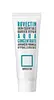 Key Ingredients
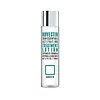
Benefits
Concerns
No concerns
Ingredients Side-by-side
Water
Skin ConditioningGlycerin
Humectant



Hydrogenated Polyisobutene
EmollientNiacinamide
Smoothing







Pentylene Glycol
Skin Conditioning1,2-Hexanediol
Skin Conditioning
Ceramide NP
Skin Conditioning
Panthenol
Skin Conditioning
Sodium Hyaluronate
Humectant
Nelumbo Nucifera Flower Extract
Skin ConditioningHaematococcus Pluvialis Extract
Antioxidant
Helianthus Annuus Seed Oil
Emollient

Olea Europaea Fruit Oil
Masking
Persea Gratissima Oil
Skin Conditioning
Prunus Amygdalus Dulcis Oil
Skin Conditioning
Melia Azadirachta Leaf Extract
Skin ConditioningEclipta Prostrata Extract
Skin ConditioningCurcuma Longa Root Extract
Masking
Ocimum Sanctum Leaf Extract
Skin Conditioning
Corallina Officinalis Extract
Skin Conditioning
Moringa Oleifera Seed Oil
Emollient
Cucumis Sativus Fruit Extract
Emollient
Carthamus Tinctorius Flower Extract
Skin ConditioningChrysanthellum Indicum Extract
Skin ConditioningLonicera Japonica Flower Extract
Skin ConditioningHydrolyzed Hyaluronic Acid
Humectant
Hyaluronic Acid
Humectant
Caprylic/Capric Triglyceride
Masking
Sodium Polyacryloyldimethyl Taurate
Emulsion StabilisingCetearyl Olivate
Hydrogenated Polydecene
EmollientSorbitan Olivate
Emulsifying
Hydroxyacetophenone
Antioxidant
Hydroxyethylcellulose
Emulsion StabilisingAllantoin
Skin Conditioning
Trideceth-10
CleansingBisabolol
Masking
Propanediol
Solvent
Butylene Glycol
Humectant
Benzyl Glycol
SolventHydrolyzed Glycosaminoglycans
HumectantAstaxanthin
Skin Conditioning
Sodium Hyaluronate Crosspolymer
Humectant
Ethylhexylglycerin
Skin ConditioningHydroxypropyltrimonium Hyaluronate
Sodium Acetylated Hyaluronate
Humectant
Melia Azadirachta Flower Extract
Skin ConditioningWater, Glycerin, Hydrogenated Polyisobutene, Niacinamide, Pentylene Glycol, 1,2-Hexanediol, Ceramide NP, Panthenol, Sodium Hyaluronate, Nelumbo Nucifera Flower Extract, Haematococcus Pluvialis Extract, Helianthus Annuus Seed Oil, Olea Europaea Fruit Oil, Persea Gratissima Oil, Prunus Amygdalus Dulcis Oil, Melia Azadirachta Leaf Extract, Eclipta Prostrata Extract, Curcuma Longa Root Extract, Ocimum Sanctum Leaf Extract, Corallina Officinalis Extract, Moringa Oleifera Seed Oil, Cucumis Sativus Fruit Extract, Carthamus Tinctorius Flower Extract, Chrysanthellum Indicum Extract, Lonicera Japonica Flower Extract, Hydrolyzed Hyaluronic Acid, Hyaluronic Acid, Caprylic/Capric Triglyceride, Sodium Polyacryloyldimethyl Taurate, Cetearyl Olivate, Hydrogenated Polydecene, Sorbitan Olivate, Hydroxyacetophenone, Hydroxyethylcellulose, Allantoin, Trideceth-10, Bisabolol, Propanediol, Butylene Glycol, Benzyl Glycol, Hydrolyzed Glycosaminoglycans, Astaxanthin, Sodium Hyaluronate Crosspolymer, Ethylhexylglycerin, Hydroxypropyltrimonium Hyaluronate, Sodium Acetylated Hyaluronate, Melia Azadirachta Flower Extract
Water
Skin ConditioningGlycerin
Humectant
Methyl Gluceth-20
Humectant
Pentylene Glycol
Skin ConditioningButylene Glycol
Humectant
Niacinamide
Smoothing
Sorbitol
Humectant
Adenosine
Skin Conditioning
Caffeine
Skin Conditioning
Sodium Hyaluronate
Humectant
Allantoin
Skin Conditioning
Panthenol
Skin Conditioning
Arginine
Masking
Hyaluronic Acid
Humectant
Glycyrrhiza Glabra Root Extract
Bleaching
Chamomilla Recutita Flower Extract
Masking
Centella Asiatica Extract
Cleansing
Glycine Soja Sprout Extract
EmollientCarica Papaya Fruit Extract
Skin Conditioning1,2-Hexanediol
Skin Conditioning
Sodium PCA
Humectant
Acrylates/C10-30 Alkyl Acrylate Crosspolymer
Emulsion StabilisingHydroxyethylcellulose
Emulsion StabilisingTrehalose
Humectant
Sodium Polyglutamate
HumectantHydroxypropyltrimonium Hyaluronate
Hydrolyzed Hyaluronic Acid
Humectant
Sodium Acetylated Hyaluronate
Humectant
Potassium Hyaluronate
Skin ConditioningSodium Hyaluronate Crosspolymer
Humectant
Disodium EDTA
Water, Glycerin, Methyl Gluceth-20, Pentylene Glycol, Butylene Glycol, Niacinamide, Sorbitol, Adenosine, Caffeine, Sodium Hyaluronate, Allantoin, Panthenol, Arginine, Hyaluronic Acid, Glycyrrhiza Glabra Root Extract, Chamomilla Recutita Flower Extract, Centella Asiatica Extract, Glycine Soja Sprout Extract, Carica Papaya Fruit Extract, 1,2-Hexanediol, Sodium PCA, Acrylates/C10-30 Alkyl Acrylate Crosspolymer, Hydroxyethylcellulose, Trehalose, Sodium Polyglutamate, Hydroxypropyltrimonium Hyaluronate, Hydrolyzed Hyaluronic Acid, Sodium Acetylated Hyaluronate, Potassium Hyaluronate, Sodium Hyaluronate Crosspolymer, Disodium EDTA
Reviews
Ingredients Explained
These ingredients are found in both products.
Ingredients higher up in an ingredient list are typically present in a larger amount.
1,2-Hexanediol is a synthetic liquid and another multi-functional powerhouse.
It is a:
- Humectant, drawing moisture into the skin
- Emollient, helping to soften skin
- Solvent, dispersing and stabilizing formulas
- Preservative booster, enhancing the antimicrobial activity of other preservatives
Allantoin is a soothing ingredient known for its protective and moisturizingg properties. Because of this, it is often added to products with strong active ingredients.
Studies show higher concentrations of this ingredient can promote wound healing.
Though it can be derived from the comfrey plant, allantoin is produced synthetically for cosmetic products to ensure purity.
Learn more about AllantoinButylene Glycol (or BG) is used within cosmetic products for a few different reasons:
Overall, Butylene Glycol is a safe and well-rounded ingredient that works well with other ingredients.
Though this ingredient works well with most skin types, some people with sensitive skin may experience a reaction such as allergic rashes, closed comedones, or itchiness.
Learn more about Butylene GlycolGlycerin is already naturally found in your skin. It helps moisturize and protect your skin.
A study from 2016 found glycerin to be more effective as a humectant than AHAs and hyaluronic acid.
As a humectant, it helps the skin stay hydrated by pulling moisture to your skin. The low molecular weight of glycerin allows it to pull moisture into the deeper layers of your skin.
Hydrated skin improves your skin barrier; Your skin barrier helps protect against irritants and bacteria.
Glycerin has also been found to have antimicrobial and antiviral properties. Due to these properties, glycerin is often used in wound and burn treatments.
In cosmetics, glycerin is usually derived from plants such as soybean or palm. However, it can also be sourced from animals, such as tallow or animal fat.
This ingredient is organic, colorless, odorless, and non-toxic.
Glycerin is the name for this ingredient in American English. British English uses Glycerol/Glycerine.
Learn more about GlycerinHyaluronic acid is naturally found in healthy skin. It is a humectant, meaning it draws moisture to your skin.
This ingredient helps hydrate, soothe, and protect the skin.
What makes hyaluronic acid so hydrating? It has the capacity to bind or hold large amounts of water.
Fun fact: It is already naturally found in our bodies, such as the fluids of our eyes and our joints.
Studies find this ingredient to have anti-inflammatory and anti-microbial properties. This can help speed up wound-healing.
Hyaluronic acid can be irritating if the molecule has a low-molecular weight, or if the molecules are small.
One study found low-molecular weight hyaluronic acid to be pro-inflammatory, meaning some people may experience irritation. This is because our bodies use hyaluronic acid in the wound-healing process to signal to our bodies, via irritation, that something needs healing.
The same study found high-molecular weight hyaluronic acid to be anti-inflammatory.
These are some other common types of Hyaluronic Acid:
Learn more about Hyaluronic AcidHydrolyzed Hyaluronic Acid is a form of hyaluronic acid. It is created by the hydrolysis of hyaluronic acid with a high molecular weight. Once created, Hydrolyzed Hyaluronic Acid has a low molecular weight.
Low molecular weight HA has been shown to hydrate and increase elasticity of the skin. Increasing elasticity is also associated with reduction of wrinkle depth.
One study found topical low molecular weight hyaluronic acid may be considered for the treatment of rosacea in the adult population. However, we always recommend speaking with a professional about your skin concerns.
Hyaluronic acids are a humectant. This means they draw moisture from the air. Hyaluronic acids help moisturize, soothe, and protect the skin.
Read more about other common forms of hyaluronic acid:
Learn more about Hydrolyzed Hyaluronic AcidHydroxyethylcellulose is used to improve the texture of products. It is created from a chemical reaction involving ethylene oxide and alkali-cellulose. Cellulose is a sugar found in plant cell walls and help give plants structure.
This ingredient helps stabilize products by preventing ingredients from separating. It can also help thicken the texture of a product.
This ingredient can also be found in pill medicines to help our bodies digest other ingredients.
Learn more about HydroxyethylcelluloseThis form of hyaluronic acid is produced through fermentation.
According to a manufacturer, it has a positive charge by ionic binding to help moisturize and give hair a smooth feel. This is why you'll find this ingredient in shampoos and body washes.
Niacinamide is a multitasking form of vitamin B3 that strengthens the skin barrier, reduces pores and dark spots, regulates oil, and improves signs of aging.
And the best part? It's gentle and well-tolerated by most skin types, including sensitive and reactive skin.
You might have heard of "niacin flush", or the reddening of skin that causes itchiness. Niacinamide has not been found to cause this.
In very rare cases, some individuals may not be able to tolerate niacinamide at all or experience an allergic reaction to it.
If you are experiencing flaking, irritation, and dryness with this ingredient, be sure to double check all your products as this ingredient can be found in all categories of skincare.
When incorporating niacinamide into your routine, look out for concentration amounts. Typically, 5% niacinamide provides benefits such as fading dark spots. However, if you have sensitive skin, it is better to begin with a smaller concentration.
When you apply niacinamide to your skin, your body converts it into nicotinamide adenine dinucleotide (NAD). NAD is an essential coenzyme that is already found in your cells as "fuel" and powers countless biological processes.
In your skin, NAD helps repair cell damage, produce new healthy cells, support collagen production, strengthen the skin barrier, and fight environmental stressors (like UV and pollution).
Our natural NAD levels start to decline with age, leading to slower skin repair, visible aging, and a weaker skin barrier. By providing your skin niacinamide, you're recharging your skin's NAD levels. This leads to stronger, healthier, and younger looking skin.
Another name for vitamin B3 is nicotinamide. This vitamin is water-soluble and our bodies don't store it. We obtain Vitamin B3 from either food or skincare. Meat, fish, wheat, yeast, and leafy greens contain vitamin B3.
The type of niacinamide used in skincare is synthetically created.
Learn more about NiacinamidePanthenol is a common ingredient that helps hydrate and soothe the skin. It is found naturally in our skin and hair.
There are two forms of panthenol: D and L.
D-panthenol is also known as dexpanthenol. Most cosmetics use dexpanthenol or a mixture of D and L-panthenol.
Panthenol is famous due to its ability to go deeper into the skin's layers. Using this ingredient has numerous pros (and no cons):
Like hyaluronic acid, panthenol is a humectant. Humectants are able to bind and hold large amounts of water to keep skin hydrated.
This ingredient works well for wound healing. It works by increasing tissue in the wound and helps close open wounds.
Once oxidized, panthenol converts to pantothenic acid. Panthothenic acid is found in all living cells.
This ingredient is also referred to as pro-vitamin B5.
Learn more about PanthenolPentylene glycol is typically used within a product to thicken it. It also adds a smooth, soft, and moisturizing feel to the product. It is naturally found in plants such as sugar beets.
The hydrophilic trait of Pentylene Glycol makes it a humectant. As a humectant, Pentylene Glycol helps draw moisture from the air to your skin. This can help keep your skin hydrated.
This property also makes Pentylene Glycol a great texture enhancer. It can also help thicken or stabilize a product.
Pentylene Glycol also acts as a mild preservative and helps to keep a product microbe-free.
Some people may experience mild eye and skin irritation from Pentylene Glycol. We always recommend speaking with a professional about using this ingredient in your routine.
Pentylene Glycol has a low molecular weight and is part of the 1,2-glycol family.
Learn more about Pentylene GlycolSodium Acetylated Hyaluronate is a type of Hyaluronic Acid.
Hyaluronic Acids help moisturize, soothe, and protect the skin.
Read about common types of Hyaluronic Acid here:
Sodium Hyaluronate
Hydrolyzed Hyaluronic Acid
Hyaluronic Acid
Sodium Hyaluronate is hyaluronic acid's salt form. It is commonly derived from the sodium salt of hyaluronic acid.
Like hyaluronic acid, it is great at holding water and acts as a humectant. This makes it a great skin hydrating ingredient.
Sodium Hyaluronate is naturally occurring in our bodies and is mostly found in eye fluid and joints.
These are some other common types of Hyaluronic Acid:
Learn more about Sodium HyaluronateSodium Hyaluronate Crosspolymer is a type of hyaluronic acid. In fact, it is modified version of hyaluronic acid.
The structure of Sodium Hyaluronate Crosspolymer allows it to stay in the skin's top layer for a longer period of time. This allows for even more hydration and humectant action than hyaluronic acid.
These are some other common types of Hyaluronic Acid:
Learn more about Sodium Hyaluronate CrosspolymerWater. It's the most common cosmetic ingredient of all. You'll usually see it at the top of ingredient lists, meaning that it makes up the largest part of the product.
So why is it so popular? Water most often acts as a solvent - this means that it helps dissolve other ingredients into the formulation.
You'll also recognize water as that liquid we all need to stay alive. If you see this, drink a glass of water. Stay hydrated!
Learn more about Water
