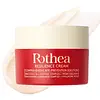
This barrier-repair moisturizer is formulated around Niacinamide and Bakuchiol to strengthen the skin barrier and soften the look of wrinkles.
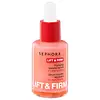
This anti-aging serum is formulated around Bakuchiol to soften the look of wrinkles and refine skin texture.


What's inside
What's inside
 Key Ingredients
Benefits
Concerns
Ingredients Side-by-side
Water
Skin ConditioningGlycerin
Humectant


Niacinamide
Smoothing









Ethylhexyl Palmitate
Emollient




Isododecane
EmollientAluminum Starch Octenylsuccinate
Absorbent
Cetearyl Alcohol
Emollient

Cetyl Alcohol
Emollient
Dimethicone
Emollient
Bakuchiol
Antimicrobial

Caprylic/Capric Triglyceride
Masking
Sh-Oligopeptide-1
Skin Conditioning
Sh-Polypeptide-1
Skin Conditioning
Sh-Polypeptide-11
Sh-Polypeptide-22
Skin Conditioning
Tremella Fuciformis Extract
Humectant
Ceramide AP
Skin Conditioning
Ceramide EOP
Skin Conditioning
Ceramide Eos
Skin Conditioning
Ceramide NP
Skin Conditioning
Ceramide Ns
Skin Conditioning
Hyaluronic Acid
Humectant
Hydrolyzed Hyaluronic Acid
Humectant
Hydrolyzed Glycosaminoglycans
HumectantSodium Hyaluronate Crosspolymer
Humectant
Sodium Hyaluronate
Humectant
Raspberry Ketone
Masking

Butylene Glycol
Humectant
Lecithin
Emollient
Ethylhexylglycerin
Skin ConditioningCaprooyl Phytosphingosine
Skin Conditioning
Caprooyl Sphingosine
Skin ConditioningPolyglyceryl-3 Distearate
Emulsifying
Glyceryl Stearate Citrate
Emollient
Ascorbyl Palmitate
Antioxidant
Tocopherol
Antioxidant
Sodium Ascorbyl Phosphate
Antioxidant
Disodium EDTA
ChelatingTrisodium Ethylenediamine Disuccinate
ChelatingCholesterol
Emollient
Polyisobutene
Palmitic Acid
Emollient
Behenic Acid
Cleansing
Phenoxyethanol
Preservative
Propanediol
Solvent
Benzyl Glycol
Solvent1,2-Hexanediol
Skin Conditioning
Caprylyl/Capryl Glucoside
CleansingCeteareth-25
CleansingSorbitan Oleate
Emulsifying
Sorbitan Isostearate
Emulsifying
Polysorbate 20
Emulsifying
Stearic Acid
Cleansing
Sodium Acrylate/Sodium Acryloyldimethyl Taurate Copolymer
Emulsion StabilisingHydroxyethyl Acrylate/Sodium Acryloyldimethyl Taurate Copolymer
Emulsion StabilisingWater, Glycerin, Niacinamide, Ethylhexyl Palmitate, Isododecane, Aluminum Starch Octenylsuccinate, Cetearyl Alcohol, Cetyl Alcohol, Dimethicone, Bakuchiol, Caprylic/Capric Triglyceride, Sh-Oligopeptide-1, Sh-Polypeptide-1, Sh-Polypeptide-11, Sh-Polypeptide-22, Tremella Fuciformis Extract, Ceramide AP, Ceramide EOP, Ceramide Eos, Ceramide NP, Ceramide Ns, Hyaluronic Acid, Hydrolyzed Hyaluronic Acid, Hydrolyzed Glycosaminoglycans, Sodium Hyaluronate Crosspolymer, Sodium Hyaluronate, Raspberry Ketone, Butylene Glycol, Lecithin, Ethylhexylglycerin, Caprooyl Phytosphingosine, Caprooyl Sphingosine, Polyglyceryl-3 Distearate, Glyceryl Stearate Citrate, Ascorbyl Palmitate, Tocopherol, Sodium Ascorbyl Phosphate, Disodium EDTA, Trisodium Ethylenediamine Disuccinate, Cholesterol, Polyisobutene, Palmitic Acid, Behenic Acid, Phenoxyethanol, Propanediol, Benzyl Glycol, 1,2-Hexanediol, Caprylyl/Capryl Glucoside, Ceteareth-25, Sorbitan Oleate, Sorbitan Isostearate, Polysorbate 20, Stearic Acid, Sodium Acrylate/Sodium Acryloyldimethyl Taurate Copolymer, Hydroxyethyl Acrylate/Sodium Acryloyldimethyl Taurate Copolymer
Water
Skin ConditioningPropanediol
Solvent
Coco-Caprylate/Caprate
Emollient
Pentylene Glycol
Skin Conditioning
Glyceryl Stearate Citrate
Emollient
Tocopheryl Acetate
Antioxidant
Bakuchiol
Antimicrobial
Polyacrylate Crosspolymer-6
Emulsion StabilisingHydroxyethyl Acrylate/Sodium Acryloyldimethyl Taurate Copolymer
Emulsion StabilisingSodium Benzoate
Masking
Helianthus Annuus Seed Oil
Emollient
Glyceryl Caprylate
EmollientTocopherol
Antioxidant
Glyceryl Stearate
Emollient
Polysorbate 60
Emulsifying
Sorbitan Isostearate
Emulsifying
Rosmarinus Officinalis Leaf Extract
AntimicrobialWater, Propanediol, Coco-Caprylate/Caprate, Pentylene Glycol, Glyceryl Stearate Citrate, Tocopheryl Acetate, Bakuchiol, Polyacrylate Crosspolymer-6, Hydroxyethyl Acrylate/Sodium Acryloyldimethyl Taurate Copolymer, Sodium Benzoate, Helianthus Annuus Seed Oil, Glyceryl Caprylate, Tocopherol, Glyceryl Stearate, Polysorbate 60, Sorbitan Isostearate, Rosmarinus Officinalis Leaf Extract
Ingredients Explained
These ingredients are found in both products.
Ingredients higher up in an ingredient list are typically present in a larger amount.
Bakuchiol is a plant-derived antioxidant from the seeds of the Psoralea corylifolia plant. It has antimicrobial, emollient, skin conditioning, and antioxidant properties.
You'll likely see it called a "retinol replacement" but the two are technically not related. This is because bakuchiol is able to flip many of the same switches in your skin cells to tell them to:
1) produce more collagen (type I, III, and IV)
2) activate the same genes retinoids do
Unlike retinoids, this ingredient will not increase photosensitivity and is safe to use during pregnancy (but please still check in with your doctor!).
The flagship clinical trial from Dhaliwal et al. 2019 found 0.5% bakuchiol (twice daily) and 0.5% retinol (once daily) reduced wrinkles and hyperpigmentation equally, but bakuchiol had significantly less irritation.
Systematic reviews also back this up:
Bakuchiol is comparable to retinol for photoaging but with better tolerability. It also has mild antibacterial properties against Cutibacterium acnes and antifungal activity in vitro against Candida and dermatophytes.
The reason bakuchiol works well is due to its structure; it is a meroterpene phenol, or a hybrid molecule. The phenol half acts as an antioxidant while the terpene half is fat-loving. This helps the molecule slip through the skin barrier.
This ingredient is usually used between 0.5-2%. Only one case of contact dermatitis has ever been reported for this ingredient.
Learn more about BakuchiolGlyceryl Stearate Citrate is a citric acid ester of glyceryl stearate.
It is an emulsifier, emollient, and a surfactant.
Emulsifiers help stabilize a product. It does this by preventing certain ingredients from separating. Common ingredients include oils and water, which do not mix naturally. Emulsifiers have properties that help keep ingredients such as these together.
Emollients help soothe and soften the skin. They do this by creating a protective film on your skin. This barrier helps trap moisture and keeps your skin hydrated. Emollients may be effective at treating dry or itchy skin.
Surfactants help gather oils, dirt, and other pollutants from the skin. This helps them to be easily rinsed away.
Learn more about Glyceryl Stearate CitrateThis is a synthetic polymer. It helps improve the texture of products by adding thickness and gel-like feel.
It is also an emulsifer, meaning it prevents ingredients such as oil and water from separating. It also helps evenly disperse other ingredients.
Propanediol is an all-star ingredient. It softens, hydrates, and smooths the skin.
It’s often used to:
Propanediol is not likely to cause sensitivity and considered safe to use. It is derived from corn or petroleum with a clear color and no scent.
Learn more about PropanediolSorbitan Isostearate is an emulsifer. It is created from isostearic acid and sorbitol.
As an emulsifier, it keeps the water and oil ingredients from separating. This keeps formulas stable and smooth.
In a 24 hour occlusive patch test on 56 subjects, 10% sorbitan isostearate was completely non-irritating. Most formulas use less than 10%.
Because it's a fatty acid ester, it may not be fungal acne safe since the Malassezia yeast can utilize it as a nutrient source.
Learn more about Sorbitan IsostearateTocopherol is a fat-soluble antioxidant known as Vitamin E.
You'll find this ingredient in the vast majority of skincare (for good reason). It works to neutralize free radicals, or unstable molecules generated by UV exposure, pollution, and other environmental stressors, before they can cause oxidative damage to your skin cells.
Topically applied tocopherol has been shown to protect against UV damage by ramping up the skin's own natural defense enzymes.
It also acts as a skin conditioning agent; some studies show that regular topical use can improve the skin's water-binding capacity over 2-4 weeks.
This ingredient is especially loved for being a team player. When combined with Vitamin C, the photoprotective effect of both ingredients roughly doubles and the combo also helps reduce UV-induced DNA damage.
This ingredient has some brightening potential but it's more of a prevention ingredient than spot-fader. Cell studies show it can slow down melanin production but it's worth noting that it's not the most powerful brightener out there.
In formulations, it also serves as a stabilizer that helps protect other oxidation-prone ingredients from degrading.
Concentrations usually range from 0.1-1% in most leave-on products.
Learn more about TocopherolWater. It's the most common cosmetic ingredient of all. You'll usually see it at the top of ingredient lists, meaning that it makes up the largest part of the product.
So why is it so popular? Water most often acts as a solvent - this means that it helps dissolve other ingredients into the formulation.
You'll also recognize water as that liquid we all need to stay alive. If you see this, drink a glass of water. Remember to stay hydrated!
Learn more about Water

