Sephora Collection Lift & Firm Plumping Booster Serum Versus Pacifica Wake Up Beautiful Retinoid Serum
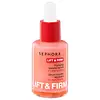
This anti-aging serum is formulated around Bakuchiol to soften the look of wrinkles and refine skin texture.
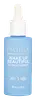
This anti-aging serum is formulated around Hydroxypinacolone Retinoate to soften the look of wrinkles and refine skin texture.


What's inside
What's inside
 Key Ingredients
Benefits
Concerns
Ingredients Side-by-side
Water
Skin ConditioningPropanediol
Solvent

Coco-Caprylate/Caprate
Emollient
Pentylene Glycol
Skin Conditioning
Glyceryl Stearate Citrate
Emollient

Tocopheryl Acetate
Antioxidant


Bakuchiol
Antimicrobial







Polyacrylate Crosspolymer-6
Emulsion StabilisingHydroxyethyl Acrylate/Sodium Acryloyldimethyl Taurate Copolymer
Emulsion StabilisingSodium Benzoate
Masking
Helianthus Annuus Seed Oil
Emollient
Glyceryl Caprylate
EmollientTocopherol
Antioxidant
Glyceryl Stearate
Emollient
Polysorbate 60
Emulsifying
Sorbitan Isostearate
Emulsifying
Rosmarinus Officinalis Leaf Extract
AntimicrobialWater, Propanediol, Coco-Caprylate/Caprate, Pentylene Glycol, Glyceryl Stearate Citrate, Tocopheryl Acetate, Bakuchiol, Polyacrylate Crosspolymer-6, Hydroxyethyl Acrylate/Sodium Acryloyldimethyl Taurate Copolymer, Sodium Benzoate, Helianthus Annuus Seed Oil, Glyceryl Caprylate, Tocopherol, Glyceryl Stearate, Polysorbate 60, Sorbitan Isostearate, Rosmarinus Officinalis Leaf Extract
Water
Skin ConditioningPropanediol
Solvent
Helianthus Annuus Seed Oil
Emollient
Cetearyl Olivate
Sorbitan Olivate
Emulsifying
Hydroxypinacolone Retinoate
Skin Conditioning


Rosa Centifolia Flower Extract
Astringent
Calendula Officinalis Flower Extract
Masking
Chamomilla Recutita Flower Extract
Masking
Ganoderma Lucidum Extract
Skin Protecting
Trametes Versicolor Extract
Chenopodium Quinoa Seed Extract
Skin Conditioning
Melatonin
Antioxidant
Oryza Sativa Bran Extract
Skin Conditioning
Helianthus Annuus Extract
Emollient
Rosmarinus Officinalis Leaf Extract
AntimicrobialTocopherol
Antioxidant
Glycerin
Humectant
Linoleic Acid
Cleansing
Phytosterols
Skin Conditioning
Phospholipids
Skin Conditioning
Jojoba Esters
Emollient
Caprylic/Capric Triglyceride
Masking
Sodium Hyaluronate
Humectant
Xanthan Gum
EmulsifyingAcacia Senegal Gum
MaskingSodium Gluconate
ChelatingDimethyl Isosorbide
SolventMethylheptylglycerin
HumectantCaprylhydroxamic Acid
ChelatingCaprylyl Glycol
Emollient
Citric Acid
Buffering
Water, Propanediol, Helianthus Annuus Seed Oil, Cetearyl Olivate, Sorbitan Olivate, Hydroxypinacolone Retinoate, Rosa Centifolia Flower Extract, Calendula Officinalis Flower Extract, Chamomilla Recutita Flower Extract, Ganoderma Lucidum Extract, Trametes Versicolor Extract, Chenopodium Quinoa Seed Extract, Melatonin, Oryza Sativa Bran Extract, Helianthus Annuus Extract, Rosmarinus Officinalis Leaf Extract, Tocopherol, Glycerin, Linoleic Acid, Phytosterols, Phospholipids, Jojoba Esters, Caprylic/Capric Triglyceride, Sodium Hyaluronate, Xanthan Gum, Acacia Senegal Gum, Sodium Gluconate, Dimethyl Isosorbide, Methylheptylglycerin, Caprylhydroxamic Acid, Caprylyl Glycol, Citric Acid
Reviews
Ingredients Explained
These ingredients are found in both products.
Ingredients higher up in an ingredient list are typically present in a larger amount.
Helianthus Annuus Seed Oil is a plant oil derived from the seeds of a sunflower.
It is rich in fatty acids, primarily linoleic acid and oleic acid. This gives it emollient and skin conditioning properties.
The reason this ingredient is so effective is because it forms a thin film on the skin that reduces transepidermal water loss (TEWL) while supplying linoleic acid to the stratum corneum to improve barrier strength.
The high linoleic acid content is particularly noteworthy for acne-prone skin.
Research suggests that acne-prone skin tends to be deficient in linoleic acid in sebum. Topical application may help replenish this to support a healthier follicular environment and less comedone-promoting sebum.
One randomized study found sunflower seed oil preserved skin barrier integrity in adult volunteers with and without atopic dermatitis (outperforming olive oil).
This ingredient is well-studied, gentle, and an effective emollient suitable for most skin types.
On fungal acne: This ingredient may not be Fungal acne (Malassezia folliculitis) safe. This is because it contains fatty acids with carbon chain lengths in the C11-C24 range.
Learn more about Helianthus Annuus Seed OilPropanediol is an all-star ingredient. It softens, hydrates, and smooths the skin.
It’s often used to:
Propanediol is not likely to cause sensitivity and considered safe to use. It is derived from corn or petroleum with a clear color and no scent.
Learn more about PropanediolThis is a botanical extract from the rosemary plant (the same one you cook with). In skincare, it mostly works as a skin conditioning agent.
Its activity comes from a handful of polyphenols, carnosic acid, carnosol, and rosmarinic acid. Almost 90% of the antioxidant activity of this ingredient can be attributed to canosol and carnosic acid.
These compounds protect your skin two ways:
1) They fight off free radicals, or the unstable molecules from things like sun and pollution that age and damage skin.
2) They help calm inflammation by switching off the chemical signals that tell skin to get red and irritated.
Lab studies also suggest that rosmarinic acid may help protect collagen and slow sugar-related damage to it.
The Cosmetic Ingredient Review has concluded rosemary-derived ingredients to be safe when formulated to be non-sensitizing.
Rosemary can occasionally cause allergic contact dermatitis (due to carnosol), so be sure to patch test if you have reactive or fragrance-sensitive skin.
Learn more about Rosmarinus Officinalis Leaf ExtractTocopherol is a fat-soluble antioxidant known as Vitamin E.
You'll find this ingredient in the vast majority of skincare (for good reason). It works to neutralize free radicals, or unstable molecules generated by UV exposure, pollution, and other environmental stressors, before they can cause oxidative damage to your skin cells.
Topically applied tocopherol has been shown to protect against UV damage by ramping up the skin's own natural defense enzymes.
It also acts as a skin conditioning agent; some studies show that regular topical use can improve the skin's water-binding capacity over 2-4 weeks.
This ingredient is especially loved for being a team player. When combined with Vitamin C, the photoprotective effect of both ingredients roughly doubles and the combo also helps reduce UV-induced DNA damage.
This ingredient has some brightening potential but it's more of a prevention ingredient than spot-fader. Cell studies show it can slow down melanin production but it's worth noting that it's not the most powerful brightener out there.
In formulations, it also serves as a stabilizer that helps protect other oxidation-prone ingredients from degrading.
Concentrations usually range from 0.1-1% in most leave-on products.
Learn more about TocopherolWater. It's the most common cosmetic ingredient of all. You'll usually see it at the top of ingredient lists, meaning that it makes up the largest part of the product.
So why is it so popular? Water most often acts as a solvent - this means that it helps dissolve other ingredients into the formulation.
You'll also recognize water as that liquid we all need to stay alive. If you see this, drink a glass of water. Remember to stay hydrated!
Learn more about Water

