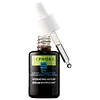
This hydrating serum is formulated around Hydrolyzed Sodium Hyaluronate and Sodium Hyaluronate to hydrate skin and strengthen the skin barrier.
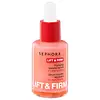
This anti-aging serum is formulated around Bakuchiol to soften the look of wrinkles and refine skin texture.

What's inside
What's inside
 Key Ingredients
Benefits
Concerns
No concerns
Ingredients Side-by-side
Water
Skin ConditioningTriethyl Citrate
Masking

Diglycerin
Humectant
Pentylene Glycol
Skin Conditioning
Methylpropanediol
SolventGlycerin
Humectant
Hydrolyzed Sodium Hyaluronate
Skin Conditioning
Sodium Hyaluronate
Humectant


Maltodextrin
Absorbent
Xanthan Gum
EmulsifyingSodium Benzoate
Masking
Sodium Phytate
ChelatingCitric Acid
Buffering


Polyglutamic Acid
Skin Conditioning
Sclerotium Gum
Emulsion StabilisingErythritol
Humectant
Water
Skin ConditioningPropanediol
Solvent
Coco-Caprylate/Caprate
Emollient
Pentylene Glycol
Skin Conditioning
Glyceryl Stearate Citrate
Emollient
Tocopheryl Acetate
Antioxidant

Bakuchiol
Antimicrobial



Polyacrylate Crosspolymer-6
Emulsion StabilisingHydroxyethyl Acrylate/Sodium Acryloyldimethyl Taurate Copolymer
Emulsion StabilisingSodium Benzoate
Masking
Helianthus Annuus Seed Oil
Emollient
Glyceryl Caprylate
EmollientTocopherol
Antioxidant
Glyceryl Stearate
Emollient
Polysorbate 60
Emulsifying
Sorbitan Isostearate
Emulsifying
Rosmarinus Officinalis Leaf Extract
AntimicrobialWater, Propanediol, Coco-Caprylate/Caprate, Pentylene Glycol, Glyceryl Stearate Citrate, Tocopheryl Acetate, Bakuchiol, Polyacrylate Crosspolymer-6, Hydroxyethyl Acrylate/Sodium Acryloyldimethyl Taurate Copolymer, Sodium Benzoate, Helianthus Annuus Seed Oil, Glyceryl Caprylate, Tocopherol, Glyceryl Stearate, Polysorbate 60, Sorbitan Isostearate, Rosmarinus Officinalis Leaf Extract
Reviews
Ingredients Explained
These ingredients are found in both products.
Ingredients higher up in an ingredient list are typically present in a larger amount.
Pentylene Glycol (1,2-pentanediol) is a multitasking little diol with three main roles in a formula:
Research on alkanediols (the family pentylene glycol belongs to) show they work by disrupting microbial cell membranes. This disruption helps the primary preservative system in a product work more effectively at lower doses.
On the safety side, the Cosmetic Ingredient Review Expert Panel has concluded this ingredient to be safe as used in current cosmetic practices + concentrations.
Typical use levels in a formula run about 1-5%.
Learn more about Pentylene GlycolSodium Benzoate is a preservative. It's used in both cosmetic and food products to inhibit the growth of mold and bacteria. It is typically produced synthetically.
Both the US FDA and EU Health Committee have approved the use of sodium benzoate. In the US, levels of 0.1% (of the total product) are allowed.
Sodium benzoate works as a preservative by inhibiting the growth of bacteria inside of cells. It prevents the cell from fermenting a type of sugar using an enzyme called phosphofructokinase.
It is the salt of benzoic acid. Foods containing sodium benzoate include soda, salad dressings, condiments, fruit juices, wines, and snack foods.
Studies for using ascorbic acid and sodium benzoate in cosmetics are lacking, especially in skincare routines with multiple steps.
We always recommend speaking with a professional, such as a dermatologist, if you have any concerns.
Learn more about Sodium BenzoateWater. It's the most common cosmetic ingredient of all. You'll usually see it at the top of ingredient lists, meaning that it makes up the largest part of the product.
So why is it so popular? Water most often acts as a solvent - this means that it helps dissolve other ingredients into the formulation.
You'll also recognize water as that liquid we all need to stay alive. If you see this, drink a glass of water. Remember to stay hydrated!
Learn more about Water

