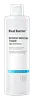
This hydrating toner is formulated around Panthenol and Allantoin to hydrate skin and strengthen the skin barrier.
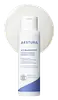
This hydrating essence is formulated around Squalane and Hydroxypropyl Bispalmitamide Mea to hydrate skin and strengthen the skin barrier.

What's inside
What's inside
 Key Ingredients
Benefits
Concerns
Ingredients Side-by-side
Water
Skin ConditioningDipropylene Glycol
HumectantGlycerin
Humectant


Butylene Glycol
Humectant
1,2-Hexanediol
Skin Conditioning
Hydroxyethyl Urea
Humectant
Hydroxyacetophenone
Antioxidant
Glycosyl Trehalose
Emulsion StabilisingHydrogenated Starch Hydrolysate
HumectantCarbomer
Emulsion StabilisingPanthenol
Skin Conditioning

Allantoin
Skin Conditioning
Butyrospermum Parkii Butter
Skin Conditioning




Caprylyl/Capryl Glucoside
CleansingSodium Phytate
ChelatingSodium Hyaluronate
Humectant

Polyglyceryl-10 Myristate
Skin Conditioning
Polyglyceryl-10 Laurate
Skin Conditioning
Hydrogenated Lecithin
Emulsifying
Arginine
Masking
Ricinus Communis Seed Oil
Masking

Polyglyceryl-10 Stearate
Skin Conditioning
Lactobionic Acid
Buffering





Olea Europaea Fruit Oil
Masking
Juniperus Virginiana Oil
Masking

Rosmarinus Officinalis Leaf Oil
Masking
Copaifera Officinalis Resin
MaskingEctoin
Skin Conditioning
Tartaric Acid
Buffering
Glyceryl Caprylate
EmollientLinoleic Acid
Cleansing
Myristoyl/Palmitoyl Oxostearamide/Arachamide Mea
Skin ConditioningCapryloyl Salicylic Acid
Exfoliating
Madecassoside
Antioxidant
Phytosterols
Skin Conditioning
Eucalyptus Globulus Leaf Oil
Perfuming
Pogostemon Cablin Leaf Oil
Masking
Glycolipids
Skin ConditioningCandida Bombicola/Glucose/Methyl Rapeseedate Ferment
AntimicrobialPropanediol
Solvent
Sodium Hyaluronate Crosspolymer
Humectant
Viola Odorata Leaf Extract
MaskingLavandula Angustifolia Oil
Masking
Cananga Odorata Flower Oil
Masking
Artemisia Vulgaris Oil
Perfuming
Anthemis Nobilis Flower Oil
Masking
Hydrolyzed Glycosaminoglycans
HumectantJasminum Officinale Oil
Masking
Ferula Galbaniflua Resin Oil
Antimicrobial
Chamomilla Recutita Flower Oil
Masking
Benzyl Glycol
SolventHydrolyzed Hyaluronic Acid
Humectant
Hydroxypropyltrimonium Hyaluronate
Ethylhexylglycerin
Skin ConditioningSodium Acetylated Hyaluronate
Humectant
Hyaluronic Acid
Humectant
Raspberry Ketone
Masking
Water, Dipropylene Glycol, Glycerin, Butylene Glycol, 1,2-Hexanediol, Hydroxyethyl Urea, Hydroxyacetophenone, Glycosyl Trehalose, Hydrogenated Starch Hydrolysate, Carbomer, Panthenol, Allantoin, Butyrospermum Parkii Butter, Caprylyl/Capryl Glucoside, Sodium Phytate, Sodium Hyaluronate, Polyglyceryl-10 Myristate, Polyglyceryl-10 Laurate, Hydrogenated Lecithin, Arginine, Ricinus Communis Seed Oil, Polyglyceryl-10 Stearate, Lactobionic Acid, Olea Europaea Fruit Oil, Juniperus Virginiana Oil, Rosmarinus Officinalis Leaf Oil, Copaifera Officinalis Resin, Ectoin, Tartaric Acid, Glyceryl Caprylate, Linoleic Acid, Myristoyl/Palmitoyl Oxostearamide/Arachamide Mea, Capryloyl Salicylic Acid, Madecassoside, Phytosterols, Eucalyptus Globulus Leaf Oil, Pogostemon Cablin Leaf Oil, Glycolipids, Candida Bombicola/Glucose/Methyl Rapeseedate Ferment, Propanediol, Sodium Hyaluronate Crosspolymer, Viola Odorata Leaf Extract, Lavandula Angustifolia Oil, Cananga Odorata Flower Oil, Artemisia Vulgaris Oil, Anthemis Nobilis Flower Oil, Hydrolyzed Glycosaminoglycans, Jasminum Officinale Oil, Ferula Galbaniflua Resin Oil, Chamomilla Recutita Flower Oil, Benzyl Glycol, Hydrolyzed Hyaluronic Acid, Hydroxypropyltrimonium Hyaluronate, Ethylhexylglycerin, Sodium Acetylated Hyaluronate, Hyaluronic Acid, Raspberry Ketone
Water
Skin ConditioningButylene Glycol
Humectant
Glycerin
Humectant
Squalane
Emollient
1,2-Hexanediol
Skin Conditioning
Acrylates/C10-30 Alkyl Acrylate Crosspolymer
Emulsion StabilisingCarbomer
Emulsion StabilisingTromethamine
BufferingGlyceryl Caprylate
EmollientEthylhexylglycerin
Skin ConditioningDisodium EDTA
ChelatingNatto Gum
Stearic Acid
Cleansing
Hydroxypropyl Bispalmitamide Mea
Emollient
Mannitol
Humectant
PCA
Humectant
Lactic Acid
Buffering
Glucose
Humectant
Glycine
Buffering
Urea
Buffering
Sodium Glycerophosphate
Serine
Masking
Glutamic Acid
Humectant
Tocopherol
Antioxidant
Acrylates/Ammonium Methacrylate Copolymer
Potassium Magnesium Aspartate
BufferingAspartic Acid
Masking
Leucine
Skin ConditioningSodium Chloride
MaskingAlanine
Masking
Lysine
Skin ConditioningArginine
Masking
Calcium Gluconate
HumectantMagnesium Gluconate
Skin ConditioningTyrosine
MaskingPhenylalanine
Masking
Proline
Skin Conditioning
Threonine
Valine
MaskingIsoleucine
Skin ConditioningCitric Acid
Buffering
Cholesterol
Emollient
Histidine
Humectant
Silica
Abrasive
Acetyl Glucosamine
Skin Conditioning
Creatine
Skin ConditioningUric Acid
BufferingCysteine
Antioxidant
Methionine
Skin ConditioningWater, Butylene Glycol, Glycerin, Squalane, 1,2-Hexanediol, Acrylates/C10-30 Alkyl Acrylate Crosspolymer, Carbomer, Tromethamine, Glyceryl Caprylate, Ethylhexylglycerin, Disodium EDTA, Natto Gum, Stearic Acid, Hydroxypropyl Bispalmitamide Mea, Mannitol, PCA, Lactic Acid, Glucose, Glycine, Urea, Sodium Glycerophosphate, Serine, Glutamic Acid, Tocopherol, Acrylates/Ammonium Methacrylate Copolymer, Potassium Magnesium Aspartate, Aspartic Acid, Leucine, Sodium Chloride, Alanine, Lysine, Arginine, Calcium Gluconate, Magnesium Gluconate, Tyrosine, Phenylalanine, Proline, Threonine, Valine, Isoleucine, Citric Acid, Cholesterol, Histidine, Silica, Acetyl Glucosamine, Creatine, Uric Acid, Cysteine, Methionine
Reviews
Ingredients Explained
These ingredients are found in both products.
Ingredients higher up in an ingredient list are typically present in a larger amount.
1,2-Hexanediol is a synthetic liquid and another multi-functional powerhouse.
It is a:
- Humectant, drawing moisture into the skin
- Emollient, helping to soften skin
- Solvent, dispersing and stabilizing formulas
- Preservative booster, enhancing the antimicrobial activity of other preservatives
Arginine is a semi-essential amino acid. This just means our bodies can product a bit on its own, but sometimes needs a little boost from food sources.
It is a part of your skin's natural moisturizing factor (NMF), or the water-loving molecules in your outermost layer of skin (stratum corneum) that keeps everything hydrated and happy.
Here's an interesting thing about Arginine: your skin converts it into urea through the Krebs-Henseleit urea cycle. Urea is one of the most effective humectants your skin naturally produces.
A clinical study showed applying 2.5% arginine hydrochloride to atopic dermatitis skin showed significant urea levels in the stratum corneum and improved moisture in just four weeks.
Arginine is also a precursor to nitric oxide; nitric oxide improves microcirculation and supports wound healing and collagen synthesis.
One study found that an amino acid complex containing Arginine reduced skin irritation, improved hydration, and accelerated skin repair in clinical / in-vivo studies.
Arginine itself is an amino acid and not a fatty acid, oil, or ester. On its own, it's not a direct food source for Malassezia, or the yeast that causes fungal acne.
Learn more about ArginineButylene Glycol (or BG) is used within cosmetic products for a few different reasons:
Overall, Butylene Glycol is a safe and well-rounded ingredient that works well with other ingredients.
Though this ingredient works well with most skin types, some people with sensitive skin may experience a reaction such as allergic rashes, closed comedones, or itchiness.
Learn more about Butylene GlycolCarbomer is a synthetic thickening and gelling agent. It's basically the ingredient that gives a lot of serums, gels, creams, and sunscreens their smooth, non-sticky texture.
Although legally permitted at very high levels, carbomers are normally used at concentrations below 1%.
It also needs to be neutralized to actually thicken, and because it is a large molecule, it doesn't really penetrate the skin barrier.
Allergy-wise, the risk is very low. Clinical studies show carbomers have low potential for skin irritation/sensitization even at concentrations up to 100%.
A 2024 UK study patch-tested 1,302 patients and found true allergy to the parent group of carbomer to be rare with no confirmed relevant reactions.
Learn more about CarbomerEthylhexylglycerin is created from glycerin. It is a multitasker ingredient that:
The CIR Expert Panel found minimal skin absorption or sensitization of any kind in a safety assessment. Though this ingredient is considered well-tolerated, a small number of cases of allergic dermatitis have been published since 2002. Just be sure to patch test if you are unsure.
Industry-reported use ranges from 8% in rinse-off products and 2% in leave-on formulations.
Learn more about EthylhexylglycerinGlycerin (or glycerol) is a compound naturally found in your skin. It's a powerhouse humectant that pulls water into the stratum corneum.
Topically, glycerin does several things at once:
Your skin makes glycerin on its own (mostly from sebaceous oil breakdown) and shuttles it to your outermost layer of skin, or your epidermis, via aquaporin-3.
Aquaporin-3 is a transporter that is essential for normal skin hydration, elasticity, and repair. Interestingly, mice lacking in AQP3 have dry and less elastic skin that can be fully corrected with glycerin.
This ingredient is non-irritating, plays well with almost every ingredient, and works across all skin types. Typical use is anywhere between 3-10% but can go up to 79% in some leave-on products.
Just know very high concentrations (>40%) can feel tacky in low humidity.
Glycerin is the name for this ingredient in American English. British English uses Glycerol/Glycerine.
Learn more about GlycerinGlyceryl Caprylate comes from glycerin and caprylic acid. It is an emollient, co-emulsifier, and preservative booster.
Its short C8 fatty acid chain makes it behave differently from its longer-chain emollient cousins like Glyceryl Stearate. It feels more lightweight, fast-absorbing, and silky instead of rich and waxy.
As a co-emulsifier, its "head" and "tail" sit at the oil-water interface. But overall, the short C8 tail and not being water soluble means it doesn't really have the muscle to emulsify a formula on its own. That's why you'll often see it paired with a primary emulsifier like Cetearyl Glucoside.
Interestingly, Glyceryl Caprylate acts as a preservative booster. This is because its fatty-acid backbone disrupts microbial lipid membranes. It shows excellent activity against bacteria and yeast but is weaker against mold.
Typical concentrations range from 0.5-1% and this ingredient is generally non-irritating.
Because this ingredient has a C8 fatty acid chain, it is outside the range that the Malassezia yeast metabolizes (making it fungal acne safe).
Learn more about Glyceryl CaprylateWater. It's the most common cosmetic ingredient of all. You'll usually see it at the top of ingredient lists, meaning that it makes up the largest part of the product.
So why is it so popular? Water most often acts as a solvent - this means that it helps dissolve other ingredients into the formulation.
You'll also recognize water as that liquid we all need to stay alive. If you see this, drink a glass of water. Remember to stay hydrated!
Learn more about Water

