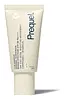
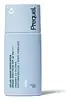
Prequel Sun Barrier Mineral Sunscreen Broad Spectrum SPF 50 PA++++ Versus Prequel Solar Shade Broad Spectrum SPF 46 PA++++
This hybrid sunscreen covers the full UV range and blocks ~98% of UVB at SPF 50.
This chemical sunscreen covers most of the UV range, lighter on the deep UVA that drives aging.

What's inside
What's inside
 Key Ingredients
Benefits
Concerns
Ingredients Side-by-side
Zinc Oxide 18%
Cosmetic Colorant


Water
Skin ConditioningCaprylic/Capric Triglyceride
Masking


Diisooctyl Succinate
Emollient

Butyloctyl Salicylate
Skin Conditioning
Propanediol
Solvent
Glycerin
Humectant
Cetearyl Olivate


Polyhydroxystearic Acid
Emulsifying
Sorbitan Olivate
Emulsifying
Bisabolol
Antioxidant


Pongamia Pinnata Seed Extract
Skin ConditioningZingiber Officinale Root Extract
Masking
Tetrahydrodiferuloylmethane
Antioxidant
Tetrahydrodemethoxydiferuloylmethane
Antioxidant
Tetrahydrobisdemethoxydiferuloylmethane
Antioxidant
Calendula Officinalis Flower Extract
Masking
Camellia Sinensis Leaf Extract
Antimicrobial


Chamomilla Recutita Flower Extract
Masking
Centella Asiatica Extract
Cleansing
Phenoxyethanol
Preservative
Polyglyceryl-4 Laurate/Succinate
Lauroyl Lysine
Skin Conditioning
Triethoxycaprylylsilane

Arachidyl Alcohol
Emollient
Silica
Abrasive
Xanthan Gum
EmulsifyingPotassium Cetyl Phosphate
EmulsifyingBehenyl Alcohol
Emollient
Caprylyl Glycol
Emollient
Vp/Eicosene Copolymer
Arachidyl Glucoside
EmulsifyingTetrasodium Glutamate Diacetate
ChelatingEthylhexylglycerin
Skin ConditioningTocopheryl Acetate
Antioxidant
Cetyl Alcohol
Emollient
Tin Oxide
Abrasive
Isononyl Isononanoate
EmollientEthylene/Propylene/Styrene Copolymer
Sorbitan Oleate
Emulsifying
CI 77891
Cosmetic ColorantMica
Cosmetic ColorantIron Oxides
Zinc Oxide 18%, Water, Caprylic/Capric Triglyceride, Diisooctyl Succinate, Butyloctyl Salicylate, Propanediol, Glycerin, Cetearyl Olivate, Polyhydroxystearic Acid, Sorbitan Olivate, Bisabolol, Pongamia Pinnata Seed Extract, Zingiber Officinale Root Extract, Tetrahydrodiferuloylmethane, Tetrahydrodemethoxydiferuloylmethane, Tetrahydrobisdemethoxydiferuloylmethane, Calendula Officinalis Flower Extract, Camellia Sinensis Leaf Extract, Chamomilla Recutita Flower Extract, Centella Asiatica Extract, Phenoxyethanol, Polyglyceryl-4 Laurate/Succinate, Lauroyl Lysine, Triethoxycaprylylsilane, Arachidyl Alcohol, Silica, Xanthan Gum, Potassium Cetyl Phosphate, Behenyl Alcohol, Caprylyl Glycol, Vp/Eicosene Copolymer, Arachidyl Glucoside, Tetrasodium Glutamate Diacetate, Ethylhexylglycerin, Tocopheryl Acetate, Cetyl Alcohol, Tin Oxide, Isononyl Isononanoate, Ethylene/Propylene/Styrene Copolymer, Sorbitan Oleate, CI 77891, Mica, Iron Oxides
Butyl Methoxydibenzoylmethane 3%
UV Absorber
Homosalate 7%
Skin Conditioning
Octocrylene 9%
UV Absorber
Ethylhexyl Salicylate 5%
UV Absorber
Water
Skin ConditioningGlycerin
Humectant
Butyloctyl Salicylate
Skin Conditioning
C12-15 Alkyl Benzoate
AntimicrobialPongamia Glabra Seed Oil
Skin Conditioning
Undecane
EmollientBetaine
Humectant
Silica
Abrasive
Ethyl Ferulate
Antioxidant
Oryza Sativa Extract
Absorbent
Oryza Sativa Germ Extract
EmollientGlycine Soja Seed Extract
Skin Conditioning
Tridecane
Perfuming
Glycine Soja Oil
Emollient
Sodium Dilauramidoglutamide Lysine
HumectantDunaliella Salina Extract
Skin ConditioningHaematococcus Pluvialis Extract
Antioxidant
Inulin
Skin Conditioning
Fructose
Humectant
Glucose
Humectant
Pongamia Pinnata Seed Extract
Skin ConditioningPolyglyceryl-4 Laurate
Emulsifying
Hydroxyethyl Acrylate/Sodium Acryloyldimethyl Taurate Copolymer
Emulsion StabilisingHydroxyacetophenone
Antioxidant
Arachidyl Alcohol
Emollient
Polyglyceryl-6 Laurate
Emulsifying
1,2-Hexanediol
Skin Conditioning
Caprylyl Glycol
Emollient
Behenyl Alcohol
Emollient
Cellulose Gum
Emulsion StabilisingPolyglyceryl-3 Diisostearate
Emulsifying
Arachidyl Glucoside
EmulsifyingTocopherol
Antioxidant
Sodium Phytate
ChelatingPolysorbate 60
Emulsifying
Sorbitan Isostearate
Emulsifying
Citric Acid
Buffering
Xanthan Gum
EmulsifyingCellulose
Absorbent
Butyl Methoxydibenzoylmethane 3%, Homosalate 7%, Octocrylene 9%, Ethylhexyl Salicylate 5%, Water, Glycerin, Butyloctyl Salicylate, C12-15 Alkyl Benzoate, Pongamia Glabra Seed Oil, Undecane, Betaine, Silica, Ethyl Ferulate, Oryza Sativa Extract, Oryza Sativa Germ Extract, Glycine Soja Seed Extract, Tridecane, Glycine Soja Oil, Sodium Dilauramidoglutamide Lysine, Dunaliella Salina Extract, Haematococcus Pluvialis Extract, Inulin, Fructose, Glucose, Pongamia Pinnata Seed Extract, Polyglyceryl-4 Laurate, Hydroxyethyl Acrylate/Sodium Acryloyldimethyl Taurate Copolymer, Hydroxyacetophenone, Arachidyl Alcohol, Polyglyceryl-6 Laurate, 1,2-Hexanediol, Caprylyl Glycol, Behenyl Alcohol, Cellulose Gum, Polyglyceryl-3 Diisostearate, Arachidyl Glucoside, Tocopherol, Sodium Phytate, Polysorbate 60, Sorbitan Isostearate, Citric Acid, Xanthan Gum, Cellulose
Reviews
Ingredients Explained
These ingredients are found in both products.
Ingredients higher up in an ingredient list are typically present in a larger amount.
Arachidyl Alcohol is a fatty alcohol made from the the arachidic acid found in peanut oil.
Despite having "alcohol" in the name, it is not related to denatured alcohol or ethanol.
This ingredient is a multitasker:
Just be sure to patch this ingredient if you have a peanut allergy (though this ingredient is highly processed and the allergenic proteins are typically removed).
Learn more about Arachidyl AlcoholThis ingredient is a plant-based surfactant and emulsifier. It helps oil and water based ingredients mix evenly to improve formula stability without adding a "greasy" feel.
Behenyl Alcohol is a type of fatty alcohol (these are different from the drying, solvent alcohols).
Fatty Alcohols have hydrating properties and are most often used as an emollient or to thicken a product. They are usually derived from natural fats and oils; behenyl alcohol is derived from the fats of vegetable oils.
Emollients help keep your skin soft and hydrated by creating a film that traps moisture in.
In 2000, Behenyl Alcohol was approved by the US as medicine to reduce the duration of cold sores.
Learn more about Behenyl AlcoholButyloctyl Salicylate is a chemical UV filter structurally similar to octisalate. It is a photostabilizer, SPF booster, emollient and solvent. This ingredient helps evenly spread out ingredients.
According to a manufacturer, it is suitable for pairing with micro Titanium Dioxide, Zinc Oxide, and pigments.
Photostabilizers help stabilize UV-filters and prevents them from degrading quickly.
Learn more about Butyloctyl SalicylateCaprylyl Glycol is a humectant, skin conditioner, emollient, and preservative booster derived from either caprylic acid or synthetically created.
Typical use levels vary from 0.3-1% as a preservative booster and go up to 2% to condition skin.
Because it is not a free-fatty acid, this ingredient is fungal acne safe (there's nothing for Malassezia to feed on).
Learn more about Caprylyl GlycolGlycerin (or glycerol) is a compound naturally found in your skin. It's a powerhouse humectant that pulls water into the stratum corneum.
Topically, glycerin does several things at once:
Your skin makes glycerin on its own (mostly from sebaceous oil breakdown) and shuttles it to your outermost layer of skin, or your epidermis, via aquaporin-3.
Aquaporin-3 is a transporter that is essential for normal skin hydration, elasticity, and repair. Interestingly, mice lacking in AQP3 have dry and less elastic skin that can be fully corrected with glycerin.
This ingredient is non-irritating, plays well with almost every ingredient, and works across all skin types. Typical use is anywhere between 3-10% but can go up to 79% in some leave-on products.
Just know very high concentrations (>40%) can feel tacky in low humidity.
Glycerin is the name for this ingredient in American English. British English uses Glycerol/Glycerine.
Learn more about GlycerinWe don't have a description for Pongamia Pinnata Seed Extract yet.
Silica, also known as silicon dioxide, is a naturally occurring mineral. It is used as a fine, spherical, and porous powder in cosmetics.
Though it has exfoliant properties, the function of silica varies depending on the product.
The unique structure of silica enhances the spreadability and adds smoothness, making it a great texture enhancer.
It is also used as an active carrier, emulsifier, and mattifier due to its ability to absorb excess oil.
In some products, tiny microneedles called spicules are made from silica or hydrolyzed sponge. When you rub them in, they lightly polish away dead skin layers and enhance the penetration of active ingredients.
Learn more about SilicaWater. It's the most common cosmetic ingredient of all. You'll usually see it at the top of ingredient lists, meaning that it makes up the largest part of the product.
So why is it so popular? Water most often acts as a solvent - this means that it helps dissolve other ingredients into the formulation.
You'll also recognize water as that liquid we all need to stay alive. If you see this, drink a glass of water. Remember to stay hydrated!
Learn more about WaterXanthan gum is used as a stabilizer and thickener within cosmetic products. It helps give products a sticky, thick feeling - preventing them from being too runny.
On the technical side of things, xanthan gum is a polysaccharide - a combination consisting of multiple sugar molecules bonded together.
Xanthan gum is a pretty common and great ingredient. It is a natural, non-toxic, non-irritating ingredient that is also commonly used in food products.
Learn more about Xanthan Gum

