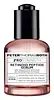
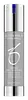
Peter Thomas Roth PRO Strength Retinoid Peptide Serum Versus ZO Skin Health Retinol Skin Brightener 0.25%
This anti-aging serum is formulated around Hydroxypinacolone Retinoate and Ceramide NP to soften the look of wrinkles and refine skin texture.
This brightening serum is formulated around Retinol and Ascorbyl Glucoside to fade the look of dark spots and brighten dull-looking skin.

What's inside
What's inside
 Key Ingredients
Benefits
Concerns
Ingredients Side-by-side
C9-12 Alkane
SolventDimethicone
Emollient

Isononyl Isononanoate
EmollientDimethyl Isosorbide
SolventTrisiloxane
Skin Conditioning
Cyclopentasiloxane
Emollient
Polysilicone-11

Coco-Caprylate/Caprate
Emollient
Caprylic/Capric Triglyceride
Masking

Hydroxypinacolone Retinoate
Skin Conditioning





Palmitoyl Hexapeptide-14
Skin Conditioning
Ceramide NP
Skin Conditioning


Helianthus Annuus Seed Extract
Skin Conditioning
Hordeum Vulgare Extract
EmollientCucumis Sativus Extract
Skin Conditioning
Laminaria Ochroleuca Extract
Skin Conditioning
Zingiber Officinale Root Extract
Masking
Phytosteryl Canola Glycerides
Skin Conditioning

Sodium Hyaluronate
Humectant
Sodium PCA
Humectant
Squalane
Emollient
Tocopherol
Antioxidant


Lecithin
Emollient
Linoleic Acid
Cleansing
Oleic Acid
Emollient


Palmitic Acid
Emollient
Stearic Acid
Cleansing
Hydroxystearic Acid
Cleansing
Triolein
Skin Conditioning
Bisabolol
Antioxidant
Ethylhexyl Hydroxystearate
Emollient
Ethoxydiglycol
HumectantEthylhexylglycerin
Skin ConditioningWater
Skin ConditioningMica
Cosmetic ColorantPhenoxyethanol
Preservative
C9-12 Alkane, Dimethicone, Isononyl Isononanoate, Dimethyl Isosorbide, Trisiloxane, Cyclopentasiloxane, Polysilicone-11, Coco-Caprylate/Caprate, Caprylic/Capric Triglyceride, Hydroxypinacolone Retinoate, Palmitoyl Hexapeptide-14, Ceramide NP, Helianthus Annuus Seed Extract, Hordeum Vulgare Extract, Cucumis Sativus Extract, Laminaria Ochroleuca Extract, Zingiber Officinale Root Extract, Phytosteryl Canola Glycerides, Sodium Hyaluronate, Sodium PCA, Squalane, Tocopherol, Lecithin, Linoleic Acid, Oleic Acid, Palmitic Acid, Stearic Acid, Hydroxystearic Acid, Triolein, Bisabolol, Ethylhexyl Hydroxystearate, Ethoxydiglycol, Ethylhexylglycerin, Water, Mica, Phenoxyethanol
Water
Skin ConditioningDimethicone
Emollient
Cetearyl Isononanoate
Emollient
Glycerin
Humectant
Prunus Amygdalus Dulcis Oil
Skin Conditioning
Cetearyl Alcohol
Emollient
Steareth-20
CleansingPentylene Glycol
Skin Conditioning
Ascorbyl Glucoside
Antioxidant
Cetyl Alcohol
Emollient
Acrylamide/Ammonium Acrylate Copolymer
Prunus Armeniaca Kernel Oil
Masking
Pelargonium Graveolens Flower Oil
Masking



Lavandula Angustifolia Oil
Masking
Propylheptyl Caprylate
EmollientBakuchiol
Antimicrobial
Acetyl Glucosamine
Skin Conditioning
Cetearyl Glucoside
Emulsifying
Lecithin
Emollient
Polyisobutene
Alcohol
Antimicrobial

Glutathione
Carbomer
Emulsion StabilisingCaprylyl Glycol
Emollient
Bisabolol
Antioxidant
1,2-Hexanediol
Skin Conditioning
Silica
Abrasive
Polysorbate 20
Emulsifying
Retinol
Skin Conditioning
Polysorbate 80
Emulsifying
Pentaerythrityl Tetra-Di-T-Butyl Hydroxyhydrocinnamate
Antioxidant
Disodium EDTA
ChelatingSorbitan Isostearate
Emulsifying
Gluconolactone
Chelating
Tocopheryl Acetate
Antioxidant
Sodium Sulfite
Preservative
Sodium Metabisulfite
Antioxidant
Ascorbyl Palmitate
Antioxidant
BHT
Antioxidant
Soy Isoflavones
Skin ConditioningSodium Hydroxide
BufferingPotassium Sorbate
Preservative
Sodium Benzoate
Masking
Linalool
Perfuming
Citronellol
Perfuming
Geraniol
Perfuming
Limonene
Perfuming
Citral
Perfuming
Coumarin
Perfuming
Water, Dimethicone, Cetearyl Isononanoate, Glycerin, Prunus Amygdalus Dulcis Oil, Cetearyl Alcohol, Steareth-20, Pentylene Glycol, Ascorbyl Glucoside, Cetyl Alcohol, Acrylamide/Ammonium Acrylate Copolymer, Prunus Armeniaca Kernel Oil, Pelargonium Graveolens Flower Oil, Lavandula Angustifolia Oil, Propylheptyl Caprylate, Bakuchiol, Acetyl Glucosamine, Cetearyl Glucoside, Lecithin, Polyisobutene, Alcohol, Glutathione, Carbomer, Caprylyl Glycol, Bisabolol, 1,2-Hexanediol, Silica, Polysorbate 20, Retinol, Polysorbate 80, Pentaerythrityl Tetra-Di-T-Butyl Hydroxyhydrocinnamate, Disodium EDTA, Sorbitan Isostearate, Gluconolactone, Tocopheryl Acetate, Sodium Sulfite, Sodium Metabisulfite, Ascorbyl Palmitate, BHT, Soy Isoflavones, Sodium Hydroxide, Potassium Sorbate, Sodium Benzoate, Linalool, Citronellol, Geraniol, Limonene, Citral, Coumarin
Reviews
Ingredients Explained
These ingredients are found in both products.
Ingredients higher up in an ingredient list are typically present in a larger amount.
Bisabolol is a gentle skin conditioner, antioxidant, and soothing ingredient.
It's primary claim to fame is soothing and research shows topically applied bisabolol can quiet the chemical messengers that cause your skin to become inflamed, helping to sooth any irritation.
A clinical study found that applying 0.5% bisabolol daily for 8 weeks produced an average 9% decrease in skin pigmentation. Researchers found it can also suppress the process that leads to excess melanin production in skin.
In vitro studies found that bisabolol combined with propylene glycol significantly increased skin permeability by increasing lipid fluidity in the stratum corneum.
You'll likely see use concentrations quite low, usually 0.1-0.2%.
Overall, this is a well-tolerated ingredient that works well in formulas designed for sensitive, reactive, or post-procedure skin.
Learn more about BisabololDimethicone is a type of synthetic silicone created from natural materials such as quartz. It is also known as polydimethylsiloxane.
What it does:
Dimethicone comes in different viscosities:
Depending on the viscosity, dimethicone has different properties.
Ingredients lists don't always show which type is used, so we recommend reaching out to the brand if you have questions about the viscosity.
This ingredient is unlikely to cause irritation because it does not get absorbed into skin. However, people with silicone allergies should be careful about using this ingredient.
Note: Dimethicone may contribute to pilling. This is because it is not oil or water soluble, so pilling may occur when layered with products. When mixed with heavy oils in a formula, the outcome is also quite greasy.
Learn more about DimethiconeLecithin is a term for a group of substances found in the cell membranes of plants, animals, and humans. They are made up of phospholipids.
Thanks to its amphiphilic structure (water-loving head and oil-loving tail), it is a true multitasker:
It plays well with most ingredients and is typically used at 0.1-1%. However, concentrations up to 50% have been reported in moisturizers.
Learn more about LecithinWater. It's the most common cosmetic ingredient of all. You'll usually see it at the top of ingredient lists, meaning that it makes up the largest part of the product.
So why is it so popular? Water most often acts as a solvent - this means that it helps dissolve other ingredients into the formulation.
You'll also recognize water as that liquid we all need to stay alive. If you see this, drink a glass of water. Remember to stay hydrated!
Learn more about Water

