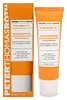
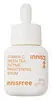
Peter Thomas Roth Potent-C Niacinamide Discoloration Treatment Versus innisfree Vitamin C Green Tea Enzyme Brightening Serum
This brightening treatment is formulated around Niacinamide and Tranexamic Acid to fade the look of dark spots and brighten dull-looking skin.
This brightening serum is formulated around 3-O-Ethyl Ascorbic Acid and Gluconolactone to brighten dull-looking skin and refine skin texture.


What's inside
What's inside
 Key Ingredients
Benefits
Concerns
Ingredients Side-by-side
Water
Skin ConditioningNiacinamide
Smoothing











Dimethyl Isosorbide
SolventIsononyl Isononanoate
EmollientTranexamic Acid
Astringent
Dimethicone
Emollient
Caprylic/Capric Triglyceride
Masking

Alpha-Arbutin
Antioxidant

Cetyl Alcohol
Emollient


Glyceryl Stearate
Emollient
Pentylene Glycol
Skin Conditioning
Propanediol
Solvent
C9-12 Alkane
SolventCitric Acid
Buffering
Glyceryl Stearate Se
Emulsifying


Butyrospermum Parkii Butter
Skin Conditioning
Tetrahexyldecyl Ascorbate
Antioxidant
Kojic Acid
Antioxidant
Resveratrol
Antioxidant
Tocopheryl Acetate
Antioxidant
Diethylhexyl Syringylidenemalonate
Skin Protecting
Hydrangea Arborescens Root Extract
Skin ConditioningMorus Alba Root Extract
BleachingScutellaria Lateriflora Extract
Skin ConditioningHydrolyzed Vegetable Protein
Skin ConditioningSilica
Abrasive
Sodium Stearoyl Glutamate
CleansingCoco-Caprylate/Caprate
Emollient
Dimethiconol
Emollient
Glycerin
Humectant
Sodium Phytate
Potassium Sorbate
Preservative
Sodium Benzoate
Masking
Caprylyl Glycol
Emollient
Hexylene Glycol
EmulsifyingPolysorbate 20
Emulsifying
Ceteth-20
CleansingSteareth-20
CleansingPolyacrylate Crosspolymer-6
Emulsion StabilisingPEG-75 Stearate
Surfactant
Titanium Dioxide
Cosmetic Colorant
Phenoxyethanol
Preservative
Water, Niacinamide, Dimethyl Isosorbide, Isononyl Isononanoate, Tranexamic Acid, Dimethicone, Caprylic/Capric Triglyceride, Alpha-Arbutin, Cetyl Alcohol, Glyceryl Stearate, Pentylene Glycol, Propanediol, C9-12 Alkane, Citric Acid, Glyceryl Stearate Se, Butyrospermum Parkii Butter, Tetrahexyldecyl Ascorbate, Kojic Acid, Resveratrol, Tocopheryl Acetate, Diethylhexyl Syringylidenemalonate, Hydrangea Arborescens Root Extract, Morus Alba Root Extract, Scutellaria Lateriflora Extract, Hydrolyzed Vegetable Protein, Silica, Sodium Stearoyl Glutamate, Coco-Caprylate/Caprate, Dimethiconol, Glycerin, Sodium Phytate, Potassium Sorbate, Sodium Benzoate, Caprylyl Glycol, Hexylene Glycol, Polysorbate 20, Ceteth-20, Steareth-20, Polyacrylate Crosspolymer-6, PEG-75 Stearate, Titanium Dioxide, Phenoxyethanol
Water
Skin ConditioningPropanediol
Solvent
Glycerin
Humectant
1,2-Hexanediol
Skin Conditioning
3-O-Ethyl Ascorbic Acid
Skin Conditioning
Betaine
Humectant
Erythritol
Humectant
Butylene Glycol
Humectant
Lactobacillus Ferment Lysate
Skin Conditioning
Squalane
Emollient
Helianthus Annuus Seed Oil
Emollient
Acrylates/C10-30 Alkyl Acrylate Crosspolymer
Emulsion StabilisingDextrin
AbsorbentXanthan Gum
EmulsifyingTromethamine
BufferingGluconolactone
Skin Conditioning
Citrus Unshiu Peel Extract
MaskingPanthenol
Skin Conditioning
Carnosine
Skin Conditioning
Niacinamide
Smoothing
Allantoin
Skin Conditioning
Hyaluronic Acid
Humectant
Caprylic/Capric Triglyceride
Masking
Daucus Carota Sativa Root Extract
Skin Conditioning
Pentylene Glycol
Skin Conditioning
Sodium Metaphosphate
BufferingSilica Dimethyl Silylate
EmollientTocopherol
Antioxidant
Ethylhexylglycerin
Skin ConditioningCyclodextrin
AbsorbentMadecassoside
Antioxidant
Ascorbyl Tetraisopalmitate
Antioxidant
Salix Alba Bark Extract
Astringent
Dipotassium Glycyrrhizate
Humectant
Protease
Exfoliating
Tranexamic Acid
Astringent
Glutathione
Achillea Millefolium Extract
CleansingSodium Hyaluronate
Humectant
Beta-Carotene
Skin ConditioningFerulic Acid
Antimicrobial
Hydrolyzed Hyaluronic Acid
Humectant
Sodium Hyaluronate Crosspolymer
Humectant
Sodium Acetylated Hyaluronate
Humectant
Water, Propanediol, Glycerin, 1,2-Hexanediol, 3-O-Ethyl Ascorbic Acid, Betaine, Erythritol, Butylene Glycol, Lactobacillus Ferment Lysate, Squalane, Helianthus Annuus Seed Oil, Acrylates/C10-30 Alkyl Acrylate Crosspolymer, Dextrin, Xanthan Gum, Tromethamine, Gluconolactone, Citrus Unshiu Peel Extract, Panthenol, Carnosine, Niacinamide, Allantoin, Hyaluronic Acid, Caprylic/Capric Triglyceride, Daucus Carota Sativa Root Extract, Pentylene Glycol, Sodium Metaphosphate, Silica Dimethyl Silylate, Tocopherol, Ethylhexylglycerin, Cyclodextrin, Madecassoside, Ascorbyl Tetraisopalmitate, Salix Alba Bark Extract, Dipotassium Glycyrrhizate, Protease, Tranexamic Acid, Glutathione, Achillea Millefolium Extract, Sodium Hyaluronate, Beta-Carotene, Ferulic Acid, Hydrolyzed Hyaluronic Acid, Sodium Hyaluronate Crosspolymer, Sodium Acetylated Hyaluronate
Reviews
Ingredients Explained
These ingredients are found in both products.
Ingredients higher up in an ingredient list are typically present in a larger amount.
Caprylic/Capric Triglyceride (aka MCT Oil) is a lightweight emollient, solvent, and texture enhancer. It is considered a skin-softener by helping to prevent moisture loss.
Though it behaves like an oil, it is not technically one due to its chemical composition. One perk of this ingredient is that it is very stable, resistant to oxidation, and unlikely to go rancid.
In practice, that translates to a long shelf life and a consistently elegant skin feel.
While there is an assumption Caprylic Triglyceride can clog pores due to it being derived from coconut oil, there is no research supporting this. Just patch test if you have concerns.
Fractionated coconut oil and MCT Oil are both listed as Caprylic/Capric Triglyceride according to INCI. This is because INCI names are based on the ingredient’s final chemical composition and not its marketing name or source.
This ingredient is treated as the gold standard fungal acne safe oil. Even though it is coconut derived, the problematic lauric acid is stripped out.
This leaves just caprylic (C8) and capric (C10) acid. These chain lengths actually trend antifungal; a 2020 study found caprylic acid was enough to disrupt Malassezia furfur cell membrane, with a caprylic acid derivative damaging membrane structures at concentrations as low as 0.2%.
Learn more about Caprylic/Capric TriglycerideGlycerin (or glycerol) is a compound naturally found in your skin. It's a powerhouse humectant that pulls water into the stratum corneum.
Topically, glycerin does several things at once:
Your skin makes glycerin on its own (mostly from sebaceous oil breakdown) and shuttles it to your outermost layer of skin, or your epidermis, via aquaporin-3.
Aquaporin-3 is a transporter that is essential for normal skin hydration, elasticity, and repair. Interestingly, mice lacking in AQP3 have dry and less elastic skin that can be fully corrected with glycerin.
This ingredient is non-irritating, plays well with almost every ingredient, and works across all skin types. Typical use is anywhere between 3-10% but can go up to 79% in some leave-on products.
Just know very high concentrations (>40%) can feel tacky in low humidity.
Glycerin is the name for this ingredient in American English. British English uses Glycerol/Glycerine.
Learn more about GlycerinNiacinamide is a multitasking form of vitamin B3 that strengthens the skin barrier, reduces pores and dark spots, regulates oil, and improves signs of aging.
And the best part? It's gentle and well-tolerated by most skin types, including sensitive and reactive skin.
You might have heard of "niacin flush", or the reddening of skin that causes itchiness. Niacinamide has not been found to cause this.
In very rare cases, some individuals may not be able to tolerate niacinamide at all or experience an allergic reaction to it.
If you are experiencing flaking, irritation, and dryness with this ingredient, be sure to double check all your products as this ingredient can be found in all categories of skincare.
When incorporating niacinamide into your routine, look out for concentration amounts. Typically, 5% niacinamide provides benefits such as fading dark spots. However, if you have sensitive skin, it is better to begin with a smaller concentration.
When you apply niacinamide to your skin, your body converts it into nicotinamide adenine dinucleotide (NAD). NAD is an essential coenzyme that is already found in your cells as "fuel" and powers countless biological processes.
In your skin, NAD helps repair cell damage, produce new healthy cells, support collagen production, strengthen the skin barrier, and fight environmental stressors (like UV and pollution).
Our natural NAD levels start to decline with age, leading to slower skin repair, visible aging, and a weaker skin barrier. By providing your skin niacinamide, you're recharging your skin's NAD levels. This leads to stronger, healthier, and younger looking skin.
Another name for vitamin B3 is nicotinamide. This vitamin is water-soluble and our bodies don't store it. We obtain Vitamin B3 from either food or skincare. Meat, fish, wheat, yeast, and leafy greens contain vitamin B3.
The type of niacinamide used in skincare is synthetically created.
Learn more about NiacinamidePentylene Glycol (1,2-pentanediol) is a multitasking little diol with three main roles in a formula:
Research on alkanediols (the family pentylene glycol belongs to) show they work by disrupting microbial cell membranes. This disruption helps the primary preservative system in a product work more effectively at lower doses.
On the safety side, the Cosmetic Ingredient Review Expert Panel has concluded this ingredient to be safe as used in current cosmetic practices + concentrations.
Typical use levels in a formula run about 1-5%.
Learn more about Pentylene GlycolPropanediol is an all-star ingredient. It softens, hydrates, and smooths the skin.
It’s often used to:
Propanediol is not likely to cause sensitivity and considered safe to use. It is derived from corn or petroleum with a clear color and no scent.
Learn more about PropanediolTranexamic Acid (TXA) is a synthetic lysine derivative that is becoming one of the most exciting brightening ingredients in skincare.
Originally used in medicine as an anti-hemorrhagic agent, its skin brightening potential was discovered by accident; patients taking it orally started noticing their melasma was fading.
Unlike most brighteners that target tyrosinase (the enzyme that synthesizes melanin), TXA works further upstream. It basically blocks your cells from receiving the signal to produce pigment.
This makes it one of the rare actives that works on three pathways at once:
This makes it effective for treating melasma, post-inflammatory hyperpigmentation (PIH), and sun-induced dark spots.
The most effective cosmetic concentration sits between 2-5% and going higher doesn't boost results.
Side effects are generally mild; occasional irritation, flaking, or dryness have been reported at the start of use. Overall, this ingredient is pretty well tolerated, even by sensitive skin types.
Another perk of this ingredient is that it does not cause photosensitivity, so it's safe to use in the AM and PM.
Learn more about Tranexamic AcidWater. It's the most common cosmetic ingredient of all. You'll usually see it at the top of ingredient lists, meaning that it makes up the largest part of the product.
So why is it so popular? Water most often acts as a solvent - this means that it helps dissolve other ingredients into the formulation.
You'll also recognize water as that liquid we all need to stay alive. If you see this, drink a glass of water. Remember to stay hydrated!
Learn more about Water

