Peach Slices Oil Control Mattifying Moisturizer Versus Paula's Choice Barrier Repair Advanced Moisturizer
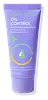
This oil-control moisturizer is formulated around Niacinamide and Zinc PCA to balance excess oil and refine the look of pores.
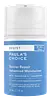
This barrier-repair moisturizer is formulated around Ceramide Ag and Ceramide NP to strengthen the skin barrier and hydrate skin.


What's inside
What's inside
 Key Ingredients
Benefits
Concerns
Ingredients Side-by-side
Water
Skin ConditioningCetyl Ethylhexanoate
EmollientCetearyl Alcohol
Emollient






1,2-Hexanediol
Skin Conditioning
Niacinamide
Smoothing











Glycerin
Humectant
Sea Water
HumectantPropolis Extract
Skin Conditioning
Zinc PCA
Humectant
Sodium Hyaluronate
Humectant
Hydrolyzed Hyaluronic Acid
Humectant
Hyaluronic Acid
Humectant
Sodium Acetylated Hyaluronate
Humectant
Bambusa Vulgaris Extract
Skin Conditioning
Hydroxyethylcellulose
Emulsion StabilisingCamellia Sinensis Leaf Extract
Antimicrobial
Pinus Densiflora Bark Extract
Skin ConditioningPinus Palustris Leaf Extract
TonicGlyceryl Stearate
Emollient
Lactobacillus Ferment
Skin Conditioning
Aloe Barbadensis Leaf Extract
Emollient
Glucose
Humectant
Fragaria Ananassa Fruit Extract
Skin Conditioning
Ulmus Davidiana Root Extract
Skin Conditioning
Pueraria Lobata Root Extract
HumectantPolylysine
Gellan Gum
Ceramide NP
Skin Conditioning
Phytosphingosine
Skin Conditioning
Cholesterol
Emollient
Chamomilla Recutita Flower Extract
Masking
Cynanchum Atratum Extract
Skin ConditioningCetearyl Glucoside
Emulsifying
Butylene Glycol
Humectant
Hydroxypropyltrimonium Hyaluronate
Potassium Hyaluronate
Skin ConditioningRosmarinus Officinalis Leaf Extract
AntimicrobialFomes Officinalis Extract
Skin ProtectingOenothera Biennis Flower Extract
AstringentHydrogenated Lecithin
Emulsifying
Sodium Hyaluronate Crosspolymer
Humectant
Stearic Acid
Cleansing
Persea Gratissima Oil
Skin Conditioning
Adansonia Digitata Seed Oil
Emollient
Macadamia Integrifolia Seed Oil
Skin Conditioning
Elaeis Guineensis Oil
Emollient
Melaleuca Alternifolia Leaf Extract
Perfuming
Caprylyl Glycol
Emollient
Water, Cetyl Ethylhexanoate, Cetearyl Alcohol, 1,2-Hexanediol, Niacinamide, Glycerin, Sea Water, Propolis Extract, Zinc PCA, Sodium Hyaluronate, Hydrolyzed Hyaluronic Acid, Hyaluronic Acid, Sodium Acetylated Hyaluronate, Bambusa Vulgaris Extract, Hydroxyethylcellulose, Camellia Sinensis Leaf Extract, Pinus Densiflora Bark Extract, Pinus Palustris Leaf Extract, Glyceryl Stearate, Lactobacillus Ferment, Aloe Barbadensis Leaf Extract, Glucose, Fragaria Ananassa Fruit Extract, Ulmus Davidiana Root Extract, Pueraria Lobata Root Extract, Polylysine, Gellan Gum, Ceramide NP, Phytosphingosine, Cholesterol, Chamomilla Recutita Flower Extract, Cynanchum Atratum Extract, Cetearyl Glucoside, Butylene Glycol, Hydroxypropyltrimonium Hyaluronate, Potassium Hyaluronate, Rosmarinus Officinalis Leaf Extract, Fomes Officinalis Extract, Oenothera Biennis Flower Extract, Hydrogenated Lecithin, Sodium Hyaluronate Crosspolymer, Stearic Acid, Persea Gratissima Oil, Adansonia Digitata Seed Oil, Macadamia Integrifolia Seed Oil, Elaeis Guineensis Oil, Melaleuca Alternifolia Leaf Extract, Caprylyl Glycol
Water
Skin Conditioning2,3-Butanediol
HumectantDicaprylyl Carbonate
EmollientGlycerin
Humectant
Glyceryl Stearate
Emollient
Cocoglycerides
Emollient
Ceramide Ag
Humectant
Ceramide NP
Skin Conditioning
Hydroxyacetophenone
Antioxidant
Sodium Hyaluronate
Humectant
Ceramide EOP
Skin Conditioning
Ceramide Ng
Skin Conditioning
Ceramide AP
Skin Conditioning
Adenosine
Skin Conditioning
Tocopherol
Antioxidant
Butyrospermum Parkii Butter
Skin Conditioning
Palmitoyl Tripeptide-5
Skin Conditioning
Hexylene Glycol
EmulsifyingTrehalose
Humectant
Cholesterol
Emollient
Squalane
Emollient
Sodium Phytate
ChelatingUrea
Buffering
Hydrogenated Lecithin
Emulsifying
Citrullus Lanatus Seed Oil
Emollient
Caprylyl Glycol
Emollient
Sodium PCA
Humectant
Polyquaternium-51
Skin Conditioning
Triacetin
AntimicrobialSodium Polyacrylate
Absorbent
Xanthan Gum
EmulsifyingEthylhexyl Stearate
Emollient
Phenoxyethanol
Preservative
Sodium Stearoyl Glutamate
CleansingEthylhexylglycerin
Skin ConditioningWater, 2,3-Butanediol, Dicaprylyl Carbonate, Glycerin, Glyceryl Stearate, Cocoglycerides, Ceramide Ag, Ceramide NP, Hydroxyacetophenone, Sodium Hyaluronate, Ceramide EOP, Ceramide Ng, Ceramide AP, Adenosine, Tocopherol, Butyrospermum Parkii Butter, Palmitoyl Tripeptide-5, Hexylene Glycol, Trehalose, Cholesterol, Squalane, Sodium Phytate, Urea, Hydrogenated Lecithin, Citrullus Lanatus Seed Oil, Caprylyl Glycol, Sodium PCA, Polyquaternium-51, Triacetin, Sodium Polyacrylate, Xanthan Gum, Ethylhexyl Stearate, Phenoxyethanol, Sodium Stearoyl Glutamate, Ethylhexylglycerin
Reviews
Ingredients Explained
These ingredients are found in both products.
Ingredients higher up in an ingredient list are typically present in a larger amount.
Caprylyl Glycol is a humectant, skin conditioner, emollient, and preservative booster derived from either caprylic acid or synthetically created.
Typical use levels vary from 0.3-1% as a preservative booster and go up to 2% to condition skin.
Because it is not a free-fatty acid, this ingredient is fungal acne safe (there's nothing for Malassezia to feed on).
Learn more about Caprylyl GlycolCeramide NP (formerly known as Ceramide 3) is one of the skin's naturally occurring lipids.
Since ceramides are the major lipid components of the skin, they are crucial for maintaining skin barrier and hydration. Ceramide NP most closely mirrors the dominant kind in human skin amongst ceramide subtypes.
This ceramide works by slotting into gaps within the stratum corneum's lipid matrix to limit trans-epidermal water loss (TEWL) and shield the skin against external irritants.
A study with 312 patients found that using a ceramide-containing routine for 4 weeks reduced the severity of atopic dermatitis by over 61%.
Another clinical study in subjects aged 60 and older found that a ceramide body wash and moisturizer improved skin dryness and itchy skin in 15 days.
Overall, ceramides are considered non-irritating and safety tests have found little to no observable adverse effects from using this ingredient.
Ceramide NP is usually sourced from plants (like soybean or rice bran), or produced synthetically.
Learn more about Ceramide NPCholesterol is a lipid that is naturally found in human skin and is one of the three key components of your skin barrier. In skincare, it is an emollient and barrier-repairing ingredient.
It works by fitting directly into the lipid layers of skin to help restore structure and reduce transepidermal water loss (TEWL).
This is a great ingredient for dry, compromised, or aging skin; our skin starts to produce less cholesterol with age.
Research shows cholesterol works best in combination with ceramides and fatty acids, the other two major components in your skin barrier.
Cholesterol is also a well-establish penetration enhancer and can help other actives absorb more effectively.
Cosmetic-grade cholesterol is usually derived from lanolin but plant and synthetic options also exist. We recommend reaching out to the brand if you have questions about their source of cholesterol.
Learn more about CholesterolGlycerin (or glycerol) is a compound naturally found in your skin. It's a powerhouse humectant that pulls water into the stratum corneum.
Topically, glycerin does several things at once:
Your skin makes glycerin on its own (mostly from sebaceous oil breakdown) and shuttles it to your outermost layer of skin, or your epidermis, via aquaporin-3.
Aquaporin-3 is a transporter that is essential for normal skin hydration, elasticity, and repair. Interestingly, mice lacking in AQP3 have dry and less elastic skin that can be fully corrected with glycerin.
This ingredient is non-irritating, plays well with almost every ingredient, and works across all skin types. Typical use is anywhere between 3-10% but can go up to 79% in some leave-on products.
Just know very high concentrations (>40%) can feel tacky in low humidity.
Glycerin is the name for this ingredient in American English. British English uses Glycerol/Glycerine.
Learn more about GlycerinGlyceryl Stearate is made by reacting glycerin with stearic acid (typically sourced from plant oils like palm or coconut). It's an emulsifier, emollient, and mild occlusive.
Emulsifiers help ingredients like oil and water stay mixed so your formula stays nicely blended and uniform in texture.
This ingredient is typically used in concentrations between 1-10%. Studies have found it to be non-sensitizing, non-phototoxic, and non-photoallergenic.
A close cousin of this ingredient is Glyceryl Stearate SE ("self-emulsifying"). This just has a small amount of sodium or potassium stearate added so it can emulsify without a co-emulsifier.
Since this ingredient is an ester of a C18 fatty acid, it may not be fungal acne safe. The Malassezia yeast can potentially metabolize within the C11-C24 range.
Fun fact: The human body also creates Glyceryl Stearate naturally.
Learn more about Glyceryl StearateHydrogenated Lecithin is a more stable version of lecithin.
It's made by taking lecithin (a phospholipid commonly found in soybeans and egg yolks) and hydrogenating it. This just means the unsaturated fatty acids are turned into saturated ones so they don't go bad as easily.
This ingredient is an emollient, emulsifier, and penetration enhancer. As an emollient, it helps soften and hydrate skin by trapping moisture within. As an emulsifier, it prevents oil and water ingredients from separating.
Hydrogenated Lecithin can form tiny spherical structures made of phospholipid bilayers called liposomes. These liposomes are able to capture compounds inside their structure and deliver them through the skin barrier.
Because phospholipids are a natural component of our cell membranes, this ingredient is inherently compatible with skin.
A 2021 study found lecithin-based surfactants were less harsh and more tolerable comared to Sodium Lauryl Sulfate (SLS).
Learn more about Hydrogenated LecithinSodium Hyaluronate is the salt form of hyaluronic acid. It is a long sugar chain that is naturally found in your skin, joints, and connective tissue that maintains hydration and elasticity.
In skincare, it works as a humectant. It pulls water from the environment and deeper layers of skin and binds it to the surface.
Interestingly, the size of the molecule affects its behavior:
Some clinical evidence links low molecular weight versions to improved wrinkle depth, elasticity, anti-inflammatory effects, and barrier repair.
Many serums use a blend of both weights so you can get surface hydration plus longer-lasting and deeper effects.
You'll typically see concentrations between 0.1-2% for this ingredient.
Learn more about Sodium HyaluronateWater. It's the most common cosmetic ingredient of all. You'll usually see it at the top of ingredient lists, meaning that it makes up the largest part of the product.
So why is it so popular? Water most often acts as a solvent - this means that it helps dissolve other ingredients into the formulation.
You'll also recognize water as that liquid we all need to stay alive. If you see this, drink a glass of water. Remember to stay hydrated!
Learn more about Water

