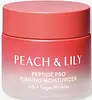
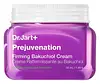
This anti-aging moisturizer is formulated around Collagen Extract and Acetyl Hexapeptide-8 to soften the look of wrinkles and hydrate skin.

What's inside
What's inside
 Key Ingredients
Benefits
Concerns
Ingredients Side-by-side
Water
Skin ConditioningButylene Glycol
Humectant

Sorbitol
Humectant
Glycerin
Humectant
Cetearyl Alcohol
Emollient






Butylene Glycol Dicaprylate/Dicaprate
Emollient1,2-Hexanediol
Skin Conditioning
Caprylic/Capric Triglyceride
Masking
Hydrogenated Polydecene
EmollientC10-18 Triglycerides
Emollient
Stearic Acid
Cleansing
Cetearyl Glucoside
Emulsifying
Collagen Extract
Skin Conditioning
Acetyl Hexapeptide-8
Humectant
Dipeptide-2
Skin Conditioning
Acetyl Tetrapeptide-5
Humectant
Sh-Oligopeptide-1
Skin Conditioning
Copper Tripeptide-1
Skin Conditioning
Tripeptide-1
Skin Conditioning
Palmitoyl Tripeptide-5
Skin Conditioning
Palmitoyl Tripeptide-1
Skin Conditioning
Nonapeptide-1
Skin Conditioning
Hexapeptide-9
Skin Conditioning
Palmitoyl Pentapeptide-4
Skin Conditioning
Sh-Polypeptide-1
Skin Conditioning
Serine
Masking
Methionine
Skin ConditioningCysteine
Antioxidant
Arginine
Masking
Tremella Fuciformis Extract
Humectant
Phytosteryl/Octyldodecyl Lauroyl Glutamate
Skin ConditioningPolyglutamic Acid
Skin Conditioning
Polyglyceryl-3 Methylglucose Distearate
Emulsifying
Hydrolyzed Sodium Hyaluronate
Skin Conditioning
Hydrolyzed Hyaluronic Acid
Humectant
Hyaluronic Acid
Humectant
Squalane
Emollient
Sodium Hyaluronate
Humectant
Sodium Hyaluronate Crosspolymer
Humectant
Glyceryl Glucoside
Humectant
Saccharomyces/Rice Ferment Filtrate
Skin Conditioning
Prunus Mume Fruit Extract
Humectant
Curcuma Longa Root Extract
Antioxidant
Corallina Officinalis Extract
Skin Conditioning
Panax Ginseng Callus Culture Extract
Skin ConditioningSolanum Melongena Fruit Extract
Skin ConditioningPrunus Armeniaca Fruit Extract
Skin ConditioningAloe Barbadensis Leaf Extract
Emollient
Ocimum Sanctum Leaf Extract
Skin ConditioningAdenosine
Skin Conditioning
Tocopherol
Antioxidant

Sorbitan Stearate
Emulsifying
Carbomer
Emulsion StabilisingSodium Polyacryloyldimethyl Taurate
Emulsion StabilisingOriganum Majorana Leaf Extract
AntiseborrhoeicMelia Azadirachta Leaf Extract
Skin ConditioningMelia Azadirachta Flower Extract
Skin ConditioningAloe Barbadensis Flower Extract
EmollientPhellinus Linteus Extract
Skin Conditioning3-O-Ethyl Ascorbic Acid
Skin Conditioning

Glucose
Humectant
Ethylhexylglycerin
Skin ConditioningCoccinia Indica Fruit Extract
Skin Conditioning
Pentylene Glycol
Skin Conditioning
Caprylyl Glycol
Emollient
Tropolone
Skin ConditioningCitrus Aurantium Bergamia Fruit Oil
Masking


Water, Butylene Glycol, Sorbitol, Glycerin, Cetearyl Alcohol, Butylene Glycol Dicaprylate/Dicaprate, 1,2-Hexanediol, Caprylic/Capric Triglyceride, Hydrogenated Polydecene, C10-18 Triglycerides, Stearic Acid, Cetearyl Glucoside, Collagen Extract, Acetyl Hexapeptide-8, Dipeptide-2, Acetyl Tetrapeptide-5, Sh-Oligopeptide-1, Copper Tripeptide-1, Tripeptide-1, Palmitoyl Tripeptide-5, Palmitoyl Tripeptide-1, Nonapeptide-1, Hexapeptide-9, Palmitoyl Pentapeptide-4, Sh-Polypeptide-1, Serine, Methionine, Cysteine, Arginine, Tremella Fuciformis Extract, Phytosteryl/Octyldodecyl Lauroyl Glutamate, Polyglutamic Acid, Polyglyceryl-3 Methylglucose Distearate, Hydrolyzed Sodium Hyaluronate, Hydrolyzed Hyaluronic Acid, Hyaluronic Acid, Squalane, Sodium Hyaluronate, Sodium Hyaluronate Crosspolymer, Glyceryl Glucoside, Saccharomyces/Rice Ferment Filtrate, Prunus Mume Fruit Extract, Curcuma Longa Root Extract, Corallina Officinalis Extract, Panax Ginseng Callus Culture Extract, Solanum Melongena Fruit Extract, Prunus Armeniaca Fruit Extract, Aloe Barbadensis Leaf Extract, Ocimum Sanctum Leaf Extract, Adenosine, Tocopherol, Sorbitan Stearate, Carbomer, Sodium Polyacryloyldimethyl Taurate, Origanum Majorana Leaf Extract, Melia Azadirachta Leaf Extract, Melia Azadirachta Flower Extract, Aloe Barbadensis Flower Extract, Phellinus Linteus Extract, 3-O-Ethyl Ascorbic Acid, Glucose, Ethylhexylglycerin, Coccinia Indica Fruit Extract, Pentylene Glycol, Caprylyl Glycol, Tropolone, Citrus Aurantium Bergamia Fruit Oil
Water
Skin ConditioningGlycerin
Humectant
Butylene Glycol
Humectant
Caprylic/Capric Triglyceride
Masking
Pentaerythrityl Tetraethylhexanoate
Emollient
Bis-Behenyl/Isostearyl/Phytosteryl Dimer Dilinoleyl Dimer Dilinoleate
EmollientMethylpropanediol
SolventDicaprylyl Ether
Emollient
Polyglyceryl-3 Methylglucose Distearate
Emulsifying
Cetearyl Alcohol
Emollient
1,2-Hexanediol
Skin Conditioning
Phytosteryl/Isostearyl/Cetyl/Stearyl/Behenyl Dimer Dilinoleate
Skin Conditioning
Phenyl Trimethicone
Skin Conditioning
Panthenol
Skin Conditioning
Pentylene Glycol
Skin Conditioning
Caprylyl Methicone
Skin Conditioning
Bakuchiol
Antimicrobial

Jojoba Esters
Emollient
Cetearyl Olivate
Glyceryl Caprylate
EmollientHydrolyzed Collagen
Emollient
Adenosine
Skin Conditioning
C12-16 Alcohols
EmollientCetyl Alcohol
Emollient
Hydroxyethyl Acrylate/Sodium Acryloyldimethyl Taurate Copolymer
Emulsion StabilisingBoron Nitride
Absorbent
Sodium Polyacryloyldimethyl Taurate
Emulsion StabilisingGlyceryl Stearate Se
Emulsifying
Palmitic Acid
Emollient
Hydrogenated Lecithin
Emulsifying
Copernicia Cerifera Wax
Sorbitan Olivate
Emulsifying
Acrylates/C10-30 Alkyl Acrylate Crosspolymer
Emulsion StabilisingSorbitan Isostearate
Emulsifying
Parfum
Masking
Sodium Phytate
ChelatingTocopherol
Antioxidant
Phenoxyethanol
Preservative
Sodium Benzoate
Masking
CI 14700
Cosmetic ColorantCI 42090
Cosmetic ColorantWater, Glycerin, Butylene Glycol, Caprylic/Capric Triglyceride, Pentaerythrityl Tetraethylhexanoate, Bis-Behenyl/Isostearyl/Phytosteryl Dimer Dilinoleyl Dimer Dilinoleate, Methylpropanediol, Dicaprylyl Ether, Polyglyceryl-3 Methylglucose Distearate, Cetearyl Alcohol, 1,2-Hexanediol, Phytosteryl/Isostearyl/Cetyl/Stearyl/Behenyl Dimer Dilinoleate, Phenyl Trimethicone, Panthenol, Pentylene Glycol, Caprylyl Methicone, Bakuchiol, Jojoba Esters, Cetearyl Olivate, Glyceryl Caprylate, Hydrolyzed Collagen, Adenosine, C12-16 Alcohols, Cetyl Alcohol, Hydroxyethyl Acrylate/Sodium Acryloyldimethyl Taurate Copolymer, Boron Nitride, Sodium Polyacryloyldimethyl Taurate, Glyceryl Stearate Se, Palmitic Acid, Hydrogenated Lecithin, Copernicia Cerifera Wax, Sorbitan Olivate, Acrylates/C10-30 Alkyl Acrylate Crosspolymer, Sorbitan Isostearate, Parfum, Sodium Phytate, Tocopherol, Phenoxyethanol, Sodium Benzoate, CI 14700, CI 42090
Reviews
Ingredients Explained
These ingredients are found in both products.
Ingredients higher up in an ingredient list are typically present in a larger amount.
1,2-Hexanediol is a synthetic liquid and another multi-functional powerhouse.
It is a:
- Humectant, drawing moisture into the skin
- Emollient, helping to soften skin
- Solvent, dispersing and stabilizing formulas
- Preservative booster, enhancing the antimicrobial activity of other preservatives
Adenosine is a purine nucleoside that your body already makes in every cell. In skincare, it acts mainly as a skin conditioning and anti-aging agent.
The way it works is fairly well mapped out:
Your skin has cells called fibroblasts that build collagen (the stuff that keeps skin firm and smooth). Adenosine basically flips a switch on these cells that tells them to get to work making more collagen and other proteins. These cells slow down on their own as skin ages, so Adenosine helps give them a little nudge to keep going.
The clinical backing is pretty solid too.
A blind, randomized, placebo-controlled trial of 126 women aged 45-65 tested a 0.1% cream twice daily and found real improvements in crow's feet and frown lines using a precise 3D skin-mapping technique; these changes showed up by week 3 and held at 2 months.
A later study using Adenosine-loaded dissolving microneedle patches reported gains in wrinkle depth, dermal density, elasticity, and hydration.
On concentrations, South Korea's Ministry of Food and Drug Safety has set 0.04% as the approved functional anti-wrinkle level. You'll typically see this ingredient used somewhere in the 0.04-0.1% range since it works at low doses.
This ingredient has been found safe for cosmetics with the data showing no irritation or sensitization.
Overall, this is a great ingredient for any anti-aging routine and has no photosensitizing effect, so it suits both AM and PM use.
Learn more about AdenosineButylene Glycol (or BG) is used within cosmetic products for a few different reasons:
Overall, Butylene Glycol is a safe and well-rounded ingredient that works well with other ingredients.
Though this ingredient works well with most skin types, some people with sensitive skin may experience a reaction such as allergic rashes, closed comedones, or itchiness.
Learn more about Butylene GlycolCaprylic/Capric Triglyceride (aka MCT Oil) is a lightweight emollient, solvent, and texture enhancer. It is considered a skin-softener by helping to prevent moisture loss.
Though it behaves like an oil, it is not technically one due to its chemical composition. One perk of this ingredient is that it is very stable, resistant to oxidation, and unlikely to go rancid.
In practice, that translates to a long shelf life and a consistently elegant skin feel.
While there is an assumption Caprylic Triglyceride can clog pores due to it being derived from coconut oil, there is no research supporting this. Just patch test if you have concerns.
Fractionated coconut oil and MCT Oil are both listed as Caprylic/Capric Triglyceride according to INCI. This is because INCI names are based on the ingredient’s final chemical composition and not its marketing name or source.
This ingredient is treated as the gold standard fungal acne safe oil. Even though it is coconut derived, the problematic lauric acid is stripped out.
This leaves just caprylic (C8) and capric (C10) acid. These chain lengths actually trend antifungal; a 2020 study found caprylic acid was enough to disrupt Malassezia furfur cell membrane, with a caprylic acid derivative damaging membrane structures at concentrations as low as 0.2%.
Learn more about Caprylic/Capric TriglycerideCetearyl alcohol is a waxy mixture of two fatty alcohols: cetyl alcohol and stearyl alcohol. It is an emollient and emulsifier.
Despite having "alcohol" in its name, it has nothing to do with drying solvent alcohols; the FDA also allows "alcohol-free" products to contain fatty alcohols like this ingredient.
It plays several roles in a formula:
Typical use levels for this ingredient sit around 1-10% and the Cosmetic Ingredient Review Expert Panel has affirmed safety at concentrations up to 25% in leave-on products.
Multiple assessments have found it to be non-irritating and non-sensitizing to most people.
However, there have been some cases of allergic contact dermatitis in patients with chronically compromised skin barriers.
Cetearyl alcohol has a comedogenic rating of 2 and irritancy rating of 1. Both of these numbers come from the 1989 study that used rabbit ears; a "2" means mildly comedogenic and a "1" means low irritancy.
Here's the catch: rabbit skin is more sensitive than human skin and throws a lot of false positives. A 1996 reappraisal found that ingredients rated 1-2 in the rabbit ear tests are generally safe for humans.
Remember comedogenic ratings are unable to assess the entire formula of a product or how it will react on your skin. Just be sure to patch test if you are unsure about certain ingredients.
This ingredient is not fungal acne safe. Cetearyl alcohol is a fatty alcohol with chain lengths that fall within the range that Malassezia can metabolize.
A 2019 study has also observed Malassezia growth in the presence of this ingredient, confirming it to be not-fungal acne safe.
Learn more about Cetearyl AlcoholGlycerin (or glycerol) is a compound naturally found in your skin. It's a powerhouse humectant that pulls water into the stratum corneum.
Topically, glycerin does several things at once:
Your skin makes glycerin on its own (mostly from sebaceous oil breakdown) and shuttles it to your outermost layer of skin, or your epidermis, via aquaporin-3.
Aquaporin-3 is a transporter that is essential for normal skin hydration, elasticity, and repair. Interestingly, mice lacking in AQP3 have dry and less elastic skin that can be fully corrected with glycerin.
This ingredient is non-irritating, plays well with almost every ingredient, and works across all skin types. Typical use is anywhere between 3-10% but can go up to 79% in some leave-on products.
Just know very high concentrations (>40%) can feel tacky in low humidity.
Glycerin is the name for this ingredient in American English. British English uses Glycerol/Glycerine.
Learn more about GlycerinPentylene Glycol (1,2-pentanediol) is a multitasking little diol with three main roles in a formula:
Research on alkanediols (the family pentylene glycol belongs to) show they work by disrupting microbial cell membranes. This disruption helps the primary preservative system in a product work more effectively at lower doses.
On the safety side, the Cosmetic Ingredient Review Expert Panel has concluded this ingredient to be safe as used in current cosmetic practices + concentrations.
Typical use levels in a formula run about 1-5%.
Learn more about Pentylene GlycolPolyglyceryl-3 Methylglucose Distearate is a plant-derived emulsifier whose only job is to keep the oily and watery parts of a formula blended so it doesn't separate into layers.
It's compatible with a wide-range of active ingredients and especially good at making emulsions survive heat/freeze cycles.
Typical use concentrations range from 2-3% and it works across a pH of 4.5-8.5.
This ingredient has been found safe to use in cosmetics and has a low irritation profile.
Because it's build on stearic acid, it may not be fungal acne safe. Stearic acid is a C18 fatty acid that falls within the range (C11-24) that Malassezia can feed on.
Learn more about Polyglyceryl-3 Methylglucose DistearateThis is a lab-made ingredient that plays a huge role in improving the texture of a formula.
It's used to thicken watery gel-creams, prevent water + oil from separating, and give products a silky, non-greasy glide.
Safety-wise, a panel of independent toxicologists reviewed this ingredient and concluded it to be safe in cosmetics in the present practices of use and concentration.
A separate sensitization patch test on humans also showed no evidence of allergic reactivity, and a true allergy to this ingredient is considered rare.
Typical usage levels range from 0.015%-3% in leave-on products and 0.078%-3.2% in rinse-off products.
Learn more about Sodium Polyacryloyldimethyl TaurateTocopherol is a fat-soluble antioxidant known as Vitamin E.
You'll find this ingredient in the vast majority of skincare (for good reason). It works to neutralize free radicals, or unstable molecules generated by UV exposure, pollution, and other environmental stressors, before they can cause oxidative damage to your skin cells.
Topically applied tocopherol has been shown to protect against UV damage by ramping up the skin's own natural defense enzymes.
It also acts as a skin conditioning agent; some studies show that regular topical use can improve the skin's water-binding capacity over 2-4 weeks.
This ingredient is especially loved for being a team player. When combined with Vitamin C, the photoprotective effect of both ingredients roughly doubles and the combo also helps reduce UV-induced DNA damage.
This ingredient has some brightening potential but it's more of a prevention ingredient than spot-fader. Cell studies show it can slow down melanin production but it's worth noting that it's not the most powerful brightener out there.
In formulations, it also serves as a stabilizer that helps protect other oxidation-prone ingredients from degrading.
Concentrations usually range from 0.1-1% in most leave-on products.
Learn more about TocopherolWater. It's the most common cosmetic ingredient of all. You'll usually see it at the top of ingredient lists, meaning that it makes up the largest part of the product.
So why is it so popular? Water most often acts as a solvent - this means that it helps dissolve other ingredients into the formulation.
You'll also recognize water as that liquid we all need to stay alive. If you see this, drink a glass of water. Remember to stay hydrated!
Learn more about Water

