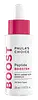
This anti-aging treatment is formulated around Tripeptide-1 and Palmitoyl Tripeptide-1 to soften the look of wrinkles and refine skin texture.
This anti-aging treatment is formulated around Niacinamide and Palmitoyl Hexapeptide-12 to soften the look of wrinkles and strengthen the skin barrier.

What's inside
What's inside
 Key Ingredients
Benefits
Concerns
Ingredients Side-by-side
Water
Skin ConditioningGlycerin
Humectant


PEG-8 Dimethicone
Emulsifying
Tripeptide-1
Skin Conditioning

Palmitoyl Tripeptide-1
Skin Conditioning
Palmitoyl Tetrapeptide-7
Skin Conditioning
Palmitoyl Hexapeptide-12
Skin Conditioning
Myristoyl Hexapeptide-16
Skin Conditioning
Myristoyl Pentapeptide-17
Skin Conditioning
Hexanoyl Dipeptide-3 Norleucine Acetate
Skin Conditioning
Azelaoyl Bis-Dipeptide-10
Skin Conditioning
Glycoproteins
Skin Conditioning
Phospholipids
Skin Conditioning
Adenosine
Skin Conditioning
Dipotassium Glycyrrhizate
Humectant
Arginine
Masking
Valine
MaskingGlycine
Buffering
Alanine
Masking
Glutamic Acid
Humectant
Serine
Masking
Threonine
Yeast Extract
Skin ConditioningIsoleucine
Skin ConditioningProline
Skin Conditioning
Histidine
Humectant
Phenylalanine
Masking
PCA
Humectant
Phytic Acid
Chelating

Panax Ginseng Root Extract
Emollient
Sodium PCA
Humectant
Psidium Guajava Fruit Extract
AstringentEuterpe Oleracea Fruit Extract
Ahnfeltiopsis Concinna Extract
Skin Conditioning

Dextran
Hydrolyzed Silk
Humectant
Lecithin
Emollient
Glyceryl Polymethacrylate
C12-16 Pareth-9
EmulsifyingTrideceth-12
EmulsifyingSodium Lactate
Buffering
Carbomer
Emulsion StabilisingAspartic Acid
Masking
Polysorbate 20
Emulsifying

Butylene Glycol
Humectant
Caprylyl Glycol
Emollient
PEG-8
HumectantC11-15 Pareth-7
EmulsifyingGuar Hydroxypropyltrimonium Chloride
Skin ConditioningPhytosteryl/Octyldodecyl Lauroyl Glutamate
Skin ConditioningEctoin
Skin Conditioning
Citrate Buffer
Trimethylsiloxyamodimethicone
Phenoxyethanol
Preservative
Sodium Hydroxide
BufferingEthylhexylglycerin
Skin ConditioningWater, Glycerin, PEG-8 Dimethicone, Tripeptide-1, Palmitoyl Tripeptide-1, Palmitoyl Tetrapeptide-7, Palmitoyl Hexapeptide-12, Myristoyl Hexapeptide-16, Myristoyl Pentapeptide-17, Hexanoyl Dipeptide-3 Norleucine Acetate, Azelaoyl Bis-Dipeptide-10, Glycoproteins, Phospholipids, Adenosine, Dipotassium Glycyrrhizate, Arginine, Valine, Glycine, Alanine, Glutamic Acid, Serine, Threonine, Yeast Extract, Isoleucine, Proline, Histidine, Phenylalanine, PCA, Phytic Acid, Panax Ginseng Root Extract, Sodium PCA, Psidium Guajava Fruit Extract, Euterpe Oleracea Fruit Extract, Ahnfeltiopsis Concinna Extract, Dextran, Hydrolyzed Silk, Lecithin, Glyceryl Polymethacrylate, C12-16 Pareth-9, Trideceth-12, Sodium Lactate, Carbomer, Aspartic Acid, Polysorbate 20, Butylene Glycol, Caprylyl Glycol, PEG-8, C11-15 Pareth-7, Guar Hydroxypropyltrimonium Chloride, Phytosteryl/Octyldodecyl Lauroyl Glutamate, Ectoin, Citrate Buffer, Trimethylsiloxyamodimethicone, Phenoxyethanol, Sodium Hydroxide, Ethylhexylglycerin
Water
Skin ConditioningGlycerin
Humectant
Niacinamide
Smoothing




Isopropyl Palmitate
Emollient
Polyacrylate-13
Butylene Glycol
Humectant
Palmitoyl Hexapeptide-12
Skin Conditioning
Palmitoyl Tripeptide-1
Skin Conditioning
Palmitoyl Tripeptide-5
Skin Conditioning
Palmitoyl Dipeptide-5 Diaminobutyroyl Hydroxythreonine
Skin Conditioning
Palmitoyl Dipeptide-5 Diaminohydroxybutyrate
Skin Conditioning
Acetyl Hexapeptide-38
Skin Conditioning
Octapeptide-45
Skin Conditioning
Swertia Chirata Extract
HumectantMagnolol
Antioxidant
Ornithine
Skin ConditioningCeramide AP
Skin Conditioning
Ceramide NP
Skin Conditioning
Ergothioneine
Antioxidant
Dunaliella Salina Extract
Skin ConditioningPhytosterols
Skin Conditioning
Phospholipids
Skin Conditioning
Glycolipids
Skin ConditioningTremella Fuciformis Sporocarp Extract
Antioxidant
Caprylic/Capric Triglyceride
Masking
Sodium Stearoyl Glutamate
CleansingStearic Acid
Cleansing
Betaine
Humectant
Squalane
Emollient
Lecithin
Emollient
Caprylyl Methicone
Skin Conditioning
Disodium EDTA
ChelatingPolysorbate 20
Emulsifying
Tocopherol
Antioxidant
Caprylyl Glycol
Emollient
Glyceryl Caprylate
EmollientPentylene Glycol
Skin Conditioning
Oleic Acid
Emollient
Palmitic Acid
Emollient
Hexylene Glycol
EmulsifyingPropanediol
Solvent
Polyisobutene
Potassium Sorbate
Preservative
Levulinic Acid
Perfuming

Sodium Hydroxide
BufferingHelianthus Annuus Seed Oil
Emollient
P-Anisic Acid
MaskingSorbitan Isostearate
Emulsifying
Ethylhexylglycerin
Skin ConditioningPhenoxyethanol
Preservative
Water, Glycerin, Niacinamide, Isopropyl Palmitate, Polyacrylate-13, Butylene Glycol, Palmitoyl Hexapeptide-12, Palmitoyl Tripeptide-1, Palmitoyl Tripeptide-5, Palmitoyl Dipeptide-5 Diaminobutyroyl Hydroxythreonine, Palmitoyl Dipeptide-5 Diaminohydroxybutyrate, Acetyl Hexapeptide-38, Octapeptide-45, Swertia Chirata Extract, Magnolol, Ornithine, Ceramide AP, Ceramide NP, Ergothioneine, Dunaliella Salina Extract, Phytosterols, Phospholipids, Glycolipids, Tremella Fuciformis Sporocarp Extract, Caprylic/Capric Triglyceride, Sodium Stearoyl Glutamate, Stearic Acid, Betaine, Squalane, Lecithin, Caprylyl Methicone, Disodium EDTA, Polysorbate 20, Tocopherol, Caprylyl Glycol, Glyceryl Caprylate, Pentylene Glycol, Oleic Acid, Palmitic Acid, Hexylene Glycol, Propanediol, Polyisobutene, Potassium Sorbate, Levulinic Acid, Sodium Hydroxide, Helianthus Annuus Seed Oil, P-Anisic Acid, Sorbitan Isostearate, Ethylhexylglycerin, Phenoxyethanol
Ingredients Explained
These ingredients are found in both products.
Ingredients higher up in an ingredient list are typically present in a larger amount.
Butylene Glycol (or BG) is used within cosmetic products for a few different reasons:
Overall, Butylene Glycol is a safe and well-rounded ingredient that works well with other ingredients.
Though this ingredient works well with most skin types, some people with sensitive skin may experience a reaction such as allergic rashes, closed comedones, or itchiness.
Learn more about Butylene GlycolCaprylyl Glycol is a humectant, skin conditioner, emollient, and preservative booster derived from either caprylic acid or synthetically created.
Typical use levels vary from 0.3-1% as a preservative booster and go up to 2% to condition skin.
Because it is not a free-fatty acid, this ingredient is fungal acne safe (there's nothing for Malassezia to feed on).
Learn more about Caprylyl GlycolEthylhexylglycerin is created from glycerin. It is a multitasker ingredient that:
The CIR Expert Panel found minimal skin absorption or sensitization of any kind in a safety assessment. Though this ingredient is considered well-tolerated, a small number of cases of allergic dermatitis have been published since 2002. Just be sure to patch test if you are unsure.
Industry-reported use ranges from 8% in rinse-off products and 2% in leave-on formulations.
Learn more about EthylhexylglycerinGlycerin (or glycerol) is a compound naturally found in your skin. It's a powerhouse humectant that pulls water into the stratum corneum.
Topically, glycerin does several things at once:
Your skin makes glycerin on its own (mostly from sebaceous oil breakdown) and shuttles it to your outermost layer of skin, or your epidermis, via aquaporin-3.
Aquaporin-3 is a transporter that is essential for normal skin hydration, elasticity, and repair. Interestingly, mice lacking in AQP3 have dry and less elastic skin that can be fully corrected with glycerin.
This ingredient is non-irritating, plays well with almost every ingredient, and works across all skin types. Typical use is anywhere between 3-10% but can go up to 79% in some leave-on products.
Just know very high concentrations (>40%) can feel tacky in low humidity.
Glycerin is the name for this ingredient in American English. British English uses Glycerol/Glycerine.
Learn more about GlycerinLecithin is a term for a group of substances found in the cell membranes of plants, animals, and humans. They are made up of phospholipids.
Thanks to its amphiphilic structure (water-loving head and oil-loving tail), it is a true multitasker:
It plays well with most ingredients and is typically used at 0.1-1%. However, concentrations up to 50% have been reported in moisturizers.
Learn more about LecithinPalmitoyl Hexapeptide-12 is a synthetic lipopeptide. This just means it's a short chain of six amino acids with a palmitic acid molecule attached to one end.
The palmitoyl group increases the lipophilicity, helping it penetrate the lipid-rich outer layer of skin more effectively.
Once inside, it helps with keeping skin springy and firm. It works by mimicking the skin repair signals your skin naturally sends out when it's damaged and telling it to kick into rebuild mode.
Studies have shown it can help strengthen the skin barrier as well so it's useful beyond just anti-aging.
In vitro studies suggest it can switch on genes that help skin cells grow, move around, and rebuild skin structure. Just keep in mind most of the strong evidence is from lab studies rather than large-scale clinical trials.
Lab studies suggest it can switch on genes that help skin cells grow, move around, and rebuild skin structure.
This ingredient is usually used at very low concentrations (0.002% in leave-on products).
Fungal acne note:
Usually a palmitic acid component can feed Malassezia in unbound form, but here is is covalently bonded to the peptide. This means it is very difficult for Malassezia to access, and therefore very unlikely to cause fungal acne.
Palmitoyl Tripeptide-1 (aka Pal-GHK) is a synthetic signal peptide made of three amino acids attached to palmitic acid.
That fatty acid attachment is the key: it boosts the peptide's ability to penetrate the skin barrier. This puts it closer to the dermal cells where it can actually make a difference.
Once there, it acts as a matrikine, a signaling peptide that prompts fibroblasts to produce more collagen, fibronectin, and hyaluronic acid.
In vitro studies show it can boost collagen production in skin cells even when UV-damaged skin samples were treated with it at a tiny concentration (it almost fully restored dermal collagen at 5ppm). It achieved this at 100x lower concentration than retinoic acid, which needed 500 ppm to do the same thing.
Human clinical data is promising, but modest:
A study of 23 female volunteers found a small but statistically significant increase (~4%) in skin thickness after treatment at 4 ppm.
A separate small trial of 15 women showed statistically significant reductions in wrinkle length, depth, and skin roughness after applying it twice daily for four weeks.
You'll likely see Pal-GHK paired with Palmitoyl Tetrapeptide-7 as part of the Matrixyl 3000 complex.
Fungal acne note:
Usually a palmitic acid component can feed Malassezia in unbound form, but here is is covalently bonded to the peptide. This means it is very difficult for Malassezia to access, and therefore very unlikely to cause fungal acne.
Phenoxyethanol is one of the most widely used preservatives in skincare (and for good reason!).
It has a large spectrum of antimicrobial activity and especially effective bacteria, yeast, and mold while only having a weak effect on your skin's natural microbiome.
On a cellular level, it disrupts the cell membranes of microbes by poking holes that make the cell leak. This shuts down the chemical reactions the microbe needs to make energy so it can no longer survive.
Another perk of this ingredient is that it stays functional across a wide pH range (3-10).
You'll often see it paired with boosters like Ethylhexylglycerin; one study showed that a 1:9 ratio of Ethylhexylglycerin to Phenoxyethanol damages bacterial membranes as effectively as doubling the Phenoxyethanol concentration on its own.
Typical use concentrations range from 0.3-1% depending on the formula, and this ingredient is capped at 1% int the EU.
Safety-wise, the fear mongering does not hold up to the evidence. The EU's Scientific Committee on Consumer Safety and FDA consider it safe as a preservative at up to 1%, including for children of all ages.
Adverse systemic effects only showed up in animal studies at exposures roughly 200x higher than what people get from cosmetics. And despite its very widespread use, this ingredient is a rare sensitizer and allergic reactions are uncommon.
Learn more about PhenoxyethanolPhospholipids are a family of skin-identical lipids that makeup the structural backbone of every cell membrane in your body.
In cosmetics, they function as skin conditioning agents with emulsifier and surfactant properties. They're typically sourced from soybean or sunflower lecithin (or sometimes egg yolk or marine sources).
Because they mirror the lipids naturally found in the deeper layers of your skin, topical phospholipids help reinforce the lipid matrix, reduce transepidermal water loss, and leave skin feeling conditioned.
They're also used to form liposomes, or tiny self-assembling vesible used to stabilize actives like vitamin c or retinol. This helps these ingredients integrate into the upper layers of skin more easily.
Phospholipids are compatible with everything and the CIR Expert Panel has concluded them to be safe at current use levels.
Some types of phospholipids include:
Learn more about PhospholipidsPolysorbate 20 is a gentle, water-soluble emulsifier and mild surfactant. It stops oil and water from separating to keep your formulas blended and stable.
It also acts as a mild penetration enhancer by helping active ingredients absorb slightly better.
The common safety discussion around this ingredient involves a manufacturing byproduct called 1,4-dioxane.
Trace amounts can form during production but the EU's Scientific Committee on Consumer Safety has concluded that levels at/below 10 ppm in finished products are safe (commercial products consistently fall within acceptable margins).
True allergic reactions are uncommon and the CIR Expert Panel has confirmed this ingredient to be safe as used in cosmetics.
Because it is derived from lauric acid, it may not be fungal acne safe.
Learn more about Polysorbate 20Sodium Hydroxide is also known as lye or caustic soda. It is used to adjust the pH of products; many ingredients require a specific pH to be effective.
In small amounts, sodium hydroxide is considered safe to use. However, large amounts may cause chemical burns due to its high alkaline.
Your skin has a natural pH and acid mantle. This acid mantle helps prevent harmful bacteria from breaking through. The acid mantle also helps keep your skin hydrated.
"Alkaline" refers to a high pH level. A low pH level would be considered acidic.
Learn more about Sodium HydroxideWater. It's the most common cosmetic ingredient of all. You'll usually see it at the top of ingredient lists, meaning that it makes up the largest part of the product.
So why is it so popular? Water most often acts as a solvent - this means that it helps dissolve other ingredients into the formulation.
You'll also recognize water as that liquid we all need to stay alive. If you see this, drink a glass of water. Remember to stay hydrated!
Learn more about Water

