
What's inside
What's inside
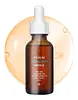 Key Ingredients
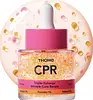
Benefits
Concerns
Ingredients Side-by-side
Water
Skin ConditioningGluconolactone
Skin Conditioning







Methylpropanediol
SolventGlycerin
Humectant

Propanediol
Solvent
Polyglycerin-3
Humectant
Tromethamine
BufferingNiacinamide
Smoothing



1,2-Hexanediol
Skin Conditioning
Soluble Collagen
Humectant
C12-14 Alketh-12
EmulsifyingDimethicone
Emollient
Methyl Gluceth-20
Humectant
Methyl Gluceth-10
EmulsifyingGlycereth-26
Humectant
Coptis Japonica Extract
AntimicrobialHydroxyethylcellulose
Emulsion StabilisingCaprylic/Capric Triglyceride
Masking
Sodium Polyacryloyldimethyl Taurate
Emulsion StabilisingLecithin
Emollient
Ammonium Acryloyldimethyltaurate/Vp Copolymer
Eclipta Prostrata Extract
Skin ConditioningCoccinia Indica Fruit Extract
Skin ConditioningSuccinic Acid
BufferingSodium Polyacrylate
Absorbent
Ethylhexylglycerin
Skin ConditioningAllantoin
Skin Conditioning
Butylene Glycol
Humectant
Adenosine
Skin Conditioning
Viola Odorata Flower/Leaf Extract
MaskingHedera Helix Leaf/Stem Extract
AntimicrobialPogostemon Cablin Leaf Oil
Masking



Lithospermum Erythrorhizon Root Extract
Skin ConditioningMentha Viridis Extract
MaskingRibes Nigrum Fruit Extract
Astringent
Punica Granatum Fruit Extract
Antioxidant
Lactobacillus Ferment
Skin Conditioning
Cymbopogon Martini Oil
Masking
Lavandula Hybrida Oil
Emollient
Rosmarinus Officinalis Leaf Oil
Masking
Gleditsia Triacanthos Seed Extract
Glyceryl Caprylate
EmollientPolylactic Acid
Abrasive
Macadamia Ternifolia Seed Oil
Emollient
Hydrogenated Lecithin
Emulsifying
Polyglyceryl-10 Laurate
Skin Conditioning
Cholesterol
Emollient
Silica
Abrasive
Retinal
Skin Conditioning

Brassica Campestris Sterols
EmollientCeteth-5
EmulsifyingCeteth-3
EmulsifyingPotassium Cetyl Phosphate
EmulsifyingPentaerythrityl Tetra-Di-T-Butyl Hydroxyhydrocinnamate
Antioxidant
Bakuchiol
Antimicrobial
Disodium EDTA
Water, Gluconolactone, Methylpropanediol, Glycerin, Propanediol, Polyglycerin-3, Tromethamine, Niacinamide, 1,2-Hexanediol, Soluble Collagen, C12-14 Alketh-12, Dimethicone, Methyl Gluceth-20, Methyl Gluceth-10, Glycereth-26, Coptis Japonica Extract, Hydroxyethylcellulose, Caprylic/Capric Triglyceride, Sodium Polyacryloyldimethyl Taurate, Lecithin, Ammonium Acryloyldimethyltaurate/Vp Copolymer, Eclipta Prostrata Extract, Coccinia Indica Fruit Extract, Succinic Acid, Sodium Polyacrylate, Ethylhexylglycerin, Allantoin, Butylene Glycol, Adenosine, Viola Odorata Flower/Leaf Extract, Hedera Helix Leaf/Stem Extract, Pogostemon Cablin Leaf Oil, Lithospermum Erythrorhizon Root Extract, Mentha Viridis Extract, Ribes Nigrum Fruit Extract, Punica Granatum Fruit Extract, Lactobacillus Ferment, Cymbopogon Martini Oil, Lavandula Hybrida Oil, Rosmarinus Officinalis Leaf Oil, Gleditsia Triacanthos Seed Extract, Glyceryl Caprylate, Polylactic Acid, Macadamia Ternifolia Seed Oil, Hydrogenated Lecithin, Polyglyceryl-10 Laurate, Cholesterol, Silica, Retinal, Brassica Campestris Sterols, Ceteth-5, Ceteth-3, Potassium Cetyl Phosphate, Pentaerythrityl Tetra-Di-T-Butyl Hydroxyhydrocinnamate, Bakuchiol, Disodium EDTA
Water
Skin ConditioningGlycerin
Humectant
Dipropylene Glycol
HumectantPentylene Glycol
Skin Conditioning
Diphenyl Dimethicone
Emollient
Caprylic/Capric Triglyceride
Masking
Polyglycerin-3
Humectant
Retinal
Skin Conditioning
Castor Oil/Ipdi Copolymer
Simmondsia Chinensis Seed Oil
Emollient
Helianthus Annuus Seed Oil
Emollient
Coptis Japonica Root Extract
Skin ConditioningSodium Hyaluronate
Humectant
Lithospermum Erythrorhizon Root Extract
Skin ConditioningCynanchum Atratum Extract
Skin ConditioningHydrolyzed Collagen
Emollient
Althaea Rosea Flower Extract
Skin ConditioningXylose
HumectantMethyl Gluceth-20
Humectant
Glyceryl Polymethacrylate
Hydroxyacetophenone
Antioxidant
Ammonium Polyacryloyldimethyl Taurate
Emulsion StabilisingButylene Glycol
Humectant
Acrylates/C10-30 Alkyl Acrylate Crosspolymer
Emulsion Stabilising1,2-Hexanediol
Skin Conditioning
Tromethamine
BufferingAllantoin
Skin Conditioning
Gellan Gum
Agar
MaskingEthylhexylglycerin
Skin ConditioningAdenosine
Skin Conditioning
Acetyl Glucosamine
Skin Conditioning
Pvm/Ma Copolymer
Emulsion StabilisingSodium Hyaluronate Crosspolymer
Humectant
Beta-Carotene
Skin ConditioningPalmitoyl Tripeptide-5
Skin Conditioning
Cyanocobalamin
Skin ConditioningAstaxanthin
Skin Conditioning
Tocopherol
Antioxidant
Polyglutamic Acid
Skin Conditioning
Caprylyl Glycol
Emollient
Carbomer
Emulsion StabilisingDisodium EDTA
Xanthan Gum
EmulsifyingWater, Glycerin, Dipropylene Glycol, Pentylene Glycol, Diphenyl Dimethicone, Caprylic/Capric Triglyceride, Polyglycerin-3, Retinal, Castor Oil/Ipdi Copolymer, Simmondsia Chinensis Seed Oil, Helianthus Annuus Seed Oil, Coptis Japonica Root Extract, Sodium Hyaluronate, Lithospermum Erythrorhizon Root Extract, Cynanchum Atratum Extract, Hydrolyzed Collagen, Althaea Rosea Flower Extract, Xylose, Methyl Gluceth-20, Glyceryl Polymethacrylate, Hydroxyacetophenone, Ammonium Polyacryloyldimethyl Taurate, Butylene Glycol, Acrylates/C10-30 Alkyl Acrylate Crosspolymer, 1,2-Hexanediol, Tromethamine, Allantoin, Gellan Gum, Agar, Ethylhexylglycerin, Adenosine, Acetyl Glucosamine, Pvm/Ma Copolymer, Sodium Hyaluronate Crosspolymer, Beta-Carotene, Palmitoyl Tripeptide-5, Cyanocobalamin, Astaxanthin, Tocopherol, Polyglutamic Acid, Caprylyl Glycol, Carbomer, Disodium EDTA, Xanthan Gum
Reviews
Ingredients Explained
These ingredients are found in both products.
Ingredients higher up in an ingredient list are typically present in a larger amount.
1,2-Hexanediol is a synthetic liquid and another multi-functional powerhouse.
It is a:
- Humectant, drawing moisture into the skin
- Emollient, helping to soften skin
- Solvent, dispersing and stabilizing formulas
- Preservative booster, enhancing the antimicrobial activity of other preservatives
Adenosine is in every living organism. It is one of four components in nucleic acids that helps store our DNA.
Adenosine has many benefits when used. These benefits include hydrating the skin, smoothing skin, and reducing wrinkles. Once applied, adenosine increases collagen production. It also helps with improving firmness and tissue repair.
Studies have found adenosine may also help with wound healing.
In skincare products, Adenosine is usually derived from yeast.
Learn more about AdenosineAllantoin is a soothing ingredient known for its protective and moisturizing properties; it's basically a quiet workhorse ingredient you can find in a huge range of cosmetics.
Though it can be derived from the comfrey plant, allantoin is produced synthetically for cosmetic products to ensure purity.
Research shows it can encourage your skin cells to turn over and renew by stimulating keratinocyte and fibroblast proliferation.
It also has mild keratolytic properties to help loosen and shed dead skin cells without being harsh.
Studies also suggest allantoin can help calm inflammation by dialing down some of the chemical signals your skin sends out when it is irritated.
This ingredient is typically used in the 0.1-0.5% range, and the FDA recognizes it as a skin protectant in OTC products up to 2%.
Overall, allantoin is a wonderful addition to most routines; it is stable across a wide pH range (~4-8), works well with other ingredients, and is considered non-sensitizing/non-irritating.
Fun fact: Allantoin is naturally occurring in comfrey root, beets, chamomile, and wheat sprouts. Our bodies even produce it as a byproduct of uric acid metabolism.
Learn more about AllantoinButylene Glycol (or BG) is used within cosmetic products for a few different reasons:
Overall, Butylene Glycol is a safe and well-rounded ingredient that works well with other ingredients.
Though this ingredient works well with most skin types, some people with sensitive skin may experience a reaction such as allergic rashes, closed comedones, or itchiness.
Learn more about Butylene GlycolThis ingredient is a lightweight emollient, solvent, and texture enhancer. It is considered a skin-softener by helping the skin prevent moisture loss.
It helps thicken a product's formula and makes it easier to spread by dissolving clumping compounds.
Caprylic Triglyceride is made by combining glycerin with coconut oil, forming a clear liquid. Though it behaves like an oil, it is not technically one due to its chemical composition. It is very stable, resistant to oxidation, and unlikely to go rancid. In practice, that translates to a long shelf life and a consistently elegant skin feel.
While there is an assumption Caprylic Triglyceride can clog pores due to it being derived from coconut oil, there is no research supporting this. Be sure to patch test if you have concerns.
Fractionated coconut oil and MCT Oil are both listed as Caprylic/Capric Triglyceride according to INCI. This is because INCI names are based on the ingredient’s final chemical composition and not its marketing name or source.
Learn more about Caprylic/Capric TriglycerideDisodium EDTA is a chelating agent. It grabs onto and deactivates metal ions that sneak into your products from water, packaging, or air.
This ingredient mainly works behind the scenes and helps with:
On top of that, this ingredient can counteract the effects of hard water by binding to the minerals in it.
One thing worth knowing is that Disodium EDTA has been shown to be a mild penetration enhancer. It can help other ingredients absorb into skin more effectively which can be a double-edged sword (great for actives, but can also make the active too strong if you have sensitive skin).
Clinical patch testing showed no significant skin irritation at typical use concentrations and minimal dermal absorption.
You'll most likely see this ingredient near the end of an ingredient list. It's typically found in concentrations less than 1%.
Learn more about Disodium EDTAEthylhexylglycerin is created from glycerin. It is a multitasker ingredient that:
The CIR Expert Panel found minimal skin absorption or sensitization of any kind in a safety assessment. Though this ingredient is considered well-tolerated, a small number of cases of allergic dermatitis have been published since 2002. Just be sure to patch test if you are unsure.
Industry-reported use ranges from 8% in rinse-off products and 2% in leave-on formulations.
Learn more about EthylhexylglycerinGlycerin (or glycerol) is a compound naturally found in your skin. It's a powerhouse humectant that pulls water into the stratum corneum.
Topically, glycerin does several things at once:
Your skin makes glycerin on its own (mostly from sebaceous oil breakdown) and shuttles it to your outermost layer of skin, or your epidermis, via aquaporin-3.
Aquaporin-3 is a transporter that is essential for normal skin hydration, elasticity, and repair. Interestingly, mice lacking in AQP3 have dry and less elastic skin that can be fully corrected with glycerin.
This ingredient is non-irritating, plays well with almost every ingredient, and works across all skin types. Typical use is anywhere between 3-10% but can go up to 79% in some leave-on products.
Just know very high concentrations (>40%) can feel tacky in low humidity.
Glycerin is the name for this ingredient in American English. British English uses Glycerol/Glycerine.
Learn more about GlycerinLithospermum Erythrorhizon Root Extract comes from the roots of the Lithospermumerythrorhizon plant, or the purple gromwell plant.
Studies show this root extract has anti-inflammatory properties and protects against oxidative stress. It also displayed UV absorption capability and protection against UV-B damage. However, it should not replace your sunscreen.
The dried roots of this plant are used in traditional Chinese and Japanese medicine due to its antiviral properties.
Learn more about Lithospermum Erythrorhizon Root ExtractMethyl Gluceth-20 is a humectant. Humectants help draw moisture from the air to your skin.
It is created by combining polyethylene glycol with glucose.
Polyglycerin-3 is a 3-unit glycerin polymer.
Like glycerin, this ingredient is a humectant. Humectants help hydrate your skin by drawing water to it.
Having moisturized skin helps improve the skin barrier. Your skin barrier helps protect against irritants and bacteria.
Learn more about Polyglycerin-3Retinal is a form of retinoid. Retinoids are the gold-standard class of anti-aging ingredients.
Retinal has many benefits as other retinoids: improve skin texture, reduce large pores, reduce the effects of aging, reduce the visibility of dark spots, heal scars, and fight acne.
Studies show retinal may work at a faster rate than retinol due to its structure.
All retinoids have to be converted into retinoic acid before starting to work. Some retinoids take several steps of conversion before binding. Retinal is only one step away, making it more potent.
Like other retinoids, retinal may be irritating. It is best to ease into using this ingredient frequently.
Using the 'ramp up' method, start by using retinol once a week. This gives your skin time to adjust and decrease irritation. Once you feel ready, you can slowly increase the frequency of retinol use.
Using retinoids will increase sun-sensitivity in the first few weeks of use. Though studies show retinoids increase your skin's natural SPF with continuous use, it is best to always wear sunscreen and sun-protection.
Learn more about RetinalTromethamine helps balance the pH and improve the texture of a product. It is synthetically created.
As an emulsifier, Tromethamine prevents oil and water ingredients from separating. This helps stabilize the product and elongate a product's shelf life. Tromethamine also makes a product thicker.
Tromethamine helps balance the pH level of a product. Normal pH level of skin is slightly acidic (~4.75-5.5). The acidity of our skin is maintained by our glands and skin biome. Being slightly acidic allows our skin to create an "acid mantle". This acid mantle is a thin barrier that protects our skin from bacteria and contaminants.
Oral Tromethanmine is an anti-inflammatory drug but plays the role of masking, adding fragrance, and/or balancing pH in skincare.
1,3-Propanediol, 2-amino-2-(hydroxymethyl)-
Learn more about TromethamineWater. It's the most common cosmetic ingredient of all. You'll usually see it at the top of ingredient lists, meaning that it makes up the largest part of the product.
So why is it so popular? Water most often acts as a solvent - this means that it helps dissolve other ingredients into the formulation.
You'll also recognize water as that liquid we all need to stay alive. If you see this, drink a glass of water. Remember to stay hydrated!
Learn more about Water
