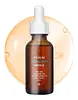
This anti-aging ampoule is formulated around Gluconolactone and Niacinamide to soften the look of wrinkles and refine skin texture.
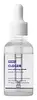
This pore-care serum is formulated around Copper Tripeptide-1 and Palmitoyl Pentapeptide-4 to refine the look of pores and soften the look of wrinkles.

What's inside
What's inside
 Key Ingredients
Benefits
Concerns
Ingredients Side-by-side
Water
Skin ConditioningGluconolactone
Chelating







Methylpropanediol
SolventGlycerin
Humectant

Propanediol
Solvent
Polyglycerin-3
Humectant
Tromethamine
BufferingNiacinamide
Smoothing



1,2-Hexanediol
Skin Conditioning
Soluble Collagen
Humectant
C12-14 Alketh-12
EmulsifyingDimethicone
Emollient
Methyl Gluceth-20
Humectant
Methyl Gluceth-10
EmulsifyingGlycereth-26
Humectant
Coptis Japonica Extract
AntimicrobialHydroxyethylcellulose
Emulsion StabilisingCaprylic/Capric Triglyceride
Masking
Sodium Polyacryloyldimethyl Taurate
Emulsion StabilisingLecithin
Emollient
Ammonium Acryloyldimethyltaurate/Vp Copolymer
Eclipta Prostrata Extract
Skin Conditioning
Coccinia Indica Fruit Extract
Skin Conditioning
Succinic Acid
BufferingSodium Polyacrylate
Absorbent
Ethylhexylglycerin
Skin ConditioningAllantoin
Skin Conditioning
Butylene Glycol
Humectant
Adenosine
Skin Conditioning
Viola Odorata Flower/Leaf Extract
MaskingHedera Helix Leaf/Stem Extract
AntimicrobialPogostemon Cablin Leaf Oil
Masking


Lithospermum Erythrorhizon Root Extract
Skin ConditioningMentha Viridis Extract
MaskingRibes Nigrum Fruit Extract
Astringent
Punica Granatum Fruit Extract
Antioxidant
Lactobacillus Ferment
Skin Conditioning
Cymbopogon Martini Oil
Masking
Lavandula Hybrida Oil
Emollient
Rosmarinus Officinalis Leaf Oil
Masking
Gleditsia Triacanthos Seed Extract
Glyceryl Caprylate
EmollientPolylactic Acid
Abrasive
Macadamia Ternifolia Seed Oil
Emollient

Hydrogenated Lecithin
Emulsifying
Polyglyceryl-10 Laurate
Skin Conditioning
Cholesterol
Emollient
Silica
Abrasive
Retinal
Skin Conditioning
Brassica Campestris Sterols
EmollientCeteth-5
EmulsifyingCeteth-3
EmulsifyingPotassium Cetyl Phosphate
EmulsifyingPentaerythrityl Tetra-Di-T-Butyl Hydroxyhydrocinnamate
Antioxidant
Bakuchiol
Antimicrobial
Disodium EDTA
ChelatingWater, Gluconolactone, Methylpropanediol, Glycerin, Propanediol, Polyglycerin-3, Tromethamine, Niacinamide, 1,2-Hexanediol, Soluble Collagen, C12-14 Alketh-12, Dimethicone, Methyl Gluceth-20, Methyl Gluceth-10, Glycereth-26, Coptis Japonica Extract, Hydroxyethylcellulose, Caprylic/Capric Triglyceride, Sodium Polyacryloyldimethyl Taurate, Lecithin, Ammonium Acryloyldimethyltaurate/Vp Copolymer, Eclipta Prostrata Extract, Coccinia Indica Fruit Extract, Succinic Acid, Sodium Polyacrylate, Ethylhexylglycerin, Allantoin, Butylene Glycol, Adenosine, Viola Odorata Flower/Leaf Extract, Hedera Helix Leaf/Stem Extract, Pogostemon Cablin Leaf Oil, Lithospermum Erythrorhizon Root Extract, Mentha Viridis Extract, Ribes Nigrum Fruit Extract, Punica Granatum Fruit Extract, Lactobacillus Ferment, Cymbopogon Martini Oil, Lavandula Hybrida Oil, Rosmarinus Officinalis Leaf Oil, Gleditsia Triacanthos Seed Extract, Glyceryl Caprylate, Polylactic Acid, Macadamia Ternifolia Seed Oil, Hydrogenated Lecithin, Polyglyceryl-10 Laurate, Cholesterol, Silica, Retinal, Brassica Campestris Sterols, Ceteth-5, Ceteth-3, Potassium Cetyl Phosphate, Pentaerythrityl Tetra-Di-T-Butyl Hydroxyhydrocinnamate, Bakuchiol, Disodium EDTA
Water
Skin ConditioningGlycerin
Humectant
Butylene Glycol
Humectant
Propanediol
Solvent
1,2-Hexanediol
Skin Conditioning
Hydrolyzed Lupine Protein
Skin ConditioningAcetyl Hexapeptide-8
Humectant
Tripeptide-3
Skin Conditioning
Acetyl Octapeptide-3
Humectant
Copper Tripeptide-1
Skin Conditioning
Palmitoyl Pentapeptide-4
Skin Conditioning
Palmitoyl Tetrapeptide-7
Skin Conditioning
Palmitoyl Tripeptide-1
Skin Conditioning
Tripeptide-1
Skin Conditioning
Tripeptide-2
Skin Conditioning
Adenosine
Skin Conditioning
Gluconolactone
Chelating
Collagen
Moisturising
Hydrolyzed Collagen
Emollient
Leuconostoc/Radish Root Ferment Filtrate
Antimicrobial
Sodium Hyaluronate
Humectant
Hydroxyacetophenone
Antioxidant
Carbomer
Emulsion StabilisingCellulose Gum
Emulsion StabilisingTromethamine
BufferingBetaine
Humectant
Xanthan Gum
EmulsifyingEthylhexylglycerin
Skin ConditioningHydrolyzed Gardenia Florida Extract
Antioxidant
Hydrolyzed Malt Extract
Skin ConditioningHydrolyzed Viola Tricolor Extract
Skin ProtectingDisodium EDTA
ChelatingWater, Glycerin, Butylene Glycol, Propanediol, 1,2-Hexanediol, Hydrolyzed Lupine Protein, Acetyl Hexapeptide-8, Tripeptide-3, Acetyl Octapeptide-3, Copper Tripeptide-1, Palmitoyl Pentapeptide-4, Palmitoyl Tetrapeptide-7, Palmitoyl Tripeptide-1, Tripeptide-1, Tripeptide-2, Adenosine, Gluconolactone, Collagen, Hydrolyzed Collagen, Leuconostoc/Radish Root Ferment Filtrate, Sodium Hyaluronate, Hydroxyacetophenone, Carbomer, Cellulose Gum, Tromethamine, Betaine, Xanthan Gum, Ethylhexylglycerin, Hydrolyzed Gardenia Florida Extract, Hydrolyzed Malt Extract, Hydrolyzed Viola Tricolor Extract, Disodium EDTA
Reviews
Ingredients Explained
These ingredients are found in both products.
Ingredients higher up in an ingredient list are typically present in a larger amount.
1,2-Hexanediol is a synthetic liquid and another multi-functional powerhouse.
It is a:
- Humectant, drawing moisture into the skin
- Emollient, helping to soften skin
- Solvent, dispersing and stabilizing formulas
- Preservative booster, enhancing the antimicrobial activity of other preservatives
Adenosine is a purine nucleoside that your body already makes in every cell. In skincare, it acts mainly as a skin conditioning and anti-aging agent.
The way it works is fairly well mapped out:
Your skin has cells called fibroblasts that build collagen (the stuff that keeps skin firm and smooth). Adenosine basically flips a switch on these cells that tells them to get to work making more collagen and other proteins. These cells slow down on their own as skin ages, so Adenosine helps give them a little nudge to keep going.
The clinical backing is pretty solid too.
A blind, randomized, placebo-controlled trial of 126 women aged 45-65 tested a 0.1% cream twice daily and found real improvements in crow's feet and frown lines using a precise 3D skin-mapping technique; these changes showed up by week 3 and held at 2 months.
A later study using Adenosine-loaded dissolving microneedle patches reported gains in wrinkle depth, dermal density, elasticity, and hydration.
On concentrations, South Korea's Ministry of Food and Drug Safety has set 0.04% as the approved functional anti-wrinkle level. You'll typically see this ingredient used somewhere in the 0.04-0.1% range since it works at low doses.
This ingredient has been found safe for cosmetics with the data showing no irritation or sensitization.
Overall, this is a great ingredient for any anti-aging routine and has no photosensitizing effect, so it suits both AM and PM use.
Learn more about AdenosineButylene Glycol (or BG) is used within cosmetic products for a few different reasons:
Overall, Butylene Glycol is a safe and well-rounded ingredient that works well with other ingredients.
Though this ingredient works well with most skin types, some people with sensitive skin may experience a reaction such as allergic rashes, closed comedones, or itchiness.
Learn more about Butylene GlycolDisodium EDTA is a chelating agent. It grabs onto and deactivates metal ions that sneak into your products from water, packaging, or air.
This ingredient mainly works behind the scenes and helps with:
On top of that, this ingredient can counteract the effects of hard water by binding to the minerals in it.
One thing worth knowing is that Disodium EDTA has been shown to be a mild penetration enhancer. It can help other ingredients absorb into skin more effectively which can be a double-edged sword (great for actives, but can also make the active too strong if you have sensitive skin).
Clinical patch testing showed no significant skin irritation at typical use concentrations and minimal dermal absorption.
You'll most likely see this ingredient near the end of an ingredient list. It's typically found in concentrations less than 1%.
Learn more about Disodium EDTAEthylhexylglycerin is created from glycerin. It is a multitasker ingredient that:
The CIR Expert Panel found minimal skin absorption or sensitization of any kind in a safety assessment. Though this ingredient is considered well-tolerated, a small number of cases of allergic dermatitis have been published since 2002. Just be sure to patch test if you are unsure.
Industry-reported use ranges from 8% in rinse-off products and 2% in leave-on formulations.
Learn more about EthylhexylglycerinGluconolactone is a PHA. PHAs are a great gentle alternative to traditional AHAs.
When applied, Gluconolactone has the same affect on skin as AHAs such as lactic acid. It helps dissolve the dead skin cells in the top layer of your skin. This improves texture and brightens the skin.
PHAs are more gentle than AHAs due to their larger structure. They do not penetrate as deeply as AHAs and take a longer time to dissolve dead cells. Studies show PHAs do not cause as much irritation.
Gluconolactone has some interesting properties:
In a 2004 study, Gluconolactone was found to prevent UV damage in mouse skin cells and has not been found to increase sun sensitivity. However, we still recommend wearing SPF daily.
This ingredient is is an created by reacting gluconic acid with an alcohol.
Learn more about GluconolactoneGlycerin (or glycerol) is a compound naturally found in your skin. It's a powerhouse humectant that pulls water into the stratum corneum.
Topically, glycerin does several things at once:
Your skin makes glycerin on its own (mostly from sebaceous oil breakdown) and shuttles it to your outermost layer of skin, or your epidermis, via aquaporin-3.
Aquaporin-3 is a transporter that is essential for normal skin hydration, elasticity, and repair. Interestingly, mice lacking in AQP3 have dry and less elastic skin that can be fully corrected with glycerin.
This ingredient is non-irritating, plays well with almost every ingredient, and works across all skin types. Typical use is anywhere between 3-10% but can go up to 79% in some leave-on products.
Just know very high concentrations (>40%) can feel tacky in low humidity.
Glycerin is the name for this ingredient in American English. British English uses Glycerol/Glycerine.
Learn more about GlycerinPropanediol is an all-star ingredient. It softens, hydrates, and smooths the skin.
It’s often used to:
Propanediol is not likely to cause sensitivity and considered safe to use. It is derived from corn or petroleum with a clear color and no scent.
Learn more about PropanediolTromethamine (aka THAM) is a synthetic amino acid that shows up in skincare as a helper ingredient.
It functions as a pH adjuster to help neutralize acidic ingredients and set a formula's pH to the right spot.
This matters a lot because a lot of actives (like vitamin C) needs a specific pH to work well and feel comfortable on skin.
Concentration use ranges from 0.1-1.0% depending on the formula.
Learn more about TromethamineWater. It's the most common cosmetic ingredient of all. You'll usually see it at the top of ingredient lists, meaning that it makes up the largest part of the product.
So why is it so popular? Water most often acts as a solvent - this means that it helps dissolve other ingredients into the formulation.
You'll also recognize water as that liquid we all need to stay alive. If you see this, drink a glass of water. Remember to stay hydrated!
Learn more about Water

