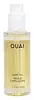
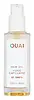
Ouai Hair Oil Versus Ouai St. Barts Hair Oil

What's inside
What's inside
 Key Ingredients
Benefits
Concerns
Ingredients Side-by-side
Cyclopentasiloxane
Emollient
Dimethicone
Emollient
Prunus Amygdalus Dulcis Oil
Skin Conditioning





Isododecane
EmollientHydrogenated Ethylhexyl Olivate
EmollientC12-15 Alkyl Benzoate
AntimicrobialPhenyl Trimethicone
Skin Conditioning
Simmondsia Chinensis Seed Oil
Emollient
Dimethiconol
Emollient
Jojoba Esters
Emollient
Butyrospermum Parkii Butter
Skin Conditioning
Helianthus Annuus Seed Oil
Emollient
Oryza Sativa Bran Oil
Emollient

Adansonia Digitata Seed Oil
Emollient
Borago Officinalis Seed Oil
Emollient
Crambe Abyssinica Seed Oil
Skin Conditioning
Glycine Soja Oil
Emollient
Passiflora Edulis Seed Oil
Emollient
Moringa Oleifera Seed Oil
Emollient
Coconut Alkanes
Emollient
Kaempferia Galanga Root Extract
Skin ConditioningHelianthus Annuus Extract
Emollient
Amaranthus Caudatus Seed Extract
Skin Conditioning
Oryza Sativa Bran Extract
Skin Conditioning
Daucus Carota Sativa Root Extract
Skin Conditioning
Rosmarinus Officinalis Leaf Extract
AntimicrobialTocopherol
Antioxidant



Coco-Caprylate/Caprate
Emollient
Ethylhexyl Methoxycinnamate
UV Absorber


Polysilicone-15
UV Filter
Diisostearyl Malate
EmollientHydrogenated Olive Oil Unsaponifiables
Emollient
Beta-Carotene
Skin ConditioningBHT
Antioxidant
Citric Acid
Buffering
Benzoic Acid
Masking
Phenoxyethanol
Preservative
Parfum
Masking

Benzyl Benzoate
Antimicrobial
Citronellol
Perfuming
Benzyl Salicylate
Perfuming
Linalool
Perfuming
Hydroxycitronellal
Perfuming
Hexyl Cinnamal
Perfuming
Geraniol
Perfuming
Cyclopentasiloxane, Dimethicone, Prunus Amygdalus Dulcis Oil, Isododecane, Hydrogenated Ethylhexyl Olivate, C12-15 Alkyl Benzoate, Phenyl Trimethicone, Simmondsia Chinensis Seed Oil, Dimethiconol, Jojoba Esters, Butyrospermum Parkii Butter, Helianthus Annuus Seed Oil, Oryza Sativa Bran Oil, Adansonia Digitata Seed Oil, Borago Officinalis Seed Oil, Crambe Abyssinica Seed Oil, Glycine Soja Oil, Passiflora Edulis Seed Oil, Moringa Oleifera Seed Oil, Coconut Alkanes, Kaempferia Galanga Root Extract, Helianthus Annuus Extract, Amaranthus Caudatus Seed Extract, Oryza Sativa Bran Extract, Daucus Carota Sativa Root Extract, Rosmarinus Officinalis Leaf Extract, Tocopherol, Coco-Caprylate/Caprate, Ethylhexyl Methoxycinnamate, Polysilicone-15, Diisostearyl Malate, Hydrogenated Olive Oil Unsaponifiables, Beta-Carotene, BHT, Citric Acid, Benzoic Acid, Phenoxyethanol, Parfum, Benzyl Benzoate, Citronellol, Benzyl Salicylate, Linalool, Hydroxycitronellal, Hexyl Cinnamal, Geraniol
Cyclopentasiloxane
Emollient
Dimethicone
Emollient
Prunus Amygdalus Dulcis Oil
Skin Conditioning
Isododecane
EmollientHydrogenated Ethylhexyl Olivate
EmollientC12-15 Alkyl Benzoate
AntimicrobialPhenyl Trimethicone
Skin Conditioning
Simmondsia Chinensis Seed Oil
Emollient
Dimethiconol
Emollient
Jojoba Esters
Emollient
Helianthus Annuus Seed Oil
Emollient
Hydrogenated Olive Oil Unsaponifiables
Emollient
Oryza Sativa Bran Oil
Emollient
Kaempferia Galanga Root Extract
Skin ConditioningCrambe Abyssinica Seed Oil
Skin Conditioning
Coconut Alkanes
Emollient
Beta-Carotene
Skin ConditioningDaucus Carota Sativa Root Extract
Skin Conditioning
Amaranthus Caudatus Seed Extract
Skin Conditioning
Moringa Oleifera Seed Oil
Emollient
Adansonia Digitata Seed Oil
Emollient
Passiflora Edulis Seed Oil
Emollient
Borago Officinalis Seed Oil
Emollient
Diisostearyl Malate
EmollientButyrospermum Parkii Butter
Skin Conditioning
Glycine Soja Oil
Emollient
Coco-Caprylate/Caprate
Emollient
Helianthus Annuus Extract
Emollient
Rosmarinus Officinalis Leaf Extract
AntimicrobialTocopherol
Antioxidant
Oryza Sativa Bran Extract
Skin Conditioning
BHT
Antioxidant
Ethylhexyl Methoxycinnamate
UV Absorber
Polysilicone-15
UV Filter
Phenoxyethanol
Preservative
Parfum
Masking
Benzyl Salicylate
Perfuming
Coumarin
Perfuming
Hydroxycitronellal
Perfuming
Limonene
Perfuming
Linalool
Perfuming
Cyclopentasiloxane, Dimethicone, Prunus Amygdalus Dulcis Oil, Isododecane, Hydrogenated Ethylhexyl Olivate, C12-15 Alkyl Benzoate, Phenyl Trimethicone, Simmondsia Chinensis Seed Oil, Dimethiconol, Jojoba Esters, Helianthus Annuus Seed Oil, Hydrogenated Olive Oil Unsaponifiables, Oryza Sativa Bran Oil, Kaempferia Galanga Root Extract, Crambe Abyssinica Seed Oil, Coconut Alkanes, Beta-Carotene, Daucus Carota Sativa Root Extract, Amaranthus Caudatus Seed Extract, Moringa Oleifera Seed Oil, Adansonia Digitata Seed Oil, Passiflora Edulis Seed Oil, Borago Officinalis Seed Oil, Diisostearyl Malate, Butyrospermum Parkii Butter, Glycine Soja Oil, Coco-Caprylate/Caprate, Helianthus Annuus Extract, Rosmarinus Officinalis Leaf Extract, Tocopherol, Oryza Sativa Bran Extract, BHT, Ethylhexyl Methoxycinnamate, Polysilicone-15, Phenoxyethanol, Parfum, Benzyl Salicylate, Coumarin, Hydroxycitronellal, Limonene, Linalool
Reviews
Ingredients Explained
These ingredients are found in both products.
Ingredients higher up in an ingredient list are typically present in a larger amount.
This ingredient is also known as Baobab Seed Oil. Like most plant oils, it works by sitting on the skin's surface to slow water loss and keep skin soft.
The fatty acid content of this oil is roughly 25-36% linoleic acid, 20-30% oleic acid, and 25-30% palmitic acid. Plus, it has smaller amounts of stearic and linolenic acid.
Linoleic acid is the most abundant fatty acid naturally found in your epidermis and your skin uses it to build ceramides.
Baobab seed oil also brings some Vitamin E that provides mild antioxidant activity and helps keep the oil itself stable.
An actual human study that ran a 48-hour occlusive patch test found this ingredient caused no significant irritation.
Because this ingredient is full of C16-18 fatty acids that Malassezia feeds on, this ingredient may not be fungal acne safe.
Learn more about Adansonia Digitata Seed OilThis ingredient comes from the seed of the velvet flower. It has skin hydrating, nourishing, and antioxidant properties.
This seed is rich in peptides, fatty acids, squalene, vitamin C, and vitamin E.
According to manufacturer, this ingredient is great for adding softness and shine to hair.
Learn more about Amaranthus Caudatus Seed ExtractBenzyl Salicylate is a solvent and fragrance additive. It is an ester of benzyl alcohol and salicylic acid. This ingredient can be naturally found in some plants and plant extracts.
In fragrances, Benzyl Salicylate may be a solvent or a fragrance component. In synthetic musk scents, it is used as a solvent. For floral fragrances such as lilac and jasmine, it is used as a fragrance component. The natural scent of Benzyl Salicylate is described as "lightly-sweet, slightly balsamic".
While Benzyl Salicylate has been associated with contact dermatitis and allergies, emerging studies show it may not be caused by this ingredient alone.
However, this ingredient is often used with fragrances and other components that may cause allergies. It is still listed as a known allergen in the EU. We recommend speaking with a professional if you have concerns.
Another study from 2021 shows Benzyl Salicylate may have anti-inflammatory properties.
Learn more about Benzyl SalicylateBeta-Carotene is a fat-soluble carotenoid pigment. It is the thing responsible for giving carrots, sweet potatoes, apricots, and other orange-yellow produce their color.
It is a potent antioxidant that neutralizes free radicals (mainly reactive oxygen species) that come at your skin from both the environment and internal processes.
When applied topically, beta-carotene accumulates in your outermost layer of skin and acts as a first-line defense against photo-oxidative stress.
Research has established that carotenoids like beta-carotene boosts your skin's innate resistance against UVB induced erythema. Please know this does not mean beta-carotene can replace your sunscreen.
Newer studies show it can also help inhibit molecular markers of oxidative stress like MMP-1 and MMP-9, enzymes that break down collagen.
In some cases, it can be used as a cosmetic colorant as well (INCI name: CI 40800).
Beta-carotene pairs well with other antioxidants like Vitamin E and Vitamin C for a synergistic effect.
Learn more about Beta-CaroteneBHT is a synthetic antioxidant and preservative.
As an antioxidant, it helps your body fight off free-radicals. Free-radicals are molecules that may damage your skin cells.
As a preservative, it is used to stabilize products and prevent them from degrading. Specifically, BHT prevents degradation from oxidation.
The concerns related to BHT come from oral studies; this ingredient is currently allowed for use by both the FDA and EU.
However, it was recently restricted for use in the UK as of April 2024.
Learn more about BHTBorago Officinalis Seed Oil is the fixed oil pressed from the seed of borage (or starflower). In cosmetics, it's a skin conditioning agent and emollient that helps soften and hydrate the skin.
Its whole reputation rests on one fatty acid, gamma-linolenic acid, that makes up about 20-26% of the oil. There are also significant levels of linoleic, oleic, palmitic, stearic, erucic, and nervonic acids.
Topical evidence is small but reasonably consistent; most of it is about barrier function rather than curing anything.
In 37 infants with seborrhoeic dermatitis treated daily with topical borage oil containing 24% GLA, all patients were free of skin symptoms within 3-4 weeks.
A double-blind placebo controlled trial in 32 children aged 1-10 used undershirts coated with borage oil for two weeks and found statistically significant improvements in erythema and itch. Transepidermal water loss from the back also decreased.
The CIR reviewed this ingredient and concluded it to be safe as used in cosmetics.
Concentration amounts can be as low as fractions of a percent all the way to 100% in facial oils.
Oxidation matters since it's high in polyunsaturates: pairing it with tocopherol or opaque packaging can make a difference.
Allergy risk is low though anyone with a known Boraginaceae allergy should patch test. Cosmetic-grade refined borage oil is usually free from the proteins that cause allergies, but manufacturing quality can differ around the world.
This ingredient shows up on a lot of "pore-clogging" lists but there's no real evidence behind that. It doesn't even have a comedogenic rating from an actual study; the numbers you'll find online come from blogs citing other blogs.
Ratings for other ingredients mostly come from a 1980s rabbit ear test. This test doesn't translate well to human skin or to real products because the ingredient sits at a much lower percentage.
Some people still find it breaks them out. So if that's you, definitely trust your skin.
The Malassezia species takes up external fatty acids in the C11-24 range to survive. Since this oil is a triglyceride of exactly the chain lengths it needs, this ingredient may not be fungal acne safe.
Learn more about Borago Officinalis Seed OilThis ingredient is also known as shea butter. It is a plant-derived extract from the nuts of the Africa shea tree and one of the most well-studied emollients.
Because it has a high concentration of fatty acids (primarily oleic, stearic, and linoleic) it is able to form a protective barrier on the skin's surface. This helps seal in moisture and prevents transepidermal water loss (TEWL).
In vitro research found an increase in skin hydration by 58% and a decrease in TEWL by 37.8% after 24 hours of applying this ingredient (pretty impressive for a single ingredient!).
Besides hydration, shea butter also contains triterpenes that have anti-inflammatory potential. In particule, lupeol cinnamate has shown the highest anti-inflammatory activity in vivo.
Shea butter also contains vitamins A and E which may contribute to antioxidant activity.
While Shea Butter has an SPF rating of about 3-4, it is not a sunscreen replacement.
This ingredient may not be fungal acne safe because its fatty acids fall within the C11-C24 range that the Malassezia yeast can metabolize.
This ingredient shows up on a lot of "pore-clogging" lists but there's no real evidence behind that. It doesn't even have a comedogenic rating from an actual study; the numbers you'll find online come from blogs citing other blogs.
Ratings for other ingredients mostly come from a 1980s rabbit ear test. This test doesn't translate well to human skin or to real products because the ingredient sits at a much lower percentage.
Some people still find it breaks them out. So if that's you, definitely trust your skin. Just know this one's based on experience and not evidence.
Learn more about Butyrospermum Parkii ButterC12-15 Alkyl Benzoate is a lightweight emollient made by combinig benzoic acid with fatty alcohols that are 12-15 carbons long.
In cosmetics, it plays several roles:
The Cosmetic Review Expert Panel has concluded the alkyl benzoate group to be safe as used in cosmetics; it wasn't found to be a skin irritant and unlikely to be absorbed due to its low water solubility.
This report recorded almost 1000 reported uses with concentrations up to 59% in leave-on products but your cosmetics will typically use 0.5-15% depending on the product.
It's often called a "SPF booster": this is because it keeps UV filters properly dissolved and evenly distributed to support a sunscreen's performance. It doesn't actually raise SPF on its own.
Overall, this ingredient is well tolerated.
This ingredient is fungal acne safe because it is an ester of benzoic acid.
Think of this ingredient as two parts stuck together: an oily part and an acid part. Malassezia only gets a meal when it can snip off a fatty acid to eat. With C12-15 Alkyl Benzoate, the acid part is benzoic acid, which isn't a fatty acid and which the yeast can't use as food.
Benzoic acid is actually used as a preservative to stop yeast from growing.
The oily part is a blend of C12-15 fatty alcohols but fatty alcohols in this size range can support only a little Malassezia growth (mostly for one species of Malassezia as well).
In the ingredient, those alcohols stay locked inside the molecule. The yeast can only reach them by snipping the benzoate bond, and that type of bond is harder for it to cut than a normal fatty bond.
So not much gets released. And whatever does get snipped comes packaged with benzoic acid, which discourages yeast growth.
Learn more about C12-15 Alkyl BenzoateCoco-Caprylate/Caprate is a lightweight ester created from coconut oil fatty acids, caprylic acid, and capric acid.
It is an emollient that helps soften skin and reduce transepidermal water loss (TEWL). What sets it apart from heavier emollients is its ultralight, non-greasy feel.
Once applied, this ingredient dries down quickly and leaves a dry, silky finish behind. This also helps improve spreadability and texture.
This ingredient has an excellent safety-record and is non-irritating.
Typical concentrations for cosmetics range from 0.5-62%.
Research on Malassezia growth found no growth on fatty acid esters with chain lengths shorter than 12 carbons (it prefers C11-24).
Since Coco-Caprylate/Caprate is built on C8 and C10 fatty acids, it is out of the range that Malassezia metabolizes, and therefore safe for fungal acne.
Learn more about Coco-Caprylate/CaprateThis is a lightweight, plant-derived emollient and solvent made from the fatty acids of coconut oil.
It spreads easily and adds a soft, silky, non-greasy slip, then evaporates rather than sinking into skin. Due to this behavior, it's prized as a natural and renewable replacement for silicones.
Typical use concentrations can go anywhere up to 20%.
The CIR Expert Panel has reviewed coconut oil and its hydrogenated derivatives and found them to be safe as used in cosmetics. It's a low-irritating and well-tolerated ingredient with no notable sensitization concerns.
Because it's a pure saturated hydrocarbon and not a free fatty acid or ester in the C11-24 range that Malassezia can feed on, it doesn't provide the lipids for Malassezia to feed on. This ingredient is generally regarded as safe for fungal acne.
There's no comedogenicity data for this specific ingredient; the "coconut clogs pores" reputation comes from coconut oil which scored high on the old rabbit ear assay.
That method tested pure ingredients on rabbit ears and later work showed the results translate inconsistently to human skin.
Some people still find it breaks them out. So if that's you, definitely trust your skin.
Learn more about Coconut AlkanesThis ingredient is also known as Abyssinian Oil. It comes from the seeds of the Crambe abyssinica plant and has skin conditioning properties.
What makes this oil unique is its unusually high content of erucic acid (50-65%). The other fatty acids found in this oil are oleic acid (15%) and linoleic acid (13%).
In cosmetics, abyssinian oil acts as an emollient that forms a protective layer on skin to lock in moisture without adding a heavy, greasy feeling. It also has a silky, silicone-like slip to it and is fairly resistant to oxidation.
Due to its fatty acid content, this ingredient may not be fungal acne safe.
Learn more about Crambe Abyssinica Seed OilCyclopentasiloxane (D5) is a lightweight silicone that mostly acts as an emollient and solvent in cosmetics. Its the reason your products feel silky, fast-spreading, and non-greasy.
Since D5 is volatile, it does its thing and then evaporates off the skin quickly.
The safety profile of this ingredient is reassuring; the US CIR Expert Panel concluded D5 is safe as used in cosmetics and Health Canada concluded that D5 is not harmful to human health or the environment as currently used in cosmetics
There's a study that people mention about D5 in a rat study showing tumors. This study is related to long-term inhalation of high D5 levels.
Regulatory bodies have judged this study to be not applicable in topical skincare since skin absorption of D5 is very low and we're not really inhaling huge amounts of D5.
The only restriction for this ingredient is environmental. The European Chemicals Agency (ECHA) restricted D5 in wash-off cosmetics at or above 0.1% due to their persistence in water.
Learn more about CyclopentasiloxaneDaucus Carota Sativa Root Extract comes from the root commonly known as carrot (the orange kind we eat!).
This extract contains beta-carotene, a pigment responsible for giving plants the orange color. Beta-carotene is a potent antioxidant. Antioxidants may help reduce the signs of aging.
Beta-carotene is the reason we turn orange if we eat too many carrots.
It should be noted coming into contact with the leaves of wild carrots can cause skin irritation. The sap causes phytophotodermatitis, or sensitivity exposed to sunlight.
This ingredient is created using the edible parts of the carrot.
Learn more about Daucus Carota Sativa Root ExtractDiisostearyl Malate is an emollient and most often used in lip products. It comes from isostearyl alcohol, a fatty acid, and malic acid, an AHA.
As an emollient, Diisostearyl Malate helps create a thin film on your skin to trap moisture in. This helps keep your skin soft and smooth.
Dimethicone is a type of synthetic silicone created from natural materials such as quartz. It is also known as polydimethylsiloxane.
What it does:
Dimethicone comes in different viscosities:
Depending on the viscosity, dimethicone has different properties.
Ingredients lists don't always show which type is used, so we recommend reaching out to the brand if you have questions about the viscosity.
This ingredient is unlikely to cause irritation because it does not get absorbed into skin. However, people with silicone allergies should be careful about using this ingredient.
Note: Dimethicone may contribute to pilling. This is because it is not oil or water soluble, so pilling may occur when layered with products. When mixed with heavy oils in a formula, the outcome is also quite greasy.
Learn more about DimethiconeDimethiconol is a silicone that resembles the popular dimethicone. Like other silicones, it is an emollient. Emollients create a thin film on skin to prevent moisture from escaping.
This ingredient helps to create a silky texture and improve spreadability. Due to its high molecular weight and thickness, it is often combined with cyclopentasiloxane.
This ingredient is also known as Octinoxate and is one of the oldest and most widely used chemical UV filters in skincare.
It has a simple job: soap up UVB radiation (290-320 nm), the wavelengths responsible for sunburn and a big chunk of long-term sun damage.
In formulas, it's always paired with a separate UVA filter because octinoxate solely protects skin from UVB.
Because it's an oil-soluble liquid, it's easy to blend into the oil phase of lotions/creams and gives a cosmetically elegant feel.
The one quirk about formulating this ingredient is photostability; the molecule slowly changes shape into a less effective version when sunlight hits it. So the longer you're in the sun, the weaker its protection gets. The drop can be more than 30% in some formulas.
It also doesn't play nice with Avobenzone (the common UVA filter) since avobenzone destabilizes octinoxate and the two degrade each other. But don't worry: brands have solved this issue by adding photostabilizers like Tinosorb S to prevent degradation and keep SPF stable under heavy UV exposure.
The maximum allowed level is 10% in the EU and Australia, 7.5% in the US and Canada, and 20% in Japan.
The Cosmetic Ingredient Review Panel has concluded this ingredient to be safe in cosmetics up to 10%.
One last thing worth knowing for context:
Octinoxate has been the subject of ongoing review in Europe where the Scientific Committee on Consumer Safety's (SCCS) 2025 final opinion is that this ingredient is an endocrine-active substance.
Lab and animal studies suggest it can act a bit like a hormone in the body (mildly mimicking estrogen and slightly blocking male hormones). It's important to know this hasn't really been shown to happen in everyday human use.
This ingredient is also banned in Hawaii over coral reef concerns.
Learn more about Ethylhexyl MethoxycinnamateGlycine Soja Oil is a plant-derived oil from soybean seeds. Like other oils, it is rich in essential fatty acids (mostly linoleic and oleic) that support skin hydration and barrier function.
The fatty acids are able to integrate into the lipid matrix of the stratum corneum to help soften skin and reduce water loss.
On top of that, soybean oil is rich in vitamins like vitamin E, a potent antioxidant.
Research on soybean's active components also point to anti-inflammatory, collagen-stimulating, antioxidant activity, and protection against UV-induced oxidative damage.
Most of this research applies to the broader soybean plant and not just the oil fraction alone.
This ingredient does carry a comedogenic rating of 3 from the old rabbit-ear assay. Just remember testing finished products in humans showed that formulas built with "comedogenic" ingredients are not necessarily comedogenic themselves. It's worth patch testing if you're breakout prone, and always listen to your skin.
Because this ingredient is a saturated triglyceride, it may not be fungal acne safe. This is because Malassezia breaks down sebum triglycerides into fatty acids it can consume, making this ingredient a possible source for the yeast.
Learn more about Glycine Soja OilHelianthus Annuus Extract comes from the common sunflower.
Sunflowers are rich in vitamin E. Studies show sunflowers contain antimicrobial and antioxidant properties.
The fatty acids found in sunflowers include (from highest amount to least): linoleic acid, myristic acid, palmitic acid, stearic acid, arachidic acid, oleic acid, and linolenic acid.
These fatty acids hydrate your skin. Emollients create a film on the skin to prevent moisture from escaping.
Learn more about Helianthus Annuus ExtractHelianthus Annuus Seed Oil is a plant oil derived from the seeds of a sunflower.
It is rich in fatty acids, primarily linoleic acid and oleic acid. This gives it emollient and skin conditioning properties.
The reason this ingredient is so effective is because it forms a thin film on the skin that reduces transepidermal water loss (TEWL) while supplying linoleic acid to the stratum corneum to improve barrier strength.
The high linoleic acid content is particularly noteworthy for acne-prone skin.
Research suggests that acne-prone skin tends to be deficient in linoleic acid in sebum. Topical application may help replenish this to support a healthier follicular environment and less comedone-promoting sebum.
One randomized study found sunflower seed oil preserved skin barrier integrity in adult volunteers with and without atopic dermatitis (outperforming olive oil).
This ingredient is well-studied, gentle, and an effective emollient suitable for most skin types.
On fungal acne: This ingredient may not be Fungal acne (Malassezia folliculitis) safe. This is because it contains fatty acids with carbon chain lengths in the C11-C24 range.
Learn more about Helianthus Annuus Seed OilWe don't have a description for Hydrogenated Ethylhexyl Olivate yet.
Hydrogenated Olive Oil Unsaponifiables are the "leftover" part of olive oil after the fatty acids get turned into soap.
Most of what's left behind is a concentrated blend of squalene, phytosterols, and vitamin E.
Squalene is pretty cool because it's already naturally found in our skin and makes up about 13% of sebum. This makes it a great moisturizing and skin-barrier-supporting ingredient.
This ingredient is typically used at low concentrations (~1-3%) and occasionally up to 25% when acting as the main ingredient in a formula.
Fungal acne note: Though this ingredient is largely free of fatty acid esters that feed Malassezia, it may still have some residual fatty acids depending on the purity. This is why this ingredient is marked as not fungal acne safe.
People with existing olive oil allergies should be cautious as well.
Learn more about Hydrogenated Olive Oil UnsaponifiablesHydroxycitronellal is a fragrance created from citronellal. The smell of hydroxycitronellal is often described as "citrus-like" or "melon-like".
Hydroxycitronellal is a known EU allergen and may cause irritation when applied to the skin.
Isododecane is a fragrance, emollient, and solvent.
As an emollient, it helps your skin stay soft and hydrated. Emollients help trap moisture into your skin.
Isododecane's role as a solvent makes it a great texture enhancer. It spreads smoothly on skin and does not leave a sticky feeling behind. Isododecane also helps prevent color transfer in makeup products.
Isododecane is not absorbed into skin.
The chemical name for this ingredient is 2,2,4,6,6-PENTAMETHYLHEPTANE.
Learn more about IsododecaneJojoba Esters is a wax created from Jojoba oil. It is an emollient and film-forming ingredient. In bead form, it is an exfoliator.
This ingredient has high oxidative stability, meaning it doesn't break down when exposed to oxygen.
Its similarity to our skin's natural oils makes it a great emollient. Emollients help soften and soothe our skin by creating a barrier on top. This barrier helps trap moisture in, keeping skin hydrated.
It is created using either the hydrogenation or transesterification processes on jojoba oil.
Learn more about Jojoba EstersWe don't have a description for Kaempferia Galanga Root Extract yet.
Linalool is a small, naturally occurring scent molecule found in plants like lavender, coriander, bergamot, and more.
It is one of the two most-used fragrance ingredients in cosmetics and added purely for smell. Since it's not used for a skin benefit, there's no "effective dose". Concentration depends on the fragrance load of the product.
The EU requires it to be named on the label above 0.001% in leave-on and 0.01% in rinse-off products.
Fresh linalool is a weak sensitizer but air exposure turns some of it into hydroperoxides, which are strong sensitizers. Those oxidation products are the actual allergy concern.
Patch-test clinics see positive reactions to linalool hydroperoxides in about 4% to 12% of dermatitis patients depending on country and test concentration.
Resassuringly, one analytical study found hydroperoxide levels in real fragranced products to be orders of magnitude below what induced sensitization in animal studies with no evidence of oxidation building up during normal storage.
The practical takeaway is that linalool is fine for most people but worth avoiding if you have a confirmed fragrance contact allergy or a badly compromised barrier.
Products stored a long time after opening are also the high-risk scenario since that is when oxidation happens.
The scent of linalool is described as floral, spicy tropical, and citrus-like.
Learn more about LinaloolMoringa Oleifera Seed Oil is a lightweight oil from the seeds of the Moringa oleifera tree. In cosmetics, it's an emollient that forms a light film to slow water loss and soften skin.
Its fatty acid composition is dominated by oleic acid (70-78%), with smaller amounts of behenic, palmitic, and stearic acids (this profile is actually pretty similar to olive oil).
Notably, this ingredient is oxidatively stable for an oil and resists going rancid as fast as other oils.
A small, in vivo study on 32 participants found a cream with this ingredient increased skin hydration with no reported skin irritation. It also found the tocopherol content gave it some antioxidant activity as well.
Because this oil is so high in oleic acid, Malassezia can use it as a food source and this ingredient may not be fungal acne safe.
For everyone else, this ingredient is well-tolerated and nourishing with a good safety track record.
This ingredient shows up on a lot of "pore-clogging" lists but there's no real evidence behind that. It doesn't even have a comedogenic rating from an actual study; the numbers you'll find online come from blogs citing other blogs.
Ratings for other ingredients mostly come from a 1980s rabbit ear test. This test doesn't translate well to human skin or to real products because the ingredient sits at a much lower percentage.
Some people still find it breaks them out. So if that's you, definitely trust your skin.
Learn more about Moringa Oleifera Seed OilOryza Sativa Bran Extract comes from the outer layer of a rice kernel. It is a byproduct of milling rice, or the operation to produce a whole grain rice product.
This ingredient has moisturizing properties due to its components of polysaccharides and omega-3 fatty acids. It also contains calcium, selenium, phosphorus, iron, and zinc.
Oryza Sativa Bran Extract contains numerous antioxidants such as ferulic acid. Antioxidants help fight free-radical molecules. Free-radical molecules are capable of damaging our cells and other genetic material.
Learn more about Oryza Sativa Bran ExtractThis oil comes from the outer layer (bran) of rice grains. It is packed with skin-friendly fatty acids to soften and condition the skin while supporting your moisture barrier.
What makes it stand out from other plant oils is its naturally high concentration of gamma-oryzanol, a potent antioxidant. This antioxidant has shown some UV-absorptive properties in research.
Other antioxidants found in this oil include tocopherols, tocotrienols, and ferulic acid.
According to manufacturers, this oil has a lightweight texture that absorbs nicely.
The CIR (Cosmetic Ingredient Review) has concluded this ingredient to be safe as used in cosmetics and it has not shown to be a skin sensitizer in testing (unless you have a known rice allergy).
Due to the fatty acids (primarily Oleic Acid ~40%, Linoleic Acid ~30%, and some Palmitic Acid), this ingredient may not be fungal acne safe.
Learn more about Oryza Sativa Bran OilParfum is a catch-all term for an ingredient or more that is used to give a scent to products.
Also called "fragrance", this ingredient can be a blend of hundreds of chemicals or plant oils. This means every product with "fragrance" or "parfum" in the ingredients list is a different mixture.
For instance, Habanolide is a proprietary trade name for a specific aroma chemical. When used as a fragrance ingredient in cosmetics, most aroma chemicals fall under the broad labeling category of “FRAGRANCE” or “PARFUM” according to EU and US regulations.
The term 'parfum' or 'fragrance' is not regulated in many countries. In many cases, it is up to the brand to define this term.
For instance, many brands choose to label themselves as "fragrance-free" because they are not using synthetic fragrances. However, their products may still contain ingredients such as essential oils that are considered a fragrance by INCI standards.
One example is Calendula flower extract. Calendula is an essential oil that still imparts a scent or 'fragrance'.
Depending on the blend, the ingredients in the mixture can cause allergies and sensitivities on the skin. Some ingredients that are known EU allergens include linalool and citronellol.
Parfum can also be used to mask or cover an unpleasant scent.
The bottom line is: not all fragrances/parfum/ingredients are created equally. If you are worried about fragrances, we recommend taking a closer look at an ingredient. And of course, we always recommend speaking with a professional.
Learn more about ParfumPassiflora Edulis Seed Oil is a lightweight plant oil from the seeds of passion fruit.
This oil supports skin hydration because it is packed with linoleic acid (56-73%), oleic acid (14-20%), palmitic acid, and stearic acids. It also contains vitamin E and other antioxidants, like carotenoids.
In vitro research has shown that passion fruit seed extracts can inhibit the enzymes that break down collagen and elastin in the skin.
While this ingredient is considered well-tolerated, some cases of contact dermatitis have been reported with the Passiflora plant's vines and leaves itself. As with any ingredient, a patch test is a great idea if you are unsure.
This may not be suitable for fungal acne-prone skin due to the fatty acid content.
Learn more about Passiflora Edulis Seed OilPhenoxyethanol is one of the most widely used preservatives in skincare (and for good reason!).
It has a large spectrum of antimicrobial activity and especially effective bacteria, yeast, and mold while only having a weak effect on your skin's natural microbiome.
On a cellular level, it disrupts the cell membranes of microbes by poking holes that make the cell leak. This shuts down the chemical reactions the microbe needs to make energy so it can no longer survive.
Another perk of this ingredient is that it stays functional across a wide pH range (3-10).
You'll often see it paired with boosters like Ethylhexylglycerin; one study showed that a 1:9 ratio of Ethylhexylglycerin to Phenoxyethanol damages bacterial membranes as effectively as doubling the Phenoxyethanol concentration on its own.
Typical use concentrations range from 0.3-1% depending on the formula, and this ingredient is capped at 1% int the EU.
Safety-wise, the fear mongering does not hold up to the evidence. The EU's Scientific Committee on Consumer Safety and FDA consider it safe as a preservative at up to 1%, including for children of all ages.
Adverse systemic effects only showed up in animal studies at exposures roughly 200x higher than what people get from cosmetics. And despite its very widespread use, this ingredient is a rare sensitizer and allergic reactions are uncommon.
Learn more about PhenoxyethanolPhenyl Trimethicone is a silicon-based polymer. It is derived from silica.
Phenyl Trimethicone is used as an emollient and prevents products from foaming.
As an emollient, it helps trap moisture in the skin. It is considered an occlusive.
Learn more about Phenyl TrimethiconePolysilicone-15 (trade name: Parsol SLX) is a silicone-based UVB filter that soaks up UVB light (~280-320nm) with a peak around 310nm.
It's a fairly modest sunscreen filter so formulators mostly use it as an SPF booster and "light stabilizer". This just means it helps keep other light-sensitive ingredients from breaking down in sunlight.
A 2007 study measured the in-vitro SPF of 18 filters and found Polysilicone-15 contributed an SPF of about 3.64 at its maximum legal concentration (though worth noting its maker points out that in-vitro tests tend to underestimate its real performance because of its large polymeric structure).
Usage levels vary; it's approved up to 10% as a UV filter in the EU, China, Japan, Australia, ASEAN, and Mercosur countries. In the US, it's only permitted up to 1% as a light stabilizer because the FDA hasn't reviewed it as a sunscreen active.
Typical use levels range from 1-3%.
The EU's scientific committee concluded that this ingredient is safe for use as a UV absorber up to 10%, and tests came back negative for irritation, phototoxicity, and photoallergy.
There is one case of allergic lip inflammation from a lip balm with this ingredient, though this is rare.
Learn more about Polysilicone-15This ingredient is also known as sweet almond oil. It is a lightweight, cold-pressed oil from the ripe seeds of the sweet almond tree.
Sweet almond oil is rich in skin-nourishing fatty acids such as oleic acid (55-86%) and linolenic acid (7-35%).
As an emollient, it softens and hydrates skin by forming a thin barrier that locks in moisture.
Clinical studies have found it to be non-irritating and non-sensitizing. The CIR Expert Panel has evaluated the available safety data and concluded it is safe for topical use.
Because of the oleic acid content, this ingredient may not be fungal acne safe.
This ingredient does have a comedogenic rating of 3, but this doesn't mean a formula with this ingredient will clog pores.
Human testing has proved that any finished product with a comedogenic ingredient won't automatically make you break out; it really comes down to concentration, formula, and your skin.
Learn more about Prunus Amygdalus Dulcis OilThis is a botanical extract from the rosemary plant (the same one you cook with). In skincare, it mostly works as a skin conditioning agent.
Its activity comes from a handful of polyphenols, carnosic acid, carnosol, and rosmarinic acid. Almost 90% of the antioxidant activity of this ingredient can be attributed to canosol and carnosic acid.
These compounds protect your skin two ways:
1) They fight off free radicals, or the unstable molecules from things like sun and pollution that age and damage skin.
2) They help calm inflammation by switching off the chemical signals that tell skin to get red and irritated.
Lab studies also suggest that rosmarinic acid may help protect collagen and slow sugar-related damage to it.
The Cosmetic Ingredient Review has concluded rosemary-derived ingredients to be safe when formulated to be non-sensitizing.
Rosemary can occasionally cause allergic contact dermatitis (due to carnosol), so be sure to patch test if you have reactive or fragrance-sensitive skin.
Learn more about Rosmarinus Officinalis Leaf ExtractJojoba oil is one of the most well-studied plant-derived ingredients in cosmetics. It is an emollient with a special structure.
Because it is made up of 97-98% wax esters, it closely mirrors the linear monoesters found in human sebum. This makes it skin compatible, non-greasy, and lightweight.
Unlike other plant oils, jojoba wax doesn't easily penetrate skin. It mostly works in the uppermost layers as an emollient. This just means it forms a light barrier on the skin to help retain moisture.
Formulations with jojoba esters up to 90% reduced transepidermal water loss (TEWL) and increased barrier recovery by 81% (outperforming bisabolol at 47%).
Besides barrier support, the science also suggests jojoba to have anti-inflammatory effects and potential applications for skin infections, aging, and wound healing.
Fun fact: Indigenous cultures have used jojoba as a moisturizer and to help treat burns for centuries.
Fungal acne: The Malassezia yeast is known to metabolize fatty acids in the C11-24 range and jojoba's dominant fatty acid components fall into this range. This ingredient may not be fungal acne safe.
Learn more about Simmondsia Chinensis Seed OilTocopherol is a fat-soluble antioxidant known as Vitamin E.
You'll find this ingredient in the vast majority of skincare (for good reason). It works to neutralize free radicals, or unstable molecules generated by UV exposure, pollution, and other environmental stressors, before they can cause oxidative damage to your skin cells.
Topically applied tocopherol has been shown to protect against UV damage by ramping up the skin's own natural defense enzymes.
It also acts as a skin conditioning agent; some studies show that regular topical use can improve the skin's water-binding capacity over 2-4 weeks.
This ingredient is especially loved for being a team player. When combined with Vitamin C, the photoprotective effect of both ingredients roughly doubles and the combo also helps reduce UV-induced DNA damage.
This ingredient has some brightening potential but it's more of a prevention ingredient than spot-fader. Cell studies show it can slow down melanin production but it's worth noting that it's not the most powerful brightener out there.
In formulations, it also serves as a stabilizer that helps protect other oxidation-prone ingredients from degrading.
Concentrations usually range from 0.1-1% in most leave-on products.
Learn more about Tocopherol

