
What's inside
What's inside
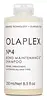 Key Ingredients
Benefits
Concerns
Ingredients Side-by-side
Water
Skin ConditioningSodium Lauroyl Methyl Isethionate
CleansingCocamidopropyl Hydroxysultaine
Cleansing
Potassium Cocoyl Glycinate
Surfactant
Disodium Cocoyl Glutamate
Cleansing
Potassium Cocoate
Emulsifying

Sodium Lauroyl Sarcosinate
CleansingGlycereth-26
Humectant
Decyl Glucoside
Cleansing
Parfum
Masking



Phenoxyethanol
Preservative
Cocamidopropylamine Oxide
Cleansing
Sodium Cocoyl Glutamate
Cleansing
Glycol Distearate
Emollient
Disodium Laureth Sulfosuccinate
CleansingMethyl Gluceth-20
Humectant
Acrylates Copolymer
PEG-120 Methyl Glucose Dioleate
Emulsifying
Amodimethicone

Polyquaternium-10
Citric Acid
Buffering

Ethylhexylglycerin
Skin ConditioningSodium Lauryl Sulfoacetate
CleansingDivinyldimethicone/Dimethicone Copolymer
Chlorphenesin
Antimicrobial
Polyquaternium-11
Guar Hydroxypropyltrimonium Chloride
Skin ConditioningC11-15 Pareth-7
EmulsifyingTrisodium Ethylenediamine Disuccinate
ChelatingLaureth-9
EmulsifyingGlycerin
Humectant

Trideceth-12
EmulsifyingPanthenol
Skin Conditioning

Hydrolyzed Vegetable Protein Pg-Propyl Silanetriol
Skin ConditioningC12-13 Pareth-3
EmulsifyingC12-13 Pareth-23
CleansingHelianthus Annuus Seed Oil
Emollient
Tocopherol
Antioxidant



Pseudozyma Epicola/Camellia Sinensis Seed Oil Ferment Extract Filtrate
Humectant
Pseudozyma Epicola/Argania Spinosa Kernel Oil Ferment Filtrate
Skin Conditioning
Prunus Armeniaca Kernel Oil
Masking
Quaternium-95
UV AbsorberPropanediol
Solvent
Helianthus Annuus Seed Extract
Skin Conditioning
PEG-8
HumectantBis-Aminopropyl Diglycol Dimaleate
Skin ConditioningEuterpe Oleracea Fruit Extract
Rosmarinus Officinalis Leaf Extract
AntimicrobialPunica Granatum Extract
AstringentOriganum Vulgare Leaf Extract
Skin ConditioningMusa Sapientum Fruit Extract
Skin ConditioningMorinda Citrifolia Fruit Extract
Skin Conditioning
Sodium Hyaluronate
Humectant
PEG-8/Smdi Copolymer
Arctium Lappa Root Extract
Skin Conditioning
Sodium Polyacrylate
Absorbent
Palmitoyl Myristyl Serinate
Skin ConditioningCitral
Perfuming
Hexyl Cinnamal
Perfuming
Limonene
Perfuming
Biotin
AntiseborrhoeicPentaerythrityl Tetra-Di-T-Butyl Hydroxyhydrocinnamate
Antioxidant
Water, Sodium Lauroyl Methyl Isethionate, Cocamidopropyl Hydroxysultaine, Potassium Cocoyl Glycinate, Disodium Cocoyl Glutamate, Potassium Cocoate, Sodium Lauroyl Sarcosinate, Glycereth-26, Decyl Glucoside, Parfum, Phenoxyethanol, Cocamidopropylamine Oxide, Sodium Cocoyl Glutamate, Glycol Distearate, Disodium Laureth Sulfosuccinate, Methyl Gluceth-20, Acrylates Copolymer, PEG-120 Methyl Glucose Dioleate, Amodimethicone, Polyquaternium-10, Citric Acid, Ethylhexylglycerin, Sodium Lauryl Sulfoacetate, Divinyldimethicone/Dimethicone Copolymer, Chlorphenesin, Polyquaternium-11, Guar Hydroxypropyltrimonium Chloride, C11-15 Pareth-7, Trisodium Ethylenediamine Disuccinate, Laureth-9, Glycerin, Trideceth-12, Panthenol, Hydrolyzed Vegetable Protein Pg-Propyl Silanetriol, C12-13 Pareth-3, C12-13 Pareth-23, Helianthus Annuus Seed Oil, Tocopherol, Pseudozyma Epicola/Camellia Sinensis Seed Oil Ferment Extract Filtrate, Pseudozyma Epicola/Argania Spinosa Kernel Oil Ferment Filtrate, Prunus Armeniaca Kernel Oil, Quaternium-95, Propanediol, Helianthus Annuus Seed Extract, PEG-8, Bis-Aminopropyl Diglycol Dimaleate, Euterpe Oleracea Fruit Extract, Rosmarinus Officinalis Leaf Extract, Punica Granatum Extract, Origanum Vulgare Leaf Extract, Musa Sapientum Fruit Extract, Morinda Citrifolia Fruit Extract, Sodium Hyaluronate, PEG-8/Smdi Copolymer, Arctium Lappa Root Extract, Sodium Polyacrylate, Palmitoyl Myristyl Serinate, Citral, Hexyl Cinnamal, Limonene, Biotin, Pentaerythrityl Tetra-Di-T-Butyl Hydroxyhydrocinnamate
Water
Skin ConditioningCetearyl Alcohol
Emollient

Macadamia Integrifolia Seed Oil
Skin Conditioning
Sodium C14-16 Olefin Sulfonate
Cleansing
Lauramidopropyl Betaine
CleansingCocamidopropyl Hydroxysultaine
Cleansing
Heptyl Glucoside
SurfactantParfum
Masking
Sr-(Wasp Spider Polypeptide-1 Oligopeptide-178)
Skin Conditioning
Polyacrylate Crosspolymer-6
Emulsion StabilisingPentylene Glycol
Skin Conditioning
Glyceryl Caprylate
EmollientHydroxyethylcellulose
Emulsion StabilisingGlycerin
Humectant
Magnolia Officinalis Bark Extract
Antimicrobial
Aloe Barbadensis Leaf Extract
Emollient
Sodium PCA
Humectant
Phytic Acid
Chelating
Mannitol
Humectant
Phosphatidylcholine
EmulsifyingSodium Hydroxide
BufferingCeramide NP
Skin Conditioning
Citric Acid
Buffering
Cetrimonium Chloride
Antimicrobial
Biotin
AntiseborrhoeicJasminum Grandiflorum Flower Extract
Masking
Cananga Odorata Flower Oil
Masking
Gardenia Jasminoides Fruit Extract
Cosmetic ColorantCitrus Junos Peel Oil
Astringent
Cetyl Alcohol
Emollient
Potassium Sorbate
Preservative
Sodium Benzoate
Masking
Sodium Chloride
MaskingLimonene
Perfuming
Geraniol
Perfuming
Citral
Perfuming
Benzyl Alcohol
Perfuming
Citronellol
Perfuming
Amyl Cinnamal
Perfuming
Farnesol
Perfuming
Linalool
Perfuming
Water, Cetearyl Alcohol, Macadamia Integrifolia Seed Oil, Sodium C14-16 Olefin Sulfonate, Lauramidopropyl Betaine, Cocamidopropyl Hydroxysultaine, Heptyl Glucoside, Parfum, Sr-(Wasp Spider Polypeptide-1 Oligopeptide-178), Polyacrylate Crosspolymer-6, Pentylene Glycol, Glyceryl Caprylate, Hydroxyethylcellulose, Glycerin, Magnolia Officinalis Bark Extract, Aloe Barbadensis Leaf Extract, Sodium PCA, Phytic Acid, Mannitol, Phosphatidylcholine, Sodium Hydroxide, Ceramide NP, Citric Acid, Cetrimonium Chloride, Biotin, Jasminum Grandiflorum Flower Extract, Cananga Odorata Flower Oil, Gardenia Jasminoides Fruit Extract, Citrus Junos Peel Oil, Cetyl Alcohol, Potassium Sorbate, Sodium Benzoate, Sodium Chloride, Limonene, Geraniol, Citral, Benzyl Alcohol, Citronellol, Amyl Cinnamal, Farnesol, Linalool
Reviews
Ingredients Explained
These ingredients are found in both products.
Ingredients higher up in an ingredient list are typically present in a larger amount.
Biotin is a B vitamin that is naturally produced by our bodies. It is also called Vitamin H.
Our bodies use biotin in the metabolism process. It also helps our bodies use enzymes and move nutrients around. A biotin deficiency can lead to brittle hair and nails.
More research is needed on applying biotin topically. However, taking biotin orally has been shown to help nourish the skin, hair, and nails. They play a role in forming skin-hydrating fatty acids.
Biotin is water-soluble. It can be found in foods such as fish, eggs, dairy, nuts, and meat. Vitamin H stands for "haar" and "haut". These are the German words for hair and skin.
Learn more about BiotinCitral is the molecule responsible for the fresh lemon scent in lemon, lime, and lemongrass. It is a fragrance ingredient that can be created from plant essential oils or synthetically.
Though Citral has documented antimicrobial activity against acne bacteria (which is where the marketing claims about it being good for acne-prone skin originate), real formulas use it at fragrance-level concentrations under 1% so there's likely no skin benefit.
You should know this ingredient is a known EU fragrance allergen.
Animal studies classifies this ingredient as a weak-to-moderate skin sensitizer and clinical patch testing on eczema patients confirmed it to be both a contact allergen and irritant.
The term 'citral' is a collective term for two geometric isomers: geranial/Citral A and neral/Citral B.
The term 'fragrance' is not regulated in many countries. In many cases, it is up to the brand to define this term. For instance, many brands choose to label themselves as "fragrance-free" because they are not using synthetic fragrances. However, their products may still contain ingredients such as essential oils that are considered a fragrance.
Learn more about CitralCitric Acid is an alpha hydroxy acid (AHA) naturally found in citrus fruits like oranges, lemons, and limes.
Like other AHAs, citric acid can exfoliate skin by breaking down the bonds that hold dead skin cells together. This helps reveal smoother and brighter skin underneath.
However, this exfoliating effect only happens at high concentrations (20%) which can be hard to find in cosmetic products.
Due to this, citric acid is usually included in small amounts as a pH adjuster. This helps keep products slightly more acidic and compatible with skin's natural pH.
In skincare formulas, citric acid can:
While it can provide some skin benefits, research shows lactic acid and glycolic acid are generally more effective and less irritating exfoliants.
Most citric acid used in skincare today is made by fermenting sugars (usually from molasses). This synthetic version is identical to the natural citrus form but easier to stabilize and use in formulations.
Rosacea skin has a lower threshold for acids generally, with 62.5% of rosacea subjects in one study reacting to lactic acid in a sting test. This is why we mark citric acid as a potential rosacea trigger.
However, this ingredient shows up as a pH adjuster or chelator at roughly 0.1-1% in many products. These low levels are unlikely to be an issue for rosacea skin and becomes a potential trigger at exfoliating concentrations (20%). Because everybody's skin is unique, we recommend a patch test if you are unsure.
Learn more about Citric AcidCocamidopropyl Hydroxysultaine is a synthetic cleansing agent, though it is derived from coconut oil.
It is used to enhance the texture of products by boosting lather and thickening the texture. As a cleanser, Cocamidopropyl Hydroxysultaine is mild.
Glycerin (or glycerol) is a compound naturally found in your skin. It's a powerhouse humectant that pulls water into the stratum corneum.
Topically, glycerin does several things at once:
Your skin makes glycerin on its own (mostly from sebaceous oil breakdown) and shuttles it to your outermost layer of skin, or your epidermis, via aquaporin-3.
Aquaporin-3 is a transporter that is essential for normal skin hydration, elasticity, and repair. Interestingly, mice lacking in AQP3 have dry and less elastic skin that can be fully corrected with glycerin.
This ingredient is non-irritating, plays well with almost every ingredient, and works across all skin types. Typical use is anywhere between 3-10% but can go up to 79% in some leave-on products.
Just know very high concentrations (>40%) can feel tacky in low humidity.
Glycerin is the name for this ingredient in American English. British English uses Glycerol/Glycerine.
Learn more about GlycerinLimonene is the compound that gives citrus peel its smell.
In skincare, it shows up as a standalone fragrance ingredient or as a natural compound of citrus and other essential oils.
You'll typically see this ingredient used in very small amounts; anything above 0.001% in a leave-on product or 0.01% in a rinse-off has to be named on the label in the EU. The citrus oils that carry it sit around 0.5-1% in a finished formula.
Fresh limonene is a weak allergen; the real issue is that it slowly reacts with air and then breaks down from oxidation to create hydroperoxides (which are strong sensitizers). This is why suppliers are required to keep the peroxide value below 20 mmol.
Positive reactions in people being investigated for eczema vary:
It's worth skipping if you have a known fragrance allergy or a compromised barrier, but the risk is low for most people.
Older or long-opened products are also more likely to bother you than fresh ones due to oxidation.
Learn more about LimoneneParfum is a catch-all term for an ingredient or more that is used to give a scent to products.
Also called "fragrance", this ingredient can be a blend of hundreds of chemicals or plant oils. This means every product with "fragrance" or "parfum" in the ingredients list is a different mixture.
For instance, Habanolide is a proprietary trade name for a specific aroma chemical. When used as a fragrance ingredient in cosmetics, most aroma chemicals fall under the broad labeling category of “FRAGRANCE” or “PARFUM” according to EU and US regulations.
The term 'parfum' or 'fragrance' is not regulated in many countries. In many cases, it is up to the brand to define this term.
For instance, many brands choose to label themselves as "fragrance-free" because they are not using synthetic fragrances. However, their products may still contain ingredients such as essential oils that are considered a fragrance by INCI standards.
One example is Calendula flower extract. Calendula is an essential oil that still imparts a scent or 'fragrance'.
Depending on the blend, the ingredients in the mixture can cause allergies and sensitivities on the skin. Some ingredients that are known EU allergens include linalool and citronellol.
Parfum can also be used to mask or cover an unpleasant scent.
The bottom line is: not all fragrances/parfum/ingredients are created equally. If you are worried about fragrances, we recommend taking a closer look at an ingredient. And of course, we always recommend speaking with a professional.
Learn more about ParfumWater. It's the most common cosmetic ingredient of all. You'll usually see it at the top of ingredient lists, meaning that it makes up the largest part of the product.
So why is it so popular? Water most often acts as a solvent - this means that it helps dissolve other ingredients into the formulation.
You'll also recognize water as that liquid we all need to stay alive. If you see this, drink a glass of water. Remember to stay hydrated!
Learn more about Water

