
What's inside
What's inside
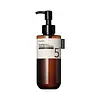 Key Ingredients
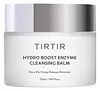
Benefits
Concerns
Ingredients Side-by-side
Cetyl Ethylhexanoate
EmollientSorbeth-30 Tetraoleate
Emulsifying

Glycerin
Humectant


Triethylhexanoin
MaskingPolyglyceryl-10 Diisostearate
Emulsifying
Dipropylene Glycol
HumectantDiisostearyl Malate
EmollientCaprylic/Capric Triglyceride
Masking
Helianthus Annuus Seed Oil
Emollient
Glyceryl Behenate/Eicosadioate
Emollient
Olea Europaea Fruit Oil
Masking
Simmondsia Chinensis Seed Oil
Emollient
Stearoyl Inulin
EmollientLavandula Angustifolia Oil
Masking


Citrus Limon Peel Oil
Masking

Hippophae Rhamnoides Fruit Oil
Skin Protecting
Polyglyceryl-10 Behenate/Eicosadioate
EmulsifyingCitrus Nobilis Peel Oil
Masking
Cedrus Atlantica Wood Oil
Perfuming
Caprylyl Glycol
Emollient
Ethylhexylglycerin
Skin ConditioningCitrus Aurantium Dulcis Peel Oil
Masking
Rosmarinus Officinalis Leaf Oil
Masking
Water
Skin ConditioningCandida Bombicola/Glucose/Methyl Rapeseedate Ferment
AntimicrobialTocopherol
Antioxidant





1,2-Hexanediol
Skin Conditioning
Ascorbic Acid
Antioxidant

Hydroxypropyl Cyclodextrin
MaskingGlutathione
Disodium EDTA
Niacinamide
Smoothing



Pantothenic Acid
Skin ConditioningLinolenic Acid
Cleansing
Biotin
AntiseborrhoeicTocopheryl Acetate
Antioxidant
Cyanocobalamin
Skin ConditioningLimonene
Perfuming
Linalool
Perfuming
Cetyl Ethylhexanoate, Sorbeth-30 Tetraoleate, Glycerin, Triethylhexanoin, Polyglyceryl-10 Diisostearate, Dipropylene Glycol, Diisostearyl Malate, Caprylic/Capric Triglyceride, Helianthus Annuus Seed Oil, Glyceryl Behenate/Eicosadioate, Olea Europaea Fruit Oil, Simmondsia Chinensis Seed Oil, Stearoyl Inulin, Lavandula Angustifolia Oil, Citrus Limon Peel Oil, Hippophae Rhamnoides Fruit Oil, Polyglyceryl-10 Behenate/Eicosadioate, Citrus Nobilis Peel Oil, Cedrus Atlantica Wood Oil, Caprylyl Glycol, Ethylhexylglycerin, Citrus Aurantium Dulcis Peel Oil, Rosmarinus Officinalis Leaf Oil, Water, Candida Bombicola/Glucose/Methyl Rapeseedate Ferment, Tocopherol, 1,2-Hexanediol, Ascorbic Acid, Hydroxypropyl Cyclodextrin, Glutathione, Disodium EDTA, Niacinamide, Pantothenic Acid, Linolenic Acid, Biotin, Tocopheryl Acetate, Cyanocobalamin, Limonene, Linalool
Ethylhexyl Palmitate
Emollient

PEG-20 Glyceryl Triisostearate
Emollient
Cetyl Ethylhexanoate
EmollientPEG-10 Isostearate
Emulsifying
Synthetic Wax
Abrasive
Oryza Sativa Bran Oil
Emollient
Caprylyl Glycol
Emollient
Tocopheryl Acetate
Antioxidant
Camellia Sinensis Seed Oil
Humectant
Camellia Japonica Seed Oil
Emollient
Squalane
Emollient
Simmondsia Chinensis Seed Oil
Emollient
Ethylhexylglycerin
Skin ConditioningWater
Skin ConditioningNiacinamide
Smoothing
Allantoin
Skin Conditioning
Panthenol
Skin Conditioning
Camellia Sinensis Leaf Extract
Antimicrobial
Butylene Glycol
Humectant
Tocopherol
Antioxidant
1,2-Hexanediol
Skin Conditioning
Hamamelis Virginiana Extract
Antiseborrhoeic
Bifida Ferment Filtrate
Skin Conditioning
Bifida Ferment Lysate
Skin Conditioning
Saccharomyces Ferment Filtrate
Humectant
Lactobacillus Ferment Lysate
Skin Conditioning
Lactococcus Ferment Lysate
Skin Conditioning
Glycyrrhiza Glabra Root Extract
Bleaching
Centella Asiatica Extract
Cleansing
Oryza Sativa Extract
Absorbent
Lavandula Angustifolia Extract
Skin Conditioning
Rosmarinus Officinalis Extract
AntimicrobialMonarda Didyma Leaf Extract
Skin ConditioningAnthemis Nobilis Flower Extract
Masking
Jasminum Officinale Extract
Masking
Protease
Exfoliating
Ethylhexyl Palmitate, PEG-20 Glyceryl Triisostearate, Cetyl Ethylhexanoate, PEG-10 Isostearate, Synthetic Wax, Oryza Sativa Bran Oil, Caprylyl Glycol, Tocopheryl Acetate, Camellia Sinensis Seed Oil, Camellia Japonica Seed Oil, Squalane, Simmondsia Chinensis Seed Oil, Ethylhexylglycerin, Water, Niacinamide, Allantoin, Panthenol, Camellia Sinensis Leaf Extract, Butylene Glycol, Tocopherol, 1,2-Hexanediol, Hamamelis Virginiana Extract, Bifida Ferment Filtrate, Bifida Ferment Lysate, Saccharomyces Ferment Filtrate, Lactobacillus Ferment Lysate, Lactococcus Ferment Lysate, Glycyrrhiza Glabra Root Extract, Centella Asiatica Extract, Oryza Sativa Extract, Lavandula Angustifolia Extract, Rosmarinus Officinalis Extract, Monarda Didyma Leaf Extract, Anthemis Nobilis Flower Extract, Jasminum Officinale Extract, Protease
Reviews
Ingredients Explained
These ingredients are found in both products.
Ingredients higher up in an ingredient list are typically present in a larger amount.
1,2-Hexanediol is a synthetic liquid and another multi-functional powerhouse.
It is a:
- Humectant, drawing moisture into the skin
- Emollient, helping to soften skin
- Solvent, dispersing and stabilizing formulas
- Preservative booster, enhancing the antimicrobial activity of other preservatives
Caprylyl Glycol is a humectant, skin conditioner, emollient, and preservative booster derived from either caprylic acid or synthetically created.
Typical use levels vary from 0.3-1% as a preservative booster and go up to 2% to condition skin.
Because it is not a free-fatty acid, this ingredient is fungal acne safe (there's nothing for Malassezia to feed on).
Learn more about Caprylyl GlycolCetyl Ethylhexanoate is an emollient ester. It comes from cetearyl alcohol and 2-ethylhexanoic acid.
Cetyl Ethylhexanoate is an emollient that adds a velvety feel to skin without being greasy or oily. Emollients help trap moisture into your skin, keeping your skin soft and hydrated.
Ethylhexylglycerin is created from glycerin. It is a multitasker ingredient that:
The CIR Expert Panel found minimal skin absorption or sensitization of any kind in a safety assessment. Though this ingredient is considered well-tolerated, a small number of cases of allergic dermatitis have been published since 2002. Just be sure to patch test if you are unsure.
Industry-reported use ranges from 8% in rinse-off products and 2% in leave-on formulations.
Learn more about EthylhexylglycerinNiacinamide is a multitasking form of vitamin B3 that strengthens the skin barrier, reduces pores and dark spots, regulates oil, and improves signs of aging.
And the best part? It's gentle and well-tolerated by most skin types, including sensitive and reactive skin.
You might have heard of "niacin flush", or the reddening of skin that causes itchiness. Niacinamide has not been found to cause this.
In very rare cases, some individuals may not be able to tolerate niacinamide at all or experience an allergic reaction to it.
If you are experiencing flaking, irritation, and dryness with this ingredient, be sure to double check all your products as this ingredient can be found in all categories of skincare.
When incorporating niacinamide into your routine, look out for concentration amounts. Typically, 5% niacinamide provides benefits such as fading dark spots. However, if you have sensitive skin, it is better to begin with a smaller concentration.
When you apply niacinamide to your skin, your body converts it into nicotinamide adenine dinucleotide (NAD). NAD is an essential coenzyme that is already found in your cells as "fuel" and powers countless biological processes.
In your skin, NAD helps repair cell damage, produce new healthy cells, support collagen production, strengthen the skin barrier, and fight environmental stressors (like UV and pollution).
Our natural NAD levels start to decline with age, leading to slower skin repair, visible aging, and a weaker skin barrier. By providing your skin niacinamide, you're recharging your skin's NAD levels. This leads to stronger, healthier, and younger looking skin.
Another name for vitamin B3 is nicotinamide. This vitamin is water-soluble and our bodies don't store it. We obtain Vitamin B3 from either food or skincare. Meat, fish, wheat, yeast, and leafy greens contain vitamin B3.
The type of niacinamide used in skincare is synthetically created.
Learn more about NiacinamideJojoba oil is one of the most well-studied plant-derived ingredients in cosmetics. It is an emollient with a special structure.
Because it is made up of 97-98% wax esters, it closely mirrors the linear monoesters found in human sebum. This makes it skin compatible, non-greasy, and lightweight.
Unlike other plant oils, jojoba wax doesn't easily penetrate skin. It mostly works in the uppermost layers as an emollient. This just means it forms a light barrier on the skin to help retain moisture.
Formulations with jojoba esters up to 90% reduced transepidermal water loss (TEWL) and increased barrier recovery by 81% (outperforming bisabolol at 47%).
Besides barrier support, the science also suggests jojoba to have anti-inflammatory effects and potential applications for skin infections, aging, and wound healing.
Fun fact: Indigenous cultures have used jojoba as a moisturizer and to help treat burns for centuries.
Fungal acne: The Malassezia yeast is known to metabolize fatty acids in the C11-24 range and jojoba's dominant fatty acid components fall into this range. This ingredient may not be fungal acne safe.
Learn more about Simmondsia Chinensis Seed OilTocopherol is a fat-soluble antioxidant known as Vitamin E.
You'll find this ingredient in the vast majority of skincare (for good reason). It works to neutralize free radicals, or unstable molecules generated by UV exposure, pollution, and other environmental stressors, before they can cause oxidative damage to your skin cells.
Topically applied tocopherol has been shown to protect against UV damage by ramping up the skin's own natural defense enzymes.
It also acts as a skin conditioning agent; some studies show that regular topical use can improve the skin's water-binding capacity over 2-4 weeks.
This ingredient is especially loved for being a team player. When combined with Vitamin C, the photoprotective effect of both ingredients roughly doubles and the combo also helps reduce UV-induced DNA damage.
This ingredient has some brightening potential but it's more of a prevention ingredient than spot-fader. Cell studies show it can slow down melanin production but it's worth noting that it's not the most powerful brightener out there.
In formulations, it also serves as a stabilizer that helps protect other oxidation-prone ingredients from degrading.
Concentrations usually range from 0.1-1% in most leave-on products.
Learn more about TocopherolTocopheryl Acetate is a stable, shelf-friendly form of vitamin E.
Formulators love it because plain vitamin E oxidizes quickly once it hits air. This acetate version stays stable and resists going off, helping to extend a product's shelf life.
It's actually inactive on its own and works like a slow-release "storage" form; the enzymes in your skin called esterases gradually convert it into active vitamin E over time.
One in vivo study showed 5% of the acetate in the living layer of the epidermis converted to vitamin E after 5 days of application. This study also found the skin gained protection against UV damage even though the conversion was slow and small.
Once converted, vitamin E acts as a skin's main fat-soluble antioxidant that fights free radicals to protect skin from damage.
Topical vitamin E generally boosts the skin's photoprotection, and it reduced UV-damage in animal models.
This ingredient has some brightening potential but it's more of a prevention ingredient than spot-fader. Cell studies show it can slow down melanin production but it's worth noting that it's not the most powerful brightener out there.
Overall, it has a pretty solid safety profile and has been found to be non-irritating and non-comedogenic. Allergic reactions may happen but stay rare due to how widely the ingredient gets used.
The concentration will vary depending on the formula; industry data shows 0.1% in baby lotions, 3% in lipsticks, and 5% in foot powders. You can also find this ingredient at 100% in a pure vitamin E oil.
Most leave-on skincare keeps it at the lower end, often between 0.5-1%.
Learn more about Tocopheryl AcetateWater. It's the most common cosmetic ingredient of all. You'll usually see it at the top of ingredient lists, meaning that it makes up the largest part of the product.
So why is it so popular? Water most often acts as a solvent - this means that it helps dissolve other ingredients into the formulation.
You'll also recognize water as that liquid we all need to stay alive. If you see this, drink a glass of water. Remember to stay hydrated!
Learn more about Water

