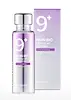
This anti-aging essence is formulated around Niacinamide and Adenosine to soften the look of wrinkles and refine skin texture.
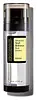
This brightening essence is formulated around Snail Secretion Filtrate and Niacinamide to brighten dull-looking skin and strengthen the skin barrier.

What's inside
What's inside
 Key Ingredients
Benefits
Concerns
Ingredients Side-by-side
Water
Skin ConditioningGlycerin
Humectant


Hydrogenated Poly(C6-14 Olefin)
EmollientPolyglycerin-3
Humectant
Butylene Glycol
Humectant
Pentaerythrityl Tetraethylhexanoate
Emollient
Propanediol
Solvent
Dimethicone
Emollient
1,2-Hexanediol
Skin Conditioning
Niacinamide
Smoothing









Methylpropanediol
SolventHydrogenated Vegetable Oil
Emollient




Butyrospermum Parkii Butter
Skin Conditioning
Sodium Hyaluronate
Humectant
Saccharomyces/Copper Ferment
Skin Conditioning
Saccharomyces/Iron Ferment
Skin Conditioning
Saccharomyces/Magnesium Ferment
Saccharomyces/Silicon Ferment
Skin Conditioning
Saccharomyces/Zinc Ferment
Skin Conditioning
Leuconostoc/Radish Root Ferment Filtrate
Antimicrobial
Tremella Fuciformis Extract
Humectant
Haematococcus Pluvialis Oil
Antioxidant
Heptasodium Hexacarboxymethyl Dipeptide-12
Skin Conditioning
Trifolium Pratense Flower Extract
AstringentGlyceryl Stearate
Emollient
Polyglyceryl-3 Methylglucose Distearate
Emulsifying
Dimethicone Crosspolymer
Emulsion Stabilising
Ammonium Acryloyldimethyltaurate/Vp Copolymer
Sodium Polyacrylate
Absorbent
Hydrogenated Lecithin
Emulsifying
Pentylene Glycol
Skin Conditioning
Tromethamine
BufferingEthylhexylglycerin
Skin ConditioningAdenosine
Skin Conditioning
Palmitic Acid
Emollient
Stearic Acid
Cleansing
Sodium Phytate
ChelatingCholesterol
Emollient
Nicotinamide Mononucleotide
Antioxidant
Adenosine Triphosphate
Skin ConditioningHydroxypropyl Cyclodextrin
MaskingNicotinamide Adenine Dinucleotide
Skin ConditioningBeta-Glucan
Skin Conditioning
Tocopherol
Antioxidant
Palmitoyl Tripeptide-5
Skin Conditioning
Copper Gluconate
Skin Conditioning
Resveratrol
Antioxidant
Capryloyl Dipeptide-17
Emollient
Thioctic Acid
Antioxidant
Glutathione
Potassium Hydroxide
BufferingHesperidin Methyl Chalcone
Antioxidant
Sorbitan Laurate
Emulsifying
Steareth-20
CleansingAstaxanthin
Skin Conditioning
Sodium Lactate
Buffering
Hydroxyethylcellulose
Emulsion StabilisingAcetyl Dipeptide-1 Cetyl Ester
Skin Conditioning
Dipeptide Diaminobutyroyl Benzylamide Diacetate
Skin Conditioning
Panthenol
Skin Conditioning
Polysorbate 20
Emulsifying
Sodium Citrate
BufferingDextran
Hexapeptide-2
Bleaching
Magnesium Chloride
Tetradecyl Aminobutyroylvalylaminobutyric Urea Trifluoroacetate
Skin ConditioningAcetyl Tetrapeptide-5
Humectant
Dipeptide-2
Skin Conditioning
Acetyl Hexapeptide-8
Humectant
Palmitoyl Dipeptide-5 Diaminobutyroyl Hydroxythreonine
Skin Conditioning
Citric Acid
Buffering
Biotin
AntiseborrhoeicPalmitoyl Tetrapeptide-7
Skin Conditioning
Biotinoyl Tripeptide-1
Acetyl Tetrapeptide-3
Skin Protecting
Tocopheryl Acetate
Antioxidant
Palmitoyl Tripeptide-8
Skin Conditioning
Dipeptide-4
Skin Conditioning
Hexapeptide-11
Skin Conditioning
Pentapeptide-18
Skin Conditioning
Tripeptide-3
Skin Conditioning
Sh-Decapeptide-7
Antioxidant
Sh-Octapeptide-4
Antioxidant
Palmitoyl Tripeptide-1
Skin Conditioning
Ascorbic Acid Polypeptide
Antioxidant
Hexapeptide-9
Skin Conditioning
Oligopeptide-3
Skin Conditioning
Palmitoyl Hexapeptide-12
Skin Conditioning
Tripeptide-1
Skin Conditioning
Palmitoyl Pentapeptide-4
Skin Conditioning
Ubiquinone
Antioxidant
Copper Tripeptide-1
Skin Conditioning
Caffeoyl Tripeptide-1
Antioxidant
Caffeoyl Sh-Octapeptide-4
Antioxidant
Galloyl Pentapeptide-33
Antioxidant
Kojyl Carboxy Dipeptide-23
Antioxidant
Nicotinoyl Tripeptide-1
Antioxidant
Octapeptide-7
Skin Protecting
Oligopeptide-1
Skin Conditioning
Sh-Decapeptide-9
Skin Conditioning
Sh-Oligopeptide-9
Humectant
Sh-Pentapeptide-19
Skin Conditioning
Asparagine
MaskingGlutamine
Skin ConditioningTryptophan
MaskingOligopeptide-2
Skin Conditioning
Sh-Oligopeptide-1
Skin Conditioning
Sh-Oligopeptide-2
Skin Conditioning
Sh-Polypeptide-1
Skin Conditioning
Sh-Polypeptide-22
Skin Conditioning
Sh-Polypeptide-3
Skin Conditioning
Acetyl Octapeptide-3
Humectant
Acetyl Tetrapeptide-2
Skin Conditioning
Acetyl Tetrapeptide-9
Skin Conditioning
Carnosine
Skin Conditioning
Nonapeptide-1
Skin Conditioning
Cetearyl Alcohol
Emollient

Carbomer
Emulsion StabilisingXanthan Gum
EmulsifyingChlorhexidine Digluconate
Antimicrobial
Potassium Sorbate
Preservative
Water, Glycerin, Hydrogenated Poly(C6-14 Olefin), Polyglycerin-3, Butylene Glycol, Pentaerythrityl Tetraethylhexanoate, Propanediol, Dimethicone, 1,2-Hexanediol, Niacinamide, Methylpropanediol, Hydrogenated Vegetable Oil, Butyrospermum Parkii Butter, Sodium Hyaluronate, Saccharomyces/Copper Ferment, Saccharomyces/Iron Ferment, Saccharomyces/Magnesium Ferment, Saccharomyces/Silicon Ferment, Saccharomyces/Zinc Ferment, Leuconostoc/Radish Root Ferment Filtrate, Tremella Fuciformis Extract, Haematococcus Pluvialis Oil, Heptasodium Hexacarboxymethyl Dipeptide-12, Trifolium Pratense Flower Extract, Glyceryl Stearate, Polyglyceryl-3 Methylglucose Distearate, Dimethicone Crosspolymer, Ammonium Acryloyldimethyltaurate/Vp Copolymer, Sodium Polyacrylate, Hydrogenated Lecithin, Pentylene Glycol, Tromethamine, Ethylhexylglycerin, Adenosine, Palmitic Acid, Stearic Acid, Sodium Phytate, Cholesterol, Nicotinamide Mononucleotide, Adenosine Triphosphate, Hydroxypropyl Cyclodextrin, Nicotinamide Adenine Dinucleotide, Beta-Glucan, Tocopherol, Palmitoyl Tripeptide-5, Copper Gluconate, Resveratrol, Capryloyl Dipeptide-17, Thioctic Acid, Glutathione, Potassium Hydroxide, Hesperidin Methyl Chalcone, Sorbitan Laurate, Steareth-20, Astaxanthin, Sodium Lactate, Hydroxyethylcellulose, Acetyl Dipeptide-1 Cetyl Ester, Dipeptide Diaminobutyroyl Benzylamide Diacetate, Panthenol, Polysorbate 20, Sodium Citrate, Dextran, Hexapeptide-2, Magnesium Chloride, Tetradecyl Aminobutyroylvalylaminobutyric Urea Trifluoroacetate, Acetyl Tetrapeptide-5, Dipeptide-2, Acetyl Hexapeptide-8, Palmitoyl Dipeptide-5 Diaminobutyroyl Hydroxythreonine, Citric Acid, Biotin, Palmitoyl Tetrapeptide-7, Biotinoyl Tripeptide-1, Acetyl Tetrapeptide-3, Tocopheryl Acetate, Palmitoyl Tripeptide-8, Dipeptide-4, Hexapeptide-11, Pentapeptide-18, Tripeptide-3, Sh-Decapeptide-7, Sh-Octapeptide-4, Palmitoyl Tripeptide-1, Ascorbic Acid Polypeptide, Hexapeptide-9, Oligopeptide-3, Palmitoyl Hexapeptide-12, Tripeptide-1, Palmitoyl Pentapeptide-4, Ubiquinone, Copper Tripeptide-1, Caffeoyl Tripeptide-1, Caffeoyl Sh-Octapeptide-4, Galloyl Pentapeptide-33, Kojyl Carboxy Dipeptide-23, Nicotinoyl Tripeptide-1, Octapeptide-7, Oligopeptide-1, Sh-Decapeptide-9, Sh-Oligopeptide-9, Sh-Pentapeptide-19, Asparagine, Glutamine, Tryptophan, Oligopeptide-2, Sh-Oligopeptide-1, Sh-Oligopeptide-2, Sh-Polypeptide-1, Sh-Polypeptide-22, Sh-Polypeptide-3, Acetyl Octapeptide-3, Acetyl Tetrapeptide-2, Acetyl Tetrapeptide-9, Carnosine, Nonapeptide-1, Cetearyl Alcohol, Carbomer, Xanthan Gum, Chlorhexidine Digluconate, Potassium Sorbate
Snail Secretion Filtrate
Skin Conditioning
Butylene Glycol
Humectant
Niacinamide
Smoothing
1,2-Hexanediol
Skin Conditioning
Betaine
Humectant
Panthenol
Skin Conditioning
Water
Skin ConditioningGlycerin
Humectant
Limnanthes Alba Seed Oil
Skin Conditioning
Helianthus Annuus Seed Oil
Emollient
Allantoin
Skin Conditioning
Carbomer
Emulsion StabilisingMacadamia Ternifolia Seed Oil
Emollient
Sodium Polyacrylate
Absorbent
Sodium Hyaluronate
Humectant
Inulin Lauryl Carbamate
Emulsion StabilisingArginine
Masking
Argania Spinosa Kernel Oil
Emollient
Xanthan Gum
EmulsifyingSodium Surfactin
CleansingEthylhexylglycerin
Skin ConditioningGlutathione
Snail Secretion Filtrate, Butylene Glycol, Niacinamide, 1,2-Hexanediol, Betaine, Panthenol, Water, Glycerin, Limnanthes Alba Seed Oil, Helianthus Annuus Seed Oil, Allantoin, Carbomer, Macadamia Ternifolia Seed Oil, Sodium Polyacrylate, Sodium Hyaluronate, Inulin Lauryl Carbamate, Arginine, Argania Spinosa Kernel Oil, Xanthan Gum, Sodium Surfactin, Ethylhexylglycerin, Glutathione
Reviews
Ingredients Explained
These ingredients are found in both products.
Ingredients higher up in an ingredient list are typically present in a larger amount.
1,2-Hexanediol is a synthetic liquid and another multi-functional powerhouse.
It is a:
- Humectant, drawing moisture into the skin
- Emollient, helping to soften skin
- Solvent, dispersing and stabilizing formulas
- Preservative booster, enhancing the antimicrobial activity of other preservatives
Butylene Glycol (or BG) is used within cosmetic products for a few different reasons:
Overall, Butylene Glycol is a safe and well-rounded ingredient that works well with other ingredients.
Though this ingredient works well with most skin types, some people with sensitive skin may experience a reaction such as allergic rashes, closed comedones, or itchiness.
Learn more about Butylene GlycolCarbomer is a synthetic thickening and gelling agent. It's basically the ingredient that gives a lot of serums, gels, creams, and sunscreens their smooth, non-sticky texture.
Although legally permitted at very high levels, carbomers are normally used at concentrations below 1%.
It also needs to be neutralized to actually thicken, and because it is a large molecule, it doesn't really penetrate the skin barrier.
Allergy-wise, the risk is very low. Clinical studies show carbomers have low potential for skin irritation/sensitization even at concentrations up to 100%.
A 2024 UK study patch-tested 1,302 patients and found true allergy to the parent group of carbomer to be rare with no confirmed relevant reactions.
Learn more about CarbomerEthylhexylglycerin is created from glycerin. It is a multitasker ingredient that:
The CIR Expert Panel found minimal skin absorption or sensitization of any kind in a safety assessment. Though this ingredient is considered well-tolerated, a small number of cases of allergic dermatitis have been published since 2002. Just be sure to patch test if you are unsure.
Industry-reported use ranges from 8% in rinse-off products and 2% in leave-on formulations.
Learn more about EthylhexylglycerinGlutathione is a tiny protein-like molecule (a "tripeptide" build from 3 amino acids: glycine, cysteine, and glutamic acid) that your body already makes on its own.
Inside your body, it acts as one of the skin's main antioxidants that help fight against free radicals.
In skincare, it's best known as a brightening ingredient that slows down tyrosinase, the key enzyme that makes skin pigment. It also nudges the skin toward making a lighter type of pigment instead of a darker one.
This is why you'll see it in products aimed at dark spots and uneven tone.
A small number of real human trials have found a topical glutathione lotion:
The honest caveat is that the current evidence is still thin (few studies, small groups, short timelines). Glutathione also doesn't absorb into skin very easily so results tend to be modest and fade if you stop using it.
One thing worth clearing up:
The scary side effects you may have heard about come from glutathione injected intravenously, which has real safety concerns. Applying it topically is a completely different thing and has a clean track record.
Most human studies used it around 2% (as Glutathione or Glutathione Disulfide) and a 2% oxidized glutathione lotion and a 2% S-acyl glutathione cream are the concentrations with actual clinical data behind them.
There's no established "ideal" percentage yet but 1-2% is the evidence-backed range.
Allergy-wise, there is very low risk for this ingredient; it was well-tolerated across the topical trials. Only one participant had mild temporary redness that cleared up on its own and another study reported no adverse reactions at all.
One trial had ~10% of users drop out for irritation was using a combination cream that also had 10% azelaic acid so the irritation likely wasn't from the glutathione. There's no notable contact-allergy signal for topical glutathione in the literature but patch-testing before first use is still sensible for those with sensitive skin.
Learn more about GlutathioneGlycerin (or glycerol) is a compound naturally found in your skin. It's a powerhouse humectant that pulls water into the stratum corneum.
Topically, glycerin does several things at once:
Your skin makes glycerin on its own (mostly from sebaceous oil breakdown) and shuttles it to your outermost layer of skin, or your epidermis, via aquaporin-3.
Aquaporin-3 is a transporter that is essential for normal skin hydration, elasticity, and repair. Interestingly, mice lacking in AQP3 have dry and less elastic skin that can be fully corrected with glycerin.
This ingredient is non-irritating, plays well with almost every ingredient, and works across all skin types. Typical use is anywhere between 3-10% but can go up to 79% in some leave-on products.
Just know very high concentrations (>40%) can feel tacky in low humidity.
Glycerin is the name for this ingredient in American English. British English uses Glycerol/Glycerine.
Learn more about GlycerinNiacinamide is a multitasking form of vitamin B3 that strengthens the skin barrier, reduces pores and dark spots, regulates oil, and improves signs of aging.
And the best part? It's gentle and well-tolerated by most skin types, including sensitive and reactive skin.
You might have heard of "niacin flush", or the reddening of skin that causes itchiness. Niacinamide has not been found to cause this.
In very rare cases, some individuals may not be able to tolerate niacinamide at all or experience an allergic reaction to it.
If you are experiencing flaking, irritation, and dryness with this ingredient, be sure to double check all your products as this ingredient can be found in all categories of skincare.
When incorporating niacinamide into your routine, look out for concentration amounts. Typically, 5% niacinamide provides benefits such as fading dark spots. However, if you have sensitive skin, it is better to begin with a smaller concentration.
When you apply niacinamide to your skin, your body converts it into nicotinamide adenine dinucleotide (NAD). NAD is an essential coenzyme that is already found in your cells as "fuel" and powers countless biological processes.
In your skin, NAD helps repair cell damage, produce new healthy cells, support collagen production, strengthen the skin barrier, and fight environmental stressors (like UV and pollution).
Our natural NAD levels start to decline with age, leading to slower skin repair, visible aging, and a weaker skin barrier. By providing your skin niacinamide, you're recharging your skin's NAD levels. This leads to stronger, healthier, and younger looking skin.
Another name for vitamin B3 is nicotinamide. This vitamin is water-soluble and our bodies don't store it. We obtain Vitamin B3 from either food or skincare. Meat, fish, wheat, yeast, and leafy greens contain vitamin B3.
The type of niacinamide used in skincare is synthetically created.
Learn more about NiacinamidePanthenol is a common ingredient that helps hydrate and soothe the skin. It is found naturally in our skin and hair.
There are two forms of panthenol: D and L.
D-panthenol is also known as dexpanthenol. Most cosmetics use dexpanthenol or a mixture of D and L-panthenol.
Panthenol is famous due to its ability to go deeper into the skin's layers. Using this ingredient has numerous pros (and no cons):
Like hyaluronic acid, panthenol is a humectant. Humectants are able to bind and hold large amounts of water to keep skin hydrated.
This ingredient works well for wound healing. It works by increasing tissue in the wound and helps close open wounds.
Once oxidized, panthenol converts to pantothenic acid. Panthothenic acid is found in all living cells.
This ingredient is also referred to as pro-vitamin B5.
Learn more about PanthenolSodium Hyaluronate is the salt form of hyaluronic acid. It is a long sugar chain that is naturally found in your skin, joints, and connective tissue that maintains hydration and elasticity.
In skincare, it works as a humectant. It pulls water from the environment and deeper layers of skin and binds it to the surface.
Interestingly, the size of the molecule affects its behavior:
Some clinical evidence links low molecular weight versions to improved wrinkle depth, elasticity, anti-inflammatory effects, and barrier repair.
Many serums use a blend of both weights so you can get surface hydration plus longer-lasting and deeper effects.
You'll typically see concentrations between 0.1-2% for this ingredient.
Learn more about Sodium HyaluronateSodium Polyacrylate is the sodium salt of polyacrylic acid. It is used as an absorber, emollient, and stabilizer.
This ingredient is a super-absorbent polymer - meaning it can absorb 100 to 1000 times its mass in water. As an emollient, Sodium Polyacrylate helps soften and soothe skin. Emollients work by creating a barrier to trap moisture in. This helps keep your skin hydrated.
Water. It's the most common cosmetic ingredient of all. You'll usually see it at the top of ingredient lists, meaning that it makes up the largest part of the product.
So why is it so popular? Water most often acts as a solvent - this means that it helps dissolve other ingredients into the formulation.
You'll also recognize water as that liquid we all need to stay alive. If you see this, drink a glass of water. Remember to stay hydrated!
Learn more about WaterXanthan gum is used as a stabilizer and thickener within cosmetic products. It helps give products a sticky, thick feeling - preventing them from being too runny.
On the technical side of things, xanthan gum is a polysaccharide - a combination consisting of multiple sugar molecules bonded together.
Xanthan gum is a pretty common and great ingredient. It is a natural, non-toxic, non-irritating ingredient that is also commonly used in food products.
Learn more about Xanthan Gum

