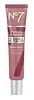
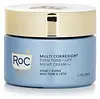
No7 Restore & Renew Multi Action Face & Neck Serum Versus RoC Multi Correxion Even Tone + Lift Night Cream
This anti-aging serum is formulated around Gluconolactone and 3-O-Ethyl Ascorbic Acid to soften the look of wrinkles and strengthen the skin barrier.
This brightening night moisturizer is formulated around Niacinamide and Hexylresorcinol to fade the look of dark spots and refine skin texture.


What's inside
What's inside
 Key Ingredients
Benefits
Concerns
Ingredients Side-by-side
Water
Skin ConditioningDimethicone
Emollient

Glycerin
Humectant

Butylene Glycol
Humectant
Aluminum Starch Octenylsuccinate
Absorbent
Isononyl Isononanoate
EmollientGluconolactone
Chelating





Dimethicone Crosspolymer
Emulsion Stabilising
Cetearyl Alcohol
Emollient






Ammonium Acryloyldimethyltaurate/Vp Copolymer
Phenoxyethanol
Preservative
3-O-Ethyl Ascorbic Acid
Skin Conditioning

Pentylene Glycol
Skin Conditioning
Polysorbate 20
Emulsifying
Potassium Hydroxide
BufferingXanthan Gum
EmulsifyingDimethiconol
Emollient
Hibiscus Abelmoschus Extract
MaskingParfum
Masking


Sodium Hyaluronate
Humectant
Retinyl Palmitate
Skin Conditioning

Caprylyl Glycol
Emollient
Propylene Glycol
Humectant
Sorbitan Laurate
Emulsifying
Tocopheryl Acetate
Antioxidant

Hydrolyzed Rice Protein
Skin ConditioningEthylhexylglycerin
Skin ConditioningCarbomer
Emulsion StabilisingSodium Lauroyl Lactylate
Emulsifying3-Aminopropane Sulfonic Acid
SurfactantCalcium Hydroxymethionine
Skin ConditioningPhyllanthus Emblica Fruit Extract
HumectantDipropylene Glycol
HumectantHydroxyethylcellulose
Emulsion StabilisingTetrasodium EDTA
ChelatingT-Butyl Alcohol
Perfuming

Panax Ginseng Root Extract
Emollient
Sophora Angustifolia Root Extract
Skin ConditioningHydroxypropyl Cyclodextrin
MaskingAcetyl Dipeptide-1 Cetyl Ester
Skin Conditioning
Ceramide NP
Skin Conditioning
Morus Alba Leaf Extract
Skin ConditioningSodium Benzoate
Masking
Ceramide AP
Skin Conditioning
Phytosphingosine
Skin Conditioning
Cholesterol
Emollient
Tocopherol
Antioxidant
Palmitoyl Tripeptide-1
Skin Conditioning
Palmitoyl Tetrapeptide-7
Skin Conditioning
Ceramide EOP
Skin Conditioning
Water, Dimethicone, Glycerin, Butylene Glycol, Aluminum Starch Octenylsuccinate, Isononyl Isononanoate, Gluconolactone, Dimethicone Crosspolymer, Cetearyl Alcohol, Ammonium Acryloyldimethyltaurate/Vp Copolymer, Phenoxyethanol, 3-O-Ethyl Ascorbic Acid, Pentylene Glycol, Polysorbate 20, Potassium Hydroxide, Xanthan Gum, Dimethiconol, Hibiscus Abelmoschus Extract, Parfum, Sodium Hyaluronate, Retinyl Palmitate, Caprylyl Glycol, Propylene Glycol, Sorbitan Laurate, Tocopheryl Acetate, Hydrolyzed Rice Protein, Ethylhexylglycerin, Carbomer, Sodium Lauroyl Lactylate, 3-Aminopropane Sulfonic Acid, Calcium Hydroxymethionine, Phyllanthus Emblica Fruit Extract, Dipropylene Glycol, Hydroxyethylcellulose, Tetrasodium EDTA, T-Butyl Alcohol, Panax Ginseng Root Extract, Sophora Angustifolia Root Extract, Hydroxypropyl Cyclodextrin, Acetyl Dipeptide-1 Cetyl Ester, Ceramide NP, Morus Alba Leaf Extract, Sodium Benzoate, Ceramide AP, Phytosphingosine, Cholesterol, Tocopherol, Palmitoyl Tripeptide-1, Palmitoyl Tetrapeptide-7, Ceramide EOP
Water
Skin ConditioningNiacinamide
Smoothing
Glycerin
Humectant
Dimethicone
Emollient
Steareth-2
EmulsifyingEthylhexyl Palmitate
Emollient
Isononyl Isononanoate
EmollientPropylene Glycol
Humectant
Butyrospermum Parkii Butter
Skin Conditioning
Propanediol
Solvent
Methyl Methacrylate Crosspolymer
Behenyl Alcohol
Emollient
Steareth-21
CleansingHexylresorcinol
Antimicrobial
Ascorbyl Glucoside
Antioxidant
Sclerotium Gum
Emulsion StabilisingXylitol
Humectant
Xylitylglucoside
Humectant
Ammonium Acryloyldimethyltaurate/Vp Copolymer
Anhydroxylitol
Humectant
Dimethicone Crosspolymer
Emulsion Stabilising
Caprylhydroxamic Acid
ChelatingDisodium EDTA
Chelating1,2-Hexanediol
Skin Conditioning
Sodium Hydroxide
BufferingParfum
Masking
Water, Niacinamide, Glycerin, Dimethicone, Steareth-2, Ethylhexyl Palmitate, Isononyl Isononanoate, Propylene Glycol, Butyrospermum Parkii Butter, Propanediol, Methyl Methacrylate Crosspolymer, Behenyl Alcohol, Steareth-21, Hexylresorcinol, Ascorbyl Glucoside, Sclerotium Gum, Xylitol, Xylitylglucoside, Ammonium Acryloyldimethyltaurate/Vp Copolymer, Anhydroxylitol, Dimethicone Crosspolymer, Caprylhydroxamic Acid, Disodium EDTA, 1,2-Hexanediol, Sodium Hydroxide, Parfum
Ingredients Explained
These ingredients are found in both products.
Ingredients higher up in an ingredient list are typically present in a larger amount.
Ammonium Acryloyldimethyltaurate/Vp Copolymer is a synthetically created polymer. It's used as a film-forming agent and used to thicken the consistency of products.
Think of it as a supportive ingredient that helps your gel-creams feel silky, "cloud cream-like", and spread evenly without being greasy.
The Cosmetic Ingredient Review (CIR) Expert Panel evaluated it (along with 22 other acryloyldimethyltaurate polymers) and concluded it's:
Due to its large molecular size, it sits on the surface of skin rather than penetrating it.
Learn more about Ammonium Acryloyldimethyltaurate/Vp CopolymerDimethicone is a type of synthetic silicone created from natural materials such as quartz. It is also known as polydimethylsiloxane.
What it does:
Dimethicone comes in different viscosities:
Depending on the viscosity, dimethicone has different properties.
Ingredients lists don't always show which type is used, so we recommend reaching out to the brand if you have questions about the viscosity.
This ingredient is unlikely to cause irritation because it does not get absorbed into skin. However, people with silicone allergies should be careful about using this ingredient.
Note: Dimethicone may contribute to pilling. This is because it is not oil or water soluble, so pilling may occur when layered with products. When mixed with heavy oils in a formula, the outcome is also quite greasy.
Learn more about DimethiconeDimethicone Crosspolymer is a silicone created by modifying dimethicone with hydrocarbon side chains. Due to its large size, it does not penetrate skin. It is considered non-occlusive.
Dimethicone Crosspolymer is used to stabilize and thicken products. It also helps give products a silky feel.
Glycerin (or glycerol) is a compound naturally found in your skin. It's a powerhouse humectant that pulls water into the stratum corneum.
Topically, glycerin does several things at once:
Your skin makes glycerin on its own (mostly from sebaceous oil breakdown) and shuttles it to your outermost layer of skin, or your epidermis, via aquaporin-3.
Aquaporin-3 is a transporter that is essential for normal skin hydration, elasticity, and repair. Interestingly, mice lacking in AQP3 have dry and less elastic skin that can be fully corrected with glycerin.
This ingredient is non-irritating, plays well with almost every ingredient, and works across all skin types. Typical use is anywhere between 3-10% but can go up to 79% in some leave-on products.
Just know very high concentrations (>40%) can feel tacky in low humidity.
Glycerin is the name for this ingredient in American English. British English uses Glycerol/Glycerine.
Learn more about GlycerinIsononyl Isononanoate is a synthetic skin-conditioner and texture enhancer. It is created from nonanoic acid, a fatty acid found in cocoa and lavender oil.
As an emollient, Isononyl Isononanoate helps keep your skin soft and smooth. This is because emollients create a barrier on the skin to trap moisture in.
Isononyl Isononanoate helps give products a velvet feel and improves spreadability.
Learn more about Isononyl IsononanoateParfum is a catch-all term for an ingredient or more that is used to give a scent to products.
Also called "fragrance", this ingredient can be a blend of hundreds of chemicals or plant oils. This means every product with "fragrance" or "parfum" in the ingredients list is a different mixture.
For instance, Habanolide is a proprietary trade name for a specific aroma chemical. When used as a fragrance ingredient in cosmetics, most aroma chemicals fall under the broad labeling category of “FRAGRANCE” or “PARFUM” according to EU and US regulations.
The term 'parfum' or 'fragrance' is not regulated in many countries. In many cases, it is up to the brand to define this term.
For instance, many brands choose to label themselves as "fragrance-free" because they are not using synthetic fragrances. However, their products may still contain ingredients such as essential oils that are considered a fragrance by INCI standards.
One example is Calendula flower extract. Calendula is an essential oil that still imparts a scent or 'fragrance'.
Depending on the blend, the ingredients in the mixture can cause allergies and sensitivities on the skin. Some ingredients that are known EU allergens include linalool and citronellol.
Parfum can also be used to mask or cover an unpleasant scent.
The bottom line is: not all fragrances/parfum/ingredients are created equally. If you are worried about fragrances, we recommend taking a closer look at an ingredient. And of course, we always recommend speaking with a professional.
Learn more about ParfumPropylene Glycol is a synthetic, colorless, odorless liquid that has been a staple in cosmetics for decades. It is a skin conditioning agent, humectant, and solvent.
As a humectant, it draw water to the skin to reduce flaking and restore suppleness. It's also a solvent that helps dissolve other actives and keeps formulas stable across temperature changes.
The CIR Expert Panel has confirmed this ingredient to be nontoxic and clinical studies show no sensitization at cosmetic use concentrations.
True allergic reactions are quite rare: a 15-year retrospective study of 6,751 patients found only 0.31% had a positive reaction (and less than half were considered clinically relevant).
It seemed that when sensitization does occur, it's most commonly linked to topical medication (like corticosteroids) and not cosmetics. Allergic contact dermatitis also appears largely limited to individuals with underlying skin conditions.
Overall, propylene glycol is a well-studied ingredient that most people can tolerate without issue.
Learn more about Propylene GlycolWater. It's the most common cosmetic ingredient of all. You'll usually see it at the top of ingredient lists, meaning that it makes up the largest part of the product.
So why is it so popular? Water most often acts as a solvent - this means that it helps dissolve other ingredients into the formulation.
You'll also recognize water as that liquid we all need to stay alive. If you see this, drink a glass of water. Remember to stay hydrated!
Learn more about Water

