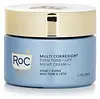
This brightening night moisturizer is formulated around Niacinamide and Hexylresorcinol to fade the look of dark spots and refine skin texture.
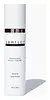
This anti-aging moisturizer is formulated around Ceramide NP and Palmitoyl Tripeptide-5 to soften the look of wrinkles and strengthen the skin barrier.


What's inside
What's inside
 Key Ingredients
Benefits
Concerns
Ingredients Side-by-side
Water
Skin ConditioningNiacinamide
Smoothing











Glycerin
Humectant
Dimethicone
Emollient
Steareth-2
EmulsifyingEthylhexyl Palmitate
Emollient




Isononyl Isononanoate
EmollientPropylene Glycol
Humectant
Butyrospermum Parkii Butter
Skin Conditioning
Propanediol
Solvent
Methyl Methacrylate Crosspolymer
Behenyl Alcohol
Emollient
Steareth-21
CleansingHexylresorcinol
Antimicrobial
Ascorbyl Glucoside
Antioxidant

Sclerotium Gum
Emulsion StabilisingXylitol
Humectant
Xylitylglucoside
Humectant
Ammonium Acryloyldimethyltaurate/Vp Copolymer
Anhydroxylitol
Humectant
Dimethicone Crosspolymer
Emulsion Stabilising
Caprylhydroxamic Acid
ChelatingDisodium EDTA
Chelating1,2-Hexanediol
Skin Conditioning
Sodium Hydroxide
BufferingParfum
Masking


Water, Niacinamide, Glycerin, Dimethicone, Steareth-2, Ethylhexyl Palmitate, Isononyl Isononanoate, Propylene Glycol, Butyrospermum Parkii Butter, Propanediol, Methyl Methacrylate Crosspolymer, Behenyl Alcohol, Steareth-21, Hexylresorcinol, Ascorbyl Glucoside, Sclerotium Gum, Xylitol, Xylitylglucoside, Ammonium Acryloyldimethyltaurate/Vp Copolymer, Anhydroxylitol, Dimethicone Crosspolymer, Caprylhydroxamic Acid, Disodium EDTA, 1,2-Hexanediol, Sodium Hydroxide, Parfum
Water
Skin ConditioningGlycerin
Humectant
Isopropyl Palmitate
Emollient
C12-15 Alkyl Benzoate
AntimicrobialButylene Glycol
Humectant
Dimethicone
Emollient
Isododecane
EmollientCetyl Alcohol
Emollient
Cetearyl Alcohol
Emollient
Butyrospermum Parkii Butter
Skin Conditioning
Pyrus Malus Fruit Extract
Skin Conditioning
PEG-100 Stearate
Surfactant
Glycol Distearate
Emollient
Glyceryl Stearate
Emollient
Triticum Vulgare Germ Oil
Emollient
Prunus Amygdalus Dulcis Oil
Skin Conditioning
Ceramide NP
Skin Conditioning
Ceramide AP
Skin Conditioning
Ceramide EOP
Skin Conditioning
Phytosphingosine
Skin Conditioning
Cholesterol
Emollient
Sodium Lauroyl Lactylate
EmulsifyingXanthan Gum
EmulsifyingPalmitoyl Tripeptide-5
Skin Conditioning
Phenoxyethanol
Preservative
Tocopheryl Acetate
Antioxidant
Pentylene Glycol
Skin Conditioning
Prunus Amygdalus Dulcis Seed Extract
Skin ConditioningAcrylates/C10-30 Alkyl Acrylate Crosspolymer
Emulsion StabilisingDimethicone/Vinyl Dimethicone Crosspolymer
Skin Conditioning
Sodium Polystyrene Sulfonate
Emulsion StabilisingSorghum Bicolor Stalk Juice
Skin ConditioningEthylhexylglycerin
Skin ConditioningSecale Cereale Seed Extract
Abrasive
Allantoin
Skin Conditioning
Sorbitan Laurate
Emulsifying
Trifluoroacetyl Tripeptide-2
Skin Conditioning
Palmitoyl Tripeptide-1
Skin Conditioning
Palmitoyl Tetrapeptide-7
Skin Conditioning
Polysorbate 20
Emulsifying
Sodium Hydroxide
Buffering3-Aminopropane Sulfonic Acid
SurfactantCalcium Hydroxymethionine
Skin ConditioningDisodium EDTA
ChelatingHydroxyethylcellulose
Emulsion StabilisingNelumbo Nucifera Leaf Extract
Skin ConditioningAcetyl Dipeptide-1 Cetyl Ester
Skin Conditioning
Carbomer
Emulsion StabilisingDextran
Water, Glycerin, Isopropyl Palmitate, C12-15 Alkyl Benzoate, Butylene Glycol, Dimethicone, Isododecane, Cetyl Alcohol, Cetearyl Alcohol, Butyrospermum Parkii Butter, Pyrus Malus Fruit Extract, PEG-100 Stearate, Glycol Distearate, Glyceryl Stearate, Triticum Vulgare Germ Oil, Prunus Amygdalus Dulcis Oil, Ceramide NP, Ceramide AP, Ceramide EOP, Phytosphingosine, Cholesterol, Sodium Lauroyl Lactylate, Xanthan Gum, Palmitoyl Tripeptide-5, Phenoxyethanol, Tocopheryl Acetate, Pentylene Glycol, Prunus Amygdalus Dulcis Seed Extract, Acrylates/C10-30 Alkyl Acrylate Crosspolymer, Dimethicone/Vinyl Dimethicone Crosspolymer, Sodium Polystyrene Sulfonate, Sorghum Bicolor Stalk Juice, Ethylhexylglycerin, Secale Cereale Seed Extract, Allantoin, Sorbitan Laurate, Trifluoroacetyl Tripeptide-2, Palmitoyl Tripeptide-1, Palmitoyl Tetrapeptide-7, Polysorbate 20, Sodium Hydroxide, 3-Aminopropane Sulfonic Acid, Calcium Hydroxymethionine, Disodium EDTA, Hydroxyethylcellulose, Nelumbo Nucifera Leaf Extract, Acetyl Dipeptide-1 Cetyl Ester, Carbomer, Dextran
Ingredients Explained
These ingredients are found in both products.
Ingredients higher up in an ingredient list are typically present in a larger amount.
This ingredient is also known as shea butter. It is a plant-derived extract from the nuts of the Africa shea tree and one of the most well-studied emollients.
Because it has a high concentration of fatty acids (primarily oleic, stearic, and linoleic) it is able to form a protective barrier on the skin's surface. This helps seal in moisture and prevents transepidermal water loss (TEWL).
In vitro research found an increase in skin hydration by 58% and a decrease in TEWL by 37.8% after 24 hours of applying this ingredient (pretty impressive for a single ingredient!).
Besides hydration, shea butter also contains triterpenes that have anti-inflammatory potential. In particule, lupeol cinnamate has shown the highest anti-inflammatory activity in vivo.
Shea butter also contains vitamins A and E which may contribute to antioxidant activity.
While Shea Butter has an SPF rating of about 3-4, it is not a sunscreen replacement.
This ingredient may not be fungal acne safe because its fatty acids fall within the C11-C24 range that the Malassezia yeast can metabolize.
This ingredient shows up on a lot of "pore-clogging" lists but there's no real evidence behind that. It doesn't even have a comedogenic rating from an actual study; the numbers you'll find online come from blogs citing other blogs.
Ratings for other ingredients mostly come from a 1980s rabbit ear test. This test doesn't translate well to human skin or to real products because the ingredient sits at a much lower percentage.
Some people still find it breaks them out. So if that's you, definitely trust your skin. Just know this one's based on experience and not evidence.
Learn more about Butyrospermum Parkii ButterDimethicone is a type of synthetic silicone created from natural materials such as quartz. It is also known as polydimethylsiloxane.
What it does:
Dimethicone comes in different viscosities:
Depending on the viscosity, dimethicone has different properties.
Ingredients lists don't always show which type is used, so we recommend reaching out to the brand if you have questions about the viscosity.
This ingredient is unlikely to cause irritation because it does not get absorbed into skin. However, people with silicone allergies should be careful about using this ingredient.
Note: Dimethicone may contribute to pilling. This is because it is not oil or water soluble, so pilling may occur when layered with products. When mixed with heavy oils in a formula, the outcome is also quite greasy.
Learn more about DimethiconeDisodium EDTA is a chelating agent. It grabs onto and deactivates metal ions that sneak into your products from water, packaging, or air.
This ingredient mainly works behind the scenes and helps with:
On top of that, this ingredient can counteract the effects of hard water by binding to the minerals in it.
One thing worth knowing is that Disodium EDTA has been shown to be a mild penetration enhancer. It can help other ingredients absorb into skin more effectively which can be a double-edged sword (great for actives, but can also make the active too strong if you have sensitive skin).
Clinical patch testing showed no significant skin irritation at typical use concentrations and minimal dermal absorption.
You'll most likely see this ingredient near the end of an ingredient list. It's typically found in concentrations less than 1%.
Learn more about Disodium EDTAGlycerin (or glycerol) is a compound naturally found in your skin. It's a powerhouse humectant that pulls water into the stratum corneum.
Topically, glycerin does several things at once:
Your skin makes glycerin on its own (mostly from sebaceous oil breakdown) and shuttles it to your outermost layer of skin, or your epidermis, via aquaporin-3.
Aquaporin-3 is a transporter that is essential for normal skin hydration, elasticity, and repair. Interestingly, mice lacking in AQP3 have dry and less elastic skin that can be fully corrected with glycerin.
This ingredient is non-irritating, plays well with almost every ingredient, and works across all skin types. Typical use is anywhere between 3-10% but can go up to 79% in some leave-on products.
Just know very high concentrations (>40%) can feel tacky in low humidity.
Glycerin is the name for this ingredient in American English. British English uses Glycerol/Glycerine.
Learn more about GlycerinSodium Hydroxide is also known as lye or caustic soda. It is used to adjust the pH of products; many ingredients require a specific pH to be effective.
In small amounts, sodium hydroxide is considered safe to use. However, large amounts may cause chemical burns due to its high alkaline.
Your skin has a natural pH and acid mantle. This acid mantle helps prevent harmful bacteria from breaking through. The acid mantle also helps keep your skin hydrated.
"Alkaline" refers to a high pH level. A low pH level would be considered acidic.
Learn more about Sodium HydroxideWater. It's the most common cosmetic ingredient of all. You'll usually see it at the top of ingredient lists, meaning that it makes up the largest part of the product.
So why is it so popular? Water most often acts as a solvent - this means that it helps dissolve other ingredients into the formulation.
You'll also recognize water as that liquid we all need to stay alive. If you see this, drink a glass of water. Remember to stay hydrated!
Learn more about Water

