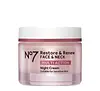
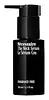
No7 Restore & Renew Face & Neck Multi Action Night Cream Enhanced Formula Versus Necessaire The Neck Serum
This anti-aging night moisturizer is formulated around Ceramide NP and Palmitoyl Tripeptide-1 to soften the look of wrinkles and strengthen the skin barrier.
This anti-aging serum is formulated around Niacinamide and Acetyl Hexapeptide-8 to soften the look of wrinkles and refine skin texture.


What's inside
What's inside
 Key Ingredients
Benefits
Concerns
Ingredients Side-by-side
Water
Skin ConditioningGlycerin
Humectant


Butyrospermum Parkii Butter
Skin Conditioning




Cetearyl Alcohol
Emollient

Cyclopentasiloxane
Emollient
Steareth-21
CleansingCaprylic/Capric Triglyceride
Masking
C12-15 Alkyl Benzoate
AntimicrobialCyclohexasiloxane
Emollient
Steareth-2
EmulsifyingGlyceryl Stearate
Emollient
Polyacrylamide
Butylene Glycol
Humectant
Alcohol Denat.
Antimicrobial


C13-14 Isoparaffin
Emollient
Phenoxyethanol
Preservative
Parfum
Masking

Dipropylene Glycol
HumectantCaprylyl Glycol
Emollient
Pentylene Glycol
Skin Conditioning
Ascorbyl Glucoside
Antioxidant



Laureth-7
EmulsifyingPropylene Glycol
Humectant
Sodium Benzoate
Masking
Tocopheryl Acetate
Antioxidant
Hibiscus Abelmoschus Extract
MaskingEthylhexylglycerin
Skin ConditioningRetinyl Palmitate
Skin Conditioning

Hydrolyzed Hyaluronic Acid
Humectant
Hydrolyzed Rice Protein
Skin ConditioningTetrasodium EDTA
ChelatingSorbitan Laurate
Emulsifying
Polysorbate 20
Emulsifying
Panax Ginseng Root Extract
Emollient

Sodium Lauroyl Lactylate
EmulsifyingPhyllanthus Emblica Fruit Extract
HumectantCarbomer
Emulsion Stabilising3-Aminopropane Sulfonic Acid
SurfactantCalcium Hydroxymethionine
Skin ConditioningHydroxyethylcellulose
Emulsion StabilisingDimethylmethoxy Chromanol
Antioxidant
Xanthan Gum
EmulsifyingAcetyl Dipeptide-1 Cetyl Ester
Skin Conditioning
Morus Alba Leaf Extract
Skin ConditioningCeramide NP
Skin Conditioning
Lindera Strychnifolia Root Extract
Skin ConditioningCeramide AP
Skin Conditioning
Phytosphingosine
Skin Conditioning
Cholesterol
Emollient
Tocopherol
Antioxidant
Palmitoyl Tripeptide-1
Skin Conditioning
Palmitoyl Tetrapeptide-7
Skin Conditioning
Ceramide EOP
Skin Conditioning
CI 14700
Cosmetic ColorantCI 15985
Cosmetic ColorantWater, Glycerin, Butyrospermum Parkii Butter, Cetearyl Alcohol, Cyclopentasiloxane, Steareth-21, Caprylic/Capric Triglyceride, C12-15 Alkyl Benzoate, Cyclohexasiloxane, Steareth-2, Glyceryl Stearate, Polyacrylamide, Butylene Glycol, Alcohol Denat., C13-14 Isoparaffin, Phenoxyethanol, Parfum, Dipropylene Glycol, Caprylyl Glycol, Pentylene Glycol, Ascorbyl Glucoside, Laureth-7, Propylene Glycol, Sodium Benzoate, Tocopheryl Acetate, Hibiscus Abelmoschus Extract, Ethylhexylglycerin, Retinyl Palmitate, Hydrolyzed Hyaluronic Acid, Hydrolyzed Rice Protein, Tetrasodium EDTA, Sorbitan Laurate, Polysorbate 20, Panax Ginseng Root Extract, Sodium Lauroyl Lactylate, Phyllanthus Emblica Fruit Extract, Carbomer, 3-Aminopropane Sulfonic Acid, Calcium Hydroxymethionine, Hydroxyethylcellulose, Dimethylmethoxy Chromanol, Xanthan Gum, Acetyl Dipeptide-1 Cetyl Ester, Morus Alba Leaf Extract, Ceramide NP, Lindera Strychnifolia Root Extract, Ceramide AP, Phytosphingosine, Cholesterol, Tocopherol, Palmitoyl Tripeptide-1, Palmitoyl Tetrapeptide-7, Ceramide EOP, CI 14700, CI 15985
Water
Skin ConditioningGlycerin
Humectant
Propanediol
Solvent
Dicaprylyl Carbonate
EmollientSqualane
Emollient
Coconut Alkanes
Emollient
Cetearyl Olivate
Rosa Damascena Flower Water
Masking
Sorbitan Olivate
Emulsifying
Niacinamide
Smoothing



Acetyl Hexapeptide-8
Humectant
Palmitoyl Hexapeptide-12
Skin Conditioning
Palmitoyl Tetrapeptide-7
Skin Conditioning
Palmitoyl Tripeptide-1
Skin Conditioning
Palmitoyl Tripeptide-5
Skin Conditioning
Tocopherol
Antioxidant
Ammonium Acryloyldimethyltaurate/Vp Copolymer
Citric Acid
Buffering
Coco-Caprylate/Caprate
Emollient
Xanthan Gum
EmulsifyingCaprylhydroxamic Acid
ChelatingSteareth-20
CleansingChlorhexidine Digluconate
Antimicrobial
N-Hydroxysuccinimide
Skin ConditioningChrysin
Skin ConditioningCetyl Glyceryl Ether
EmollientSodium Benzoate
Masking
Potassium Sorbate
Preservative
Biotin
AntiseborrhoeicCaprylyl Glycol
Emollient
Sodium Citrate
BufferingCitronellol
Perfuming
Geraniol
Perfuming
Water, Glycerin, Propanediol, Dicaprylyl Carbonate, Squalane, Coconut Alkanes, Cetearyl Olivate, Rosa Damascena Flower Water, Sorbitan Olivate, Niacinamide, Acetyl Hexapeptide-8, Palmitoyl Hexapeptide-12, Palmitoyl Tetrapeptide-7, Palmitoyl Tripeptide-1, Palmitoyl Tripeptide-5, Tocopherol, Ammonium Acryloyldimethyltaurate/Vp Copolymer, Citric Acid, Coco-Caprylate/Caprate, Xanthan Gum, Caprylhydroxamic Acid, Steareth-20, Chlorhexidine Digluconate, N-Hydroxysuccinimide, Chrysin, Cetyl Glyceryl Ether, Sodium Benzoate, Potassium Sorbate, Biotin, Caprylyl Glycol, Sodium Citrate, Citronellol, Geraniol
Reviews
Ingredients Explained
These ingredients are found in both products.
Ingredients higher up in an ingredient list are typically present in a larger amount.
Caprylyl Glycol is a humectant, skin conditioner, emollient, and preservative booster derived from either caprylic acid or synthetically created.
Typical use levels vary from 0.3-1% as a preservative booster and go up to 2% to condition skin.
Because it is not a free-fatty acid, this ingredient is fungal acne safe (there's nothing for Malassezia to feed on).
Learn more about Caprylyl GlycolGlycerin (or glycerol) is a compound naturally found in your skin. It's a powerhouse humectant that pulls water into the stratum corneum.
Topically, glycerin does several things at once:
Your skin makes glycerin on its own (mostly from sebaceous oil breakdown) and shuttles it to your outermost layer of skin, or your epidermis, via aquaporin-3.
Aquaporin-3 is a transporter that is essential for normal skin hydration, elasticity, and repair. Interestingly, mice lacking in AQP3 have dry and less elastic skin that can be fully corrected with glycerin.
This ingredient is non-irritating, plays well with almost every ingredient, and works across all skin types. Typical use is anywhere between 3-10% but can go up to 79% in some leave-on products.
Just know very high concentrations (>40%) can feel tacky in low humidity.
Glycerin is the name for this ingredient in American English. British English uses Glycerol/Glycerine.
Learn more about GlycerinPalmitoyl Tetrapeptide-7 (formerly Palmitoyl Tetrapeptide-3) is a synthetic peptide. Its main job is to fight what researchers call "inflammaging".
"Inflammaging" is the slow, low-grade chronic inflammation that quietly breaks down collagen as we age.
This ingredient calms down a specific inflammation signal in your skin cells (called IL-6). When left unchecked, this signal triggers enzymes that break down collagen and elastin.
Clinical testing showed statistically significant improvements in:
Studies also found the more of this ingredient used, the more your skin produces Collagen I, fibronectin, and hyaluronic acid.
You'll likely see this ingredient paired with Palmitoyl Tripeptide-1 in the well-known Matrixyl 3000 complex for enhanced anti-aging effects.
A 3% concentration applied twice daily for two months showed meaningful skin rejuvenation results in clinical panels.
Fungal acne note:
Usually a palmitic acid component can feed Malassezia in unbound form, but here is is covalently bonded to the peptide. This means it is very difficult for Malassezia to access, and therefore very unlikely to cause fungal acne.
Palmitoyl Tripeptide-1 (aka Pal-GHK) is a synthetic signal peptide made of three amino acids attached to palmitic acid.
That fatty acid attachment is the key: it boosts the peptide's ability to penetrate the skin barrier. This puts it closer to the dermal cells where it can actually make a difference.
Once there, it acts as a matrikine, a signaling peptide that prompts fibroblasts to produce more collagen, fibronectin, and hyaluronic acid.
In vitro studies show it can boost collagen production in skin cells even when UV-damaged skin samples were treated with it at a tiny concentration (it almost fully restored dermal collagen at 5ppm). It achieved this at 100x lower concentration than retinoic acid, which needed 500 ppm to do the same thing.
Human clinical data is promising, but modest:
A study of 23 female volunteers found a small but statistically significant increase (~4%) in skin thickness after treatment at 4 ppm.
A separate small trial of 15 women showed statistically significant reductions in wrinkle length, depth, and skin roughness after applying it twice daily for four weeks.
You'll likely see Pal-GHK paired with Palmitoyl Tetrapeptide-7 as part of the Matrixyl 3000 complex.
Fungal acne note:
Usually a palmitic acid component can feed Malassezia in unbound form, but here is is covalently bonded to the peptide. This means it is very difficult for Malassezia to access, and therefore very unlikely to cause fungal acne.
Sodium Benzoate is a preservative. It's used in both cosmetic and food products to inhibit the growth of mold and bacteria. It is typically produced synthetically.
Both the US FDA and EU Health Committee have approved the use of sodium benzoate. In the US, levels of 0.1% (of the total product) are allowed.
Sodium benzoate works as a preservative by inhibiting the growth of bacteria inside of cells. It prevents the cell from fermenting a type of sugar using an enzyme called phosphofructokinase.
It is the salt of benzoic acid. Foods containing sodium benzoate include soda, salad dressings, condiments, fruit juices, wines, and snack foods.
Studies for using ascorbic acid and sodium benzoate in cosmetics are lacking, especially in skincare routines with multiple steps.
We always recommend speaking with a professional, such as a dermatologist, if you have any concerns.
Learn more about Sodium BenzoateTocopherol is a fat-soluble antioxidant known as Vitamin E.
You'll find this ingredient in the vast majority of skincare (for good reason). It works to neutralize free radicals, or unstable molecules generated by UV exposure, pollution, and other environmental stressors, before they can cause oxidative damage to your skin cells.
Topically applied tocopherol has been shown to protect against UV damage by ramping up the skin's own natural defense enzymes.
It also acts as a skin conditioning agent; some studies show that regular topical use can improve the skin's water-binding capacity over 2-4 weeks.
This ingredient is especially loved for being a team player. When combined with Vitamin C, the photoprotective effect of both ingredients roughly doubles and the combo also helps reduce UV-induced DNA damage.
This ingredient has some brightening potential but it's more of a prevention ingredient than spot-fader. Cell studies show it can slow down melanin production but it's worth noting that it's not the most powerful brightener out there.
In formulations, it also serves as a stabilizer that helps protect other oxidation-prone ingredients from degrading.
Concentrations usually range from 0.1-1% in most leave-on products.
Learn more about TocopherolWater. It's the most common cosmetic ingredient of all. You'll usually see it at the top of ingredient lists, meaning that it makes up the largest part of the product.
So why is it so popular? Water most often acts as a solvent - this means that it helps dissolve other ingredients into the formulation.
You'll also recognize water as that liquid we all need to stay alive. If you see this, drink a glass of water. Remember to stay hydrated!
Learn more about WaterXanthan gum is used as a stabilizer and thickener within cosmetic products. It helps give products a sticky, thick feeling - preventing them from being too runny.
On the technical side of things, xanthan gum is a polysaccharide - a combination consisting of multiple sugar molecules bonded together.
Xanthan gum is a pretty common and great ingredient. It is a natural, non-toxic, non-irritating ingredient that is also commonly used in food products.
Learn more about Xanthan Gum

