
What's inside
What's inside
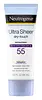 Key Ingredients
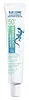
Benefits
Concerns
Ingredients Side-by-side
Butyl Methoxydibenzoylmethane 3%
UV Absorber
Homosalate 10%
Skin Conditioning
Ethylhexyl Salicylate 5%
UV Absorber
Octocrylene 10%
UV Absorber

Water
Skin ConditioningStyrene/Acrylates Copolymer
Silica
Abrasive


Dimethicone
Emollient

Potassium Cetyl Phosphate
EmulsifyingBenzyl Alcohol
Perfuming



Beeswax
Emulsion Stabilising


Caprylyl Methicone
Skin Conditioning
Glyceryl Stearate
Emollient
PEG-100 Stearate
Surfactant
Cetyl Dimethicone
Emollient
Caprylyl Glycol
Emollient
Ethylhexylglycerin
Skin ConditioningAluminum Starch Octenylsuccinate
Absorbent
Behenyl Alcohol
Emollient
Acrylates/Dimethicone Copolymer
Skin Conditioning
Xanthan Gum
EmulsifyingSodium Polyacrylate
Absorbent
Chlorphenesin
Antimicrobial
Dimethicone/PEG-10/15 Crosspolymer
Hydrolyzed Jojoba Esters
Skin Conditioning
Parfum
Masking

Disodium EDTA
Ethylhexyl Stearate
Emollient
Tocopheryl Acetate
Antioxidant


BHT
Antioxidant
Trideceth-6
EmulsifyingJojoba Esters
Emollient
Butyl Methoxydibenzoylmethane 3%, Homosalate 10%, Ethylhexyl Salicylate 5%, Octocrylene 10%, Water, Styrene/Acrylates Copolymer, Silica, Dimethicone, Potassium Cetyl Phosphate, Benzyl Alcohol, Beeswax, Caprylyl Methicone, Glyceryl Stearate, PEG-100 Stearate, Cetyl Dimethicone, Caprylyl Glycol, Ethylhexylglycerin, Aluminum Starch Octenylsuccinate, Behenyl Alcohol, Acrylates/Dimethicone Copolymer, Xanthan Gum, Sodium Polyacrylate, Chlorphenesin, Dimethicone/PEG-10/15 Crosspolymer, Hydrolyzed Jojoba Esters, Parfum, Disodium EDTA, Ethylhexyl Stearate, Tocopheryl Acetate, BHT, Trideceth-6, Jojoba Esters
Titanium Dioxide 9%
Cosmetic Colorant
Zinc Oxide 6%
Cosmetic Colorant
Alanine
Masking
Aloe Barbadensis Leaf Juice
Skin Conditioning

Alumina
Abrasive
Aluminum Stearate
Cosmetic ColorantArginine
Masking
Aspartic Acid
Masking
Butyrospermum Parkii Butter
Skin Conditioning
C12-15 Alkyl Benzoate
AntimicrobialCaprylic/Capric Triglyceride
Masking
Carica Papaya Fruit Extract
Skin ConditioningCitric Acid
Buffering
Crithmum Maritimum Extract
Skin ConditioningCucumis Sativus Fruit Extract
Emollient
Diisopropyl Sebacate
EmollientDimethoxydiphenylsilane/Triethoxycaprylylsilane Crosspolymer
Ethylhexylglycerin
Skin ConditioningFucus Vesiculosus Extract
Emollient
Ginkgo Biloba Leaf Extract
Skin Conditioning
Glycerin
Humectant
Glycine
Buffering
Glycine Soja Oil
Emollient

Hamamelis Virginiana Leaf Extract
Skin Conditioning
Histidine
Humectant
Hydrogenated Vegetable Oil
Emollient
Isoleucine
Skin ConditioningIsostearyl Alcohol
Emollient
Isostearyl Isostearate
Emollient
Oryza Sativa Extract
Absorbent
Oryza Sativa Germ Extract
EmollientPCA
Humectant
Phenoxyethanol
Preservative
Phenylalanine
Masking
Polyglyceryl-3 Diisostearate
Emulsifying
Polyglyceryl-3 Polyricinoleate
Emulsifying
Polyhydroxystearic Acid
Emulsifying
Potassium Sorbate
Preservative
Proline
Skin Conditioning
Water
Skin ConditioningRosa Canina Fruit Oil
Emollient
Sclerocarya Birrea Seed Oil
Humectant
Serine
Masking
Sodium Benzoate
Masking
Sodium Chloride
MaskingSodium Hyaluronate
Humectant
Sodium Lactate
Buffering
Sodium PCA
Humectant
Sorbitan Isostearate
Emulsifying
Squalane
Emollient
Threonine
Tocopheryl Acetate
Antioxidant
Valine
MaskingXanthan Gum
EmulsifyingTitanium Dioxide 9%, Zinc Oxide 6%, Alanine, Aloe Barbadensis Leaf Juice, Alumina, Aluminum Stearate, Arginine, Aspartic Acid, Butyrospermum Parkii Butter, C12-15 Alkyl Benzoate, Caprylic/Capric Triglyceride, Carica Papaya Fruit Extract, Citric Acid, Crithmum Maritimum Extract, Cucumis Sativus Fruit Extract, Diisopropyl Sebacate, Dimethoxydiphenylsilane/Triethoxycaprylylsilane Crosspolymer, Ethylhexylglycerin, Fucus Vesiculosus Extract, Ginkgo Biloba Leaf Extract, Glycerin, Glycine, Glycine Soja Oil, Hamamelis Virginiana Leaf Extract, Histidine, Hydrogenated Vegetable Oil, Isoleucine, Isostearyl Alcohol, Isostearyl Isostearate, Oryza Sativa Extract, Oryza Sativa Germ Extract, PCA, Phenoxyethanol, Phenylalanine, Polyglyceryl-3 Diisostearate, Polyglyceryl-3 Polyricinoleate, Polyhydroxystearic Acid, Potassium Sorbate, Proline, Water, Rosa Canina Fruit Oil, Sclerocarya Birrea Seed Oil, Serine, Sodium Benzoate, Sodium Chloride, Sodium Hyaluronate, Sodium Lactate, Sodium PCA, Sorbitan Isostearate, Squalane, Threonine, Tocopheryl Acetate, Valine, Xanthan Gum
Reviews
Ingredients Explained
These ingredients are found in both products.
Ingredients higher up in an ingredient list are typically present in a larger amount.
Ethylhexylglycerin is created from glycerin. It is a multitasker ingredient that:
The CIR Expert Panel found minimal skin absorption or sensitization of any kind in a safety assessment. Though this ingredient is considered well-tolerated, a small number of cases of allergic dermatitis have been published since 2002. Just be sure to patch test if you are unsure.
Industry-reported use ranges from 8% in rinse-off products and 2% in leave-on formulations.
Learn more about EthylhexylglycerinTocopheryl Acetate is a stable, shelf-friendly form of vitamin E.
Formulators love it because plain vitamin E oxidizes quickly once it hits air. This acetate version stays stable and resists going off, helping to extend a product's shelf life.
It's actually inactive on its own and works like a slow-release "storage" form; the enzymes in your skin called esterases gradually convert it into active vitamin E over time.
One in vivo study showed 5% of the acetate in the living layer of the epidermis converted to vitamin E after 5 days of application. This study also found the skin gained protection against UV damage even though the conversion was slow and small.
Once converted, vitamin E acts as a skin's main fat-soluble antioxidant that fights free radicals to protect skin from damage.
Topical vitamin E generally boosts the skin's photoprotection, and it reduced UV-damage in animal models.
This ingredient has some brightening potential but it's more of a prevention ingredient than spot-fader. Cell studies show it can slow down melanin production but it's worth noting that it's not the most powerful brightener out there.
Overall, it has a pretty solid safety profile and has been found to be non-irritating and non-comedogenic. Allergic reactions may happen but stay rare due to how widely the ingredient gets used.
The concentration will vary depending on the formula; industry data shows 0.1% in baby lotions, 3% in lipsticks, and 5% in foot powders. You can also find this ingredient at 100% in a pure vitamin E oil.
Most leave-on skincare keeps it at the lower end, often between 0.5-1%.
Learn more about Tocopheryl AcetateWater. It's the most common cosmetic ingredient of all. You'll usually see it at the top of ingredient lists, meaning that it makes up the largest part of the product.
So why is it so popular? Water most often acts as a solvent - this means that it helps dissolve other ingredients into the formulation.
You'll also recognize water as that liquid we all need to stay alive. If you see this, drink a glass of water. Remember to stay hydrated!
Learn more about WaterXanthan gum is used as a stabilizer and thickener within cosmetic products. It helps give products a sticky, thick feeling - preventing them from being too runny.
On the technical side of things, xanthan gum is a polysaccharide - a combination consisting of multiple sugar molecules bonded together.
Xanthan gum is a pretty common and great ingredient. It is a natural, non-toxic, non-irritating ingredient that is also commonly used in food products.
Learn more about Xanthan Gum

