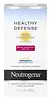
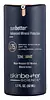
Neutrogena Healthy Defense Daily Face Moisturizer -SPF 50 Versus SkinBetter Science Sunbetter Tone Smart SPF 75 Sunscreen Lotion
This brightening day moisturizer is formulated around Retinyl Palmitate and Ascorbic Acid to brighten dull-looking skin and fade the look of dark spots.
This hybrid sunscreen covers the full UV range and blocks ~99% of UVB at SPF 75.

What's inside
What's inside
 Key Ingredients
Benefits
Concerns
Ingredients Side-by-side
Butyl Methoxydibenzoylmethane 3%
UV Absorber
Homosalate 12%
Skin Conditioning
Ethylhexyl Salicylate 5%
UV Absorber
Octocrylene 2.35%
UV Absorber

Benzophenone-3 6%
UV Absorber
Water
Skin ConditioningDimethicone
Emollient

Trisiloxane
Skin Conditioning
Diethylhexyl Ipdi
Polyethylene Naphthalate
Glycerin
Humectant

Glyceryl Stearate
Emollient
PEG-100 Stearate
Surfactant
Cetearyl Alcohol
Emollient



Potassium Cetyl Phosphate
EmulsifyingBehenyl Alcohol
Emollient
Caprylyl Methicone
Skin Conditioning
Ethylhexylglycerin
Skin ConditioningPantothenic Acid
Skin ConditioningRetinyl Palmitate
Skin Conditioning


Ascorbic Acid
Antioxidant



Tocopheryl Acetate
Antioxidant
Tocopherol
Antioxidant
BHT
Antioxidant
Polymethyl Methacrylate

Hydrogenated Palm Glycerides
Emollient
Styrene/Acrylates Copolymer
Cetearyl Glucoside
Emulsifying
Xanthan Gum
EmulsifyingDisodium EDTA
ChelatingMethylparaben
Preservative

Propylparaben
Preservative
Methylisothiazolinone
Preservative
Benzyl Alcohol
Perfuming



Butyl Methoxydibenzoylmethane 3%, Homosalate 12%, Ethylhexyl Salicylate 5%, Octocrylene 2.35%, Benzophenone-3 6%, Water, Dimethicone, Trisiloxane, Diethylhexyl Ipdi, Polyethylene Naphthalate, Glycerin, Glyceryl Stearate, PEG-100 Stearate, Cetearyl Alcohol, Potassium Cetyl Phosphate, Behenyl Alcohol, Caprylyl Methicone, Ethylhexylglycerin, Pantothenic Acid, Retinyl Palmitate, Ascorbic Acid, Tocopheryl Acetate, Tocopherol, BHT, Polymethyl Methacrylate, Hydrogenated Palm Glycerides, Styrene/Acrylates Copolymer, Cetearyl Glucoside, Xanthan Gum, Disodium EDTA, Methylparaben, Propylparaben, Methylisothiazolinone, Benzyl Alcohol
Titanium Dioxide 3.5%
Cosmetic Colorant
Zinc Oxide 10%
Cosmetic Colorant
1,2-Hexanediol
Skin Conditioning
Acrylates/Dimethicone Copolymer
Skin Conditioning
Allantoin
Skin Conditioning
Alumina
Abrasive
Bis-Vinyl Dimethicone/Dimethicone Copolymer
Emulsion Stabilising
Bisabolol
Antioxidant
Butyloctyl Salicylate
Skin Conditioning
Camellia Oleifera Leaf Extract
AstringentCapparis Spinosa Fruit Extract
Skin ConditioningCaprylic/Capric Triglyceride
Masking
Caprylyl Glycol
Emollient
Cerium Oxide
Cetyl Dimethicone
Emollient
Dimethicone
Emollient
Disteardimonium Hectorite
StabilisingGlycerin
Humectant
Himanthalia Elongata Extract
Skin Protecting
Iron Oxides
Mica
Cosmetic ColorantNiacinamide
Smoothing


Olea Europaea Fruit Extract
BleachingOlea Europaea Leaf Extract
Perfuming
Opuntia Ficus-Indica Stem Extract
Skin Conditioning
Panthenol
Skin Conditioning
Phenethyl Alcohol
MaskingPhenoxyethanol
Preservative
Phenyl Trimethicone
Skin Conditioning
Plankton Extract
Skin ConditioningPolyglyceryl-3 Sorbityl Linseedate
Emulsifying
Polyglyceryl-4 Oleate
Emulsifying
Polygonum Aviculare Extract
EmollientPolyhydroxystearic Acid
Emulsifying
Polymethyl Methacrylate
Potassium Sorbate
Preservative
Silica
Abrasive
Sodium Benzoate
Masking
Sodium Chloride
MaskingSqualane
Emollient
Stearic Acid
Cleansing
Styrene/Acrylates Copolymer
Tocopheryl Acetate
Antioxidant
Triethyl Citrate
Masking
Tropolone
Skin ConditioningUbiquinone
Antioxidant
Water
Skin ConditioningZea Mays Starch
Absorbent
Zingiber Officinale Root Extract
Masking
Titanium Dioxide 3.5%, Zinc Oxide 10%, 1,2-Hexanediol, Acrylates/Dimethicone Copolymer, Allantoin, Alumina, Bis-Vinyl Dimethicone/Dimethicone Copolymer, Bisabolol, Butyloctyl Salicylate, Camellia Oleifera Leaf Extract, Capparis Spinosa Fruit Extract, Caprylic/Capric Triglyceride, Caprylyl Glycol, Cerium Oxide, Cetyl Dimethicone, Dimethicone, Disteardimonium Hectorite, Glycerin, Himanthalia Elongata Extract, Iron Oxides, Mica, Niacinamide, Olea Europaea Fruit Extract, Olea Europaea Leaf Extract, Opuntia Ficus-Indica Stem Extract, Panthenol, Phenethyl Alcohol, Phenoxyethanol, Phenyl Trimethicone, Plankton Extract, Polyglyceryl-3 Sorbityl Linseedate, Polyglyceryl-4 Oleate, Polygonum Aviculare Extract, Polyhydroxystearic Acid, Polymethyl Methacrylate, Potassium Sorbate, Silica, Sodium Benzoate, Sodium Chloride, Squalane, Stearic Acid, Styrene/Acrylates Copolymer, Tocopheryl Acetate, Triethyl Citrate, Tropolone, Ubiquinone, Water, Zea Mays Starch, Zingiber Officinale Root Extract
Reviews
Ingredients Explained
These ingredients are found in both products.
Ingredients higher up in an ingredient list are typically present in a larger amount.
Dimethicone is a type of synthetic silicone created from natural materials such as quartz. It is also known as polydimethylsiloxane.
What it does:
Dimethicone comes in different viscosities:
Depending on the viscosity, dimethicone has different properties.
Ingredients lists don't always show which type is used, so we recommend reaching out to the brand if you have questions about the viscosity.
This ingredient is unlikely to cause irritation because it does not get absorbed into skin. However, people with silicone allergies should be careful about using this ingredient.
Note: Dimethicone may contribute to pilling. This is because it is not oil or water soluble, so pilling may occur when layered with products. When mixed with heavy oils in a formula, the outcome is also quite greasy.
Learn more about DimethiconeGlycerin (or glycerol) is a compound naturally found in your skin. It's a powerhouse humectant that pulls water into the stratum corneum.
Topically, glycerin does several things at once:
Your skin makes glycerin on its own (mostly from sebaceous oil breakdown) and shuttles it to your outermost layer of skin, or your epidermis, via aquaporin-3.
Aquaporin-3 is a transporter that is essential for normal skin hydration, elasticity, and repair. Interestingly, mice lacking in AQP3 have dry and less elastic skin that can be fully corrected with glycerin.
This ingredient is non-irritating, plays well with almost every ingredient, and works across all skin types. Typical use is anywhere between 3-10% but can go up to 79% in some leave-on products.
Just know very high concentrations (>40%) can feel tacky in low humidity.
Glycerin is the name for this ingredient in American English. British English uses Glycerol/Glycerine.
Learn more about GlycerinThis ingredient is also known as PMMA. It is a polymer microsphere, composed of tiny, perfectly spherical particles formed from repeating units.
In cosmetics, PMMA is mainly used to give a soft or blurring effect. The transparent particles are able to scatter light and help reduce the appearance of fine-lines and imperfections.
PMMA is also able to enhance the texture of products by add a smooth feel.
Learn more about Polymethyl MethacrylateThis ingredient is a synthetic polymer that mainly works as a film former. It creates a thin, flexible film on the surface of your skin. Once applied, it helps improves wear, durability, and resistance to water/smudging.
Due to its large molecule size, it sits on top of your skin rather than absorbing into it.
Tocopheryl Acetate is a stable, shelf-friendly form of vitamin E.
Formulators love it because plain vitamin E oxidizes quickly once it hits air. This acetate version stays stable and resists going off, helping to extend a product's shelf life.
It's actually inactive on its own and works like a slow-release "storage" form; the enzymes in your skin called esterases gradually convert it into active vitamin E over time.
One in vivo study showed 5% of the acetate in the living layer of the epidermis converted to vitamin E after 5 days of application. This study also found the skin gained protection against UV damage even though the conversion was slow and small.
Once converted, vitamin E acts as a skin's main fat-soluble antioxidant that fights free radicals to protect skin from damage.
Topical vitamin E generally boosts the skin's photoprotection, and it reduced UV-damage in animal models.
This ingredient has some brightening potential but it's more of a prevention ingredient than spot-fader. Cell studies show it can slow down melanin production but it's worth noting that it's not the most powerful brightener out there.
Overall, it has a pretty solid safety profile and has been found to be non-irritating and non-comedogenic. Allergic reactions may happen but stay rare due to how widely the ingredient gets used.
The concentration will vary depending on the formula; industry data shows 0.1% in baby lotions, 3% in lipsticks, and 5% in foot powders. You can also find this ingredient at 100% in a pure vitamin E oil.
Most leave-on skincare keeps it at the lower end, often between 0.5-1%.
Learn more about Tocopheryl AcetateWater. It's the most common cosmetic ingredient of all. You'll usually see it at the top of ingredient lists, meaning that it makes up the largest part of the product.
So why is it so popular? Water most often acts as a solvent - this means that it helps dissolve other ingredients into the formulation.
You'll also recognize water as that liquid we all need to stay alive. If you see this, drink a glass of water. Remember to stay hydrated!
Learn more about Water

