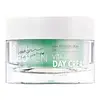
This calming day moisturizer is formulated around Camellia Sinensis Leaf Extract and Panthenol to calm redness and hydrate skin.

What's inside
What's inside
 Key Ingredients
Benefits
Concerns
Ingredients Side-by-side
Water
Skin ConditioningHydrogenated Olive Oil Lauryl Esters
Emulsion Stabilising


Cetyl Ethylhexanoate
Emollient1,2-Hexanediol
Skin Conditioning
Glycerin
Humectant

Neopentyl Glycol Diheptanoate
EmollientDimethicone
Emollient
Cetearyl Alcohol
Emollient




Glyceryl Stearate
Emollient
PEG-100 Stearate
Surfactant
Palmitic Acid
Emollient
Ammonium Acryloyldimethyltaurate/Vp Copolymer
Cetyl Alcohol
Emollient
Stearyl Alcohol
Emollient
Cetearyl Glucoside
Emulsifying
Coptis Japonica Extract
AntimicrobialCamellia Sinensis Leaf Extract
Antimicrobial






Ethylhexylglycerin
Skin ConditioningTrehalose
Humectant
Camellia Sinensis Leaf Water
Masking
Butylene Glycol
Humectant
Citrus Aurantium Bergamia Fruit Oil
Masking

Dimethicone/Vinyl Dimethicone Crosspolymer
Skin Conditioning
Gardenia Florida Fruit Extract
Skin ConditioningAllantoin
Skin Conditioning
Glucose
Humectant
Maltodextrin
Absorbent
Sodium Hyaluronate
Humectant
Panthenol
Skin Conditioning
Ascorbic Acid
Antioxidant


Tocopheryl Acetate
Antioxidant
Prunus Mume Fruit Extract
Humectant
Actinidia Chinensis Fruit Extract
EmollientBrassica Oleracea Italica Extract
AstringentApium Graveolens Stem Extract
HumectantBrassica Oleracea Acephala Leaf Extract
HumectantCichorium Intybus Leaf Extract
MaskingMelissa Officinalis Leaf Extract
Skin ConditioningLimonene
Perfuming
Linalool
Perfuming
Water, Hydrogenated Olive Oil Lauryl Esters, Cetyl Ethylhexanoate, 1,2-Hexanediol, Glycerin, Neopentyl Glycol Diheptanoate, Dimethicone, Cetearyl Alcohol, Glyceryl Stearate, PEG-100 Stearate, Palmitic Acid, Ammonium Acryloyldimethyltaurate/Vp Copolymer, Cetyl Alcohol, Stearyl Alcohol, Cetearyl Glucoside, Coptis Japonica Extract, Camellia Sinensis Leaf Extract, Ethylhexylglycerin, Trehalose, Camellia Sinensis Leaf Water, Butylene Glycol, Citrus Aurantium Bergamia Fruit Oil, Dimethicone/Vinyl Dimethicone Crosspolymer, Gardenia Florida Fruit Extract, Allantoin, Glucose, Maltodextrin, Sodium Hyaluronate, Panthenol, Ascorbic Acid, Tocopheryl Acetate, Prunus Mume Fruit Extract, Actinidia Chinensis Fruit Extract, Brassica Oleracea Italica Extract, Apium Graveolens Stem Extract, Brassica Oleracea Acephala Leaf Extract, Cichorium Intybus Leaf Extract, Melissa Officinalis Leaf Extract, Limonene, Linalool
Water
Skin ConditioningGlycerin
Humectant
Butylene Glycol
Humectant
Squalane
Emollient
Isostearyl Isostearate
Emollient
Caprylic/Capric Triglyceride
Masking
Dimethicone
Emollient
1,2-Hexanediol
Skin Conditioning
Glyceryl Stearate
Emollient
Butyrospermum Parkii Butter
Skin Conditioning
Cetearyl Alcohol
Emollient
Panthenol
Skin Conditioning
Trehalose
Humectant
PEG-100 Stearate
Surfactant
Sucrose Polystearate
EmollientCetearyl Glucoside
Emulsifying
Phytosteryl/Octyldodecyl Lauroyl Glutamate
Skin ConditioningSerine
Masking
C14-22 Alcohols
Emulsion Stabilising
Hydrogenated Lecithin
Emulsifying
Ammonium Acryloyldimethyltaurate/Vp Copolymer
Dextrin Palmitate
Emulsifying
Polyacrylate-13
Ceramide NP
Skin Conditioning
Stearyl Alcohol
Emollient
Cetyl Alcohol
Emollient
Macadamia Ternifolia Seed Oil
Emollient
Triethylhexanoin
MaskingTocopherol
Antioxidant
Arginine
Masking
Parfum
Masking
Carbomer
Emulsion StabilisingArachidyl Glucoside
EmulsifyingCetyl Palmitate
Emollient
Polyisobutene
Sucrose Stearate
EmollientGlycine Soja Oil
Emollient
Stearic Acid
Cleansing
Cedrol
EmollientMadecassoside
Antioxidant
Coco-Caprylate/Caprate
Emollient
CI 77891
Cosmetic ColorantMica
Cosmetic ColorantAdenosine
Skin Conditioning
Sodium Hyaluronate
Humectant
Xanthan Gum
EmulsifyingPalmitic Acid
Emollient
Myristica Fragrans Extract
MaskingCholesterol
Emollient
Trisodium EDTA
Polysorbate 20
Emulsifying
Tromethamine
BufferingSorbitan Isostearate
Emulsifying
Palmitoyl Glycine
CleansingCI 77491
Cosmetic ColorantMagnolia Obovata Bark Extract
Skin ConditioningAdansonia Digitata Fruit Extract
EmollientHibiscus Sabdariffa Flower Extract
Skin ConditioningGlycosphingolipids
EmollientLimonene
Perfuming
Linalool
Perfuming
Citronellol
Perfuming
Water, Glycerin, Butylene Glycol, Squalane, Isostearyl Isostearate, Caprylic/Capric Triglyceride, Dimethicone, 1,2-Hexanediol, Glyceryl Stearate, Butyrospermum Parkii Butter, Cetearyl Alcohol, Panthenol, Trehalose, PEG-100 Stearate, Sucrose Polystearate, Cetearyl Glucoside, Phytosteryl/Octyldodecyl Lauroyl Glutamate, Serine, C14-22 Alcohols, Hydrogenated Lecithin, Ammonium Acryloyldimethyltaurate/Vp Copolymer, Dextrin Palmitate, Polyacrylate-13, Ceramide NP, Stearyl Alcohol, Cetyl Alcohol, Macadamia Ternifolia Seed Oil, Triethylhexanoin, Tocopherol, Arginine, Parfum, Carbomer, Arachidyl Glucoside, Cetyl Palmitate, Polyisobutene, Sucrose Stearate, Glycine Soja Oil, Stearic Acid, Cedrol, Madecassoside, Coco-Caprylate/Caprate, CI 77891, Mica, Adenosine, Sodium Hyaluronate, Xanthan Gum, Palmitic Acid, Myristica Fragrans Extract, Cholesterol, Trisodium EDTA, Polysorbate 20, Tromethamine, Sorbitan Isostearate, Palmitoyl Glycine, CI 77491, Magnolia Obovata Bark Extract, Adansonia Digitata Fruit Extract, Hibiscus Sabdariffa Flower Extract, Glycosphingolipids, Limonene, Linalool, Citronellol
Reviews
Ingredients Explained
These ingredients are found in both products.
Ingredients higher up in an ingredient list are typically present in a larger amount.
1,2-Hexanediol is a synthetic liquid and another multi-functional powerhouse.
It is a:
- Humectant, drawing moisture into the skin
- Emollient, helping to soften skin
- Solvent, dispersing and stabilizing formulas
- Preservative booster, enhancing the antimicrobial activity of other preservatives
Ammonium Acryloyldimethyltaurate/Vp Copolymer is a synthetically created polymer. It's used as a film-forming agent and used to thicken the consistency of products.
Think of it as a supportive ingredient that helps your gel-creams feel silky, "cloud cream-like", and spread evenly without being greasy.
The Cosmetic Ingredient Review (CIR) Expert Panel evaluated it (along with 22 other acryloyldimethyltaurate polymers) and concluded it's:
Due to its large molecular size, it sits on the surface of skin rather than penetrating it.
Learn more about Ammonium Acryloyldimethyltaurate/Vp CopolymerButylene Glycol (or BG) is used within cosmetic products for a few different reasons:
Overall, Butylene Glycol is a safe and well-rounded ingredient that works well with other ingredients.
Though this ingredient works well with most skin types, some people with sensitive skin may experience a reaction such as allergic rashes, closed comedones, or itchiness.
Learn more about Butylene GlycolCetearyl alcohol is a waxy mixture of two fatty alcohols: cetyl alcohol and stearyl alcohol. It is an emollient and emulsifier.
Despite having "alcohol" in its name, it has nothing to do with drying solvent alcohols; the FDA also allows "alcohol-free" products to contain fatty alcohols like this ingredient.
It plays several roles in a formula:
Typical use levels for this ingredient sit around 1-10% and the Cosmetic Ingredient Review Expert Panel has affirmed safety at concentrations up to 25% in leave-on products.
Multiple assessments have found it to be non-irritating and non-sensitizing to most people.
However, there have been some cases of allergic contact dermatitis in patients with chronically compromised skin barriers.
Cetearyl alcohol has a comedogenic rating of 2 and irritancy rating of 1. Both of these numbers come from the 1989 study that used rabbit ears; a "2" means mildly comedogenic and a "1" means low irritancy.
Here's the catch: rabbit skin is more sensitive than human skin and throws a lot of false positives. A 1996 reappraisal found that ingredients rated 1-2 in the rabbit ear tests are generally safe for humans.
Remember comedogenic ratings are unable to assess the entire formula of a product or how it will react on your skin. Just be sure to patch test if you are unsure about certain ingredients.
This ingredient is not fungal acne safe. Cetearyl alcohol is a fatty alcohol with chain lengths that fall within the range that Malassezia can metabolize.
A 2019 study has also observed Malassezia growth in the presence of this ingredient, confirming it to be not-fungal acne safe.
Learn more about Cetearyl AlcoholCetearyl Glucoside is a sugar-based emulsifier. It is usually made by combining cetearyl alcohol and glucose.
Belonging to the aklyl polyglucoside (APG) family, Cetearyl Glucoside has a sugar "head" that loves water and a fatty "tail" that loves oil. This means it can shuffle oil and water into a stable and smooth emulsion.
Typical use levels are between 1-5% and this ingredient is considered to be non-irritating by the CIR Expert Panel Review.
Once applied, your skin's glucoside hydrolases breaks it down to the parent fatty alcohol and glucose. This is why this ingredient may not be fungal acne safe.
Learn more about Cetearyl GlucosideCetyl Alcohol is a fatty alcohol. Fatty Alcohols are most often used as an emollient or to thicken a product.
Its main roles are:
Though it has "alcohol" in the name, it is not related to denatured alcohol or ethyl alcohol.
The FDA allows products labeled "alcohol-free" to have fatty alcohols.
This ingredient may not be fungal acne safe. It is a primary fatty alcohol with a chain length above 12 carbons. A study from 2019 show Malassezia can feed on fatty alcohols in this range, so it may trigger fungal acne in those prone to it.
Learn more about Cetyl AlcoholDimethicone is a type of synthetic silicone created from natural materials such as quartz. It is also known as polydimethylsiloxane.
What it does:
Dimethicone comes in different viscosities:
Depending on the viscosity, dimethicone has different properties.
Ingredients lists don't always show which type is used, so we recommend reaching out to the brand if you have questions about the viscosity.
This ingredient is unlikely to cause irritation because it does not get absorbed into skin. However, people with silicone allergies should be careful about using this ingredient.
Note: Dimethicone may contribute to pilling. This is because it is not oil or water soluble, so pilling may occur when layered with products. When mixed with heavy oils in a formula, the outcome is also quite greasy.
Learn more about DimethiconeGlycerin (or glycerol) is a compound naturally found in your skin. It's a powerhouse humectant that pulls water into the stratum corneum.
Topically, glycerin does several things at once:
Your skin makes glycerin on its own (mostly from sebaceous oil breakdown) and shuttles it to your outermost layer of skin, or your epidermis, via aquaporin-3.
Aquaporin-3 is a transporter that is essential for normal skin hydration, elasticity, and repair. Interestingly, mice lacking in AQP3 have dry and less elastic skin that can be fully corrected with glycerin.
This ingredient is non-irritating, plays well with almost every ingredient, and works across all skin types. Typical use is anywhere between 3-10% but can go up to 79% in some leave-on products.
Just know very high concentrations (>40%) can feel tacky in low humidity.
Glycerin is the name for this ingredient in American English. British English uses Glycerol/Glycerine.
Learn more about GlycerinGlyceryl Stearate is made by reacting glycerin with stearic acid (typically sourced from plant oils like palm or coconut). It's an emulsifier, emollient, and mild occlusive.
Emulsifiers help ingredients like oil and water stay mixed so your formula stays nicely blended and uniform in texture.
This ingredient is typically used in concentrations between 1-10%. Studies have found it to be non-sensitizing, non-phototoxic, and non-photoallergenic.
A close cousin of this ingredient is Glyceryl Stearate SE ("self-emulsifying"). This just has a small amount of sodium or potassium stearate added so it can emulsify without a co-emulsifier.
Since this ingredient is an ester of a C18 fatty acid, it may not be fungal acne safe. The Malassezia yeast can potentially metabolize within the C11-C24 range.
Fun fact: The human body also creates Glyceryl Stearate naturally.
Learn more about Glyceryl StearateLimonene is a fragrance that adds scent and taste to a formulation.
It's found in the peel oil of citrus fruits and other plants such as lavender and eucalyptus. The scent of limonene is generally described as "sweet citrus".
Limonene acts as an antioxidant, meaning it helps neutralize free radicals.
When exposed to air, oxidized limonene may sensitize the skin. Because of this, limonene is often avoided by people with sensitive skin.
The term 'fragrance' is not regulated in many countries. In many cases, it is up to the brand to define this term. For instance, many brands choose to label themselves as "fragrance-free" because they are not using synthetic fragrances. However, their products may still contain ingredients such as essential oils that are considered a fragrance.
Learn more about LimoneneLinalool is a fragrance and helps add scent to products. It's derived from common plants such as cinnamon, mint, citrus, and lavender.
Like Limonene, this ingredient oxidizes when exposed to air. Oxidized linalool can cause allergies and skin sensitivity.
This ingredient has a scent that is floral, spicy tropical, and citrus-like.
Learn more about LinaloolPalmitic Acid is a fatty acid naturally found in our skin and in many plant and animal sources.
In cosmetics, it is usually derived from palm oil. It serves many purposes in skincare, acting as a cleanser, emollient, and emulsifier.
Interestingly, topically applied Palmitic Acid can be elongated into longer chain fatty acids and ceramides. A 2019 study found low levels of Palmitic Acid lead to slower development of cells, suggesting it plays a role in keeping your skin's renewal process on track.
The CIR (Cosmetic Ingredient Review) panel determined it safe as used in cosmetics at concentrations up to 13%. It is non-irritating and non-sensitizing in clinical studies.
The culprit behind fungal acne, the Malassezia yeast, feeds on fatty acids with carbon chain lengths between C11-C24. Palmitic Acid, at C16, falls right into that sweet spot.
In vitro studies have shown that Palmitic Acid is one of the fatty acids that induce rapid Malassezia growth in lab settings.
It's worth noting that what feeds yeast in a lab doesn't necessarily feed it on your face since formulation and your skin's chemistry play a bigger role.
Learn more about Palmitic AcidPanthenol is a common ingredient that helps hydrate and soothe the skin. It is found naturally in our skin and hair.
There are two forms of panthenol: D and L.
D-panthenol is also known as dexpanthenol. Most cosmetics use dexpanthenol or a mixture of D and L-panthenol.
Panthenol is famous due to its ability to go deeper into the skin's layers. Using this ingredient has numerous pros (and no cons):
Like hyaluronic acid, panthenol is a humectant. Humectants are able to bind and hold large amounts of water to keep skin hydrated.
This ingredient works well for wound healing. It works by increasing tissue in the wound and helps close open wounds.
Once oxidized, panthenol converts to pantothenic acid. Panthothenic acid is found in all living cells.
This ingredient is also referred to as pro-vitamin B5.
Learn more about PanthenolPeg-100 Stearate is an emollient and emulsifier. As an emollient, it helps keep skin soft by trapping moisture in. On the other hand, emulsifiers help prevent oil and water from separating in a product.
PEGS are a hydrophilic polyether compound . There are 100 ethylene oxide monomers in Peg-100 Stearate. Peg-100 Stearate is polyethylene glycol ester of stearic acid.
Sodium Hyaluronate is the salt form of hyaluronic acid. It is a long sugar chain that is naturally found in your skin, joints, and connective tissue that maintains hydration and elasticity.
In skincare, it works as a humectant. It pulls water from the environment and deeper layers of skin and binds it to the surface.
Interestingly, the size of the molecule affects its behavior:
Some clinical evidence links low molecular weight versions to improved wrinkle depth, elasticity, anti-inflammatory effects, and barrier repair.
Many serums use a blend of both weights so you can get surface hydration plus longer-lasting and deeper effects.
You'll typically see concentrations between 0.1-2% for this ingredient.
Learn more about Sodium HyaluronateStearyl Alcohol is a type of fatty alcohol from stearic acid. It is a white, waxy compound used to emulsify ingredients used as an emollient or to thicken a product.
Emollients help soothe and hydrate the skin by trapping moisture.
Fatty alcohols are usually derived from natural fats and oils and therefore do not have the same drying or irritating effect as solvent (ethanol) alcohols.
The FDA allows products labeled "alcohol-free" to have fatty alcohols.
This ingredient may not be fungal acne safe. It is a primary fatty alcohol with a chain length above 12 carbons. A study from 2019 show Malassezia can feed on fatty alcohols in this range, so it may trigger fungal acne in those prone to it.
Learn more about Stearyl AlcoholTrehalose is a disaccharide made of two glucose molecules (glucose is sugar!). Trehalose is used to help moisturize skin. It also has antioxidant properties.
As a humectant, trehalose helps draw moisture from the air to your skin. This helps keep your skin hydrated.
Due to its antioxidant properties, trehalose may help with signs of aging. Antioxidants help fight free-radical molecules, unstable molecules that may damage your skin.
In medicine, trehalose and hyaluronic acid are used to help treat dry eyes.
Some animals, plants, and bacteria create trehalose as a source of energy to survive freeze or lack of water.
Learn more about TrehaloseWater. It's the most common cosmetic ingredient of all. You'll usually see it at the top of ingredient lists, meaning that it makes up the largest part of the product.
So why is it so popular? Water most often acts as a solvent - this means that it helps dissolve other ingredients into the formulation.
You'll also recognize water as that liquid we all need to stay alive. If you see this, drink a glass of water. Remember to stay hydrated!
Learn more about Water

