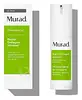
This anti-aging treatment is formulated around Urea and Palmitoyl Tripeptide-5 to soften the look of wrinkles and hydrate skin.
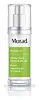
This anti-aging serum is formulated around Retinol and Hydroxypinacolone Retinoate to soften the look of wrinkles and refine skin texture.

What's inside
What's inside
 Key Ingredients
Benefits
Concerns
Ingredients Side-by-side
Water
Skin ConditioningIsodecyl Neopentanoate
EmollientPolymethylsilsesquioxane

Glycerin
Humectant


Pentylene Glycol
Skin Conditioning
Neopentyl Glycol Diethylhexanoate
Emollient
Cetyl Ethylhexanoate
EmollientStearic Acid
Cleansing


Cetearyl Olivate
Dimethicone/Bis-Isobutyl PPG-20 Crosspolymer
Emollient
Sorbitan Olivate
Emulsifying
Butylene Glycol
Humectant
Honey
Humectant
Urea
Buffering

Yeast Amino Acids
HumectantTrehalose
Humectant
Inositol
Humectant
Taurine
BufferingBetaine
Humectant
Caprylic/Capric Triglyceride
Masking
Alaria Esculenta Extract
Skin Protecting

Palmitoyl Tripeptide-5
Skin Conditioning
Codium Tomentosum Extract
Skin ProtectingHydrogenated Olive Oil
Skin Conditioning
Olea Europaea Fruit Oil
Masking
Olea Europaea Oil Unsaponifiables
Skin Conditioning
Sodium Hyaluronate
Humectant

Collagen Amino Acids
Moisturising
Citrullus Lanatus Fruit Extract
Skin Conditioning
Pyrus Malus Fruit Extract
Skin Conditioning
Lens Esculenta Fruit Extract
Skin ConditioningTocopheryl Acetate
Antioxidant


Sodium PCA
Humectant
Sodium Lactate
Buffering
Zinc Gluconate
Skin Conditioning



Ascorbic Acid
Antioxidant

Chitosan
Propyl Gallate
Antioxidant

Polysorbate 20
Emulsifying
Acrylates/C10-30 Alkyl Acrylate Crosspolymer
Emulsion StabilisingAminomethyl Propanol
BufferingTrisodium Ethylenediamine Disuccinate
ChelatingDisodium EDTA
ChelatingPhenoxyethanol
Preservative
Caprylyl Glycol
Emollient
Chlorphenesin
Antimicrobial
Linalool
Perfuming
Anthemis Nobilis Flower Extract
Masking
Anthemis Nobilis Flower Oil
Masking
Lavandula Angustifolia Oil
Masking
Water, Isodecyl Neopentanoate, Polymethylsilsesquioxane, Glycerin, Pentylene Glycol, Neopentyl Glycol Diethylhexanoate, Cetyl Ethylhexanoate, Stearic Acid, Cetearyl Olivate, Dimethicone/Bis-Isobutyl PPG-20 Crosspolymer, Sorbitan Olivate, Butylene Glycol, Honey, Urea, Yeast Amino Acids, Trehalose, Inositol, Taurine, Betaine, Caprylic/Capric Triglyceride, Alaria Esculenta Extract, Palmitoyl Tripeptide-5, Codium Tomentosum Extract, Hydrogenated Olive Oil, Olea Europaea Fruit Oil, Olea Europaea Oil Unsaponifiables, Sodium Hyaluronate, Collagen Amino Acids, Citrullus Lanatus Fruit Extract, Pyrus Malus Fruit Extract, Lens Esculenta Fruit Extract, Tocopheryl Acetate, Sodium PCA, Sodium Lactate, Zinc Gluconate, Ascorbic Acid, Chitosan, Propyl Gallate, Polysorbate 20, Acrylates/C10-30 Alkyl Acrylate Crosspolymer, Aminomethyl Propanol, Trisodium Ethylenediamine Disuccinate, Disodium EDTA, Phenoxyethanol, Caprylyl Glycol, Chlorphenesin, Linalool, Anthemis Nobilis Flower Extract, Anthemis Nobilis Flower Oil, Lavandula Angustifolia Oil
Water
Skin ConditioningCyclopentasiloxane
Emollient
Isopropyl Palmitate
Emollient
C14-22 Alcohols
Emulsion Stabilising
Polymethylsilsesquioxane
Dimethicone
Emollient
Propanediol
Solvent
Glyceryl Stearate
Emollient
PEG-100 Stearate
Surfactant
Shea Butter Ethyl Esters
Emollient
Retinol
Skin Conditioning
Hydroxypinacolone Retinoate
Skin Conditioning
Ceramide NP
Skin Conditioning
Sodium Hyaluronate
Humectant
Solanum Lycopersicum Fruit Extract
Antioxidant
Swertia Chirata Extract
HumectantSqualane
Emollient
Punica Granatum Extract
AstringentTocopheryl Acetate
Antioxidant
Glycine Soja Extract
Skin ConditioningUrea
Buffering
Yeast Amino Acids
HumectantTrehalose
Humectant
Inositol
Humectant
Taurine
BufferingBetaine
Humectant
Glycerin
Humectant
Caprylic/Capric Triglyceride
Masking
Dimethyl Isosorbide
SolventSilica
Abrasive
Ethylhexyl Palmitate
Emollient
Silica Dimethyl Silylate
EmollientButylene Glycol
Humectant
Lecithin
Emollient
Ammonium Acryloyldimethyltaurate/Vp Copolymer
C12-20 Alkyl Glucoside
EmulsifyingCetyl Palmitate
Emollient
Laureth-23
Cleansing
Polysorbate 20
Emulsifying
Trideceth-6 Phosphate
EmulsifyingSynthetic Fluorphlogopite
Phenoxyethanol
Preservative
Ethylhexylglycerin
Skin ConditioningChlorphenesin
Antimicrobial
Disodium EDTA
ChelatingSodium Hydroxide
BufferingTris(Tetramethylhydroxypiperidinol)Citrate
StabilisingSodium Benzotriazolyl Butylphenol Sulfonate
UV AbsorberCI 77891
Cosmetic ColorantCI 14700
Cosmetic ColorantAlpha-Isomethyl Ionone
Perfuming
Citronellol
Perfuming
Parfum
Masking
Water, Cyclopentasiloxane, Isopropyl Palmitate, C14-22 Alcohols, Polymethylsilsesquioxane, Dimethicone, Propanediol, Glyceryl Stearate, PEG-100 Stearate, Shea Butter Ethyl Esters, Retinol, Hydroxypinacolone Retinoate, Ceramide NP, Sodium Hyaluronate, Solanum Lycopersicum Fruit Extract, Swertia Chirata Extract, Squalane, Punica Granatum Extract, Tocopheryl Acetate, Glycine Soja Extract, Urea, Yeast Amino Acids, Trehalose, Inositol, Taurine, Betaine, Glycerin, Caprylic/Capric Triglyceride, Dimethyl Isosorbide, Silica, Ethylhexyl Palmitate, Silica Dimethyl Silylate, Butylene Glycol, Lecithin, Ammonium Acryloyldimethyltaurate/Vp Copolymer, C12-20 Alkyl Glucoside, Cetyl Palmitate, Laureth-23, Polysorbate 20, Trideceth-6 Phosphate, Synthetic Fluorphlogopite, Phenoxyethanol, Ethylhexylglycerin, Chlorphenesin, Disodium EDTA, Sodium Hydroxide, Tris(Tetramethylhydroxypiperidinol)Citrate, Sodium Benzotriazolyl Butylphenol Sulfonate, CI 77891, CI 14700, Alpha-Isomethyl Ionone, Citronellol, Parfum
Ingredients Explained
These ingredients are found in both products.
Ingredients higher up in an ingredient list are typically present in a larger amount.
Betaine is a humectant. Like hyaluronic acid, it helps attract and retain moisture in the skin. It’s known for being gentle and for helping the skin maintain balanced hydration.
Betaine is mainly used to improve hydration and support calmer skin. It helps skin cells regulate water balance because it functions as an osmolyte.
Some studies suggest betaine may support making skin tone more even.
Fun fact: Betaine naturally exists in the skin and the body. In cosmetic products, it can be either plant-derived (most commonly from sugar beets) or synthetically produced for consistency and stability.
Betaine is also known as trimethylglycine.
Learn more about BetaineButylene Glycol (or BG) is used within cosmetic products for a few different reasons:
Overall, Butylene Glycol is a safe and well-rounded ingredient that works well with other ingredients.
Though this ingredient works well with most skin types, some people with sensitive skin may experience a reaction such as allergic rashes, closed comedones, or itchiness.
Learn more about Butylene GlycolCaprylic/Capric Triglyceride (aka MCT Oil) is a lightweight emollient, solvent, and texture enhancer. It is considered a skin-softener by helping to prevent moisture loss.
Though it behaves like an oil, it is not technically one due to its chemical composition. One perk of this ingredient is that it is very stable, resistant to oxidation, and unlikely to go rancid.
In practice, that translates to a long shelf life and a consistently elegant skin feel.
While there is an assumption Caprylic Triglyceride can clog pores due to it being derived from coconut oil, there is no research supporting this. Just patch test if you have concerns.
Fractionated coconut oil and MCT Oil are both listed as Caprylic/Capric Triglyceride according to INCI. This is because INCI names are based on the ingredient’s final chemical composition and not its marketing name or source.
This ingredient is treated as the gold standard fungal acne safe oil. Even though it is coconut derived, the problematic lauric acid is stripped out.
This leaves just caprylic (C8) and capric (C10) acid. These chain lengths actually trend antifungal; a 2020 study found caprylic acid was enough to disrupt Malassezia furfur cell membrane, with a caprylic acid derivative damaging membrane structures at concentrations as low as 0.2%.
Learn more about Caprylic/Capric TriglycerideChlorphenesin is a synthetic preservative. It helps protect a product against bacteria in order to extend shelf life. In most cases, Chlorphenesin is paired with other preservatives such as phenoxyethanol and caprylyl glycol.
Chlorphenesin is a biocide. This means it is able to help fight the microorganisms on our skin. It is also able to fight odor-releasing bacteria.
Chlorphenesin is soluble in both water and glycerin.
Studies show Chlorphenesin is easily absorbed by our skin. You should speak with a skincare professional if you have concerns about using Chlorphenesin.
Learn more about ChlorphenesinDisodium EDTA is a chelating agent. It grabs onto and deactivates metal ions that sneak into your products from water, packaging, or air.
This ingredient mainly works behind the scenes and helps with:
On top of that, this ingredient can counteract the effects of hard water by binding to the minerals in it.
One thing worth knowing is that Disodium EDTA has been shown to be a mild penetration enhancer. It can help other ingredients absorb into skin more effectively which can be a double-edged sword (great for actives, but can also make the active too strong if you have sensitive skin).
Clinical patch testing showed no significant skin irritation at typical use concentrations and minimal dermal absorption.
You'll most likely see this ingredient near the end of an ingredient list. It's typically found in concentrations less than 1%.
Learn more about Disodium EDTAGlycerin (or glycerol) is a compound naturally found in your skin. It's a powerhouse humectant that pulls water into the stratum corneum.
Topically, glycerin does several things at once:
Your skin makes glycerin on its own (mostly from sebaceous oil breakdown) and shuttles it to your outermost layer of skin, or your epidermis, via aquaporin-3.
Aquaporin-3 is a transporter that is essential for normal skin hydration, elasticity, and repair. Interestingly, mice lacking in AQP3 have dry and less elastic skin that can be fully corrected with glycerin.
This ingredient is non-irritating, plays well with almost every ingredient, and works across all skin types. Typical use is anywhere between 3-10% but can go up to 79% in some leave-on products.
Just know very high concentrations (>40%) can feel tacky in low humidity.
Glycerin is the name for this ingredient in American English. British English uses Glycerol/Glycerine.
Learn more about GlycerinInositol is a sugar alcohol naturally found in the human body. Our bodies use this ingredient in the process of growing new cells.
Studies show inositol to be a key component for keratinocyte growth.
Keratinocytes make up the majority of the outermost layer of skin. These cells protect our skin from UV exposure, infection, and help keep skin hydrated.
This ingredient is also considered a humectant. Humectants help hydrate the skin by drawing moisture to it.
Learn more about InositolPhenoxyethanol is one of the most widely used preservatives in skincare (and for good reason!).
It has a large spectrum of antimicrobial activity and especially effective bacteria, yeast, and mold while only having a weak effect on your skin's natural microbiome.
On a cellular level, it disrupts the cell membranes of microbes by poking holes that make the cell leak. This shuts down the chemical reactions the microbe needs to make energy so it can no longer survive.
Another perk of this ingredient is that it stays functional across a wide pH range (3-10).
You'll often see it paired with boosters like Ethylhexylglycerin; one study showed that a 1:9 ratio of Ethylhexylglycerin to Phenoxyethanol damages bacterial membranes as effectively as doubling the Phenoxyethanol concentration on its own.
Typical use concentrations range from 0.3-1% depending on the formula, and this ingredient is capped at 1% int the EU.
Safety-wise, the fear mongering does not hold up to the evidence. The EU's Scientific Committee on Consumer Safety and FDA consider it safe as a preservative at up to 1%, including for children of all ages.
Adverse systemic effects only showed up in animal studies at exposures roughly 200x higher than what people get from cosmetics. And despite its very widespread use, this ingredient is a rare sensitizer and allergic reactions are uncommon.
Learn more about PhenoxyethanolPolymethylsilsesquioxane is a silicone used as a film forming agent.
When applied to the skin, this ingredient creates an invisible film on the surface. This film still allows oxygen to pass through, but prevents moisture from escaping. This can help condition and hydrate the skin. It also leaves a silky feel when applied.
Polymethylsilsesquioxane has not been shown to clog pores. It has been deemed safe to use up to 55%, but most cosmetics use much less.
If you have concerns about using this ingredient, we recommend speaking with a professional.
Learn more about PolymethylsilsesquioxanePolysorbate 20 is a gentle, water-soluble emulsifier and mild surfactant. It stops oil and water from separating to keep your formulas blended and stable.
It also acts as a mild penetration enhancer by helping active ingredients absorb slightly better.
The common safety discussion around this ingredient involves a manufacturing byproduct called 1,4-dioxane.
Trace amounts can form during production but the EU's Scientific Committee on Consumer Safety has concluded that levels at/below 10 ppm in finished products are safe (commercial products consistently fall within acceptable margins).
True allergic reactions are uncommon and the CIR Expert Panel has confirmed this ingredient to be safe as used in cosmetics.
Because it is derived from lauric acid, it may not be fungal acne safe.
Learn more about Polysorbate 20Sodium Hyaluronate is the salt form of hyaluronic acid. It is a long sugar chain that is naturally found in your skin, joints, and connective tissue that maintains hydration and elasticity.
In skincare, it works as a humectant. It pulls water from the environment and deeper layers of skin and binds it to the surface.
Interestingly, the size of the molecule affects its behavior:
Some clinical evidence links low molecular weight versions to improved wrinkle depth, elasticity, anti-inflammatory effects, and barrier repair.
Many serums use a blend of both weights so you can get surface hydration plus longer-lasting and deeper effects.
You'll typically see concentrations between 0.1-2% for this ingredient.
Learn more about Sodium HyaluronateTaurine is an amino acid that is found in human skin as an osmolyte. An osmolyte is a small molecule that cells use to hold onto water and stay comfortable under stressful conditions.
In skin cell studies, taurine accumulation helps cells maintain hydration in low-humidity environments. Some dermatology research on osmolytes also link taurine to barrier support. Research also suggests that osomolyte systems can be disrupted in photoaged skin.
One animal study reported tropical taurine improved barrier function and collagen signaling, while another one found oral taurine can lessen UVB-related damage. It is important to note that evidence for taurine in skincare is mostly preclinical, meaning further studies are needed.
Learn more about TaurineTocopheryl Acetate is a stable, shelf-friendly form of vitamin E.
Formulators love it because plain vitamin E oxidizes quickly once it hits air. This acetate version stays stable and resists going off, helping to extend a product's shelf life.
It's actually inactive on its own and works like a slow-release "storage" form; the enzymes in your skin called esterases gradually convert it into active vitamin E over time.
One in vivo study showed 5% of the acetate in the living layer of the epidermis converted to vitamin E after 5 days of application. This study also found the skin gained protection against UV damage even though the conversion was slow and small.
Once converted, vitamin E acts as a skin's main fat-soluble antioxidant that fights free radicals to protect skin from damage.
Topical vitamin E generally boosts the skin's photoprotection, and it reduced UV-damage in animal models.
This ingredient has some brightening potential but it's more of a prevention ingredient than spot-fader. Cell studies show it can slow down melanin production but it's worth noting that it's not the most powerful brightener out there.
Overall, it has a pretty solid safety profile and has been found to be non-irritating and non-comedogenic. Allergic reactions may happen but stay rare due to how widely the ingredient gets used.
The concentration will vary depending on the formula; industry data shows 0.1% in baby lotions, 3% in lipsticks, and 5% in foot powders. You can also find this ingredient at 100% in a pure vitamin E oil.
Most leave-on skincare keeps it at the lower end, often between 0.5-1%.
Learn more about Tocopheryl AcetateTrehalose is a disaccharide made of two glucose molecules (glucose is sugar!). Trehalose is used to help moisturize skin. It also has antioxidant properties.
As a humectant, trehalose helps draw moisture from the air to your skin. This helps keep your skin hydrated.
Due to its antioxidant properties, trehalose may help with signs of aging. Antioxidants help fight free-radical molecules, unstable molecules that may damage your skin.
In medicine, trehalose and hyaluronic acid are used to help treat dry eyes.
Some animals, plants, and bacteria create trehalose as a source of energy to survive freeze or lack of water.
Learn more about TrehaloseUrea is also called carbamide and is the diamide of carbonic acid. In cosmetics, urea is used to hydrate the skin. It also provides exfoliation in higher concentrations.
As a humectant, urea helps draw moisture from the air and from deep within the skin. This helps hydrate your skin. Studies show urea is an effective moisturizer for dry skin conditions. 40% urea is typical in medications for treating eczema and other skin conditions.
Urea has the strongest exfoliation effect in concentrations higher than 10%. It is a keratolytic agent, meaning it breaks down the keratin protein in the top layer of skin. This helps remove dead skin cells and flaking skin.
In medicine, urea has been shown to help increase the potency of other ingredients, such as fungal treatments.
Humans and animals use urea to metabolize nitrogen-containing compounds. Urea is highly soluble in water. Once dissolved, it is neither acidic nor alkaline.
Urea is actually one of the more well-studied and well-supported ingredients out there if you have eczema.
Clinical trials have shown that urea creams in the 5 - 10% range can:
Higher concentrations (20 -30%) can also help with thickened, scaly patches but is also more likely to sting on active flares.
Skip urea if you have rosacea. The AAD (American Academy of Dermatology) lists it alongside alcohol, menthol, and fragrance as a potential irritant for rosacea-prone skin. Urea's keratolytic and penetration-enhancing properties can trigger stinging, burning, and redness.
As always, your skin is unique, so definitely check in with your dermatologist.
Learn more about UreaWater. It's the most common cosmetic ingredient of all. You'll usually see it at the top of ingredient lists, meaning that it makes up the largest part of the product.
So why is it so popular? Water most often acts as a solvent - this means that it helps dissolve other ingredients into the formulation.
You'll also recognize water as that liquid we all need to stay alive. If you see this, drink a glass of water. Remember to stay hydrated!
Learn more about WaterWe don't have a description for Yeast Amino Acids yet.



