

What's inside
What's inside
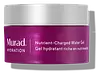 Key Ingredients
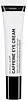
Benefits
Concerns
Ingredients Side-by-side
Water
Skin ConditioningDimethicone
Emollient

Glycerin
Humectant

Propanediol
Solvent
Polymethylsilsesquioxane/Silica Crosspolymer
Hydroxyethyl Acrylate/Sodium Acryloyldimethyl Taurate Copolymer
Emulsion StabilisingIsononyl Isononanoate
EmollientSaccharide Isomerate
Humectant
Hydroxyethyl Urea
Humectant
Ceramide NP
Skin Conditioning


Ceramide AP
Skin Conditioning
Ceramide EOP
Skin Conditioning
Sh-Oligopeptide-1
Skin Conditioning
Sh-Oligopeptide-2
Skin Conditioning
Sh-Polypeptide-1
Skin Conditioning
Sh-Polypeptide-9
Skin Conditioning
Sh-Polypeptide-11
Saccharomyces/Zinc Ferment
Skin Conditioning
Saccharomyces/Copper Ferment
Skin Conditioning
Saccharomyces/Magnesium Ferment
Saccharomyces/Iron Ferment
Skin Conditioning
Saccharomyces/Silicon Ferment
Skin Conditioning
Leuconostoc/Radish Root Ferment Filtrate
Antimicrobial
Bacillus
Skin ConditioningTrehalose
Humectant
Taurine
BufferingSerine
Masking
Tocopheryl Acetate
Antioxidant


Calcium Pantothenate
Niacinamide
Smoothing





Phytantriol
HumectantAcetyl Glutamine
Skin ConditioningUrea
Buffering
Cholesterol
Emollient
Yeast Amino Acids
HumectantPhytosphingosine
Skin Conditioning
Inositol
Humectant
Betaine
Humectant
Lecithin
Emollient
Sodium Ascorbyl Phosphate
Antioxidant
Sodium Hyaluronate
Humectant
Pyridoxine Hcl
Skin ConditioningSucrose
Humectant
Algin
Masking
Pullulan
Maltodextrin
Absorbent
Polysilicone-11
Glyceryl Polyacrylate
Decyl Glucoside
Cleansing
Pentylene Glycol
Skin Conditioning
Hexylene Glycol
EmulsifyingCaprylyl Glycol
Emollient
Butylene Glycol
Humectant
Ethylhexyl Isononanoate
EmollientPolyisobutene
Silica
Abrasive
Sodium Starch Octenylsuccinate
AbsorbentPEG-7 Trimethylolpropane Coconut Ether
Emulsifying
Trisodium Ethylenediamine Disuccinate
Disodium Phosphate
BufferingPotassium Phosphate
BufferingCarbomer
Emulsion StabilisingXanthan Gum
EmulsifyingSodium Lauroyl Lactylate
Emulsifying1,2-Hexanediol
Skin Conditioning
Phenoxyethanol
Preservative
Ethylhexylglycerin
Skin ConditioningParfum
Masking



CI 17200
Cosmetic ColorantCI 14700
Cosmetic ColorantWater, Dimethicone, Glycerin, Propanediol, Polymethylsilsesquioxane/Silica Crosspolymer, Hydroxyethyl Acrylate/Sodium Acryloyldimethyl Taurate Copolymer, Isononyl Isononanoate, Saccharide Isomerate, Hydroxyethyl Urea, Ceramide NP, Ceramide AP, Ceramide EOP, Sh-Oligopeptide-1, Sh-Oligopeptide-2, Sh-Polypeptide-1, Sh-Polypeptide-9, Sh-Polypeptide-11, Saccharomyces/Zinc Ferment, Saccharomyces/Copper Ferment, Saccharomyces/Magnesium Ferment, Saccharomyces/Iron Ferment, Saccharomyces/Silicon Ferment, Leuconostoc/Radish Root Ferment Filtrate, Bacillus, Trehalose, Taurine, Serine, Tocopheryl Acetate, Calcium Pantothenate, Niacinamide, Phytantriol, Acetyl Glutamine, Urea, Cholesterol, Yeast Amino Acids, Phytosphingosine, Inositol, Betaine, Lecithin, Sodium Ascorbyl Phosphate, Sodium Hyaluronate, Pyridoxine Hcl, Sucrose, Algin, Pullulan, Maltodextrin, Polysilicone-11, Glyceryl Polyacrylate, Decyl Glucoside, Pentylene Glycol, Hexylene Glycol, Caprylyl Glycol, Butylene Glycol, Ethylhexyl Isononanoate, Polyisobutene, Silica, Sodium Starch Octenylsuccinate, PEG-7 Trimethylolpropane Coconut Ether, Trisodium Ethylenediamine Disuccinate, Disodium Phosphate, Potassium Phosphate, Carbomer, Xanthan Gum, Sodium Lauroyl Lactylate, 1,2-Hexanediol, Phenoxyethanol, Ethylhexylglycerin, Parfum, CI 17200, CI 14700
Water
Skin ConditioningGlycerin
Humectant
Dicaprylyl Carbonate
EmollientPropanediol
Solvent
Polyglyceryl-6 Distearate
Emulsifying
Cetyl Alcohol
Emollient
Glyceryl Behenate
Emollient
Phenoxyethanol
Preservative
Hydroxyethyl Acrylate/Sodium Acryloyldimethyl Taurate Copolymer
Emulsion StabilisingJojoba Esters
Emollient
Albizia Julibrissin Bark Extract
MaskingSqualane
Emollient
Caffeine
Skin Conditioning
Polyglyceryl-3 Beeswax
Emulsifying
Phospholipids
Skin Conditioning
Ethylhexylglycerin
Skin ConditioningXanthan Gum
EmulsifyingGlycine Soja Oil
Emollient

Polysorbate 60
Emulsifying
Sodium Phytate
Glycolipids
Skin ConditioningSorbitan Isostearate
Emulsifying
Butylene Glycol
Humectant
Citric Acid
Buffering
Glycine Soja Sterols
Emollient
Leuconostoc/Radish Root Ferment Filtrate
Antimicrobial
Hyaluronic Acid
Humectant
Sodium Benzoate
Masking
Tocopherol
Antioxidant
Carbomer
Emulsion StabilisingDarutoside
Skin ConditioningSodium Lactate
Buffering
Polysorbate 20
Emulsifying
Palmitoyl Tetrapeptide-7
Skin Conditioning
Palmitoyl Tripeptide-1
Skin Conditioning
Water, Glycerin, Dicaprylyl Carbonate, Propanediol, Polyglyceryl-6 Distearate, Cetyl Alcohol, Glyceryl Behenate, Phenoxyethanol, Hydroxyethyl Acrylate/Sodium Acryloyldimethyl Taurate Copolymer, Jojoba Esters, Albizia Julibrissin Bark Extract, Squalane, Caffeine, Polyglyceryl-3 Beeswax, Phospholipids, Ethylhexylglycerin, Xanthan Gum, Glycine Soja Oil, Polysorbate 60, Sodium Phytate, Glycolipids, Sorbitan Isostearate, Butylene Glycol, Citric Acid, Glycine Soja Sterols, Leuconostoc/Radish Root Ferment Filtrate, Hyaluronic Acid, Sodium Benzoate, Tocopherol, Carbomer, Darutoside, Sodium Lactate, Polysorbate 20, Palmitoyl Tetrapeptide-7, Palmitoyl Tripeptide-1
Reviews
Ingredients Explained
These ingredients are found in both products.
Ingredients higher up in an ingredient list are typically present in a larger amount.
Butylene Glycol (or BG) is used within cosmetic products for a few different reasons:
Overall, Butylene Glycol is a safe and well-rounded ingredient that works well with other ingredients.
Though this ingredient works well with most skin types, some people with sensitive skin may experience a reaction such as allergic rashes, closed comedones, or itchiness.
Learn more about Butylene GlycolCarbomer is a high-molecular weight polymer of acrylic acid. It is used to form gels and thicken formulas.
Due to its large molecular size, carbomer has minimal skin penetration and is considered an inert ingredient.
A high amount of carbomer can cause pilling or balling up of products. Don't worry, most products contain 1% or less of carbomer.
Learn more about CarbomerEthylhexylglycerin is created from glycerin. It is a multitasker ingredient that:
The CIR Expert Panel found minimal skin absorption or sensitization of any kind in a safety assessment. Though this ingredient is considered well-tolerated, a small number of cases of allergic dermatitis have been published since 2002. Just be sure to patch test if you are unsure.
Industry-reported use ranges from 8% in rinse-off products and 2% in leave-on formulations.
Learn more about EthylhexylglycerinGlycerin (or glycerol) is a compound naturally found in your skin. It's a powerhouse humectant that pulls water into the stratum corneum.
Topically, glycerin does several things at once:
Your skin makes glycerin on its own (mostly from sebaceous oil breakdown) and shuttles it to your outermost layer of skin, or your epidermis, via aquaporin-3.
Aquaporin-3 is a transporter that is essential for normal skin hydration, elasticity, and repair. Interestingly, mice lacking in AQP3 have dry and less elastic skin that can be fully corrected with glycerin.
This ingredient is non-irritating, plays well with almost every ingredient, and works across all skin types. Typical use is anywhere between 3-10% but can go up to 79% in some leave-on products.
Just know very high concentrations (>40%) can feel tacky in low humidity.
Glycerin is the name for this ingredient in American English. British English uses Glycerol/Glycerine.
Learn more about GlycerinThis is a synthetic polymer. It helps improve the texture of products by adding thickness and gel-like feel.
It is also an emulsifer, meaning it prevents ingredients such as oil and water from separating. It also helps evenly disperse other ingredients.
Leuconostoc/Radish Root Ferment Filtrate is a natural preservative. It comes from fermenting radish roots with a bacteria called leuconostoc. The trade name for this ingredient is Leucidal.
Leuconostoc comes from lactic acid.
This ingredient has antimicrobial properties and helps prevent the growth of bacteria in a product.
Leuconostoc is used to make the traditional Korean side-dish, kimchi. It is also used to make sourdough bread (both incredibly yummy foods).
Learn more about Leuconostoc/Radish Root Ferment FiltratePhenoxyethanol is a preservative that has germicide, antimicrobial, and aromatic properties. Studies show that phenoxyethanol can prevent microbial growth. By itself, it has a scent that is similar to that of a rose.
It's often used in formulations along with Caprylyl Glycol to preserve the shelf life of products.
Propanediol is an all-star ingredient. It softens, hydrates, and smooths the skin.
It’s often used to:
Propanediol is not likely to cause sensitivity and considered safe to use. It is derived from corn or petroleum with a clear color and no scent.
Learn more about PropanediolWater. It's the most common cosmetic ingredient of all. You'll usually see it at the top of ingredient lists, meaning that it makes up the largest part of the product.
So why is it so popular? Water most often acts as a solvent - this means that it helps dissolve other ingredients into the formulation.
You'll also recognize water as that liquid we all need to stay alive. If you see this, drink a glass of water. Remember to stay hydrated!
Learn more about WaterXanthan gum is used as a stabilizer and thickener within cosmetic products. It helps give products a sticky, thick feeling - preventing them from being too runny.
On the technical side of things, xanthan gum is a polysaccharide - a combination consisting of multiple sugar molecules bonded together.
Xanthan gum is a pretty common and great ingredient. It is a natural, non-toxic, non-irritating ingredient that is also commonly used in food products.
Learn more about Xanthan Gum
